NASA remains on track for next year's Artemis III mission, a key test of orbital docking and lunar landers needed for future crewed moon landings, despite an explosion involving an unmanned Blue Origin rocket during a launchpad test in May, NASA Administrator Jared Isaacman said on Monday.
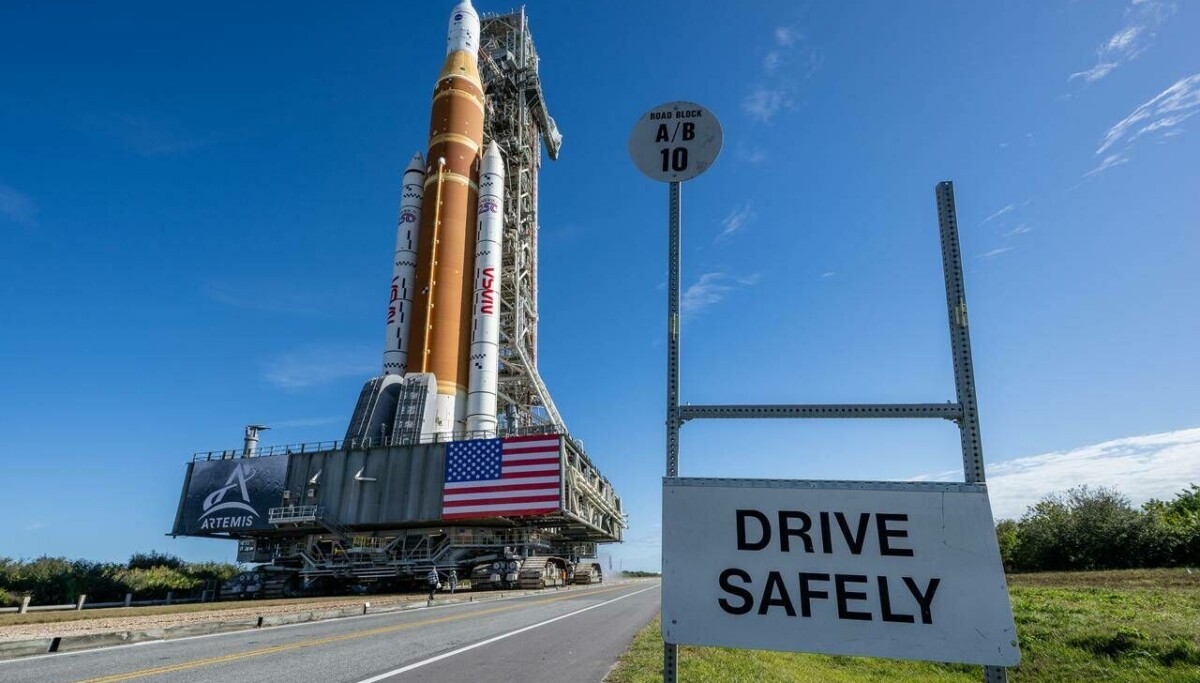
The Artemis program, which aims to return astronauts to the moon in 2028, combines NASA-developed spacecraft with systems provided by private industry. NASA's Space Launch System rocket will launch a crew aboard Orion, a deep-space capsule built by Lockheed Martin, while Elon Musk's SpaceX and Jeff Bezos's Blue Origin are developing landers designed to ferry astronauts between lunar orbit and the moon's surface.
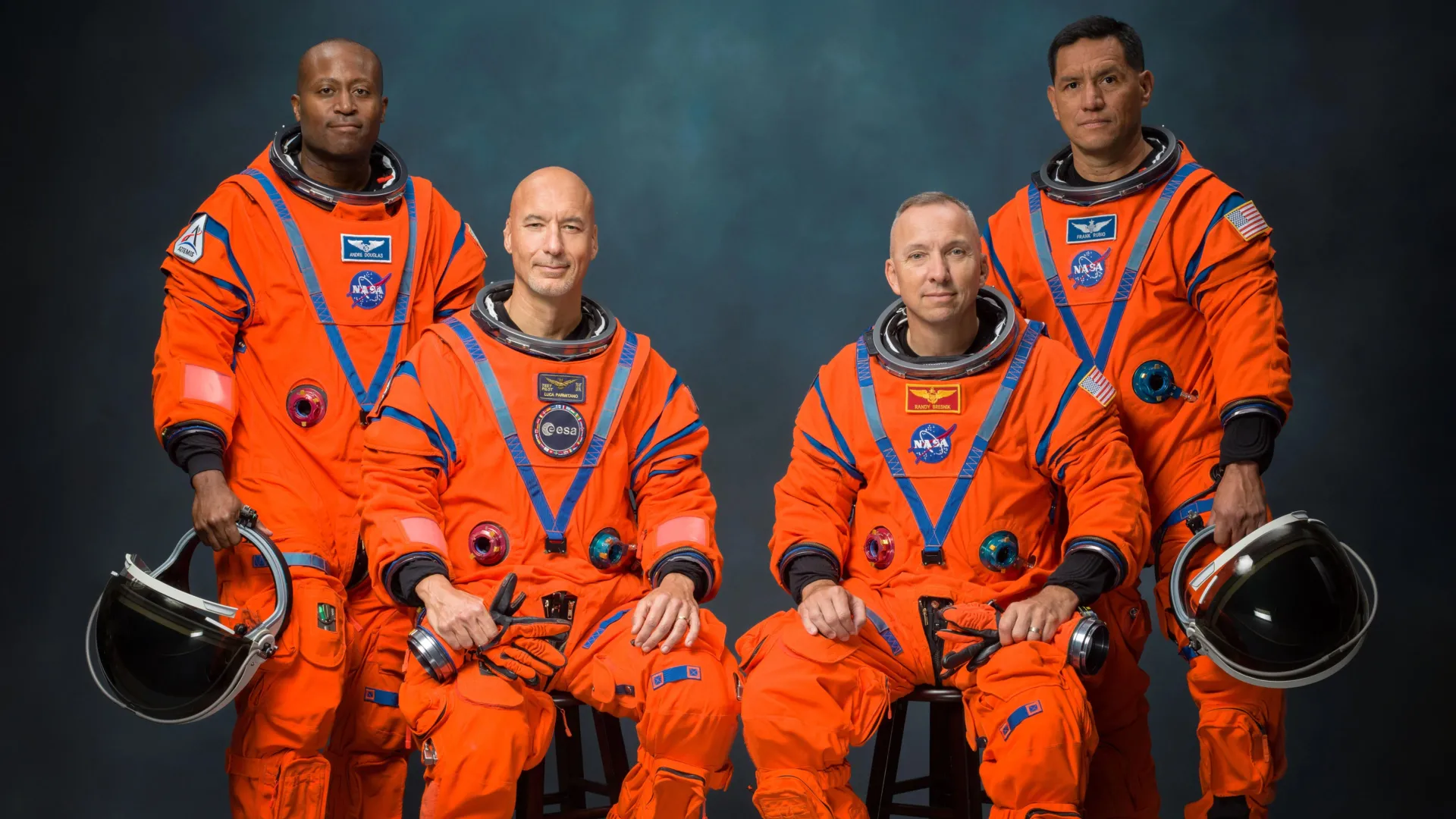
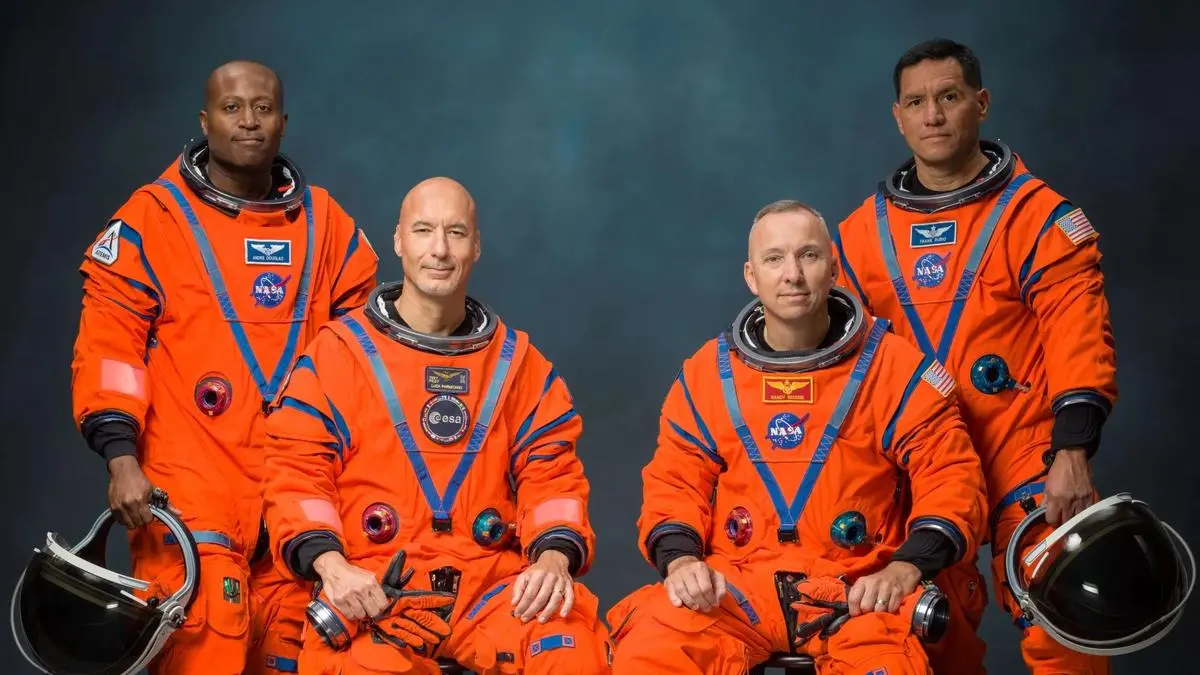
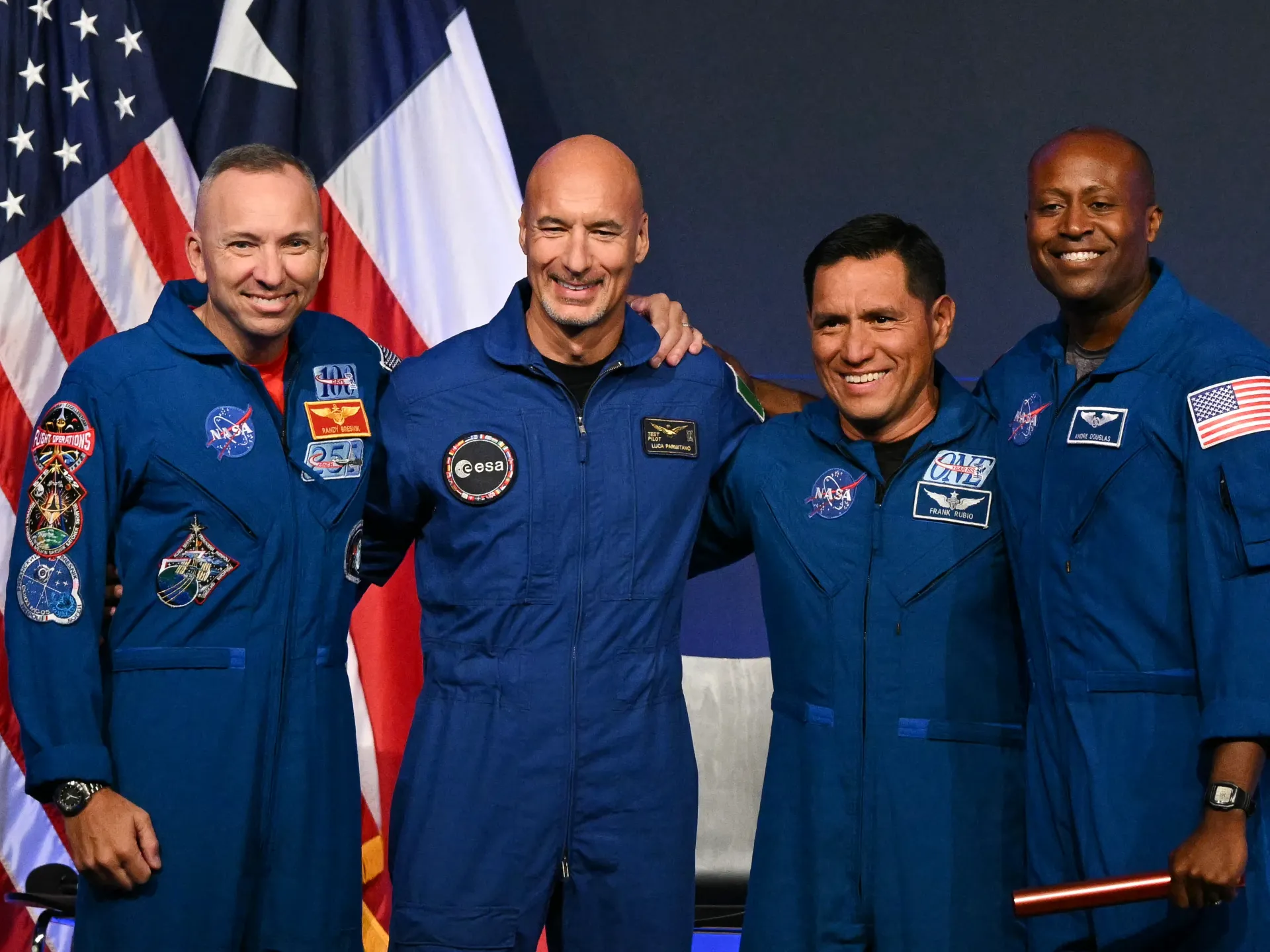
Ahead of future lunar landings, Artemis III will serve as a rehearsal in low Earth orbit. Four astronauts will fly aboard Orion and test rendezvous and docking operations with versions of SpaceX's Starship Human Landing System and Blue Origin's Blue Moon.
"We are still very much planning for that," Isaacman told Reuters at the Farnborough Airshow, referring to the 2027 timeline. "The parts that are in NASA's greatest control, which would be all things SLS and Orion related, are doing incredibly well." Both lunar landers have experienced schedule delays, and some industry executives doubt they will be ready in time for a 2027 mission. Concerns intensified in May when an uncrewed Blue Origin New Glenn rocket exploded during a hot-fire test on the company's only launch pad in Florida. Blue Origin has said it aims to complete repairs and resume flights by the end of the year.