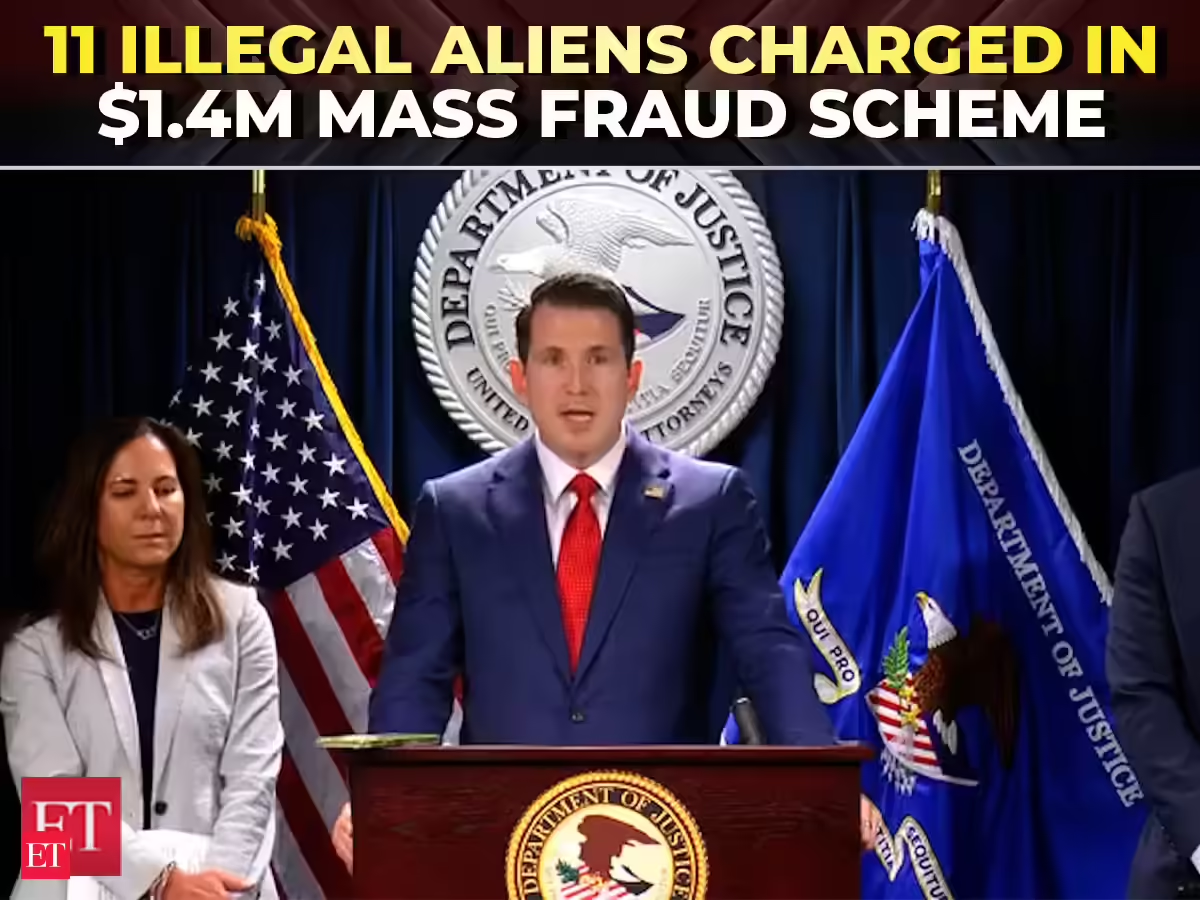
The Justice Department has stepped up enforcement with multiple arrests and prosecutions targeting large-scale government benefit fraud across the country. Federal prosecutors in Massachusetts recently charged 15 people in a sweeping takedown of an identity fraud ring.The alleged schemes used stolen identities to divert more than $1.4 million in food stamps, MassHealth, Social Security, unemployment, and housing assistance. Similar cases have exploited more than 100 stolen identities across state lines — some even claiming benefits in the name of deceased recipients. These operations are not isolated incidents. They are symptoms of a systemic failure.The current system invites this abuse. Identity verification relies heavily on static identifiers such as Social Security numbers, widely available on the dark web, and sporadic one-time document checks. These tools were built for a different era. Today, fraud networks operate at an industrial scale: They acquire or fabricate identities, test them across jurisdictions, and drain funds before detection. Enforcement actions are necessary and welcome, but they are reactive. The proactive approach? We need an infrastructure that mitigates fragmented checks, implements continuous verification, and establishes a trust framework that limits threat actors’ chances. It’s time the government acknowledged this, and legislators stepped up to make it happen before billions turn into trillions.
SNAP out of it: How our welfare system invites thieves to steal your money
Government benefit fraud in SNAP and other programs is exploding, with billions lost to stolen identities and outdated checks.
855 words~4 min read