A recent application I made for an administrative job in Britain asked whether I had any unspent criminal convictions. I ticked “yes.”
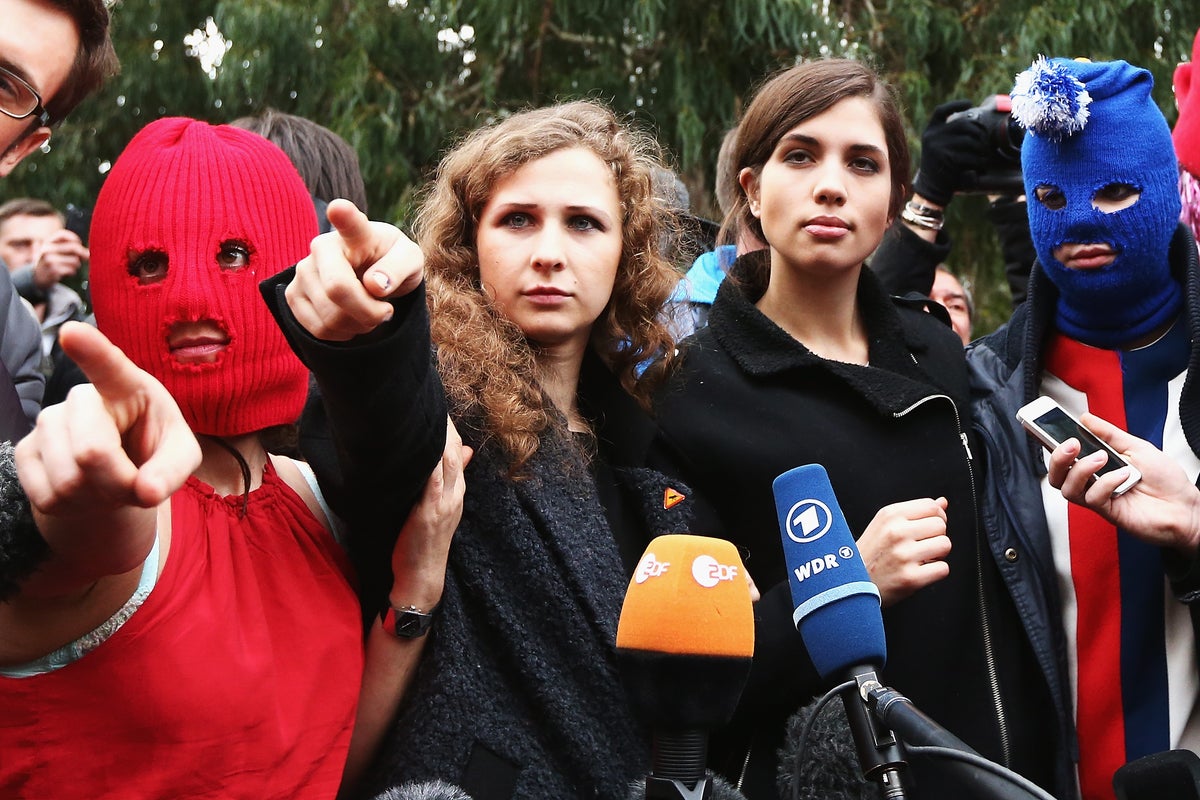
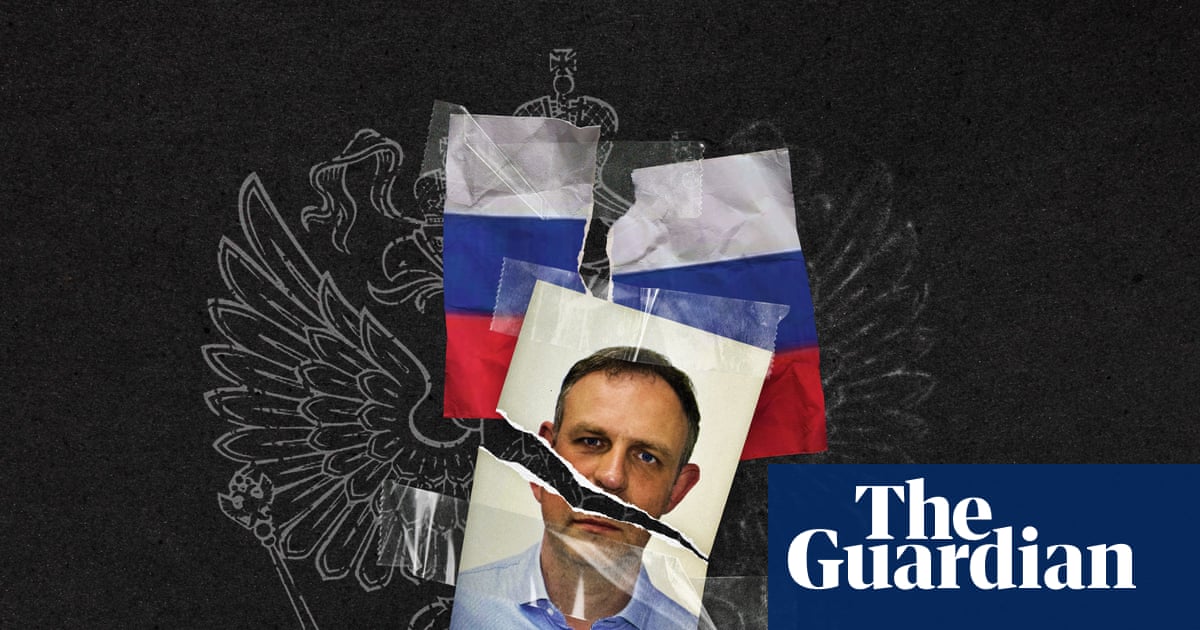
In September 2025, a Russian court sentenced me in absentia to eight years in a penal colony over an anti-war song by the performance art group I used to be part of, Pussy Riot. I was convicted of spreading “false information” about the Russian armed forces while it was flattening Ukrainian cities.
The form did not ask which country had convicted me, whether the case was political or whether the court was independent. It asked a simple yes-or-no question and answering it honestly meant putting the Kremlin’s verdict in front of a British hiring manager.
From Britain, the conviction and arrest warrant issued in Moscow can seem remote. I live here, I have built a home here and most of the time the sentence seems to belong to another country and another part of my life. In practice, they continue to shape my life no matter where I am.
It appears when I apply for an ordinary job and have to tell a stranger that I have a criminal conviction. It appears when a friend from Russia suggests meeting in a third country and I have to work out whether I could be detained at the airport. It appears when I am offered work abroad and my first thought is whether I will come back safely.