Palestinian economy is struggling. In West Bank, problem is too much cash
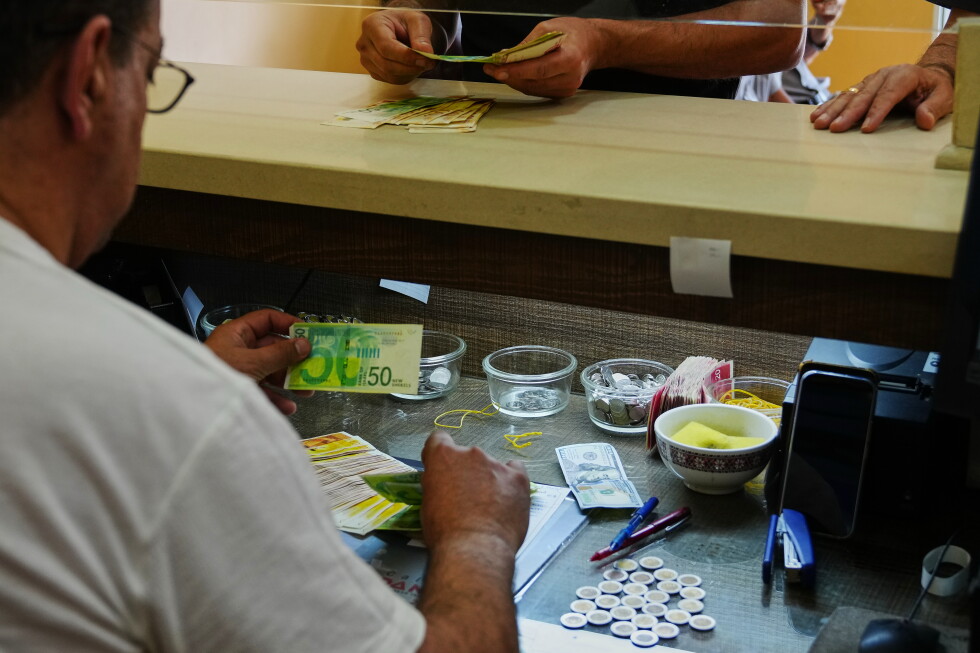
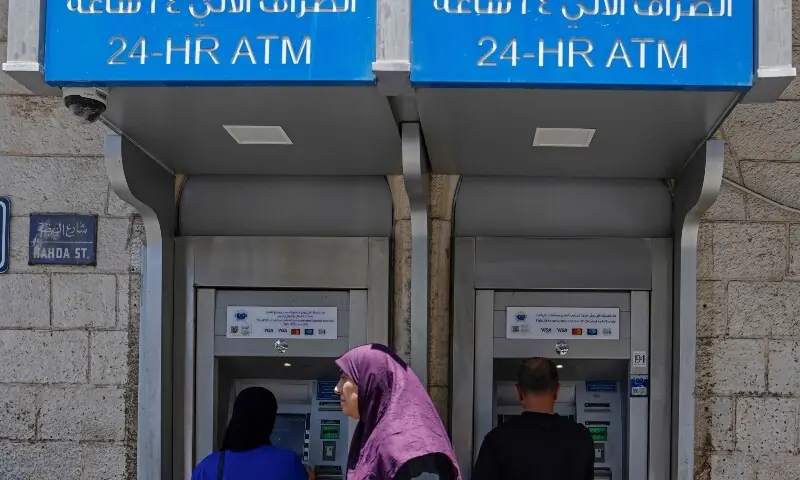
RAMALLAH, West Bank: Picture this: A gas station customer pulls out a wad of bills to pay for a fill-up. The cashier refuses the money, explaining that the station’s bank has stopped accepting notes and coins as deposits because it already is drowning in cash.
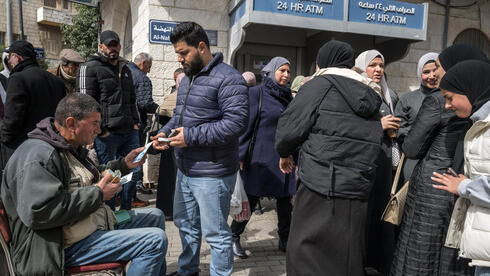
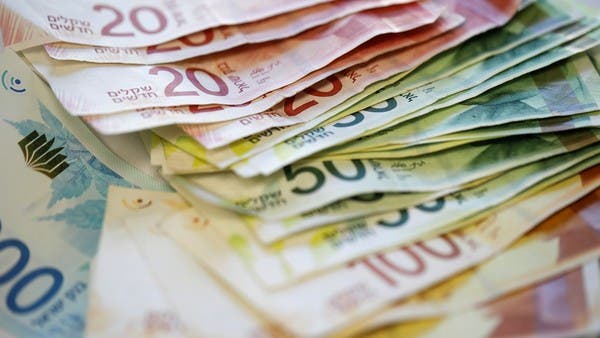
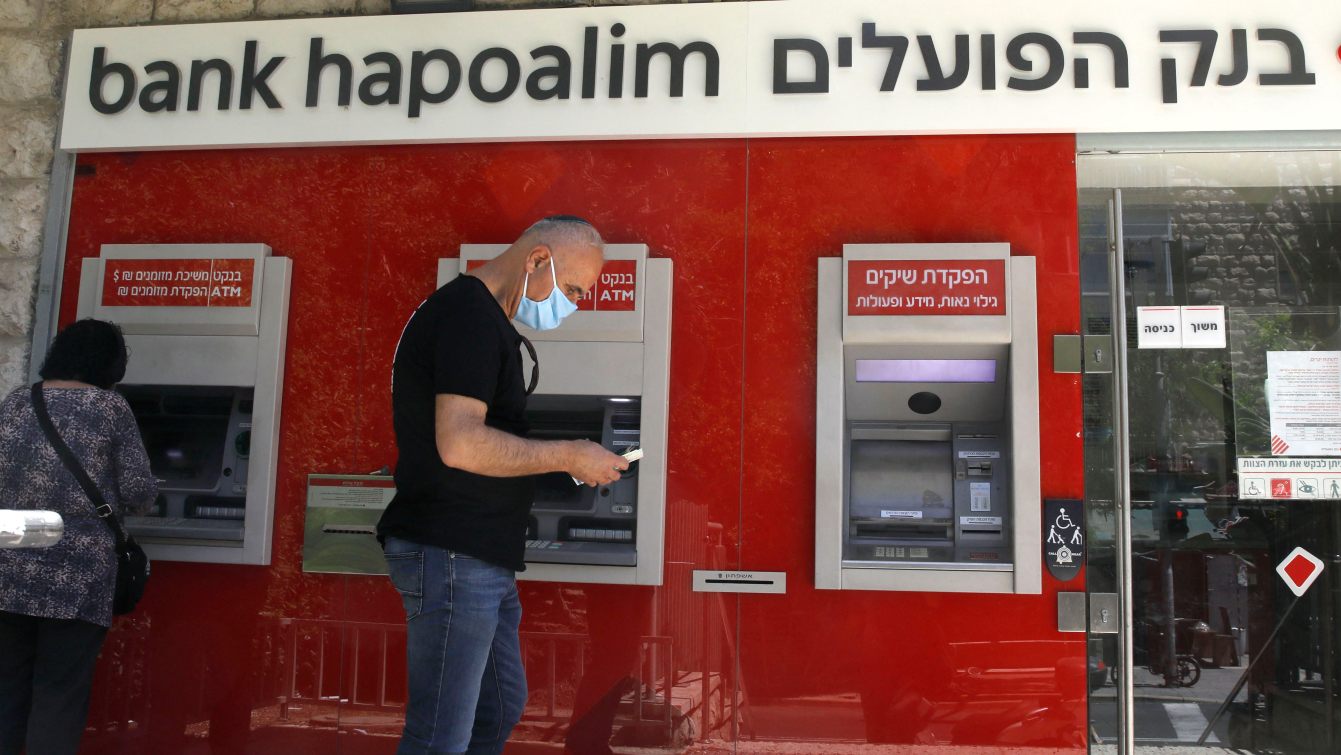
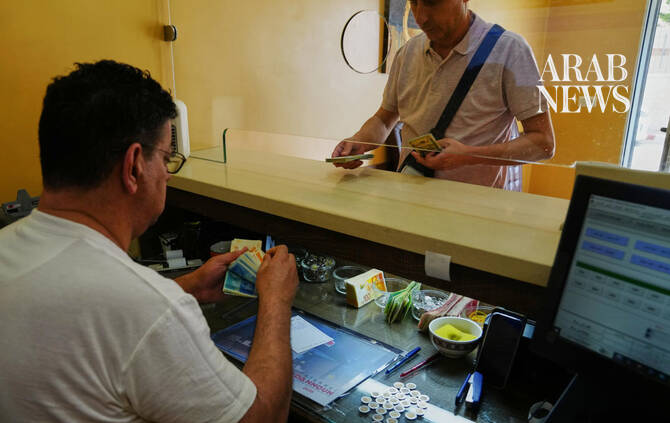
In most places, cash is king. But in the Israeli-occupied West Bank, having too much is gumming up the machinery of daily life. The Palestinian banking system has more Israeli shekels than it can manage. As a result, paper money has gotten harder for residents to spend and for businesses to put into their accounts.
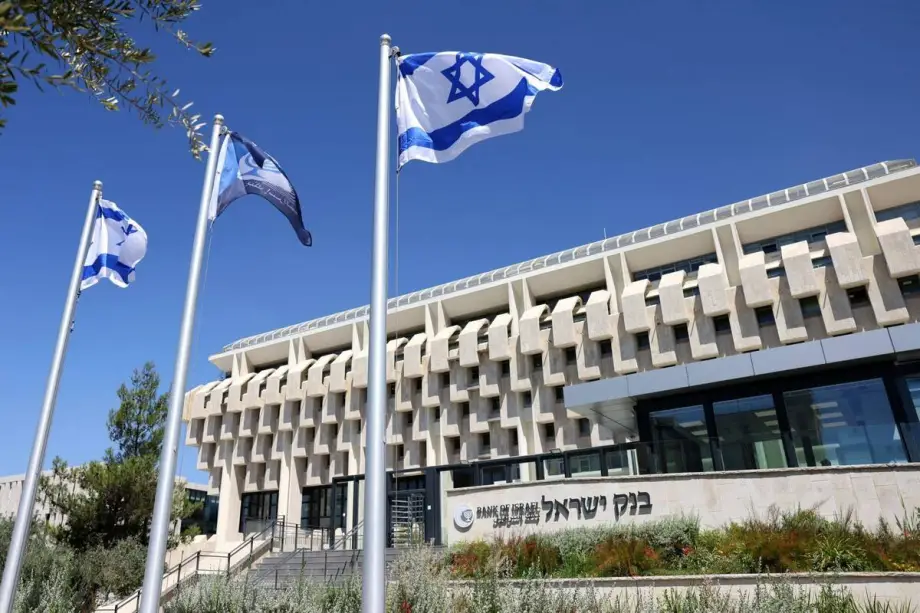
The excess liquidity stems from a conflict between the Bank of Israel and the Palestinian Monetary Authority, which oversees Palestinian banks and financial institutions. Israel limits the amount of physical currency it takes back from the West Bank. Palestinian officials say the cap has not kept pace with growth and is one mechanism used to keep the territory in a state of economic crisis.
Unlike in Gaza, where years of an almost total blockade have caused cash shortages, banks in the West Bank are running out of vault space to store stacks of shekels. With Bank of Israel refusing to accept more notes and coins, commercial banks can’t convert the money into electronic balances to pay suppliers or process transfers on behalf of their customers.