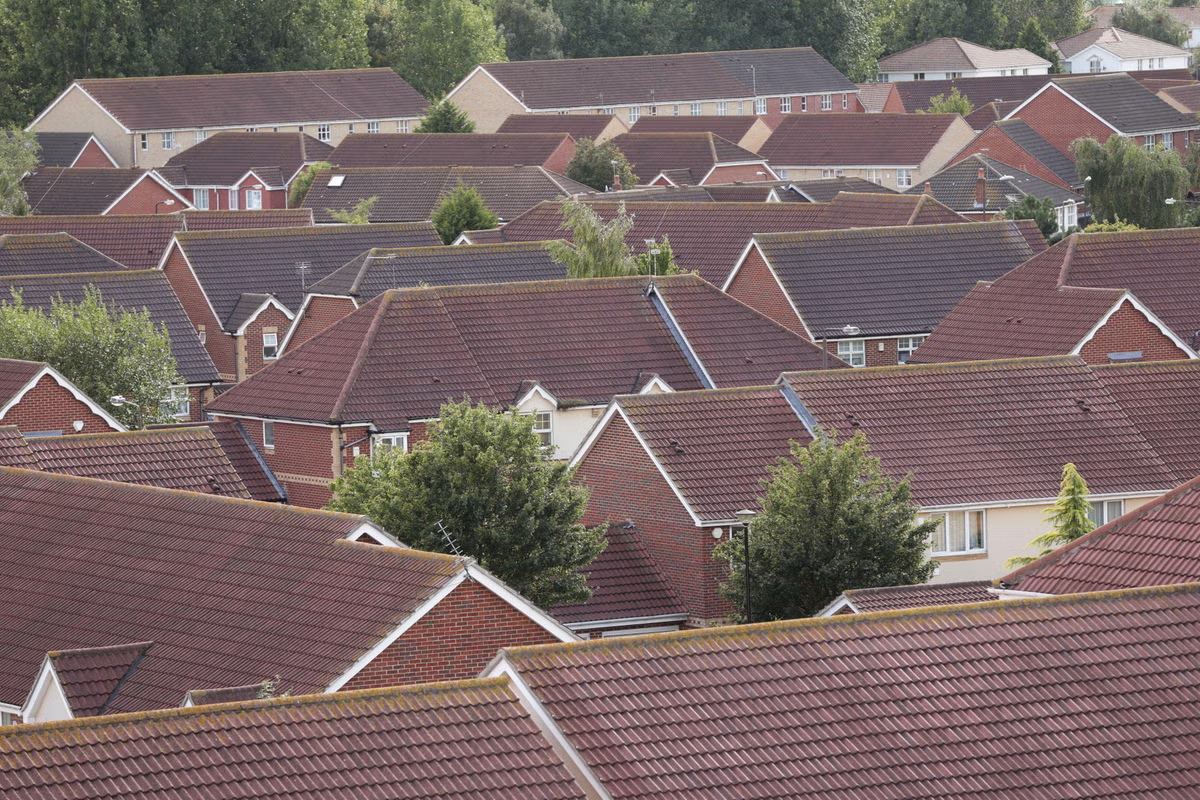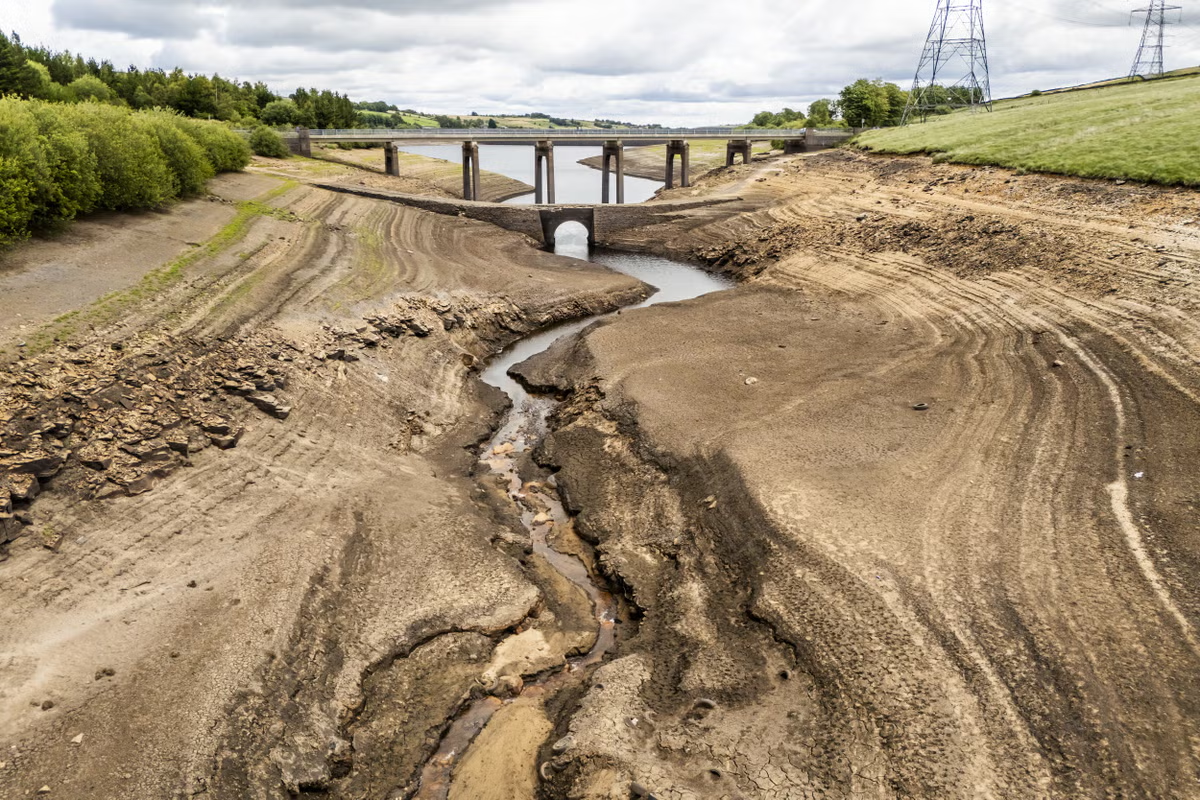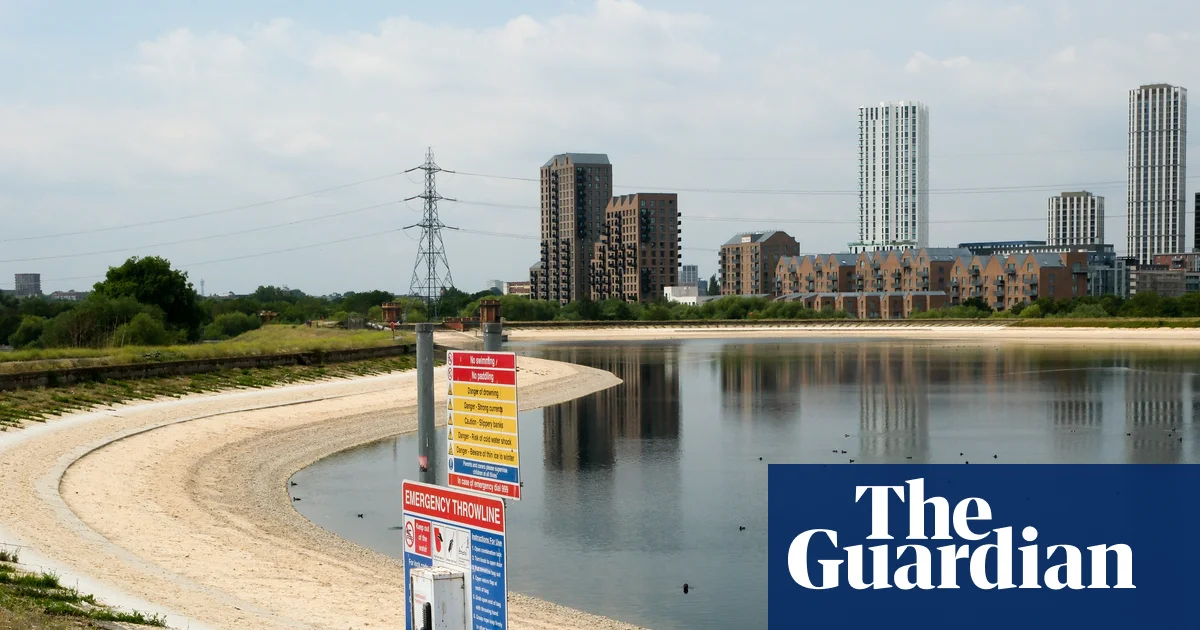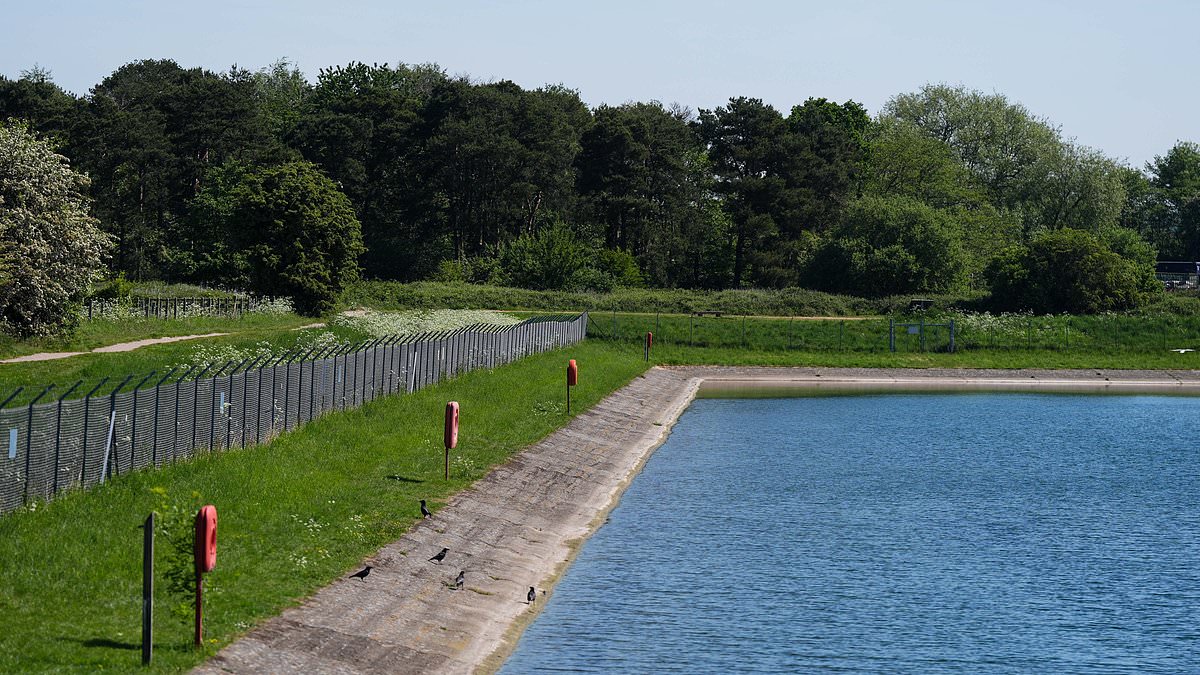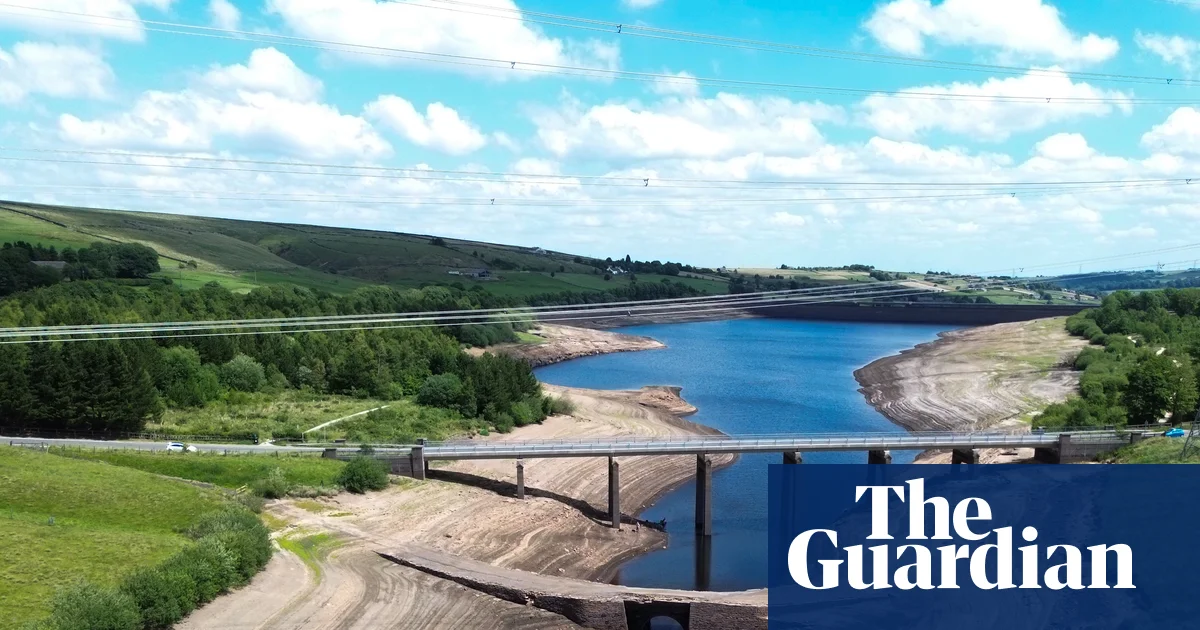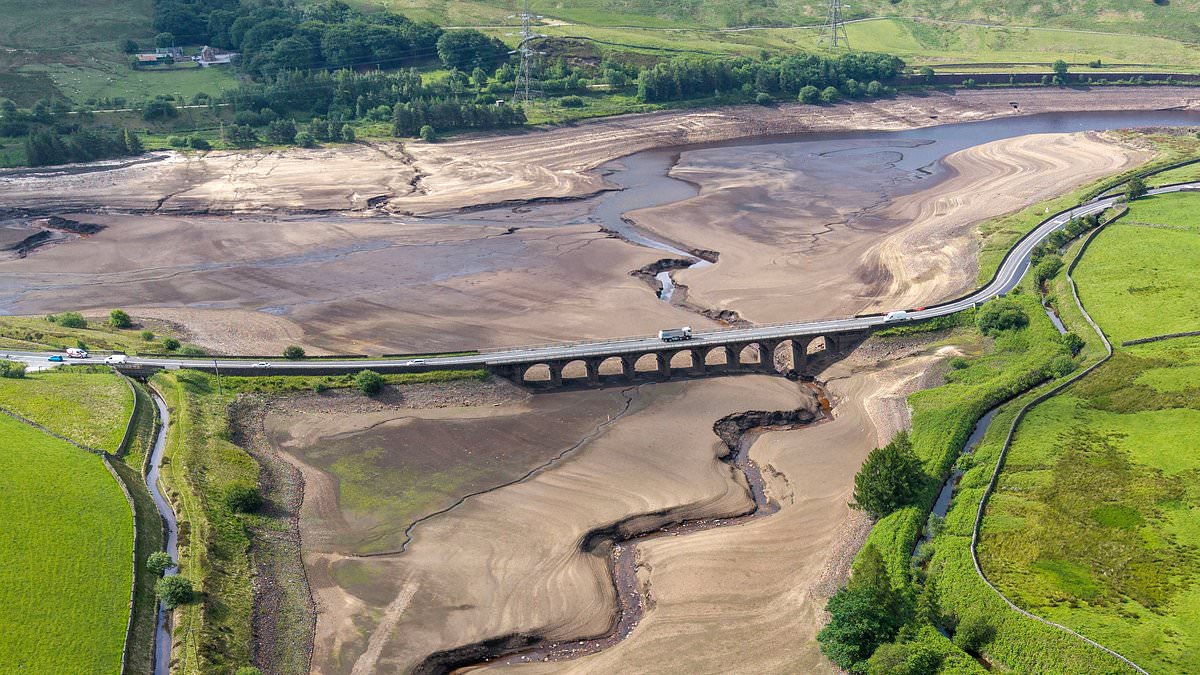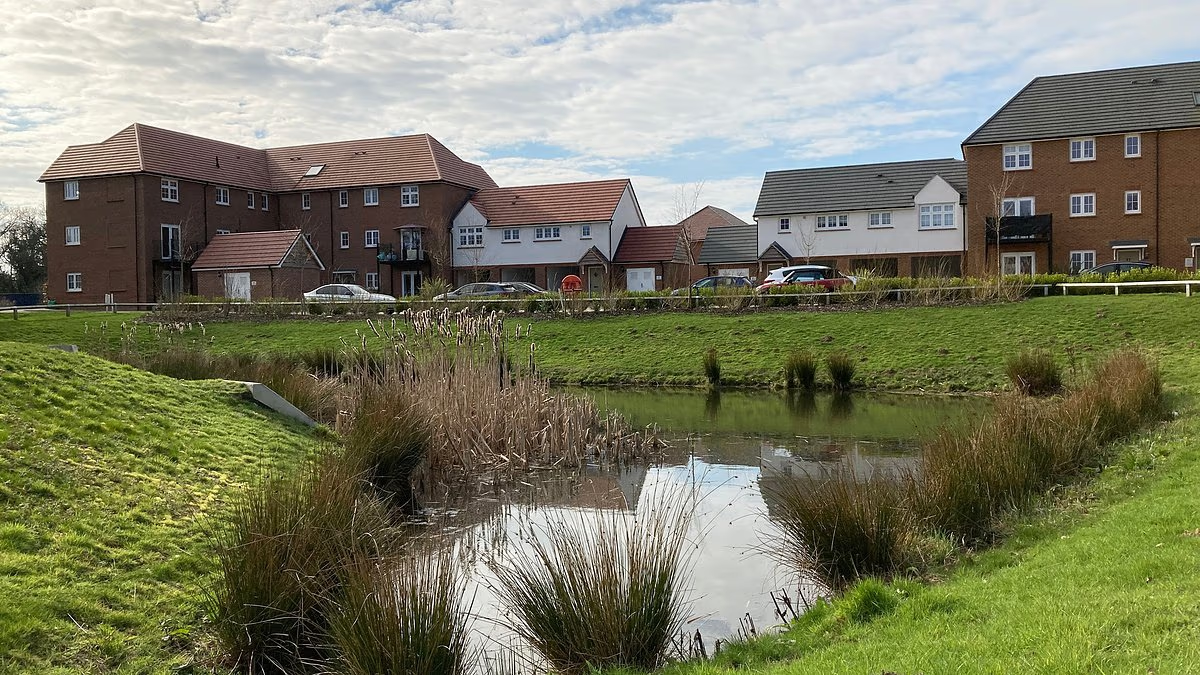
England only has enough water for 420,000 of the Government's target of 1.5million homes, the trade association for the water industry claims.Water UK says there is simply not enough spare water to accommodate new housing plans.Its analysis found in some parts of the country there is only a 2 per cent buffer between what is available and what is used.Household water use is also falling more slowly than government targets assume, according to Water UK.It is also projecting business demand to rise as water-intensive industries such as data centres come online. Data centres are excluded from the Environment Agency's National Framework for water resources, meaning their additional demand for water isn't currently accounted for in water resource planning. Shortage: Independent analysis estimates England will only have enough water for 420,000 of the 1.5 million homes the Government has pledged to deliver this ParliamentYet government targets force water companies to plan on the basis that business demand will fall by 9 per cent by 2037-38. Water UK believes that assumptions about demand reduction should reflect real-world experience and not be unreasonably optimistic.The impending water shortage is in part due to an arduous regulatory system, according to David Henderson, chief executive of Water UK.Past governments have blocked applications to build new reservoirs, while planning rules continue to slow down new water infrastructure.The last reservoir created in England was in 1992, located in Derbyshire.New water resources, such as reservoirs, can only be designed on the basis that people and businesses use much less water than they actually do. Rules also prevent companies from building to meet future demand like the growing use of water by data centres.'We desperately want to be able to provide enough water for new housing, but are being held back by a regulatory system that makes building new reservoirs much slower than it should be and unrealistic optimism about how much water people will use in the future,' said Henderson.'The fix is in the government's gift and most of it doesn't need new legislation.'One solution, according to Henderson, would be granting water schemes the same fast-track planning route used for the theme park, Universal Studios.At the start of the year, the government issued a fast-track Special Development Order (SDO) to the site in Bedfordshire, bypassing standard local planning procedures and cutting its process from two years to six months.He also suggests instructing Natural England and the Environment Agency to use available scientific evidence rather than demanding unnecessary additional assessments based on hypothetical risks.Keeping bills low causes lack of future investment Average water bills in England and Wales rose by 26 per cent in April 2025 - a necessary burden to help deliver vital new water infrastructure, according to Water UK.It marks a change from what was happening before. Between 2010 and 2024, the water regulator, Ofwat, cut water bills by around 20 per cent in real terms (factoring in inflation). Water UK estimates that had average water and wastewater bills kept pace with inflation during that period, they would have been £110 - or 25 per cent higher in 2024. Keeping bills below inflation meant the industry missed the opportunity to finance an additional £100billion of investment, according to Water UK, at a time when interest rates were at record lows. It says that while households saved money in the short-term, this has left the country unable to keep up with the pressures of climate change, population growth and new businesses.Having had their bills rise by so much in one year, people will expect infrastructure to be built on time and to budget. Unfortunately, both are at risk, according to the trade association.In a separate report it states: 'Our planning system is inefficient, expensive and legally risky. 'Equally, environmental law imposes unnecessary constraints which jeopardises even the most essential infrastructure. 'Only government has the power to remove these barriers to delivery.'Best mortgage rates and how to find them Mortgage rates have shot up again due to inflation triggered by the conflict with Iran reversing hopes that the Bank of England would cut rates. This means those remortgaging or buying a home face higher costs.That makes it even more important to search out the best possible rate for you and get good mortgage advice, whether you are a first-time buyer, home owner or buy-to-let landlord.This is Money's partner L&C can help you with its fee-free mortgage service.> Compare mortgage rates> Find the right mortgage for you To help our readers find the best mortgage, This is Money has partnered with the UK's leading fee-free broker L&C.This is Money and L&C's mortgage calculator can let you compare deals to see which ones suit your home's value and level of deposit.You can compare fixed rate lengths, from two-year fixes, to five-year fixes and ten-year fixes.If you’re ready to find your next mortgage, why not use This is Money and L&C’s online Mortgage Finder. It will search 1,000’s of deals from more than 90 different lenders to discover the best deal for you.> Find your best mortgage deal with This is Money and L&C Mortgage service provided by London & Country Mortgages (L&C), which is authorised and regulated by the Financial Conduct Authority (registered number: 143002). The FCA does not regulate most Buy to Let mortgages. Your home or property may be repossessed if you do not keep up repayments on your mortgage.
Lack of water risks blocking more than a million new homes
England only has enough water for 420,000 of the Government's target of 1.5m homes, the trade association for the water industry has revealed.
890 words~4 min read