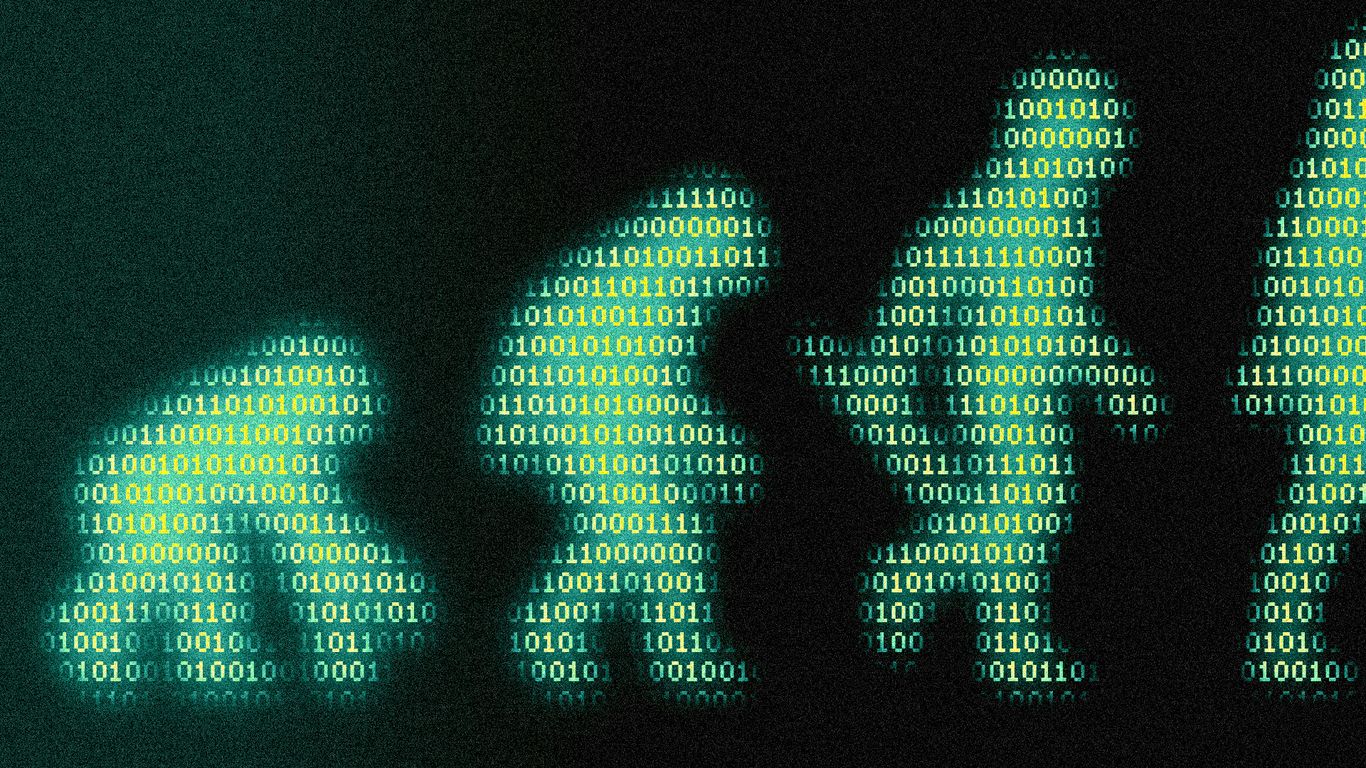
A few years ago, if someone had asked me who I was building software for, my answer would have been straightforward. I build software for users. If the product exposed an API or SDK, then I also built it for developers. That was the relationship we had with software for decades. Users interacted with interfaces, developers integrated systems, and engineering teams focused on making both experiences as seamless as possible.
Today, I don't think that answer is complete anymore.
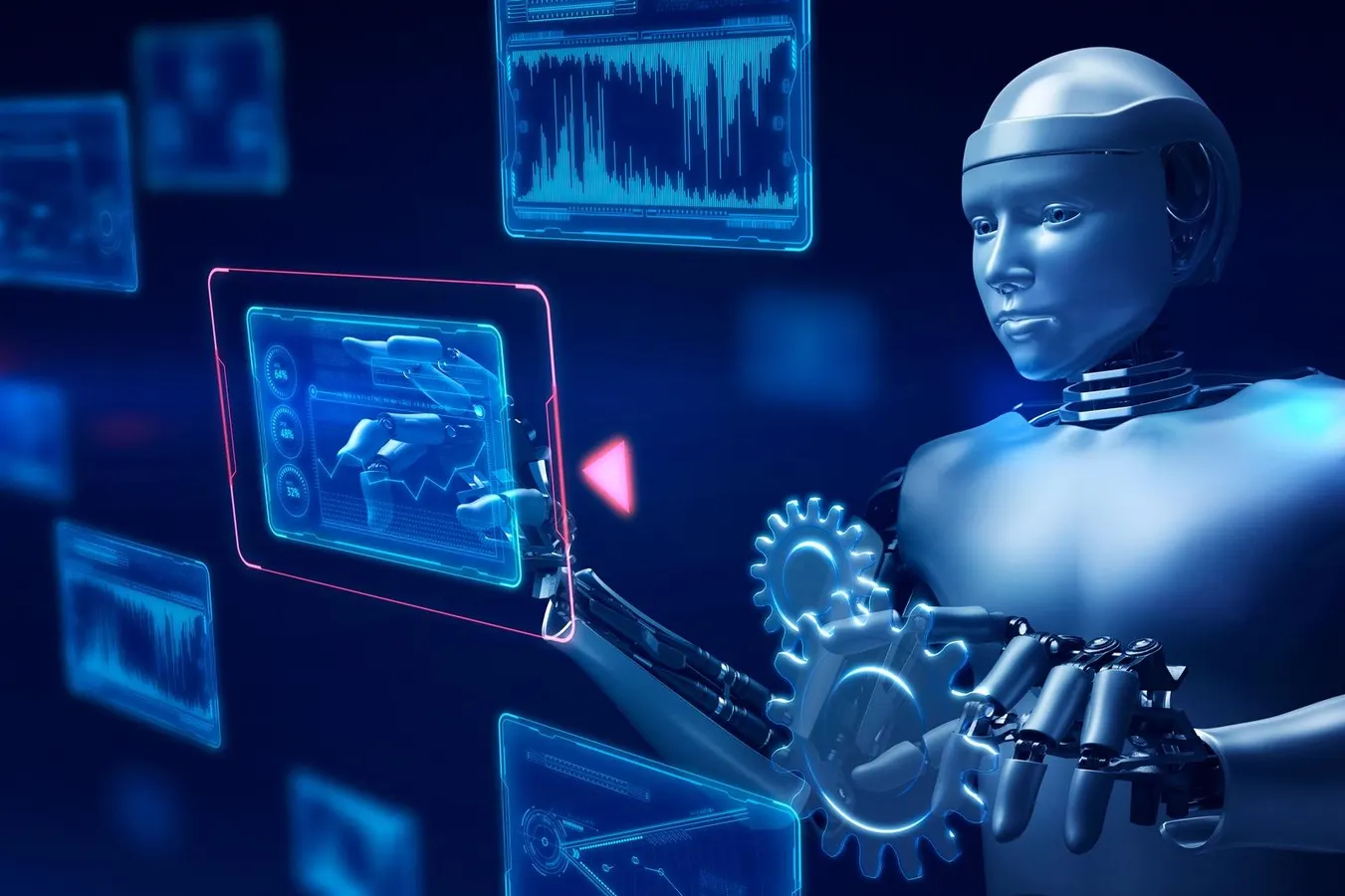
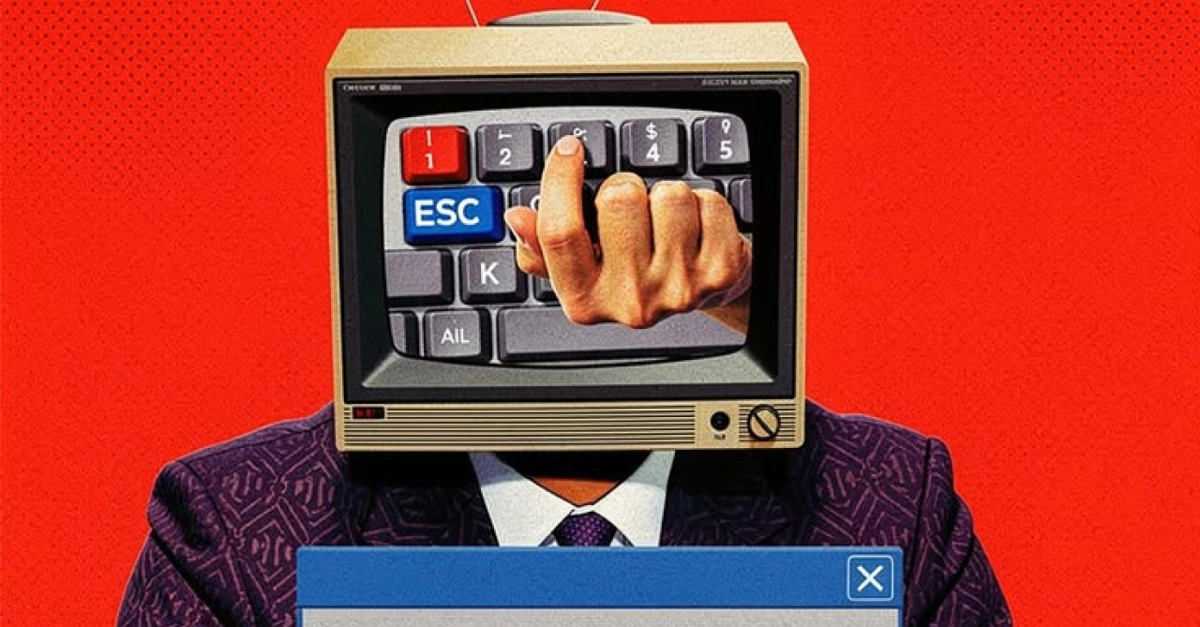
Over the past year, I've noticed something quietly changing across the software industry. More and more products are no longer being used exclusively by people. Increasingly, they're being consumed by AI. Sometimes it's an AI coding assistant reading your documentation before another engineer opens it. Sometimes it's an autonomous workflow deciding whether your API is reliable enough to integrate. Other times it's a browser agent navigating your application to complete repetitive business tasks without anyone clicking through the interface manually.
It's an interesting shift because it introduces a new audience that most of us never consciously designed for. We spent years refining User Experience (UX) to help people accomplish tasks more easily, and we invested heavily in Developer Experience (DX) so engineers could build integrations with minimal friction. Now there is a third audience entering the conversation, and unlike the other two, it doesn't care how beautiful your interface looks or how polished your landing page feels. It only cares whether your software is understandable, predictable, and trustworthy.