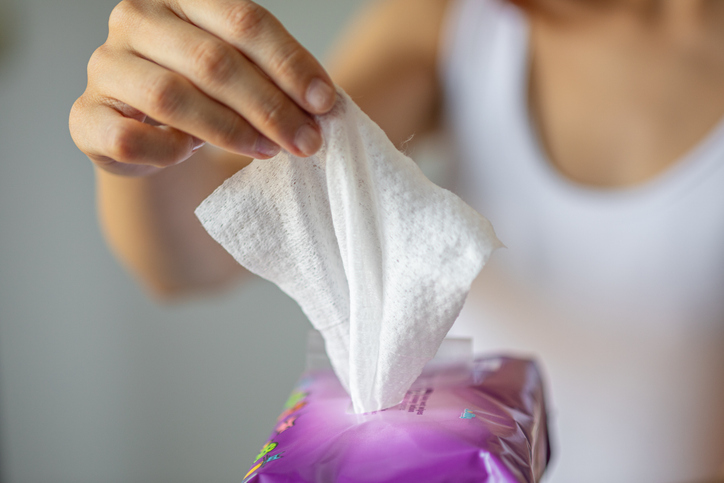
A producer of bio-based wet wipes says they have high hopes for the upcoming Biotech Act 2.0, but it needs to be ambitious to stimulate investment and market uptake for bio-based products
The European Commission is preparing a new bioeconomy act to implement its bioeconomy strategy published last year. The aim is to bridge several delivery gaps, creating regulatory sandboxes, fast-track authorisations and market-pull measures to scale up biomanufacturing and secure sustainable biomass supply.
The strategy is meant to fit within wider goals for strategic autonomy, feedstock availability, and competitiveness by reducing Europe’s dependence on imports.
One company in the bioeconomy is Lenzing Group, which produces regenerated cellulose fibres for the textile and nonwoven industries. Euractiv asked the group’s CEO, Georg Kasperkovitz and its executive vice president for commercial nonwovens, Patricia A. Sargeant, how bio-based products can fit into the EU’s wider goals and what they hope to see from the new act.
EV: The bioeconomy has been a major focus in Brussels for some time, with extensive discussion on how to stimulate the market for bio-based products. Lenzing has an interesting story of how a change in UK policy stimulated the market for wet wipes produced from cellulosic fibres. What are the benefits of these, and how did the change in UK policy impact the market for such products?