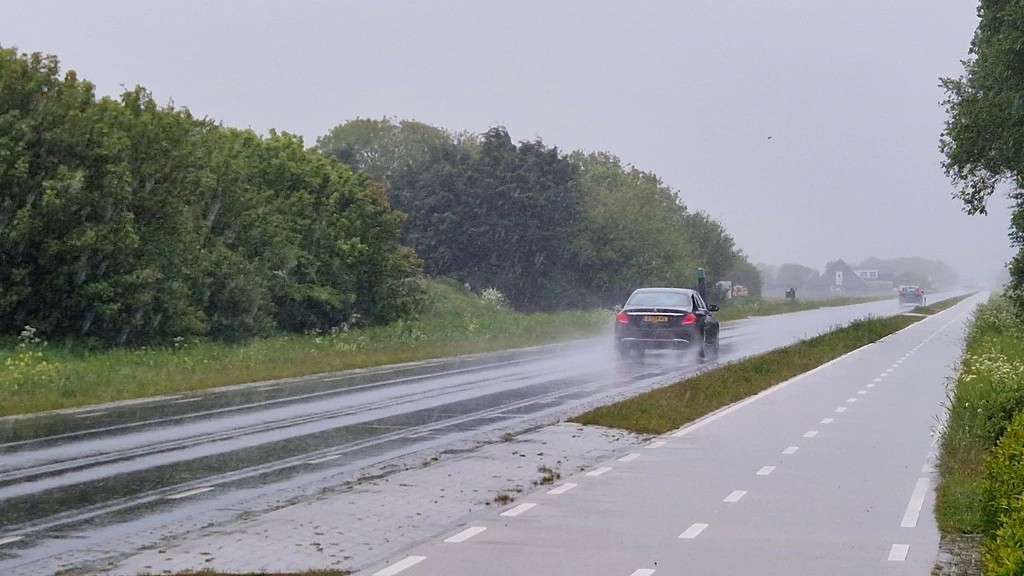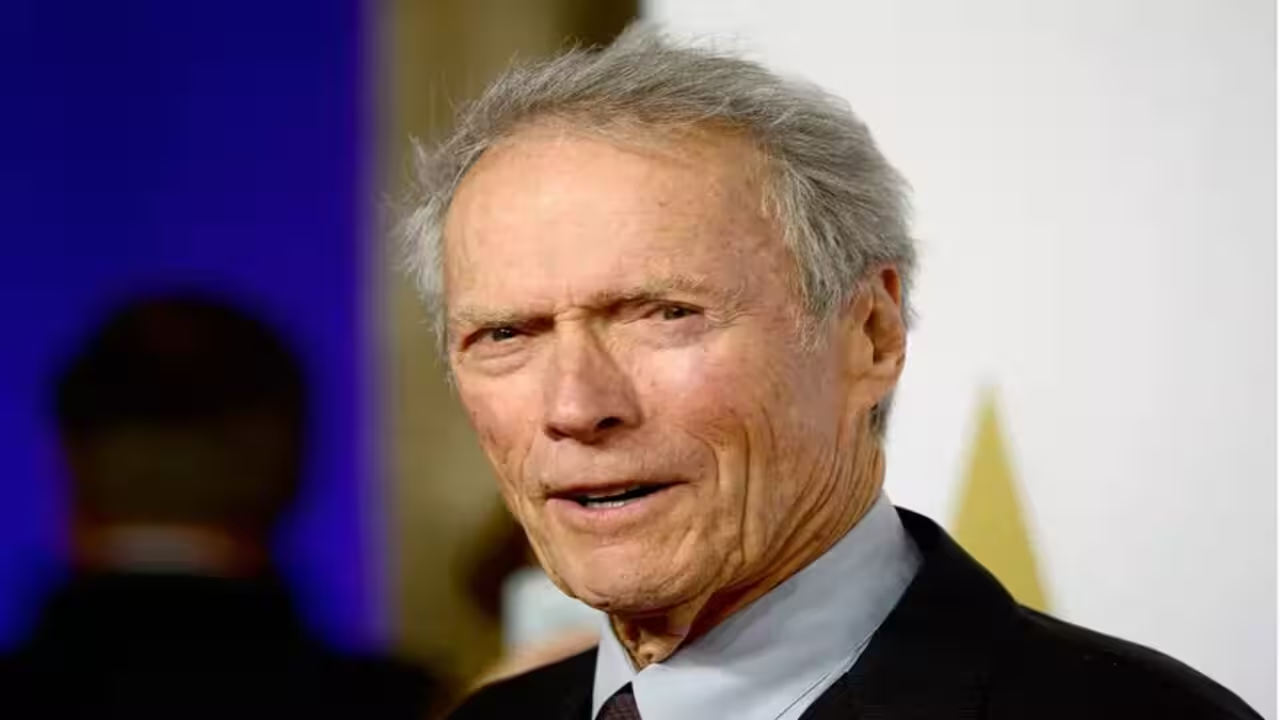
Quote of the day by Clint EastwoodA forecast does not change the weather, but it can change the way people experience the day. Someone convinced that rain is coming notices every dark cloud, every gust of wind and every drop on the pavement, while another person walks the same streets paying attention to everything except the sky. Clint Eastwood's remark is built around that simple image. He is not claiming that thoughts possess magical powers or that optimism alone can alter reality. The quote points instead to something far more familiar: expectations influence where attention goes, and attention gradually shapes experience.Eastwood has spent more than six decades in the public eye as an actor and filmmaker, earning a reputation for characters who observe more than they speak. The quotation reflects that same understated way of looking at the world. It has appeared in interviews discussing confidence, ageing and the importance of attitude, where Eastwood suggested that people frequently carry their expectations into situations before anything has actually happened. Once those expectations settle in, they begin colouring the way events are interpreted.Seeing what we expect to seePsychologists have long studied this tendency. Confirmation bias, one of the most widely recognised findings in behavioural science, describes the human habit of noticing information that supports existing beliefs while overlooking details that point in another direction. The process usually happens without conscious effort. Someone who believes a meeting will go badly may remember every awkward silence while forgetting the parts that went smoothly. A person convinced that strangers are unfriendly is more likely to notice a cold expression than an unexpected act of kindness.The same pattern appears throughout history. Explorers searching for evidence to support a theory sometimes interpreted unfamiliar landscapes through assumptions they already held. Investors caught up in financial bubbles paid close attention to signs that prices would continue rising while dismissing warnings that the market had become dangerously inflated. Expectations did not create those events, but they shaped the evidence people considered important enough to believe.Eastwood's image of rain works because everyone understands it instinctively. Looking anxiously at the sky does not bring a storm any closer, though it can make the entire day feel as if the weather has already turned.Expectations can become habitsThe quote also explains why outlook is built over time rather than in a single moment. Expectations rarely appear out of nowhere. They develop through previous experiences, conversations, disappointments and successes, gradually becoming habits of thought. Someone who has repeatedly faced rejection may begin approaching every new opportunity expecting another refusal. Another person whose efforts have been rewarded is more likely to assume that persistence will eventually produce results.Neither outlook guarantees what will happen next. Life remains unpredictable, and Eastwood's words should not be read as an argument that people simply attract whatever they imagine. Reality has a habit of ignoring personal expectations. What the quotation does suggest is that expectation influences preparation, confidence and behaviour, all of which affect the way opportunities are recognised and challenges are handled.Eastwood's own career illustrates that point. During the 1970s and 1980s, many critics dismissed him as an actor whose success depended on a single screen persona. Rather than chasing approval or reinventing himself to satisfy prevailing opinion, he continued directing films that matched his instincts. Over time, works such as Unforgiven, Mystic River and Million Dollar Baby established him as one of Hollywood's most respected filmmakers. His career was shaped less by outside expectations than by the standards he chose to follow himself.Why the quote still mattersModern life provides endless reasons to expect the worst. News travels instantly, social media amplifies conflict and predictions about the future compete constantly for attention. Under those conditions, it becomes surprisingly easy to mistake expectation for certainty. A possibility begins to feel like an outcome before events have even unfolded.That is where Eastwood's remark continues to resonate. It encourages readers to examine not the weather outside but the forecast they carry in their own minds. Expectations will always influence the way people interpret the world, but they do not have to dictate it. Looking at the sky is sensible; deciding the storm has already arrived is something else entirely. The difference between those two responses may be smaller than Eastwood's sentence suggests, though it shapes the way countless ordinary days are remembered.
Quote of the day by Clint Eastwood: ‘If you think it's going to rain, it will,’ and how expectations shape the way people experience the world
A forecast does not change the weather, but it can change the way people experience the day. Someone convinced that rain is coming notices every dark cloud, every gust of wind and every drop on the pavement, while another person walks the same streets paying attention to everything except the sky.
719 words~3 min read