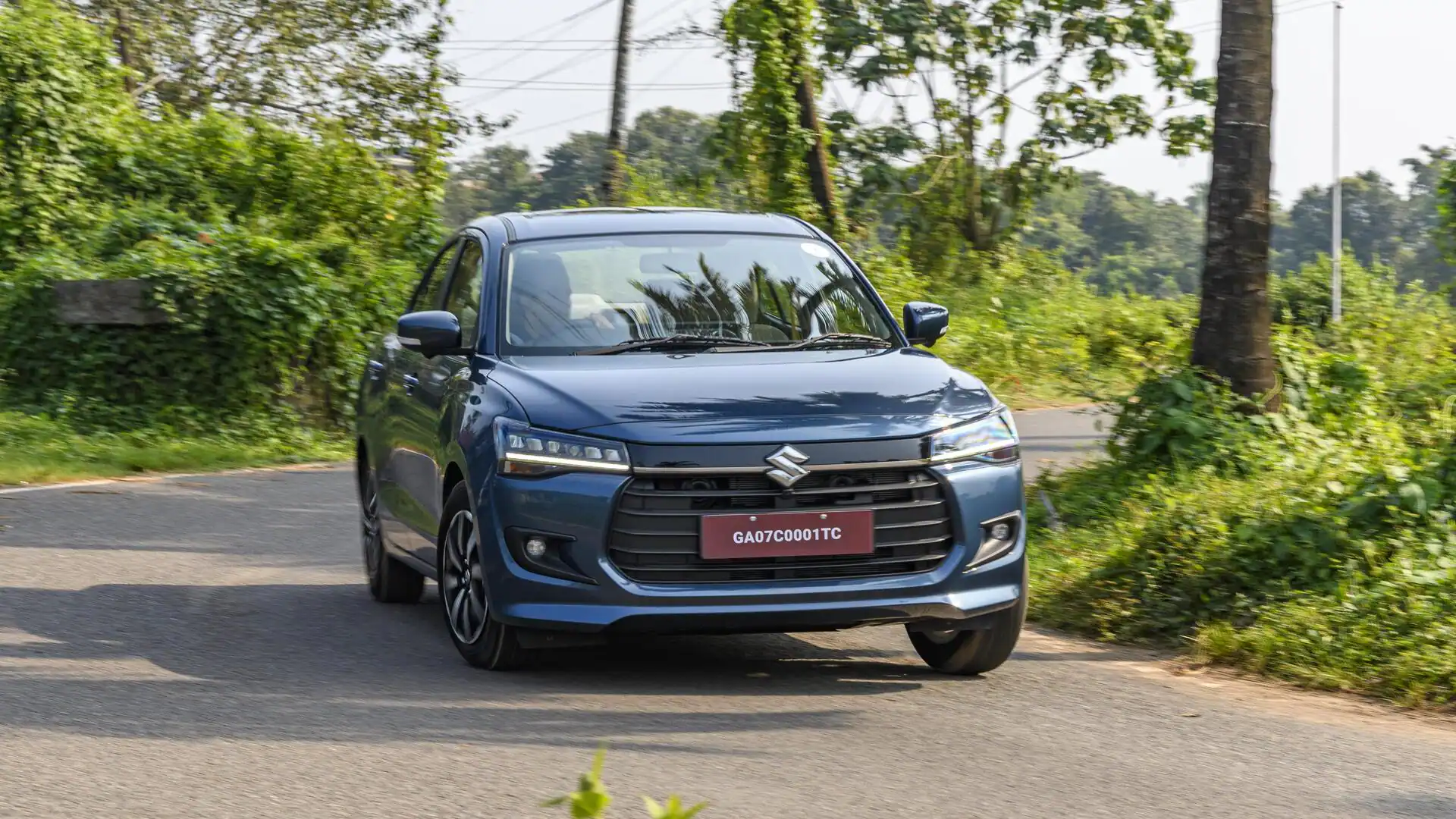
For about four decades, Suzuki cars have been a fixture on Indian roads.
By relentlessly keeping prices and operating costs low, the Japanese automaker helped millions buy cars, while hatchbacks made by its Indian unit, Maruti Suzuki, accounted for between half and four-fifths of the country's new car sales in recent decades.
But as Indians got richer, they gravitated to bigger and flashier rides – and the automaker's emphasis on affordability started to become a drag. Maruti Suzuki's share of the world's third-largest auto market now lingers at around 39%, near an all-time low.
Suzuki's struggles reflect how cost-sensitive managers in Japan were slow to adapt to the changing tastes of newly affluent Indians, four people familiar with its business told Reuters. Executives, the people said, for years felt that demand for sunroofs, advanced technology and SUVs hadn't trumped questions of affordability for Indians.
It marks the first report that details the deliberations between Indian and Japanese executives at Suzuki as they struggled to pivot beyond a long-successful strategy that emphasized value before almost everything else.