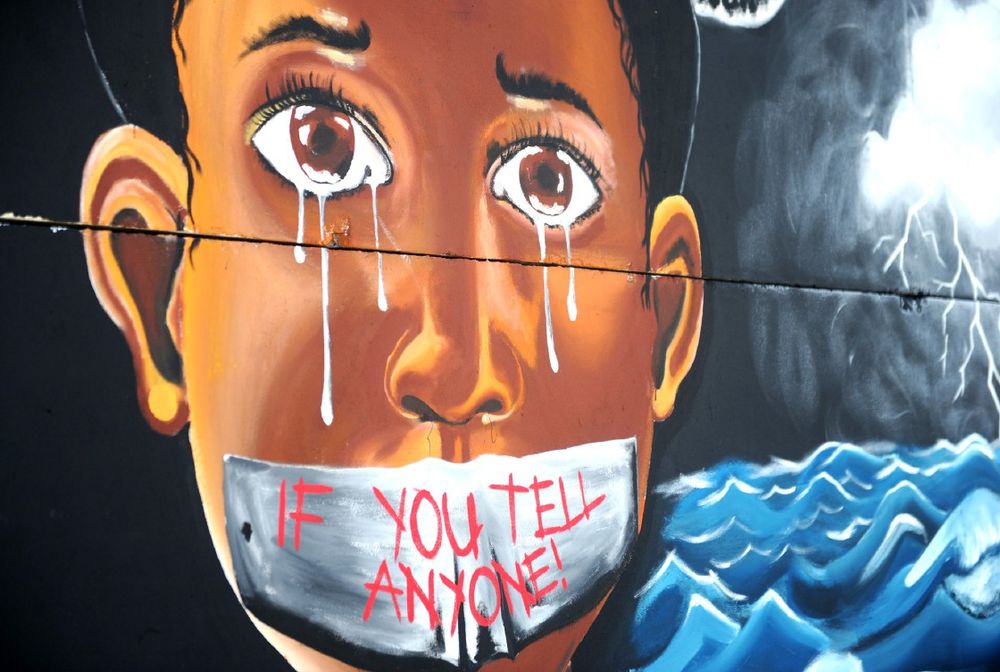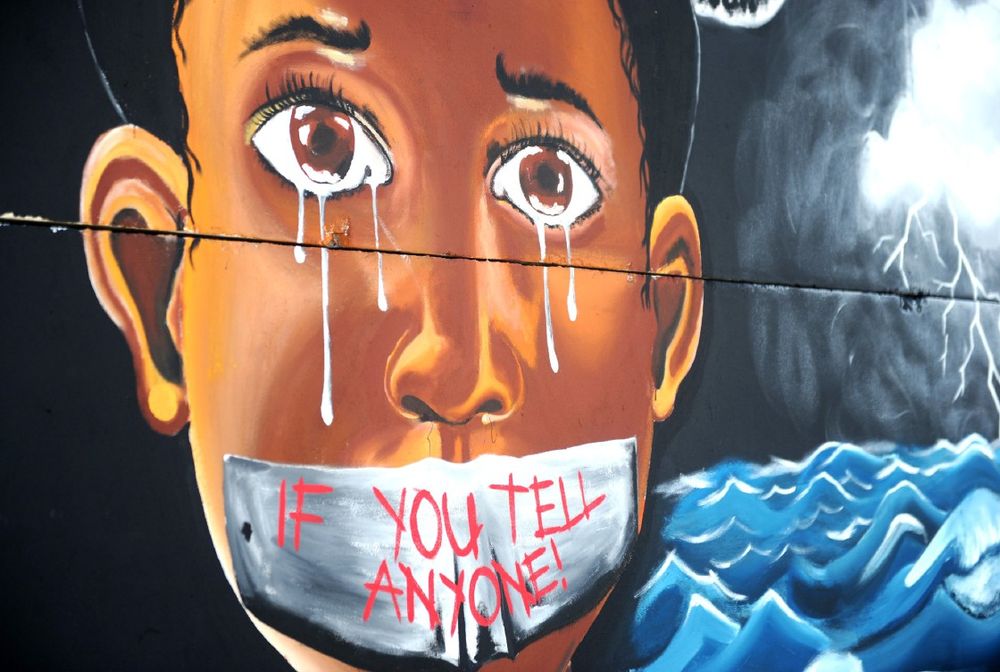
Zenizole Vena's tragic story reveals a systemic failure in South Africa's response to child sexual abuse. As Parliament begins to confront these issues, can this enquiry become a turning point for the protection of our children?
In September 2022, South Africans awoke to a story that was almost too painful to comprehend. Fifteen-year-old Zenizole Vena from Motherwell in Gqeberha had allegedly endured four days of captivity during which she was repeatedly gang raped. Somehow, she escaped. Bleeding, vomiting, and suffering seizures, she did what every child is taught to do in moments of danger: she sought help from the state. Yet when she arrived at a local clinic, she was allegedly told that she first needed to report the matter to the police. She never made it. She collapsed before reaching the police station and later died.
Zenizole's story exposed something far greater than the failures of one clinic or one group of perpetrators. It exposed a state whose institutions remain dangerously fragmented in their response to child sexual abuse. Three years later, Parliament has finally begun asking the questions that should have been asked long before Zenizole's death. The Parliamentary Enquiry into Statutory Rape, initiated after a motion introduced by the Economic Freedom Fighters (EFF) in August 2024, has forced the country to confront the disturbing that South Africa does not simply have a statutory rape problem. It has a systemic failure to identify, investigate, and prosecute the sexual exploitation of children.