What can we learn from the enduring civilisations of the world? Armstrong Williams explores the moral and spiritual lessons that transcend time and geography.
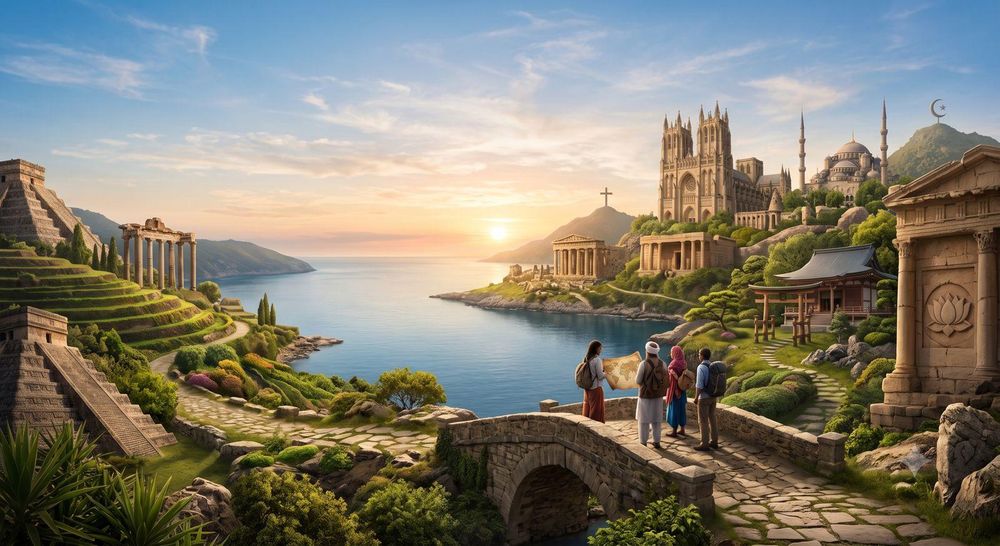
There is something profoundly humbling about standing thousands of miles from home. Whether overlooking the Mediterranean, walking through the ruins of an ancient civilisation, standing beneath the soaring arches of a centuries-old cathedral, reflecting on the quiet beauty of the French Riviera, or standing on the windswept shores of South Africa where history’s deepest wounds and greatest triumphs still echo, one truth becomes unmistakably clear: humanity changes remarkably little.
Technology advances. Empires rise and fall. Borders are redrawn. Languages evolve. We build taller buildings, faster machines, and more powerful weapons. Yet the fundamental struggles of the human heart remain much the same as they were thousands of years ago.
My travels have taken me from the cathedrals of Europe to the landscapes of South Africa, where Robben Island stands as a sobering reminder of both man’s capacity for injustice and the extraordinary power of forgiveness. Few places illustrate more clearly that history is not merely about oppression or victory, but about the moral choices individuals make when confronted with suffering, hatred, and hope.