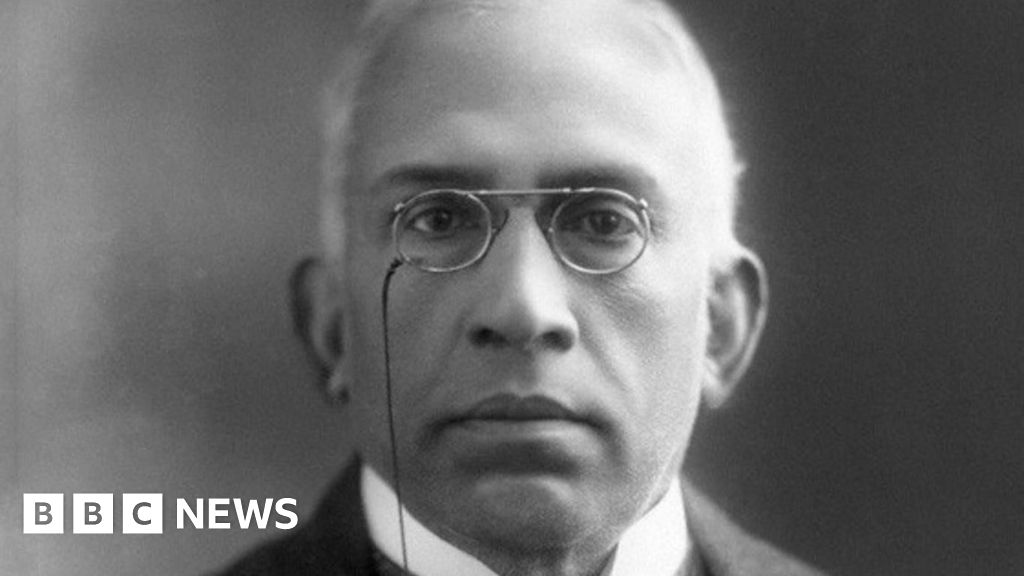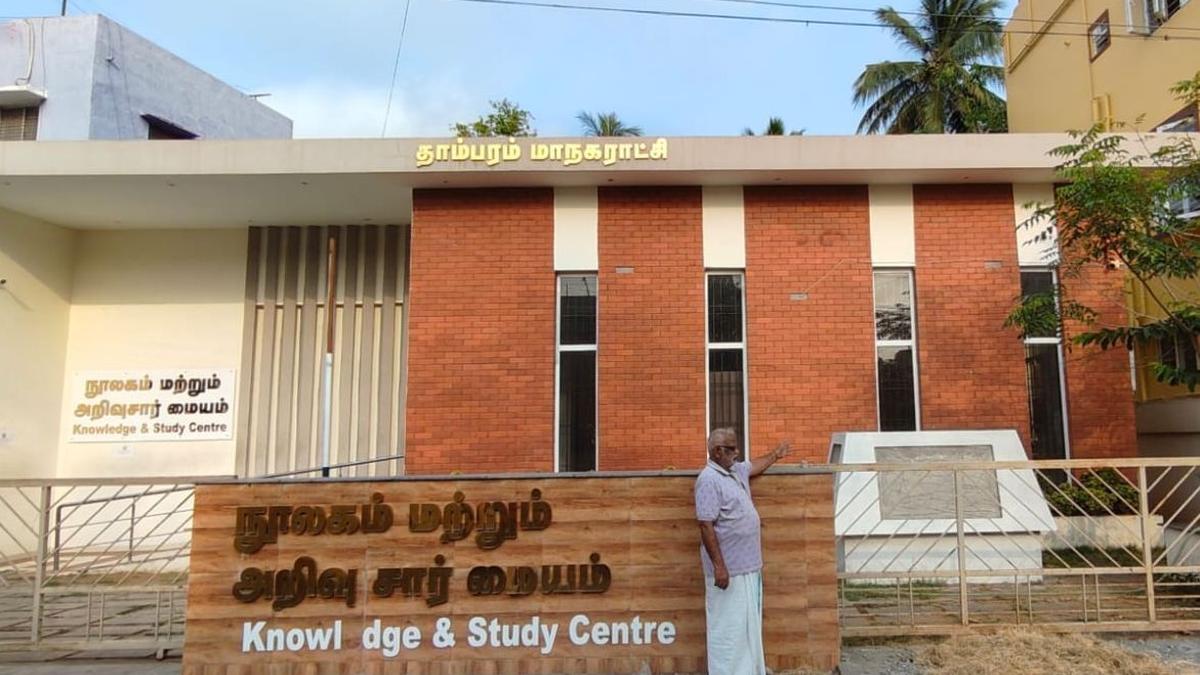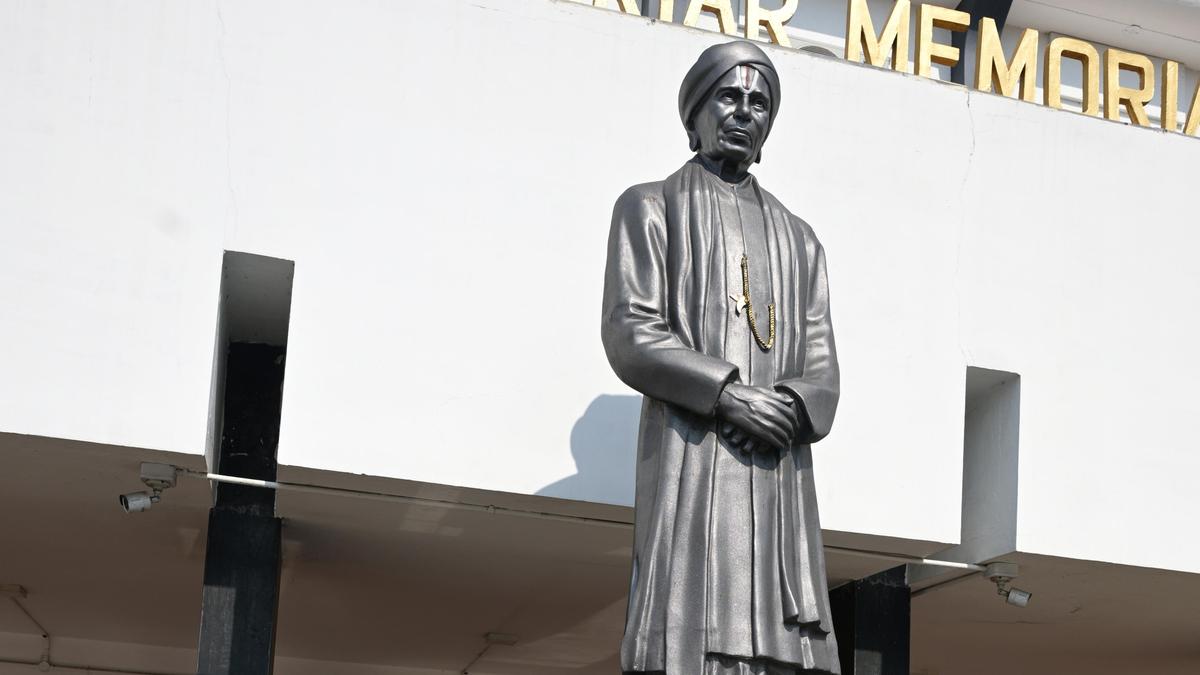
Courage undaunted: The statue of C. Vijiaraghavachariar at the C. Vijiaraghavachariar Memorial Library-Public Hall in Salem.
| Photo Credit: E. Lakshmi Narayanan
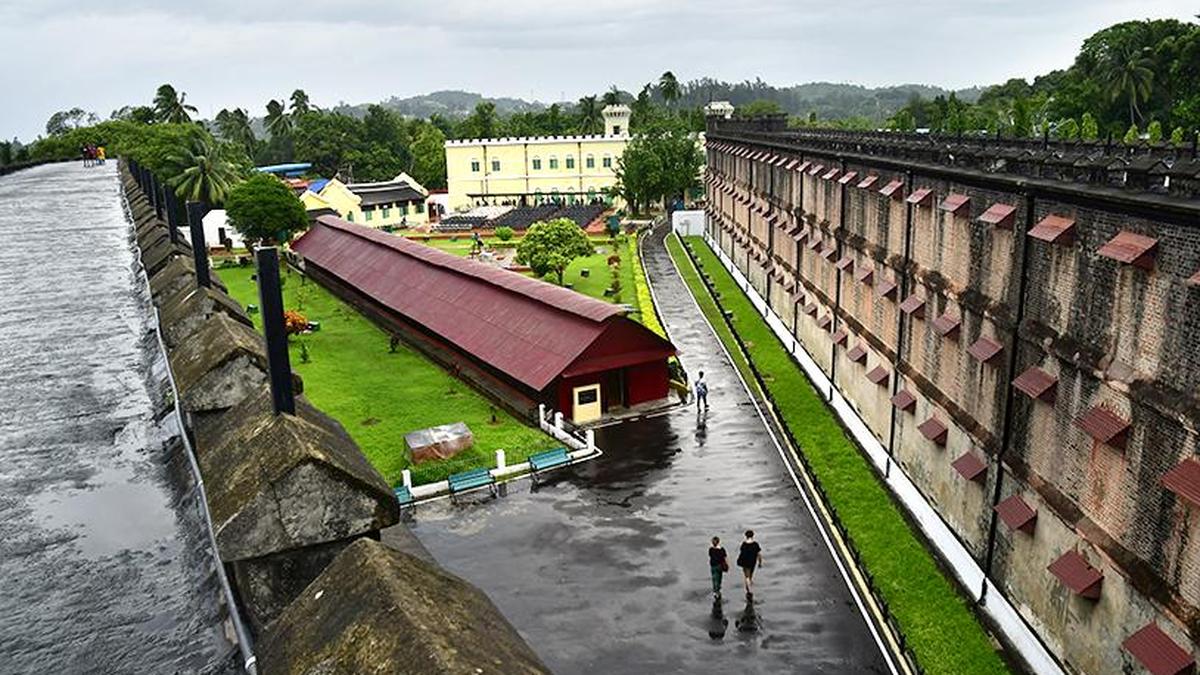
Andamans, notoriously called ‘Kala Paani’ (black water) during colonial rule, served as a penal settlement from the second half of the 19th Century, even before the construction of the Cellular Jail during 1896-1906. Many freedom fighters, including Vaman Rao Joshi, Sohan Singh, Vinayak Damodar Savarkar, Bhai Parmanand, and Nand Gopal had been kept at the jail. What is less known is a prominent Congress leader from Tamil Nadu, Salem C. Vijiaraghavachariar (1852-1944), was ordered to be transported there to serve a 10-year imprisonment. He got it legally rescinded. He was implicated in a case concerning the Salem Hindu-Muslim riots in August 1882 and convicted three months later.“Though thirty and facing many privations, Mr. Vijiaraghavachariar was not daunted by the sentence. He appealed to the High Court of Madras and succeeded in getting his conviction quashed on January 9, 1883, much to the chagrin of the local bureaucrats who had counted on silencing the independent young lawyer,” wrote The Hindu in its obituary on him on April 21, 1944. The report said, “He did not rest with vindicating himself gloriously, but fought for the next two years to get the other accused also released.”Removed from Municipal CouncilVijiaraghavachariar was the first Tamil to become the president of the All India Congress Committee (AICC) at the Nagpur session in 1920. His 82nd death anniversary falls on April 19. His rebellious spirit came to the fore again when the British government removed him from the Salem Municipal Council on the ground that he was “an undesirable person”. He challenged the decision in the High Court and sought damages. He won, and was awarded token damages of ₹100. In his battle against the official establishment, he received enthusiastic support from newspapers such as The Hindu and the Amrita Bazar Patrika. When he died, C. Rajagopalachari (CR or Rajaji), who was junior, recalled the advice of Vijiaraghavachariar to illustrate how sturdily independent his senior was: It was the duty of all practitioners at the Bar not merely to carry on their profession but also to take part in public life and “to stand up for the defence” of people against “any inroads” of the authorities.