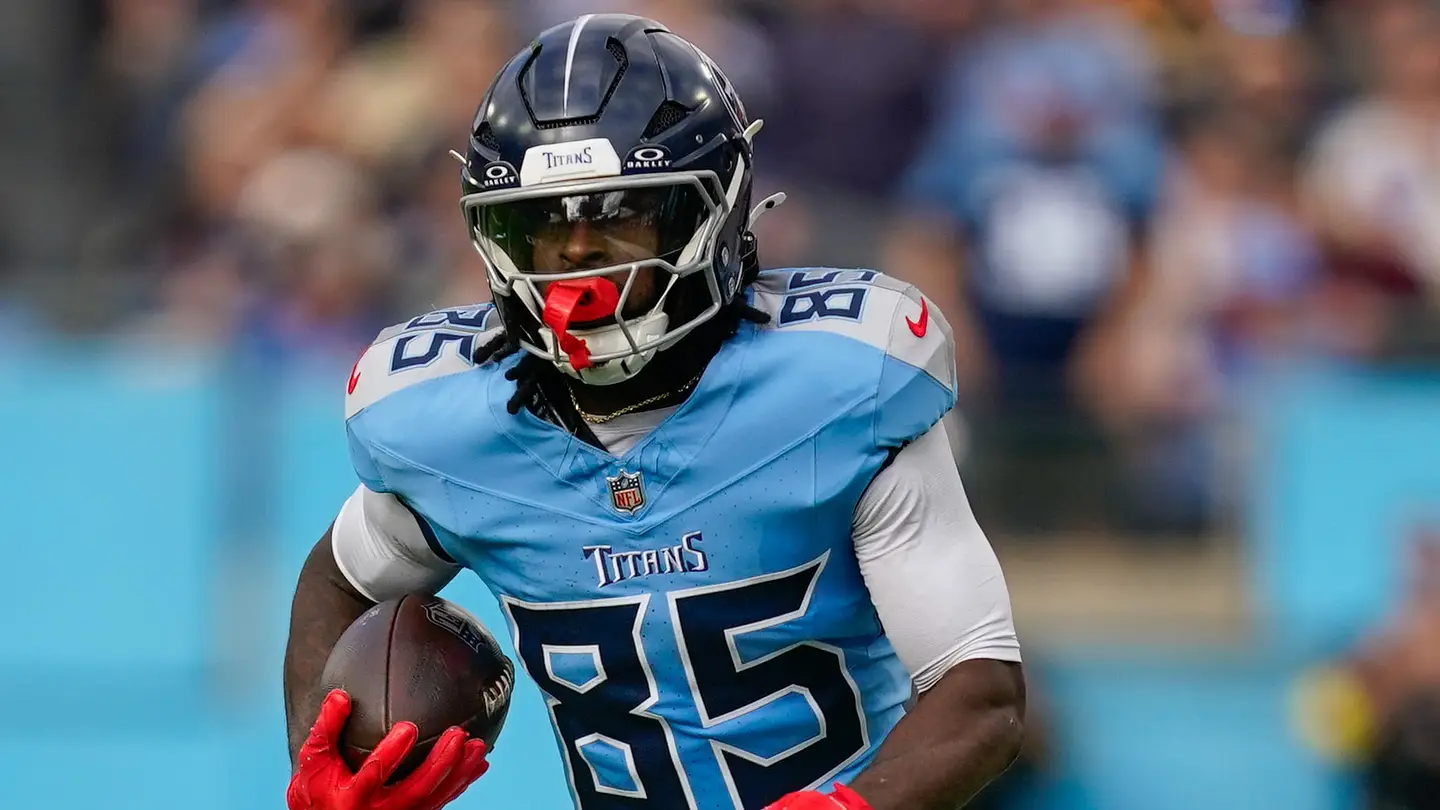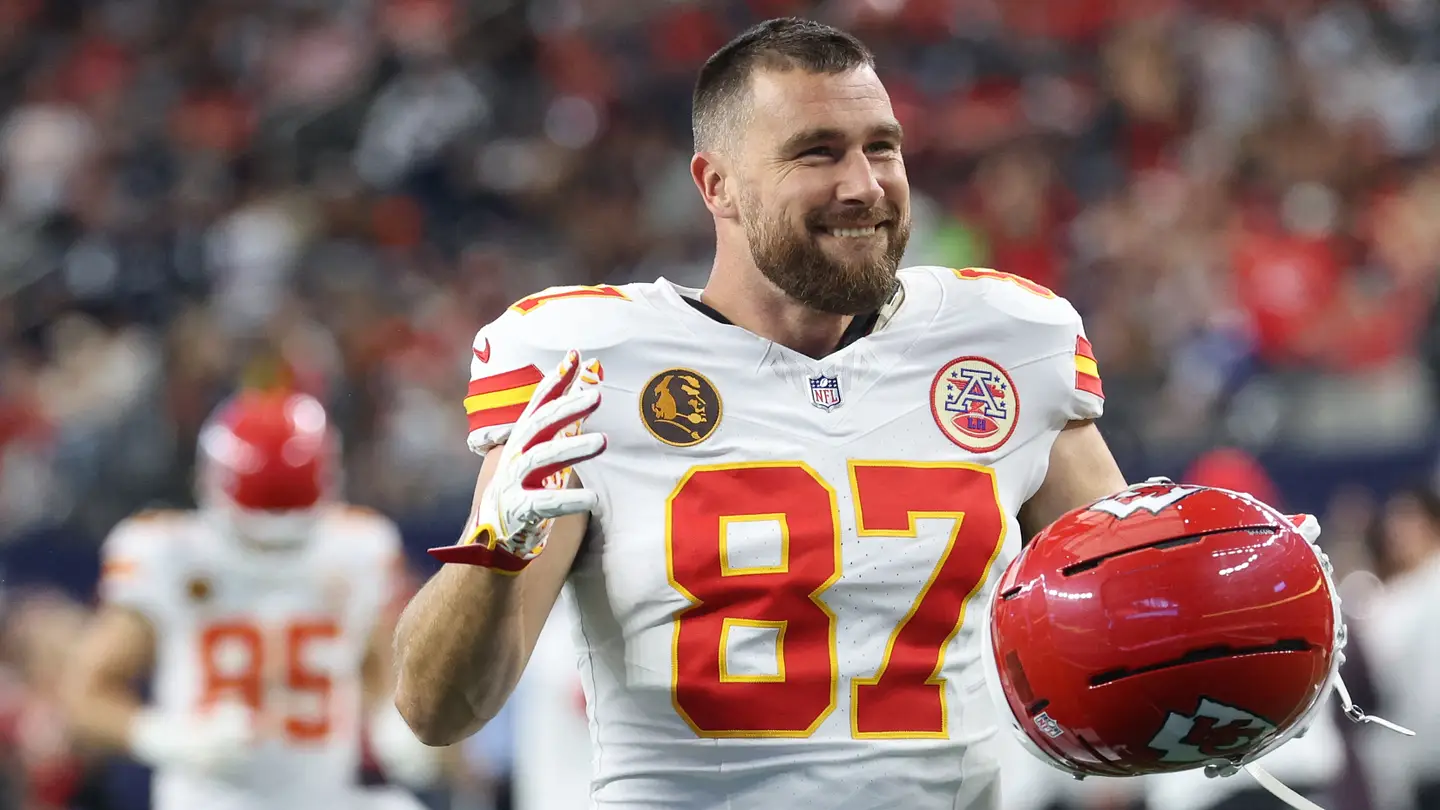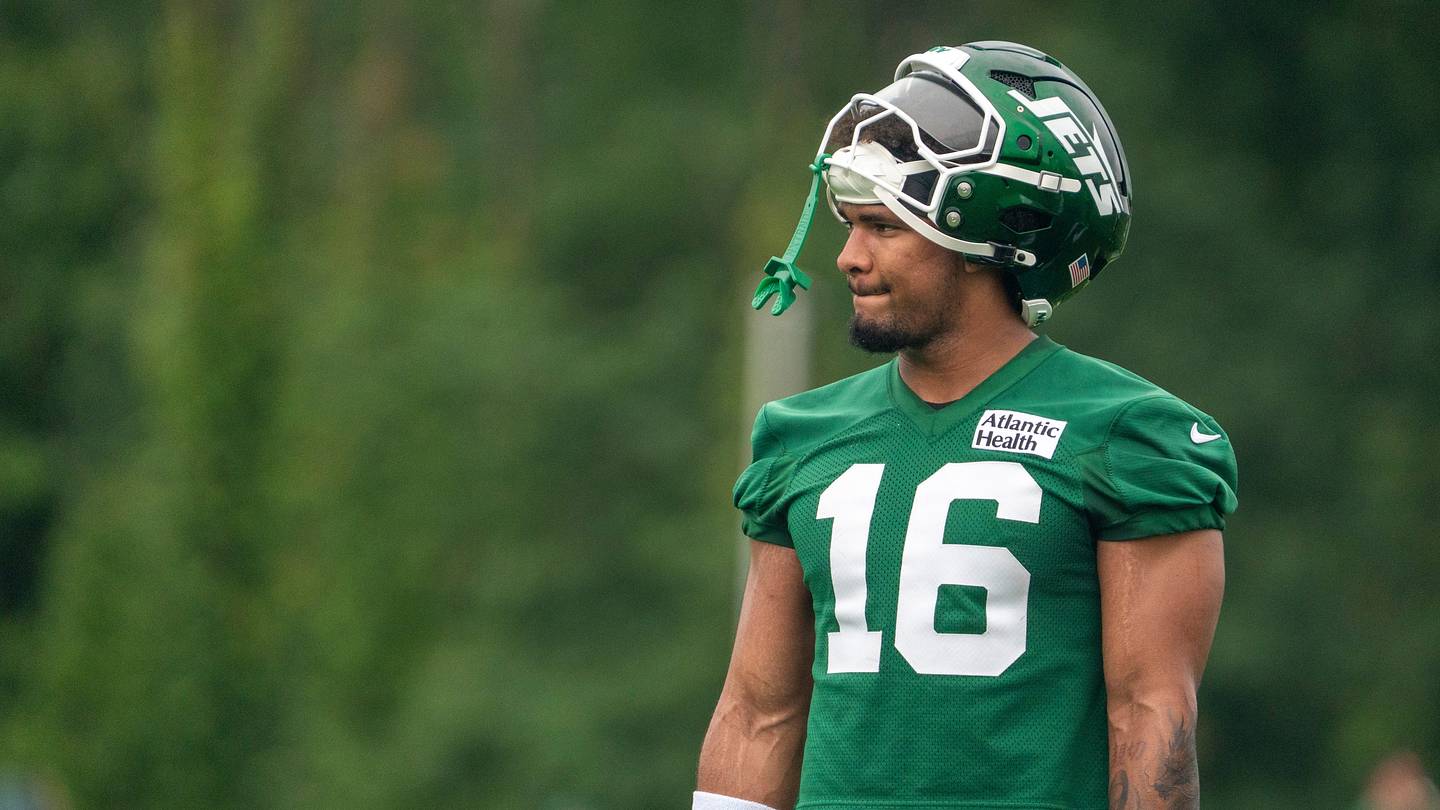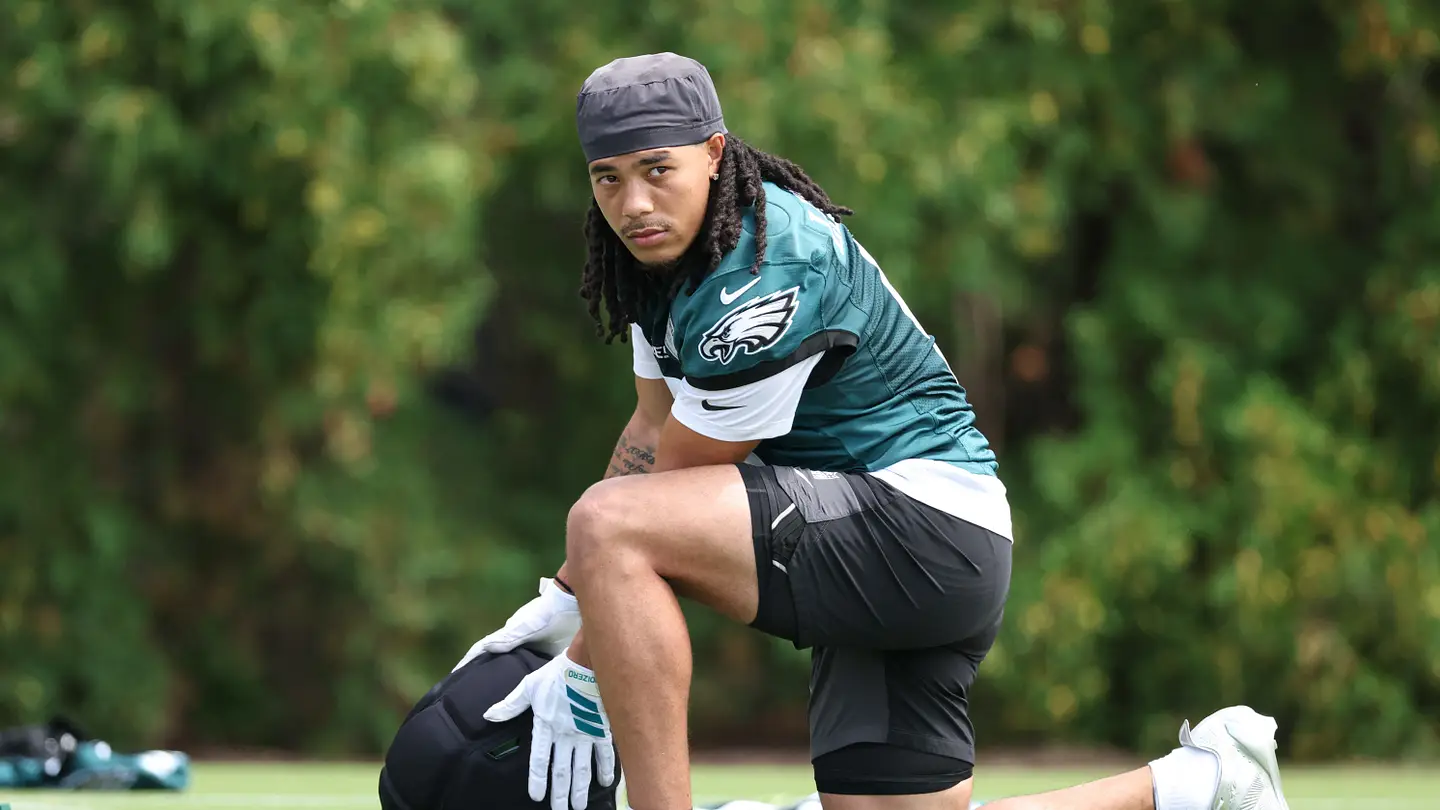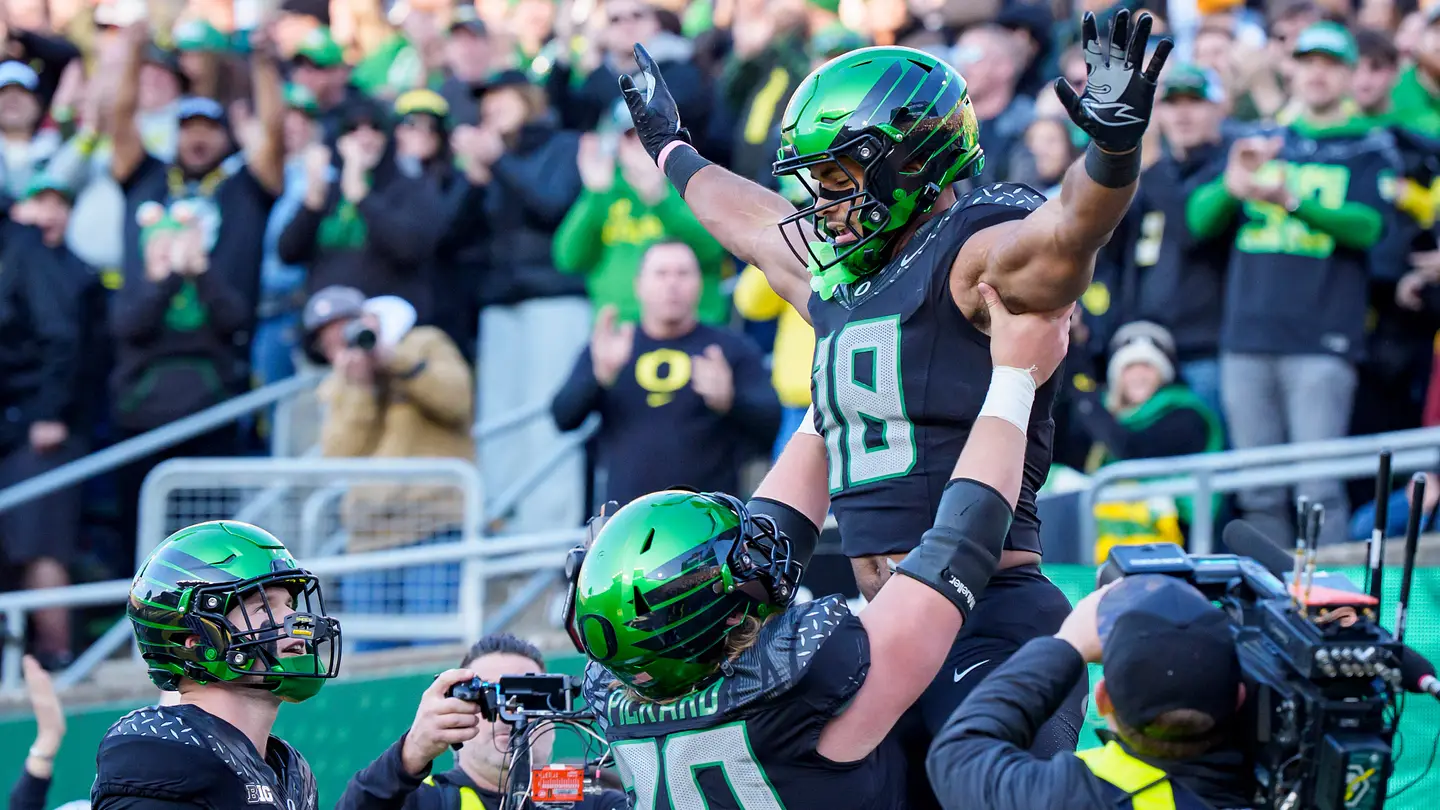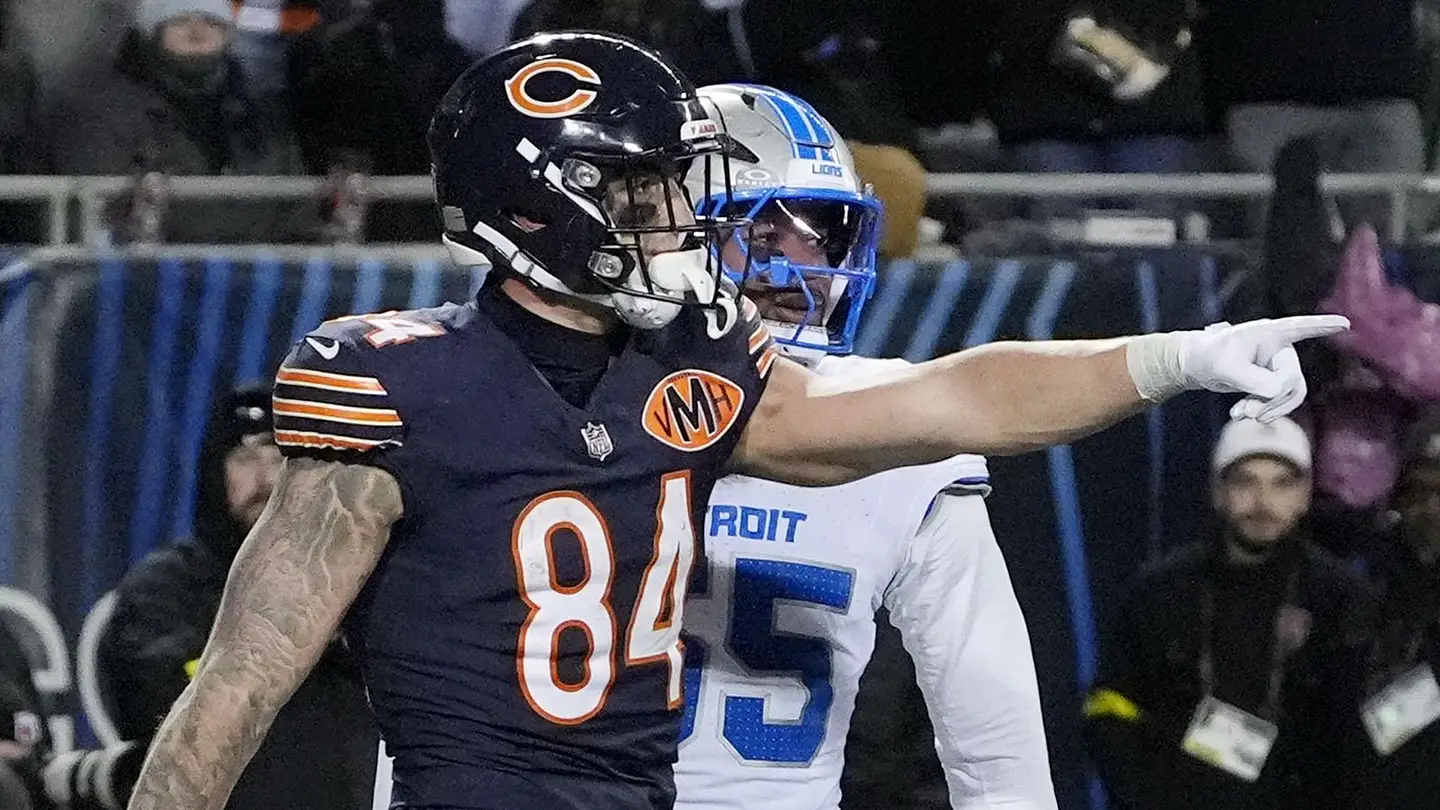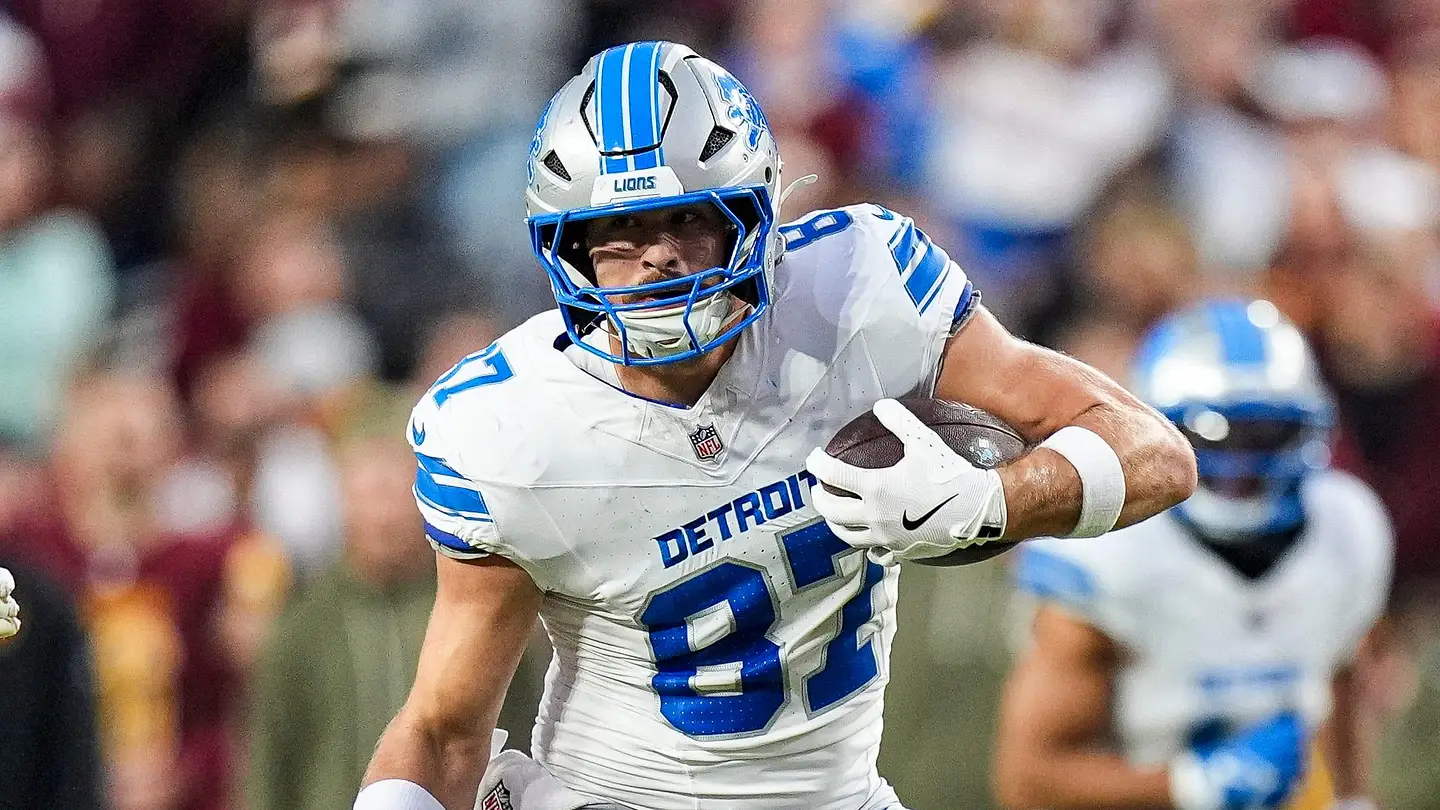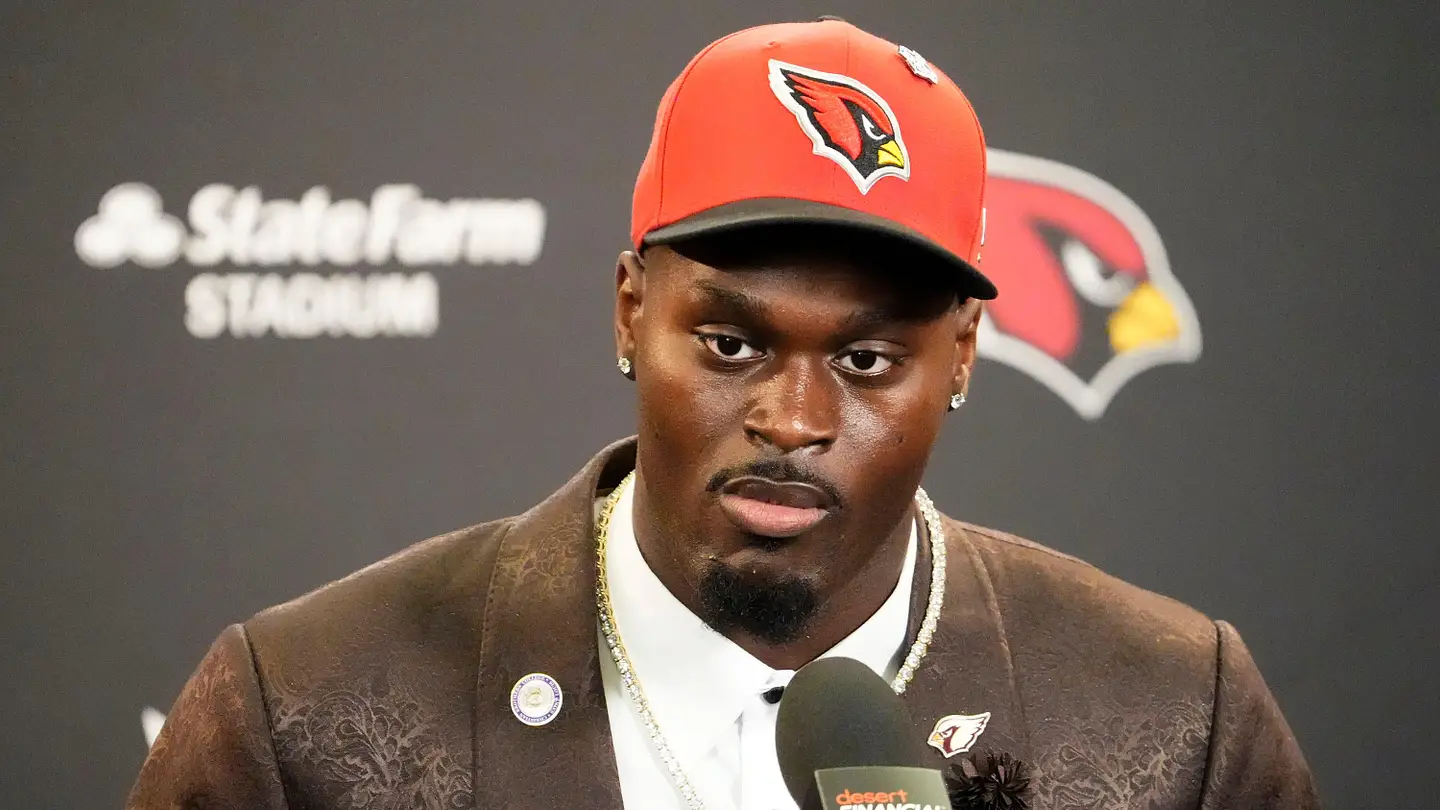
Traditional fantasy football wisdom cautions against drafting rookie tight ends. The rationale makes sense: The complexity of the position comes with a steeper learning curve, which could limit receptions, receiving yardage and touchdowns.Tell that to 2023 Sam LaPorta and 2024 Brock Bowers.Both tight ends dominated the NFL in their respective rookie seasons and led all tight ends in points-per-reception (PPR) scoring. LaPorta broke out with 86 receptions, 889 yards and 10 touchdowns for the powerhouse Lions, while Bowers rampaged through the league with 112 receptions, 1,194 yards and five touchdowns for the Raiders — all with Gardner Minshew, Aidan O’Connell and Desmond Ridder throwing him passes.These two not only compared well to other tight ends, but also to rookies playing more high-profile positions. A tight end has never won the AP Offensive Rookie of the Year award, but LaPorta and Bowers came agonizingly close. LaPorta finished third in the voting behind Texans quarterback C.J. Stroud and Rams wide receiver Puka Nacua. Bowers finished second behind Commanders quarterback Jayden Daniels and ahead of Broncos quarterback Bo Nix.The streak did not continue in 2025, but the season turned out to be a more defiant refutation of the caution against rookie tight ends. While 2023 and 2024 each featured one dominant rookie tight end, 2025 saw four provide top-15 production at the position in PPR scoring for the season, per Pro-Football Reference: Tyler Warren (TE4), Harold Fannin (TE6), Colston Loveland (TE12) and Oronde Gadsden (TE15).Across the past decade, the next-closest season for most rookie tight ends in the top 15 in PPR scoring had two such players.At the same time, NFL teams are investing more resources into tight ends. Teams drafted a combined 17 tight ends in the first five rounds of the 2026 NFL Draft, four more than in any other season over the past decade. The 13-personnel package — sending out one running back, three tight ends and one receiver — has increased in popularity thanks to the Los Angeles Rams’ frequent usage, and it has allowed tight ends to see the field with more regularity.Given that recent success, drafting and rostering a rookie tight end in fantasy football can seem like a surefire way to uncover value — these players are typically drafted in the middle or late rounds because of their inherent lack of NFL experience.Has a tight end revolution changed the league, and is it time for fantasy managers to pounce and take advantage of how young tight ends are utilized in today’s game?What the last decade showsHitting on a rookie tight end in fantasy drafts is certainly a valuable outcome.Of the rookie tight ends to crack the top 15 in PPR scoring over the past decade, only one finished lower among tight ends in PPR scoring than their average draft position (ADP), according to FantasyPros’ composite list (Kyle Pitts was the TE4 in ADP but finished TE6 in 2021), and one finished at his ADP (Loveland, who blossomed into a must-start tight end in the second half of last season). Bowers ascended from TE11 to the top spot in 2024, and LaPorta climbed from TE18 to TE1 the previous season. Last season, Fannin was a massive success story with an ADP of TE30 and finish of TE6, and Gadsden rose from TE52 to the top 15.Since fantasy teams that drafted a standout rookie tight end didn’t spend an early pick on the position, their early selections were available to use on more foundational positions like running back and wide receiver. Teams that additionally drafted an earlier tight end were more prepared to take advantage of trades with other managers and ready in the case of injury or declining performance of veteran options on their team.
Why drafting Kenyon Sadiq is a good idea
Rookie tight ends have shone in recent seasons. Which of this year's rookies should be on your radar?
1,681 words~8 min read