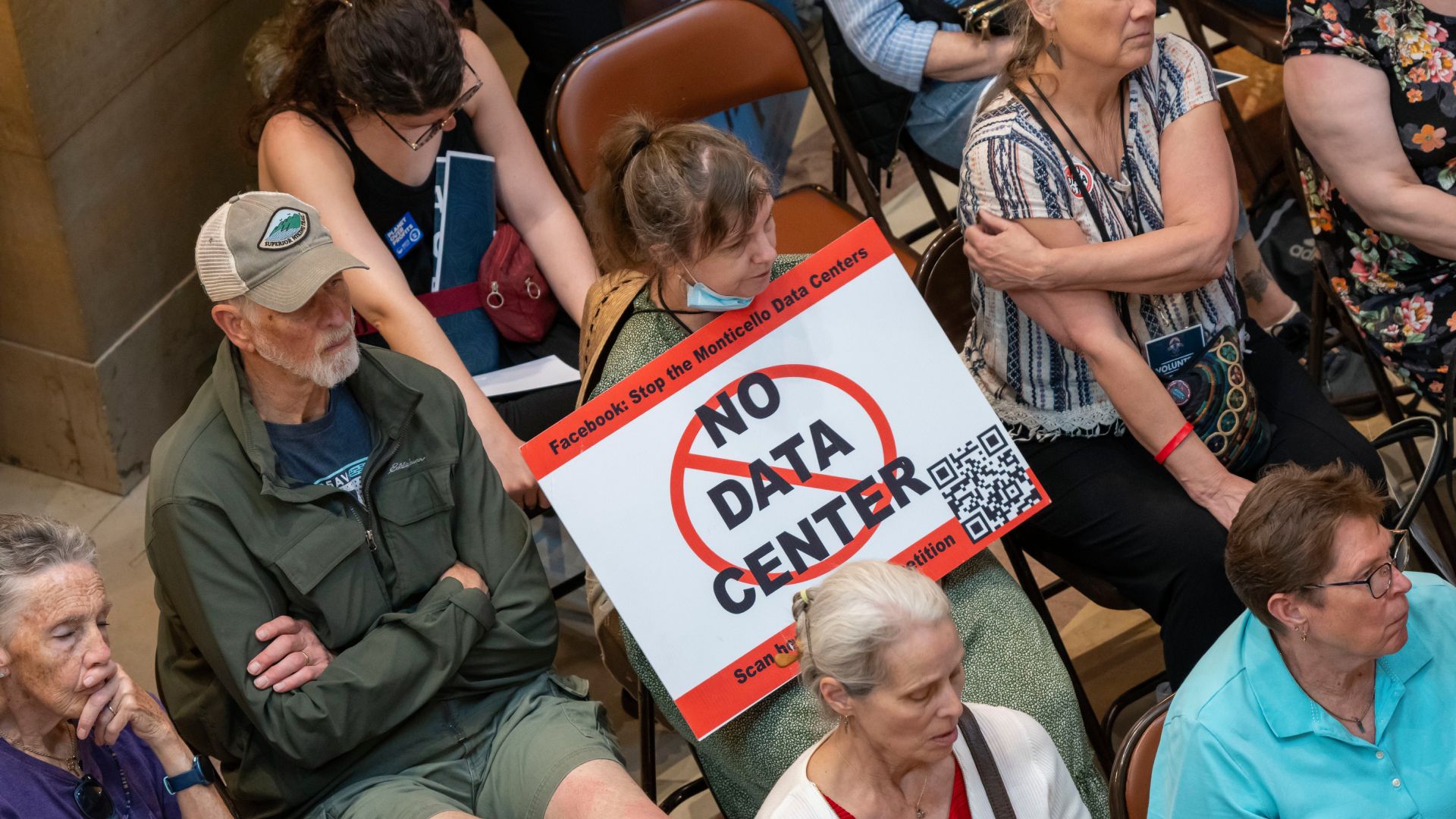
Bloomberg reports that half of all data-center construction plans have been canceled or delayed at the beginning of 2026. This slowing growth is due in part to local building moratoriums, tax code phaseouts, and trouble connecting to an increasingly bottlenecked grid. As demand for data centers increases, these supply constraints could make everything from AI to financial services and cloud computing more expensive and slow economic growth. A March 2026 Quinnipiac poll found that 65% of Americans opposed data-center construction in their own communities, leading some politicians to seek temporary bans or moratoriums on data-center production. In fact, 12 states have introduced data-center construction moratoriums, while at least 54 local moratoriums have passed.
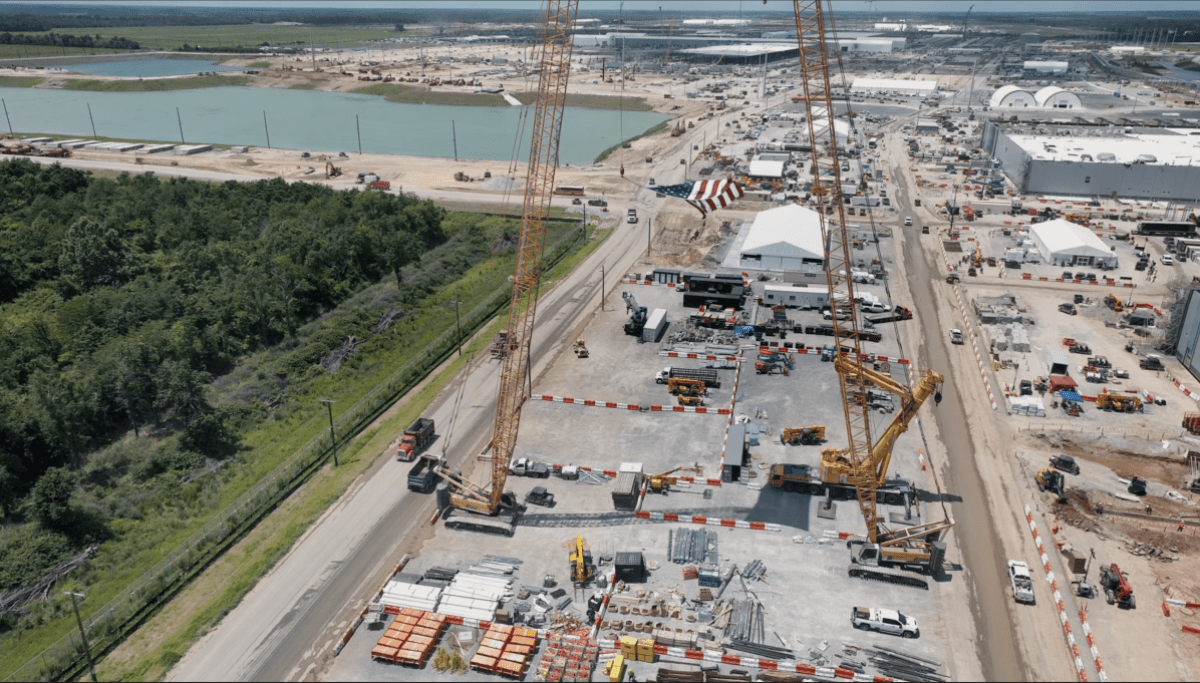
Opponents of new development often voice concerns over issues such as illegal construction, noise, water use, land use, and electricity prices. While each of these should be evaluated and addressed on their own merits, blanketing local, state, or national moratoriums discourage investment and drive projects to jurisdictions with more predictable regulatory environments, such as Texas and Florida. Notably, American public opinion has been subject to anti-data-center rhetoric from foreign state media like the China Daily, Global Times, China Global Television Network, and Russia Today. Meanwhile, China has invested $6.1 billion in its own domestic data-center construction and plans to invest more. While obviously not every American who opposes data centers is being manipulated or is voicing non-germane concerns about local conditions, the policy debate is unfortunately being driven by knee-jerk reactions and, in part, by foreign actors with an interest in a weaker American economy and tech sector. The One Big Beautiful Bill Act allowed for full and immediate expensing for structures like data centers, factories, and warehouses. Instead of depreciating for up to 39 years, these structures could be written off of taxes immediately. This is sound tax policy because businesses should be able to deduct the full cost of investments in the year those expenses are incurred, rather than over decades through depreciation schedules that erode the real value of those deductions. By lowering the effective tax burden on new investment, full and immediate expensing encourages new investment and economic growth. The provision’s tight eligibility window requires construction to begin before 2029 and facilities to enter service by 2031. For these capital-intensive projects with long permitting, interconnection, and construction timelines, this temporary tax policy has created a race that has fueled large capital expenditure headlines for AI-related companies. However, since many companies are skeptical of making this short deadline, data-center investments are slowing or being canceled. To alleviate this short-term boom and ensure that data centers are built based on more reasonable projections, Congress should make full and immediate expensing for structures permanent so that investors can build with confidence that the tax code will not change in only a few short years. RICHLAND PARISH, La.— A video screenshot shows Meta’s landmark data center campus on Monday, July 13, 2026, as the company expanded its total infrastructure investment to $50 billion. (Meta Newsroom via AP)