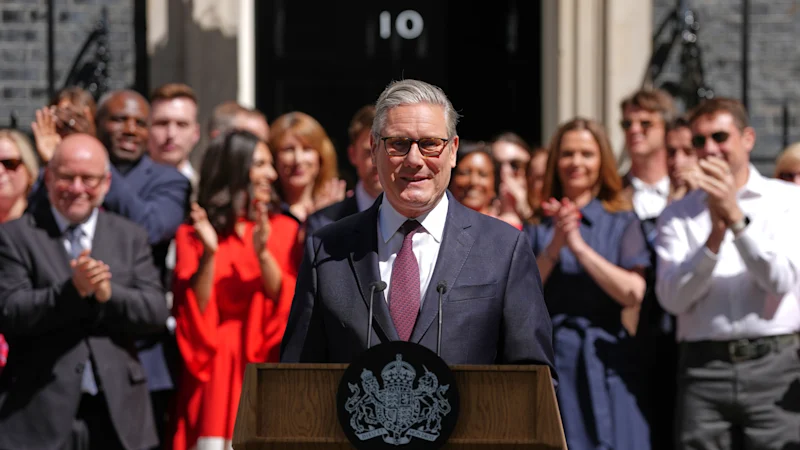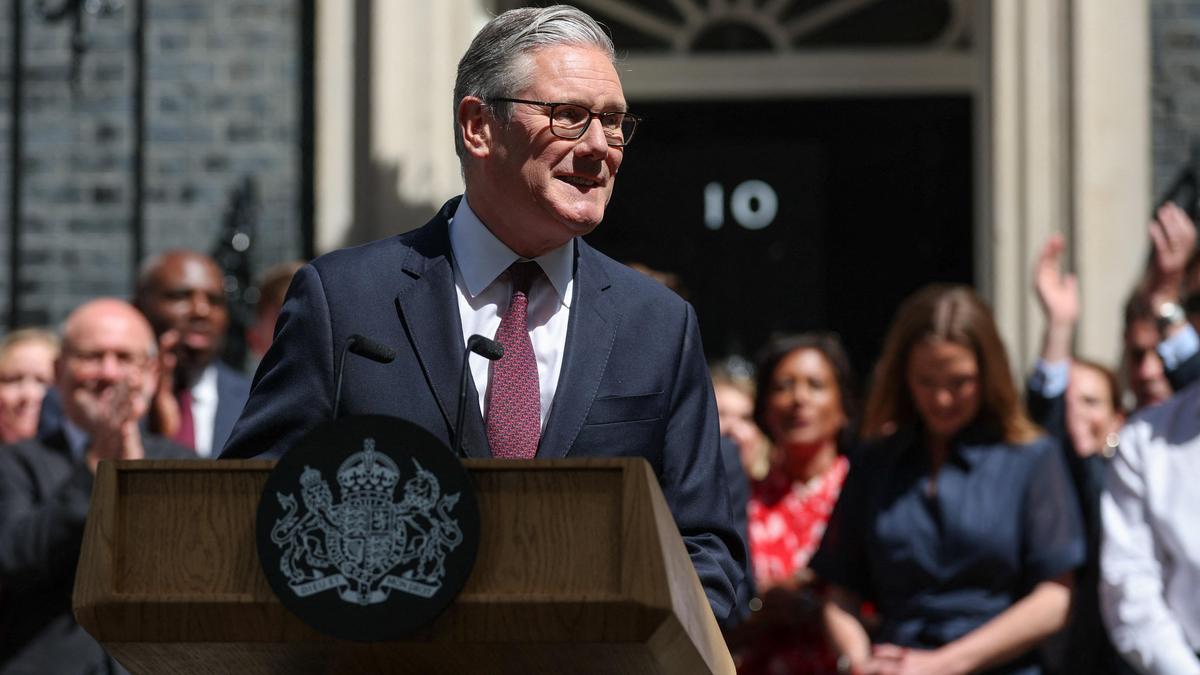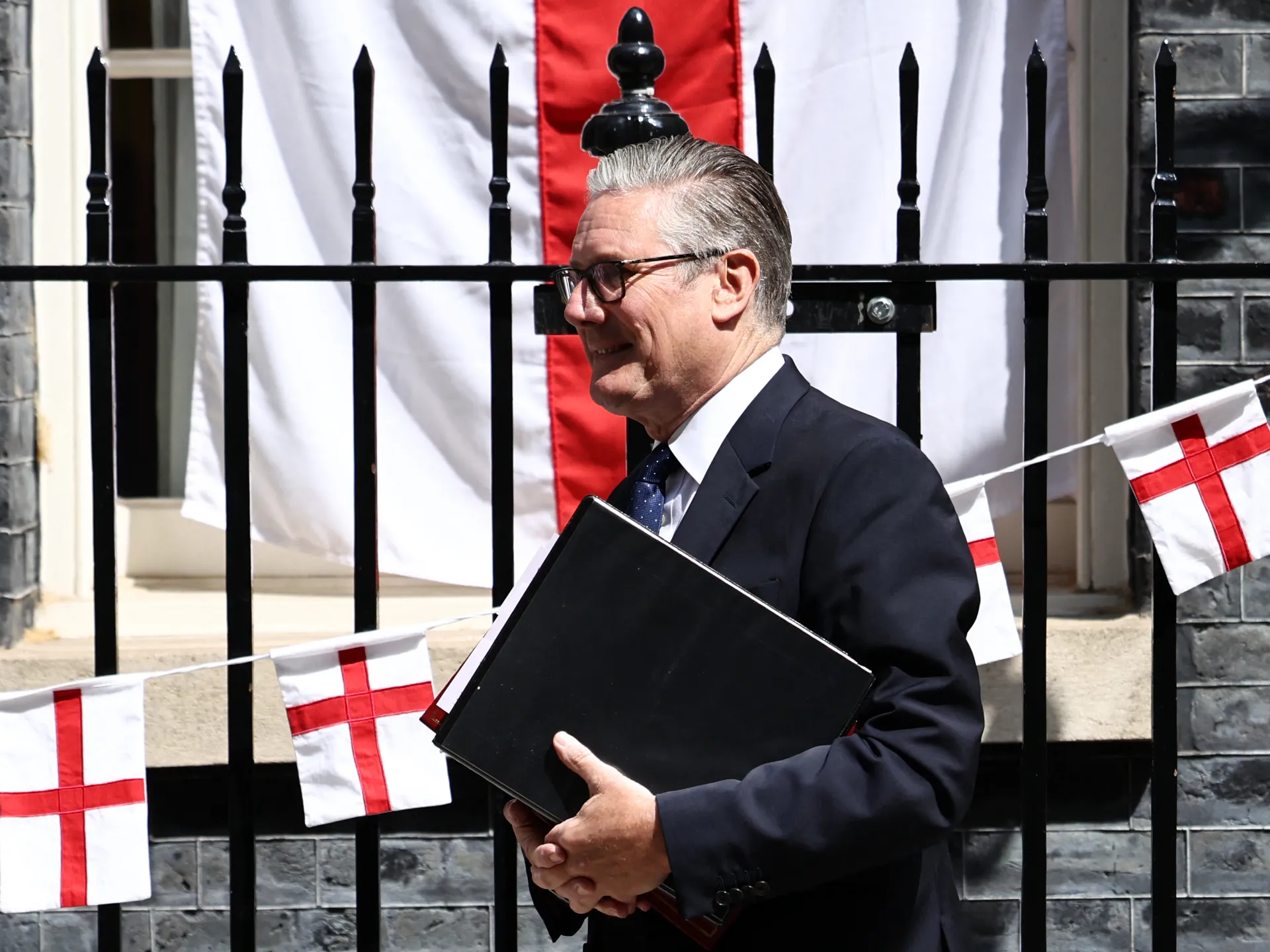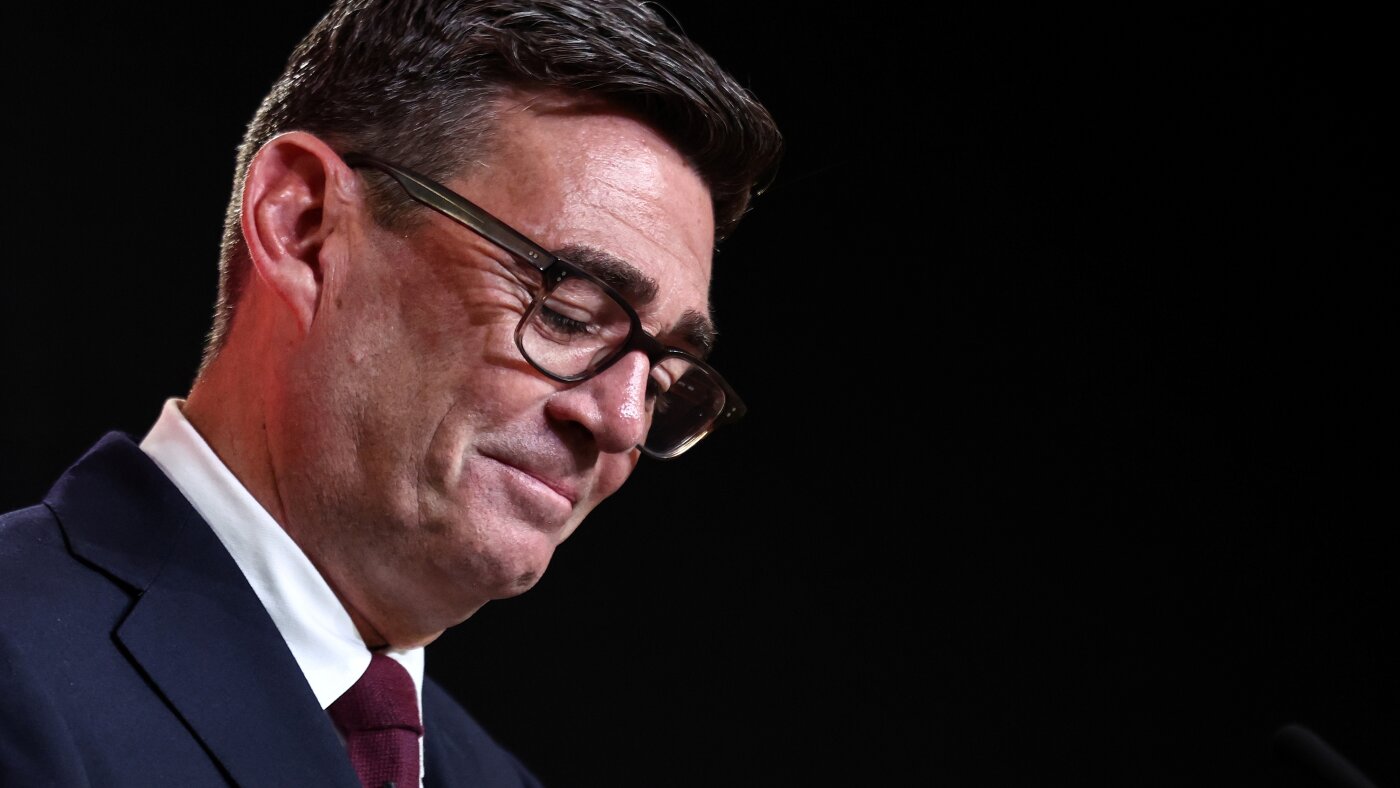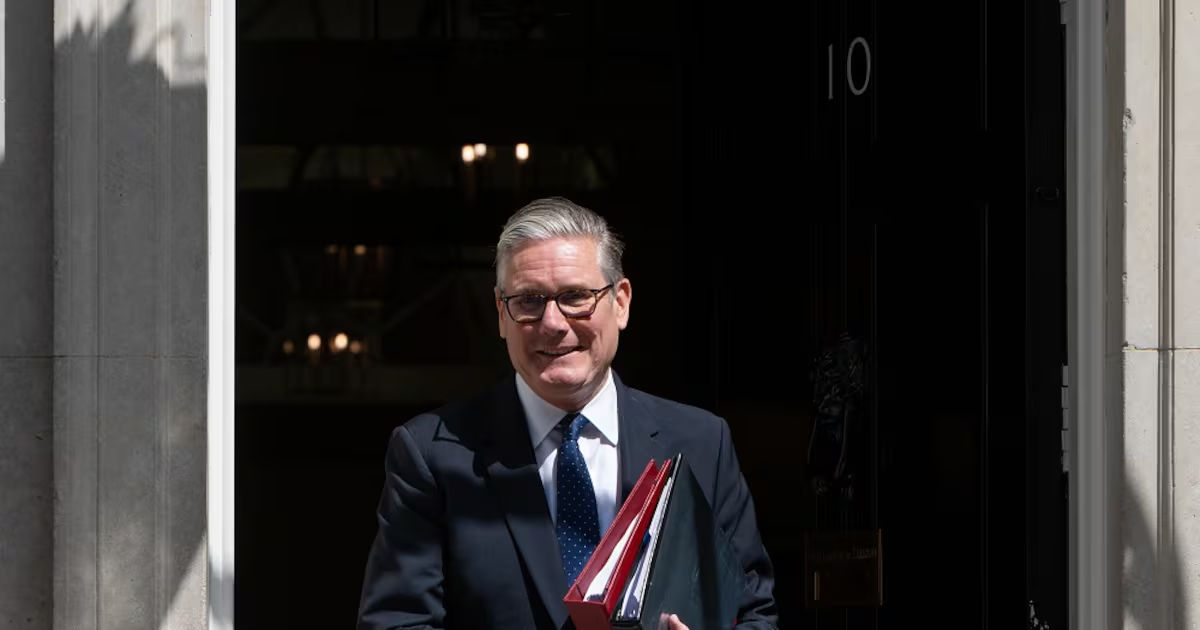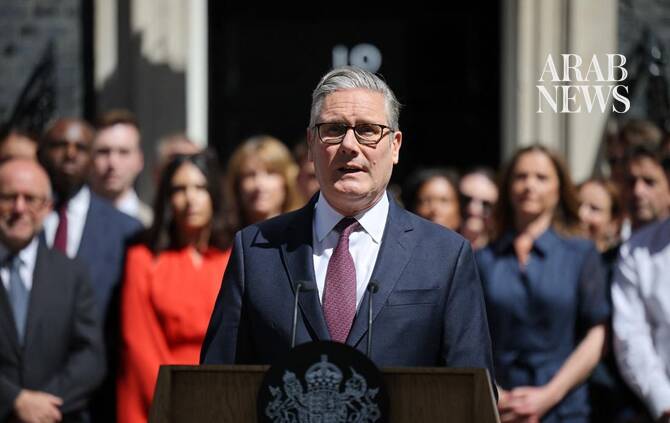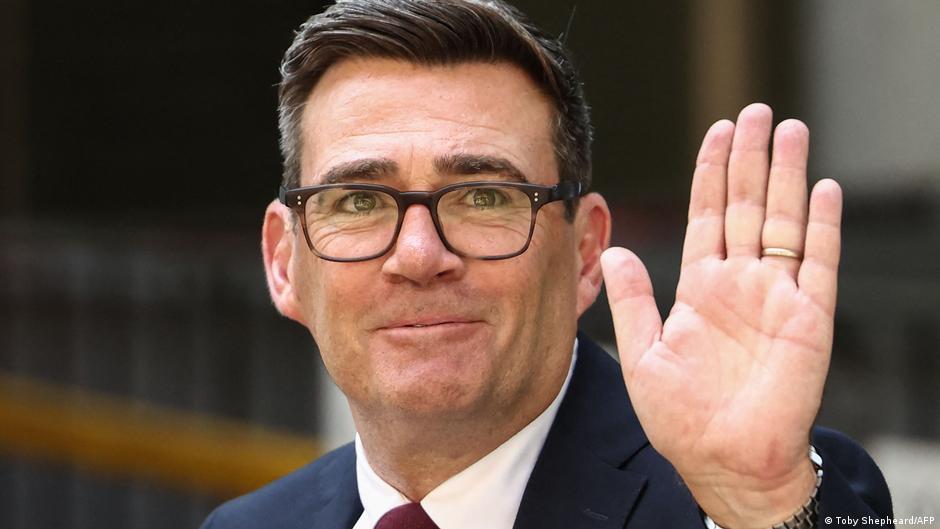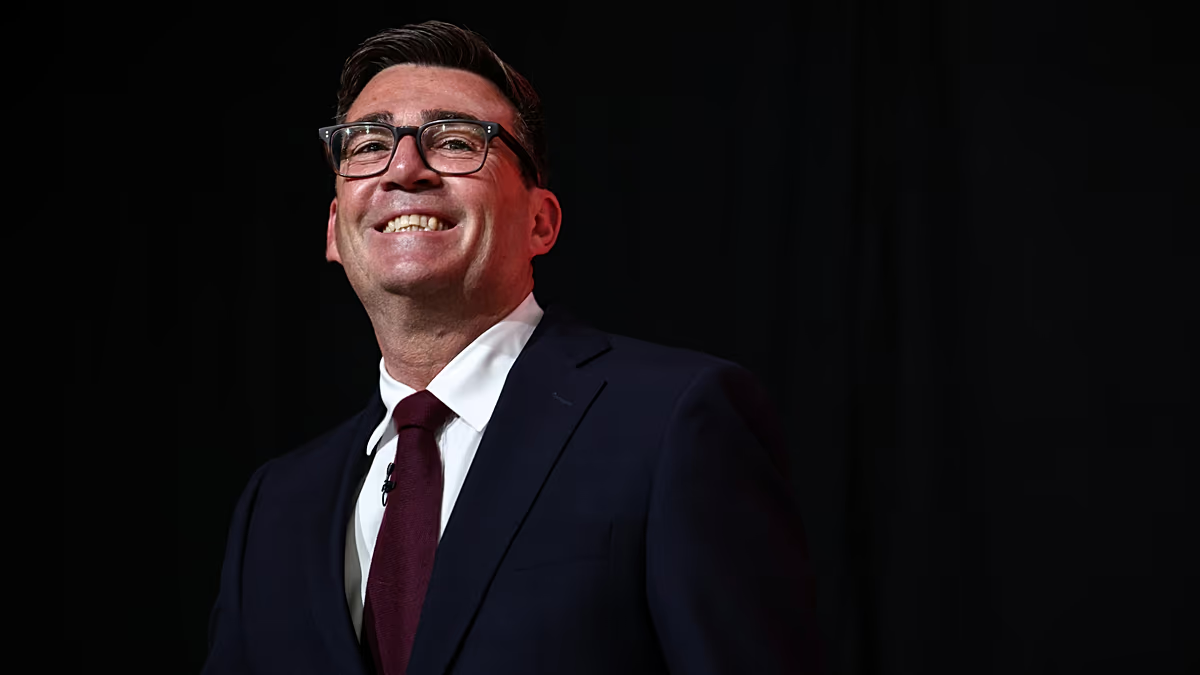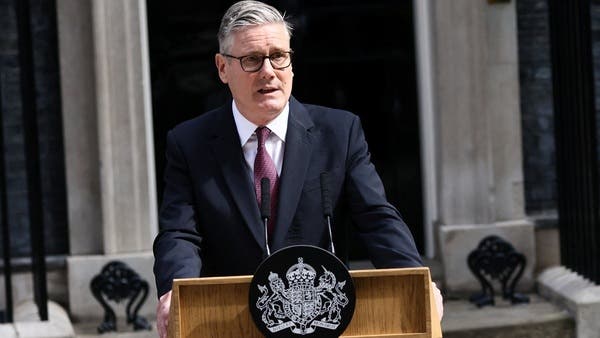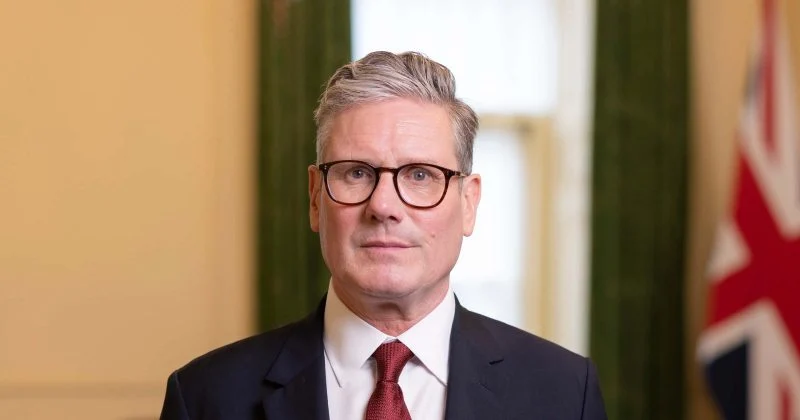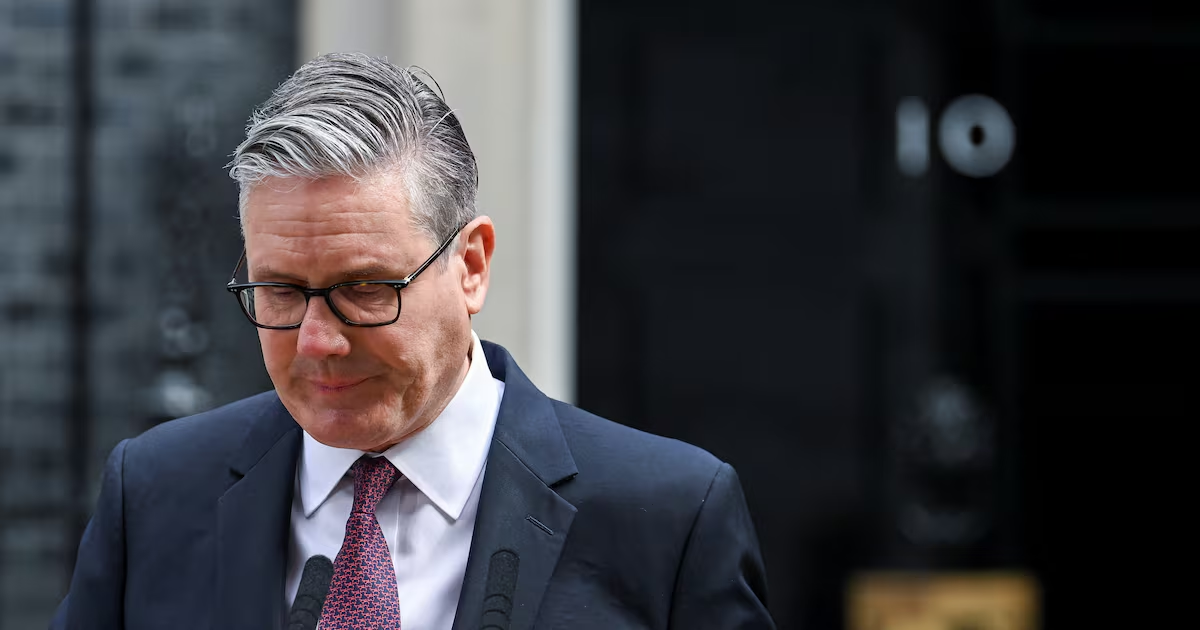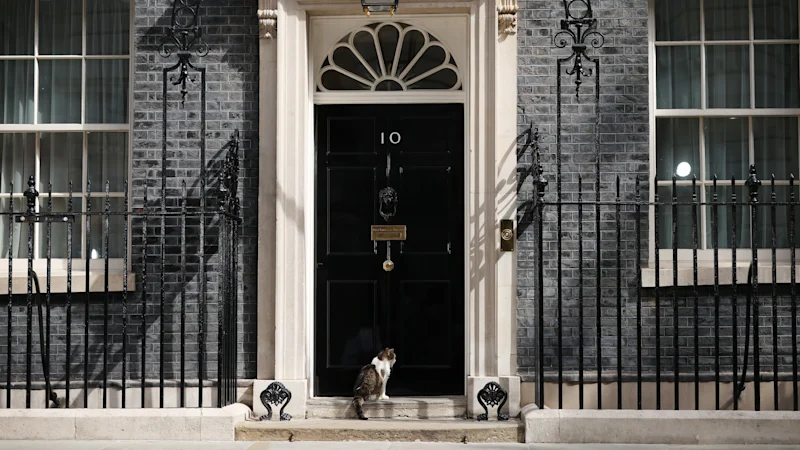
July 20, 2026 — 7:49pmLondon: A formal transfer of power is under way in Britain as the country’s departing prime minister, Keir Starmer, prepares to visit King Charles at Buckingham Palace for a private meeting in which he will resign from the post.The meeting will clear the way for the next prime minister, Andy Burnham, to visit the King soon afterwards, so the monarch can invite him to form government, formally elevating him to the leadership.The talks in London will formally conclude a long fight within the Labour Party to replace Starmer after growing discontent over his leadership, and a year of planning by Burnham and his allies to take power within the party.In being named to the top post on Monday, Burnham will become the nation’s seventh prime minister since 2016.While he has set out broad ambitions in speeches and interviews, he is yet to name his cabinet ministers and settle disputes among his supporters about who should hold the key Treasury post of chancellor of the exchequer.Bond market investors are watching the cabinet decision closely, given the country’s net public debt is £2.9 trillion ($5.6 trillion) – equivalent to 95 per cent of annual economic output – and rising.Larry the cat, “Chief Mouser to the Cabinet Office”, waits outside No. 10 Downing Street for his seventh prime minister.Getty ImagesTourists and demonstrators wait outside Buckingham Palace for Keir Starmer to arrive to officially resign.Getty ImagesBurnham, who has spent the past nine years as mayor of Greater Manchester, set out broad themes about his plans in a speech three weeks ago, knowing he had the numbers within the Labour Party to lead the government.“We will create a more streamlined state with a clearer purpose to power up all parts of the country and put a laser-like focus on growth and regeneration – good growth,” he said.Burnham, however, captured attention with a related pledge to shift some of the powers of the prime minister’s office in Number 10 Downing Street in London – near the major public service departments around Whitehall – so that a new unit of government would be responsible for northern England and other areas outside the capital.Burnham called his proposed new office “Number 10 North”, and the phrase dominated media coverage of his speech, although he did not outline any details on how it would work.Labour has 403 seats in the House of Commons, giving it a comfortable majority. The Conservative Party has 117 seats, the Liberal Democrats have 71, Reform UK has seven and the Greens have five. Small parties and independents make up the rest.But the divisions within the Labour parliamentary party have weakened the government, while Reform UK leader Nigel Farage has made big gains in local government elections and has soared in the public opinion polls as a potential prime minister.Burnham’s rise began in earnest on May 19 when he overcame resistance from Starmer’s allies and gained party approval to run as the Labour candidate at a byelection for the seat of Makerfield, which he won on June 19.Starmer announced on June 22 that he would resign. With Labour MPs making it clear they wanted a new leader, Starmer set up an internal party timeline to decide his replacement. When party officials called for nominations, Burnham was the sole candidate – an extraordinary development given he had become a member of the House of Commons only days earlier.While Burnham will be the seventh prime minister in roughly a decade, he is also being described as the sixth prime minister in 10 years.Former Conservative prime minister David Cameron stepped down on July 13, 2016 – 10 years and one week ago. He was followed by Theresa May, Boris Johnson, Liz Truss and Rishi Sunak from the Conservative Party. They were followed by Starmer and Burnham.Get a note directly from our foreign correspondents on what’s making headlines around the world. Sign up for our weekly What in the World newsletter.From our partners
Starmer prepares to pass baton to Burnham, Britain’s seventh PM in a decade
The talks in London will formally conclude a long fight within the Labour Party to replace Keir Starmer after growing discontent over his leadership.
657 words~3 min read