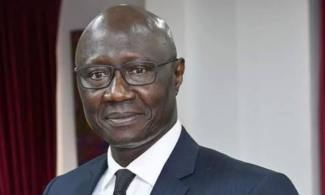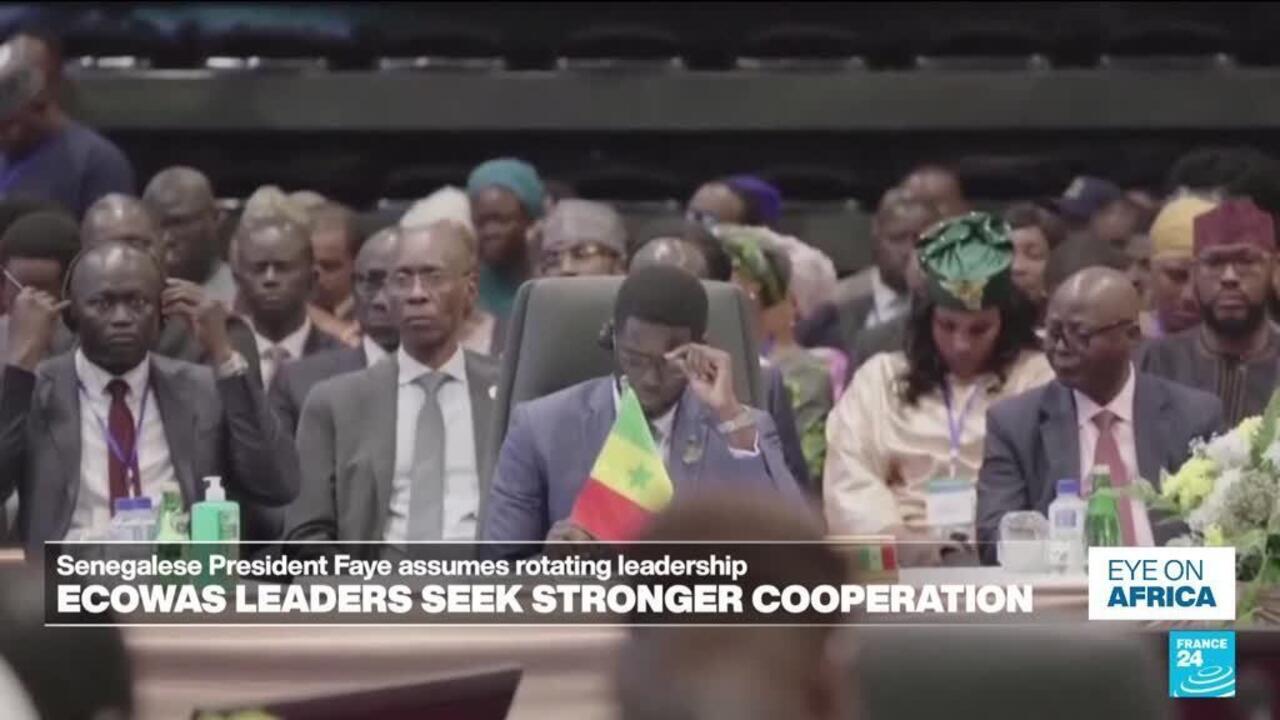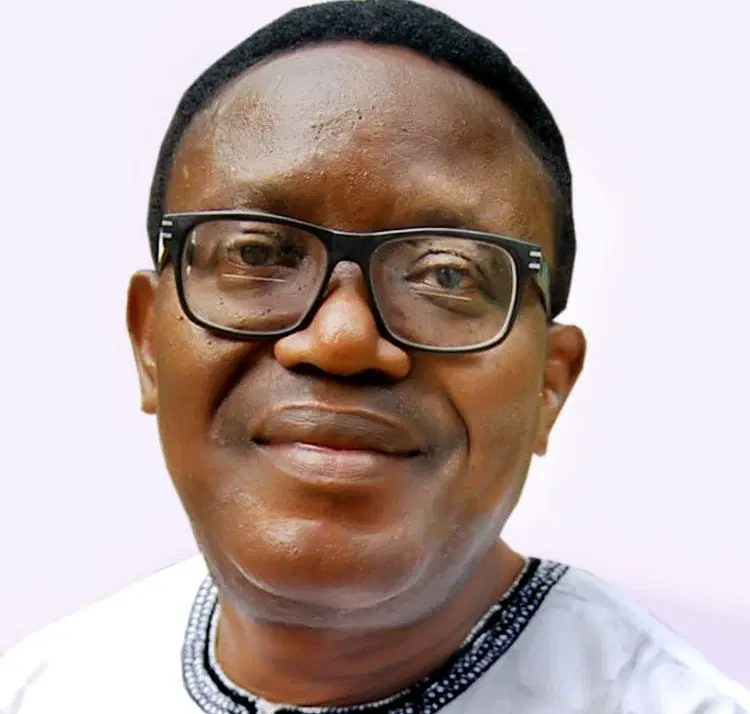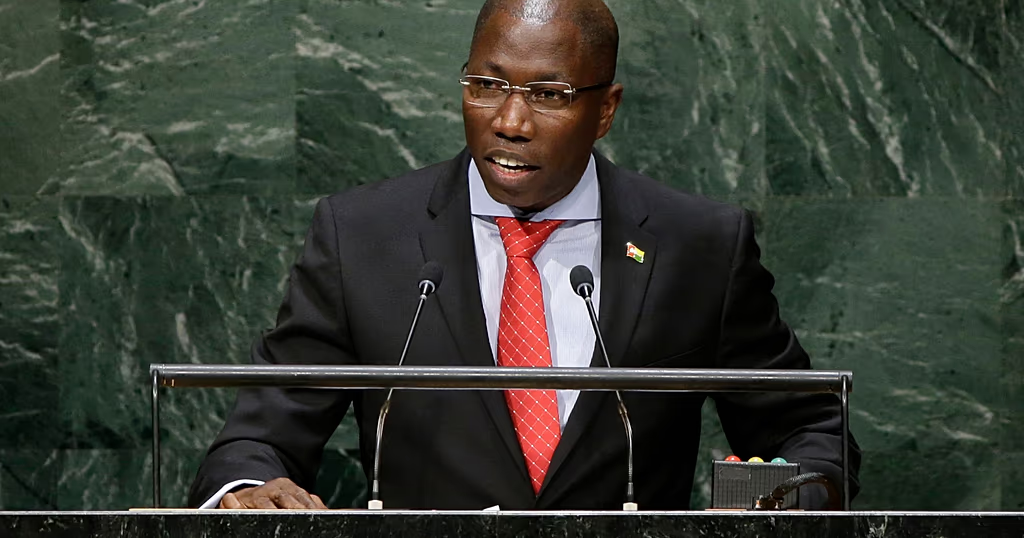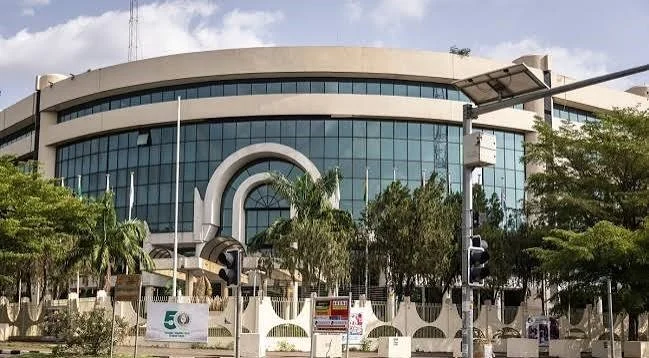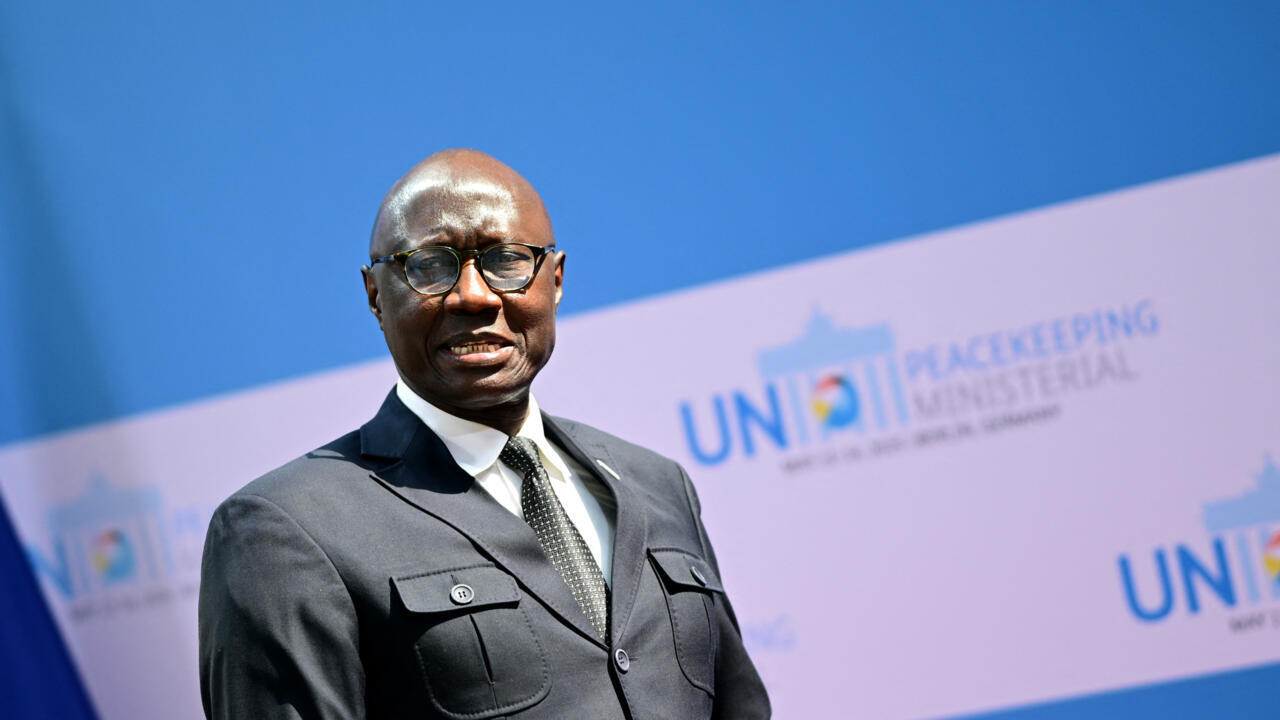
West African leaders have appointed Senegal's former defence minister, General Birame Diop, to lead the Economic Community of West African States (Ecowas) Commission, placing a military figure with extensive UN peacekeeping experience at the helm as the bloc seeks to recover from the departure of three member states.
Issued on: 20/07/2026 - 11:20
2 min Reading time
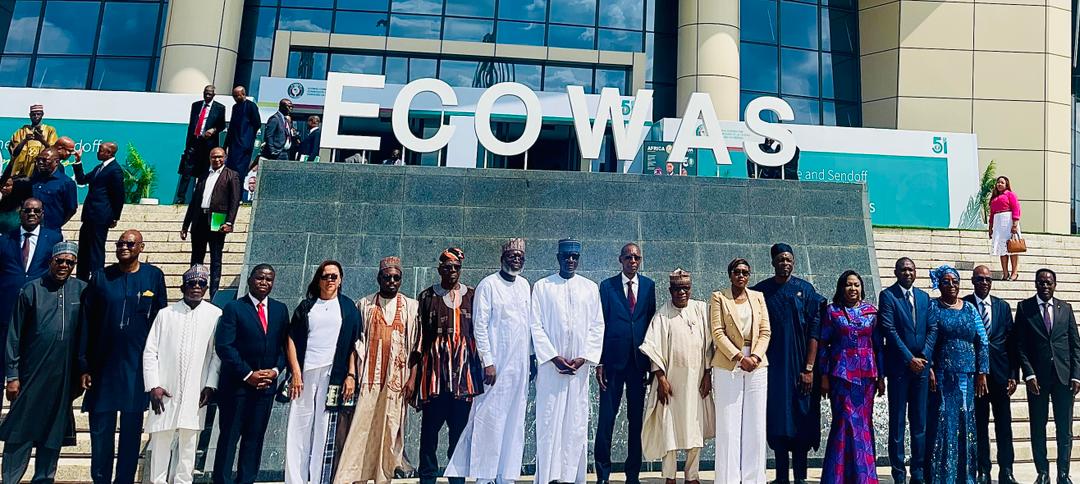
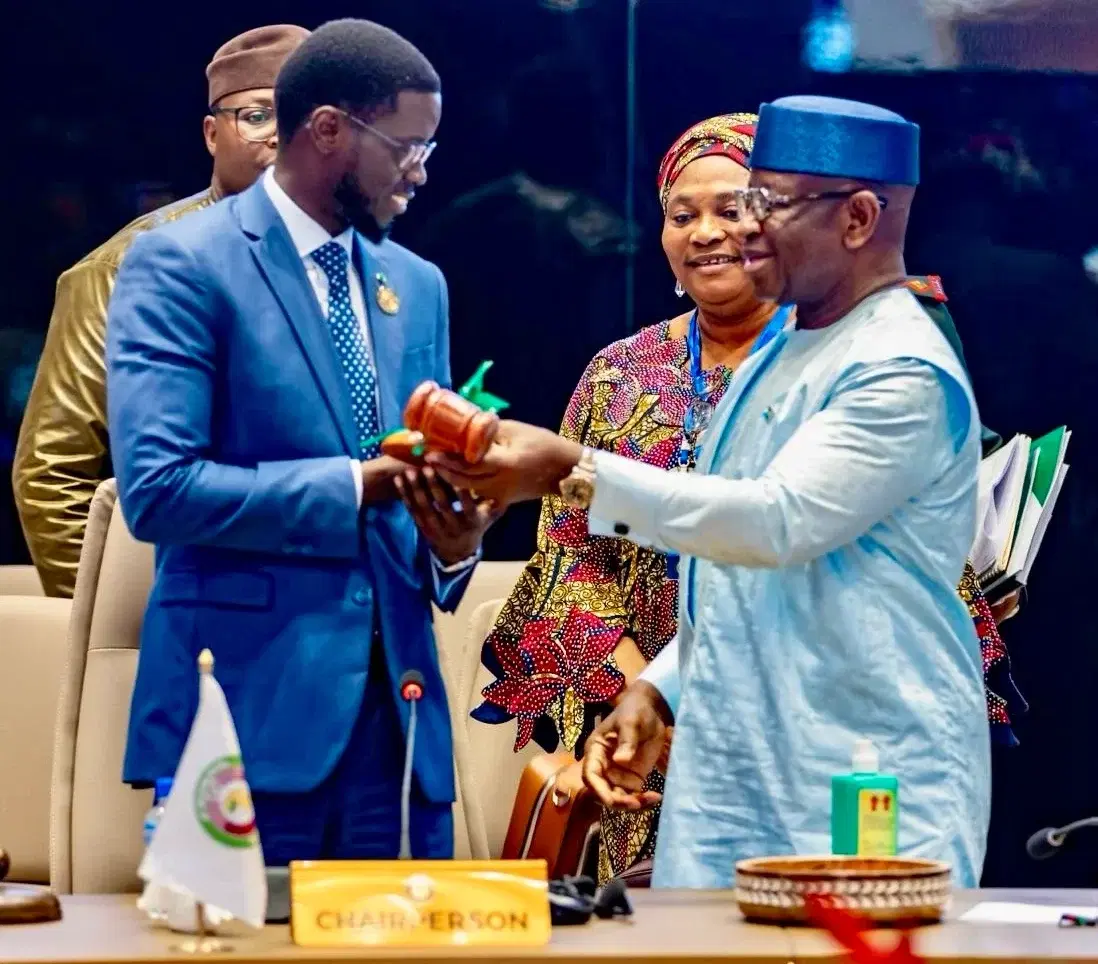
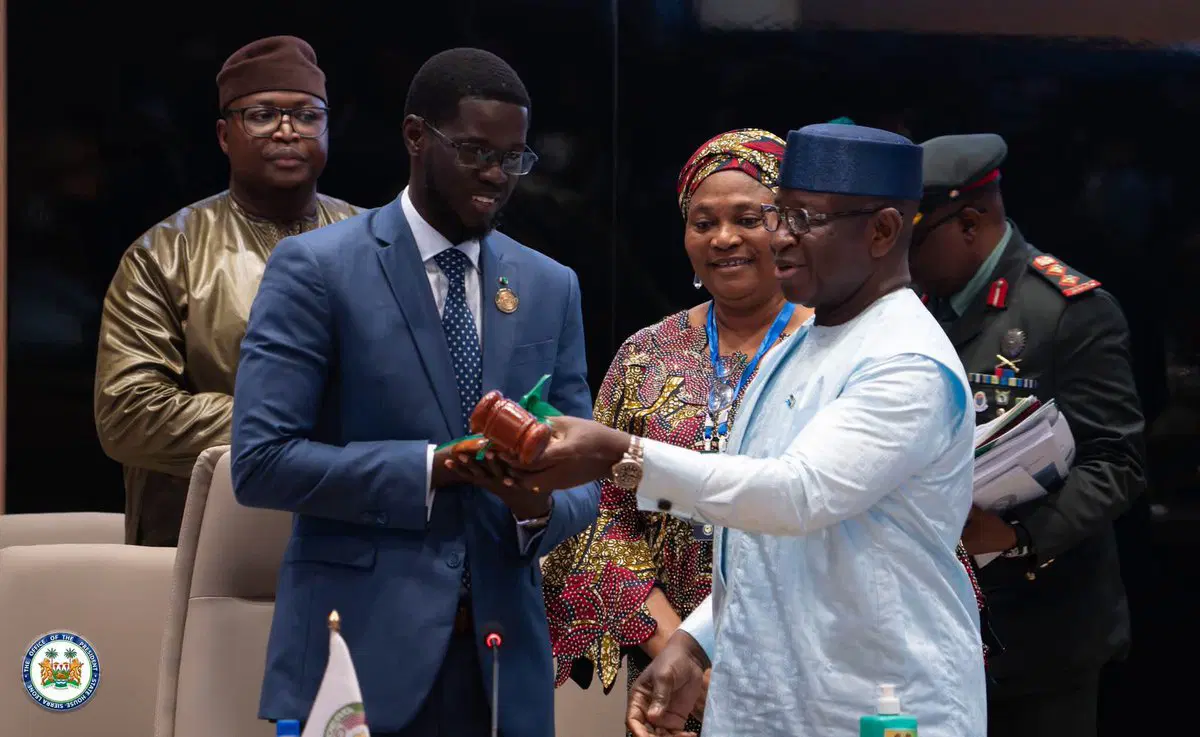
Meeting at Ecowas's 69th ordinary summit in Freetown, Sierra Leone, leaders also approved the construction of a gas pipeline linking Nigeria and Morocco and adopted a long-term plan aimed at improving security, democracy and economic integration. "Ecowas needs profound change," Sierra Leonean President Julius Maada Bio said as he opened the summit on Sunday. The organisation has been weakened by the withdrawal of the Alliance of Sahel States (AES) – Mali, Niger and Burkina Faso in 2025. Diop, the only candidate for the post, succeeds Gambian diplomat Omar Alieu Touray as president of the commission – the body's executive arm. How a disinformation network is destabilising the Alliance of Sahel States Security challenges A retired 2-star air force general, Diop served as Senegal's defence minister from 2024 until June 2026. He previously headed Senegal's armed forces and later became military adviser to the United Nations Department of Peace Operations. Earlier in his career, he served with the UN peacekeeping mission in Bunia, in eastern Democratic Republic of Congo. A West African diplomat said Diop's experience would help the organisation. "Birame Diop knows the inner workings of international organisations very well. He served at the highest levels of the Senegalese military. That will be useful, for example, in the fight against terrorism and in coordinating policies. With Birame's support, the organisation can get moving again," the diplomat said. Diop's first tasks will include helping implement reforms within Ecowas and mobilising support for the regional bloc's standby force (ESF). West African group Ecowas turns 50 amid struggle to stay united Gas pipeline approved Leaders also endorsed the Nigeria-Morocco Gas Pipeline, a 6,000-kilometre project that would carry Nigerian gas through 13 West African countries before connecting to the Maghreb-Europe pipeline. "We have already signed the West Africa-Morocco gas pipeline. Don't be surprised when the gas comes your way," Maada Bio said. The project, first proposed in 2016, is expected to cost about $27 billion. Its revival has been driven in part by Algeria's 2022 decision to stop supplying gas to Spain via Morocco after diplomatic ties between Algiers and Rabat broke down. Algeria-Morocco standoff threatens Spain gas supplies Morocco's state hydrocarbons agency ONHYM and Nigeria's state oil company NNPC said it would connect West Africa's gas resources with regional markets and create a new energy corridor linking West Africa, the Sahel, Morocco and Europe. The next stage will see a project company established in Casablanca and a governing authority set up in Abuja before investors are brought on board and a final investment decision is taken. Construction is expected to begin in 2028, with the first gas deliveries targeted for 2031. Alongside the summit, leaders endorsed a strategy known as "Ecowas of the Peoples 2050", setting out plans to strengthen peace and security, combat terrorism, promote democracy, support young people and deepen economic integration. Cote d'Ivoire's Vice-President Tiémoko Meyliet Koné welcomed the plan but warned that it would require secure funding. "To achieve these goals, we need a precise and sustainable financing plan," he said. (with newswires)