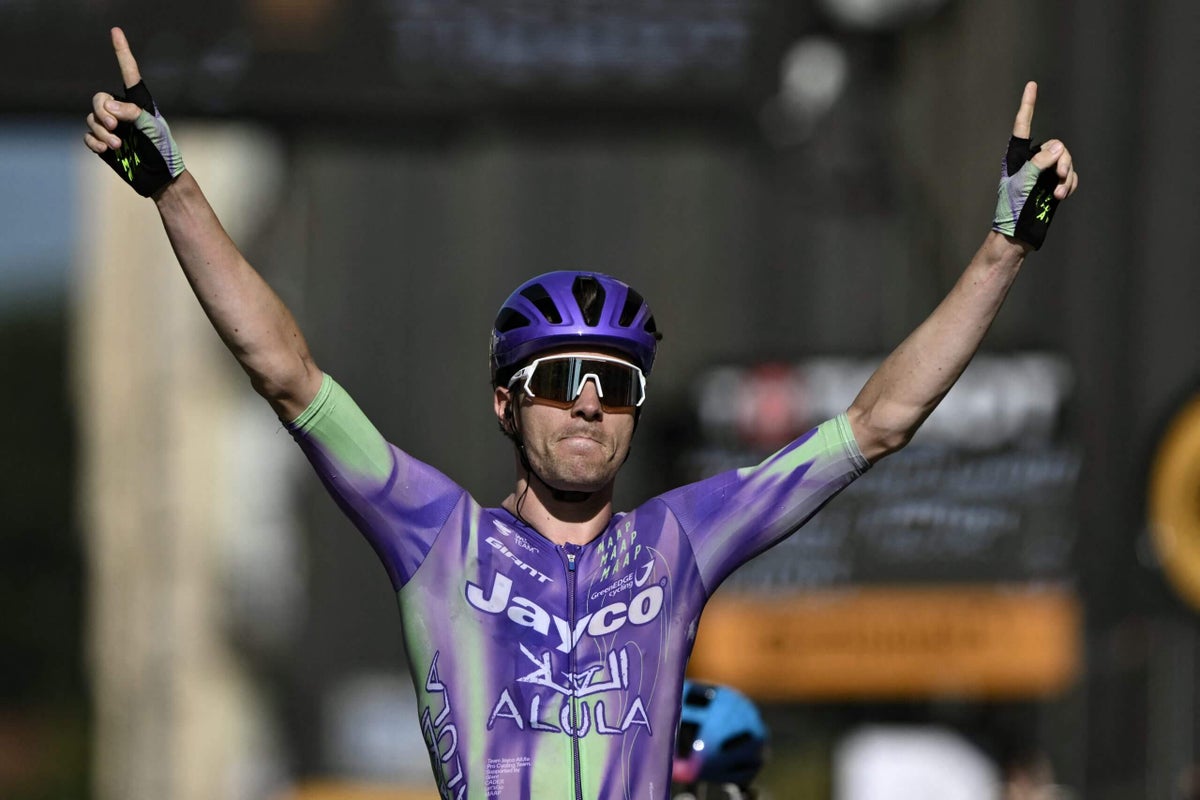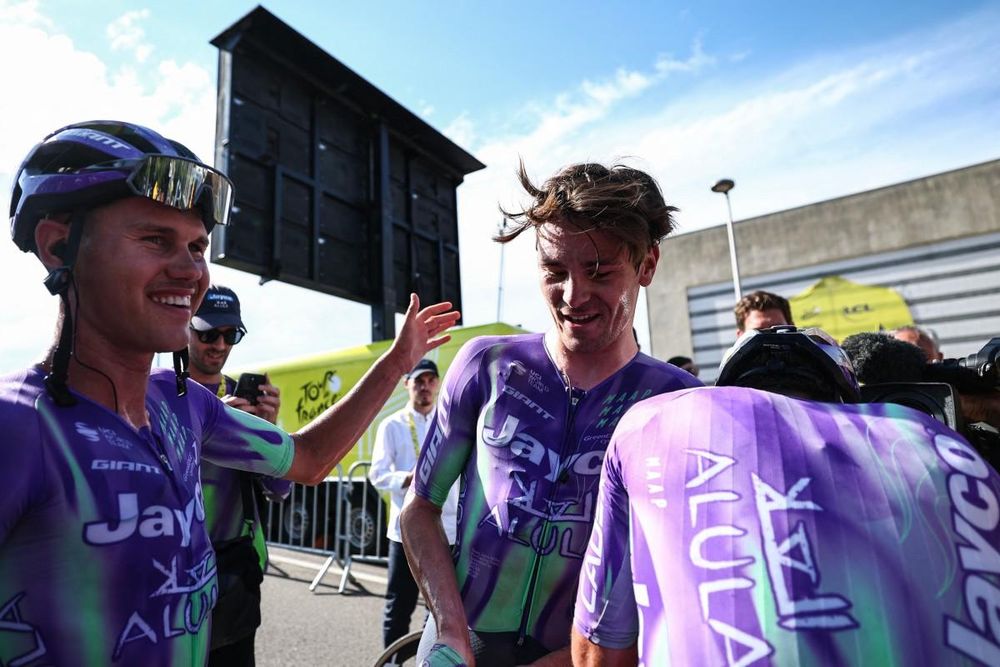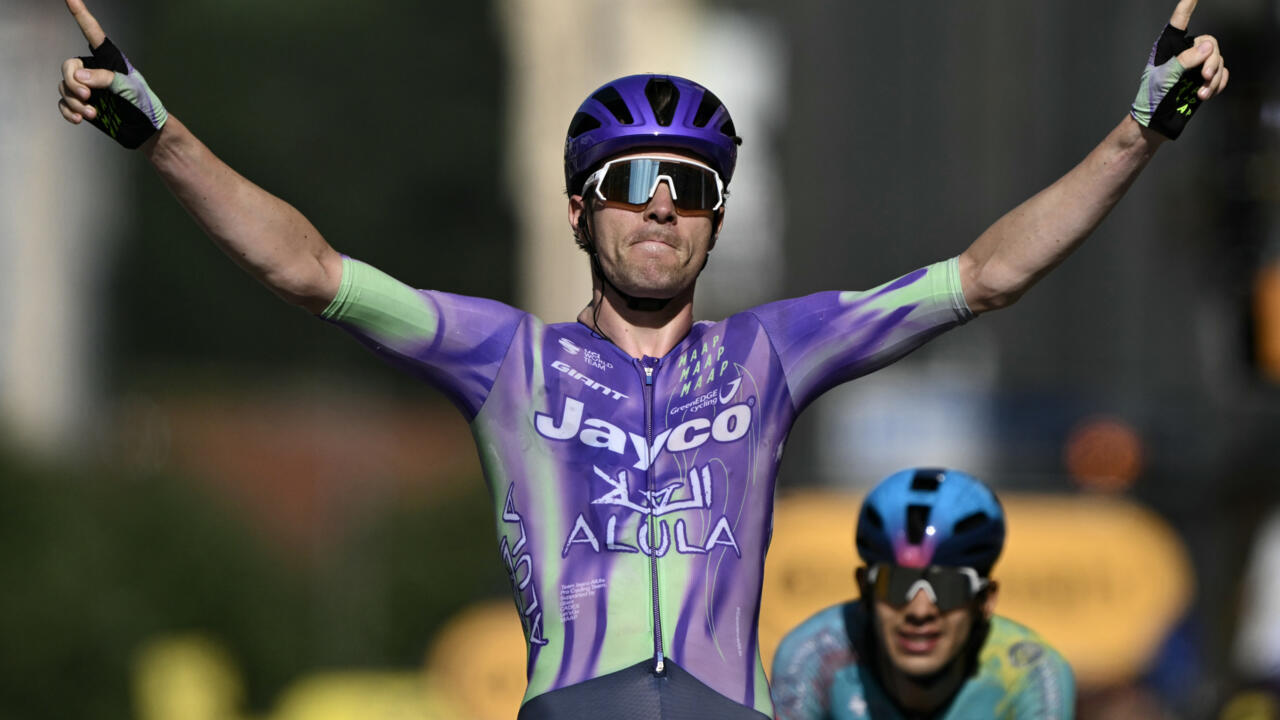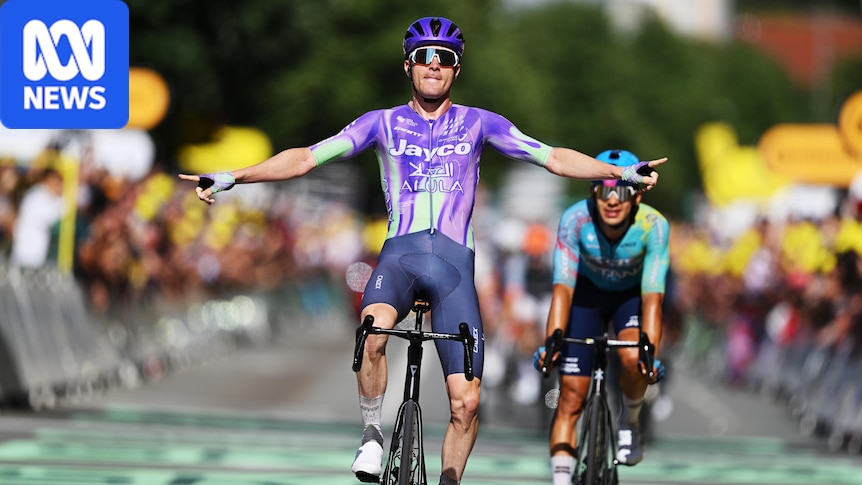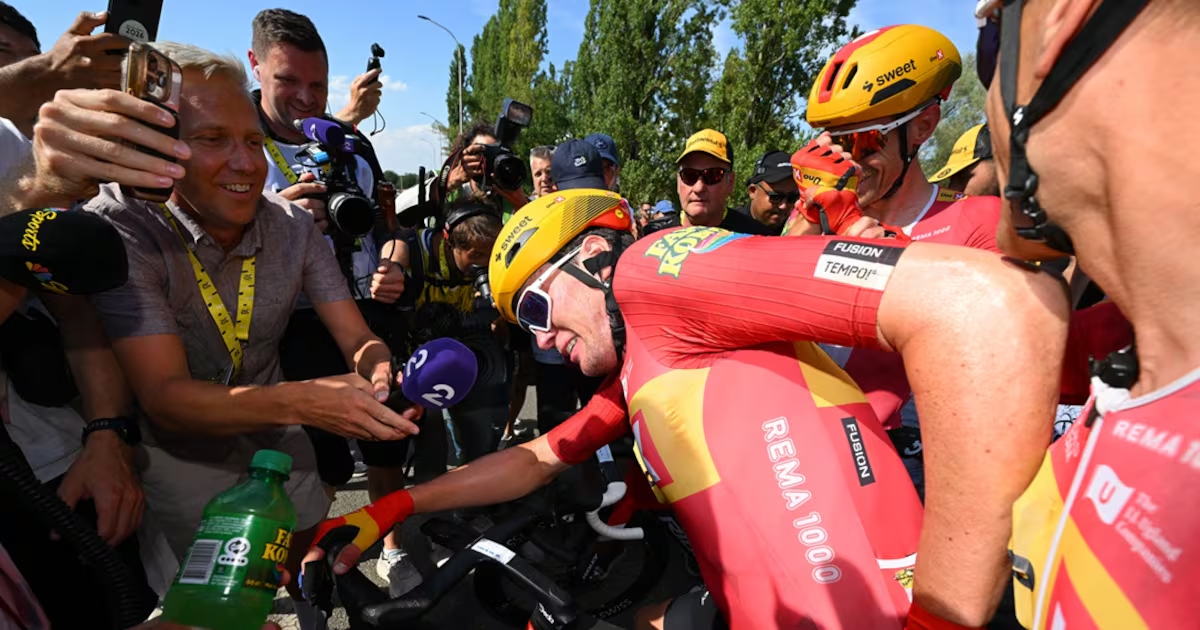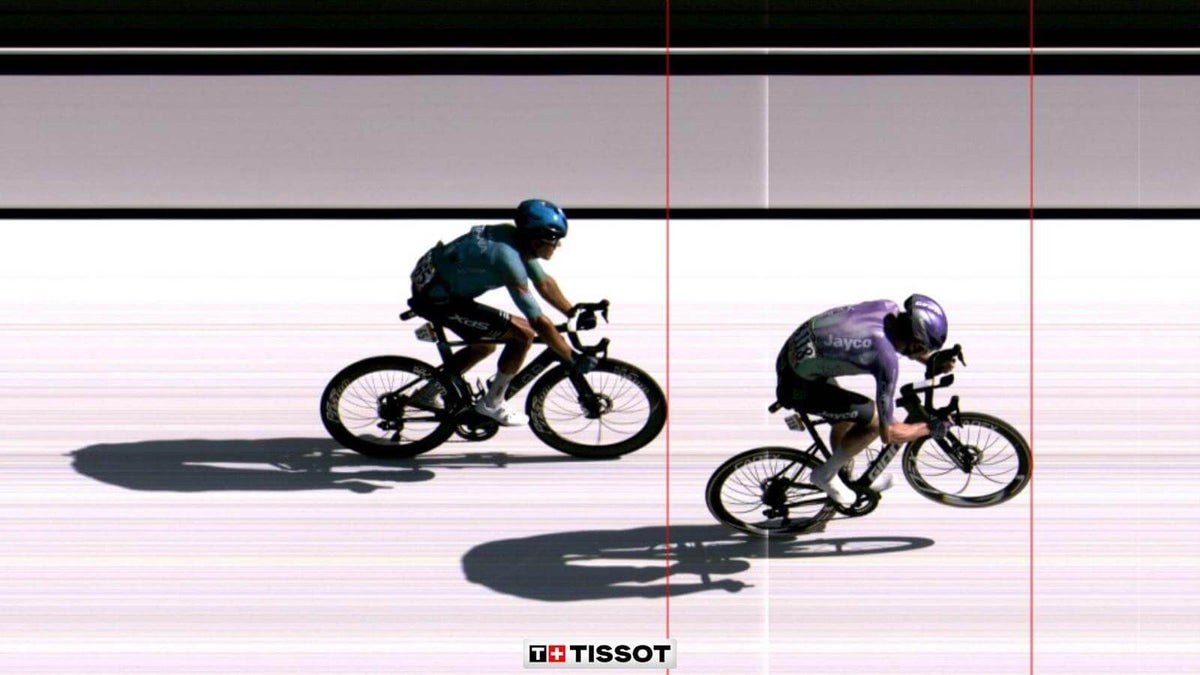
BELFORT, France — This is not a typical photo finish. Astana’s Harold Tejada is trailing, forlorn; that much is normal. But in front, just over a bike length ahead, is Jayco-Alula’s Mauro Schmid, winning his first ever stage of the Tour de France — and he is popping a wheelie.The first people to see are stationed in a tiny yellow cabin directly across the line. Only one is actually watching the race; the others work quickly on banks of computer screens in front.These are employees of Swiss Timing, a sister company of Swiss watchmakers Tissot, first responsible for calculating the Tour’s time gaps in 1988.“Let’s say this is where the magic happens for the Tour de France,” says Tiago De Almeida, one of its occupants. “In the end, if you don’t have time, you cannot have the show. Who can be yellow jersey if you do not know the gaps?”Their main tool, for that job at least, is a small red transponder that sits on the front fork, triggering a finishing loop that automatically sends itself to the timing booth. While it is accurate enough to generate timings to the nearest second, all that is needed to dictate the general classification positioning of the peloton, the race needs more elaborate technology to judge the placings of hectic bunch finishes.This is achieved by the photo finish technology — predominantly provided by two white, bell-shaped cameras either side of the finish line. Though, in theory, one alone is capable of providing a photo finish, the number of bodies in the bunch means that it is safest to measure the peloton from both sides — too many bodies stops the technology from working — with the second working as a validator.Schmid’s wheelie celebration, seen from a more traditional angle. (DAVID PINTENS / BELGA MAG / Belga / AFP via Getty Images)“You’re filming an HD block — 1920 x 1080 — and each pixel is having 10,000 pictures taken each second. Every time, there’s some small change — colour, structures — and when that changes, our software here can recreate the picture. That’s why we can be so precise when we give a time for each bike.”A blue line is then manually applied on the screen to each bike, corresponding with the time axis, before one of Tiago’s colleagues, Maxime, manually validates the result.
What happens on a Tour de France finish line — apart from the occasional wheelie?
The Athletic visits the crew who ensure that stage results are confirmed almost instantaneously
1,134 words~5 min read