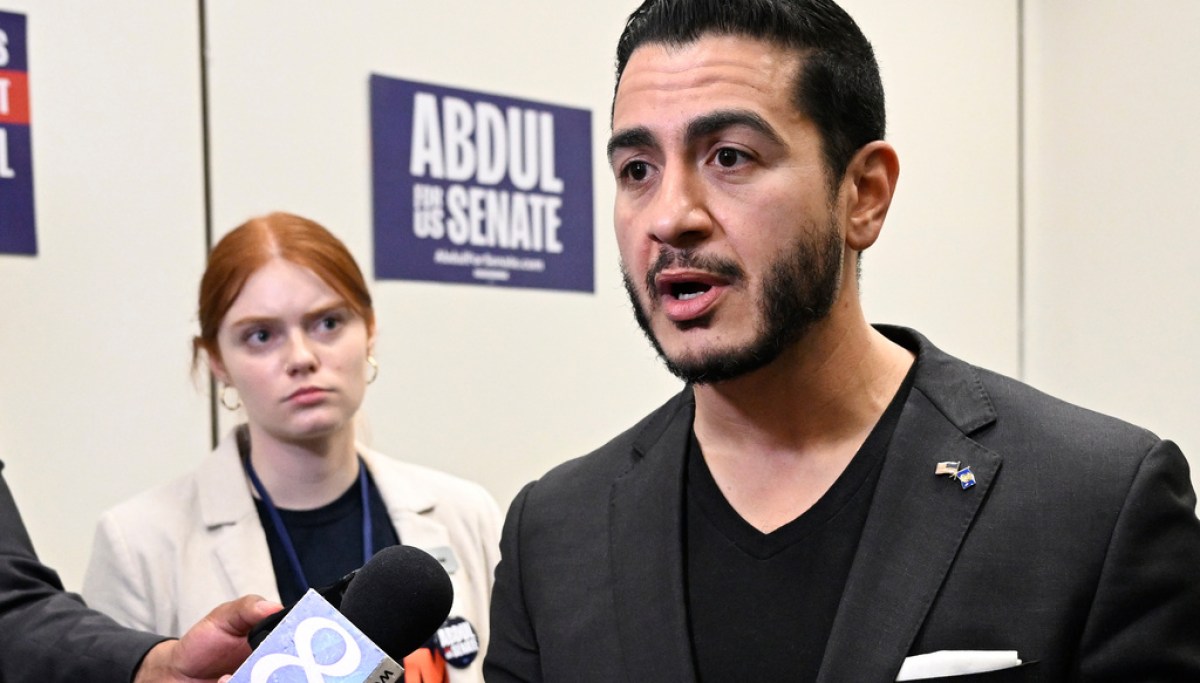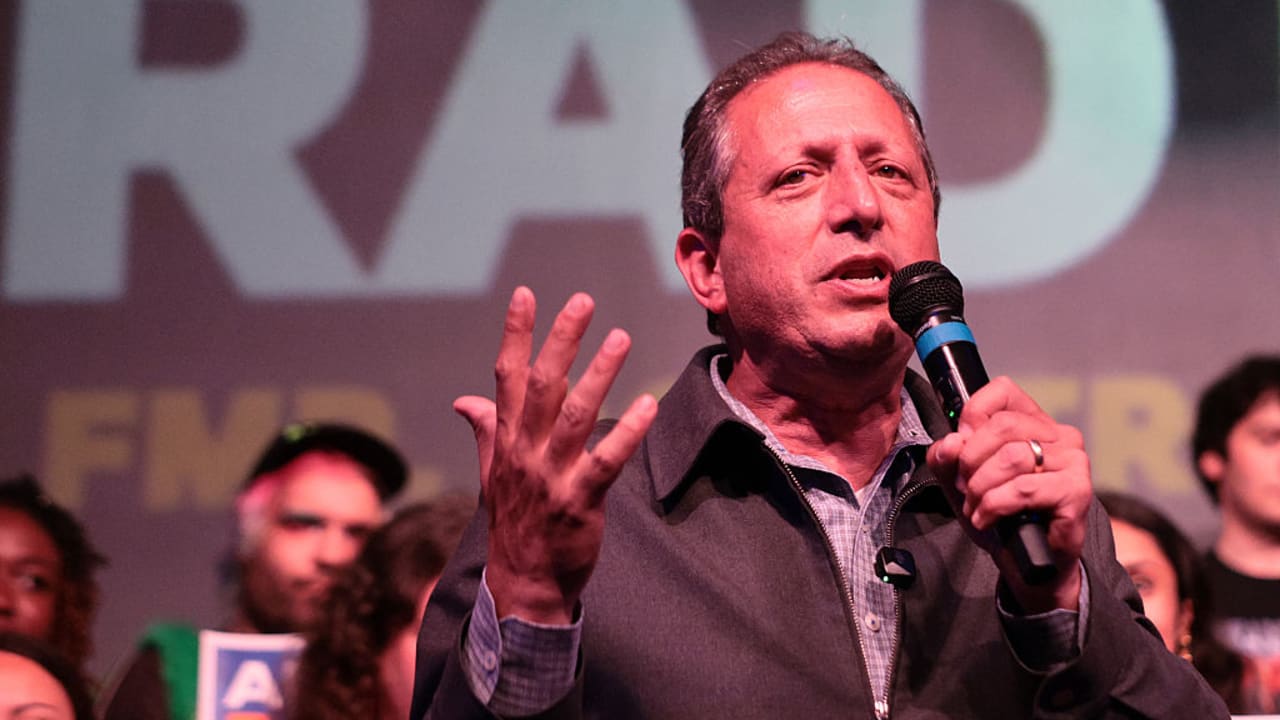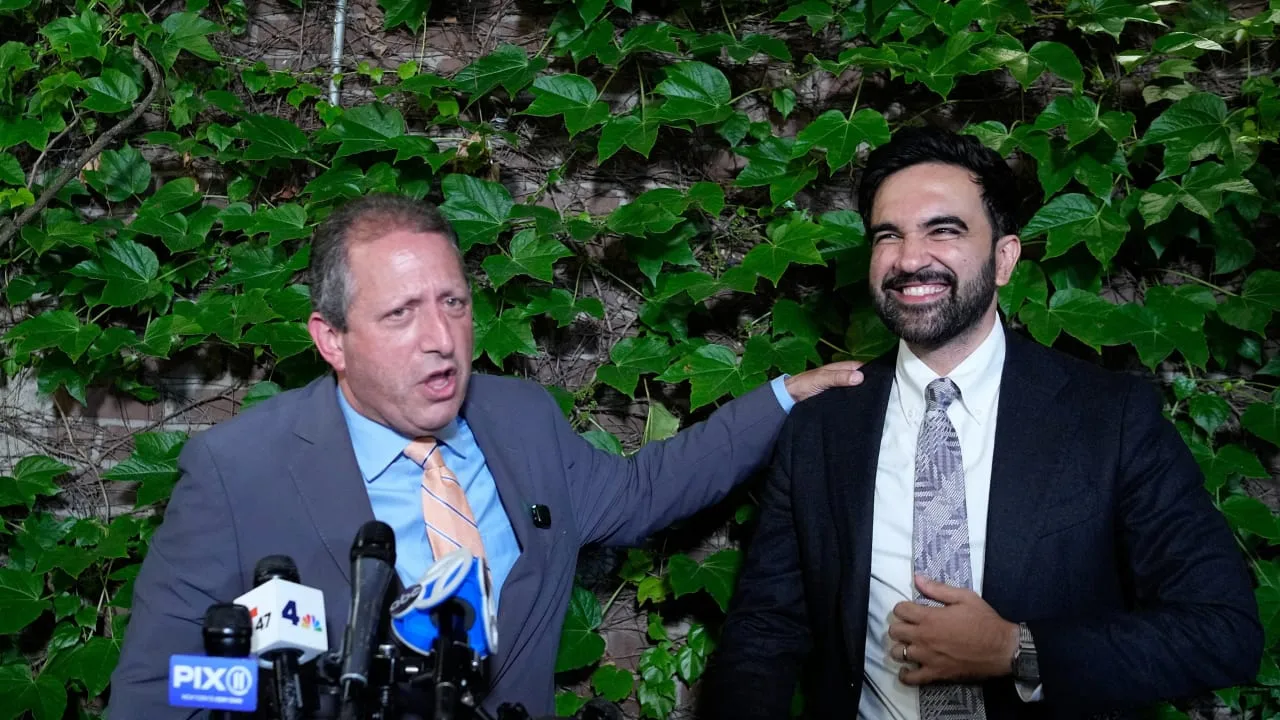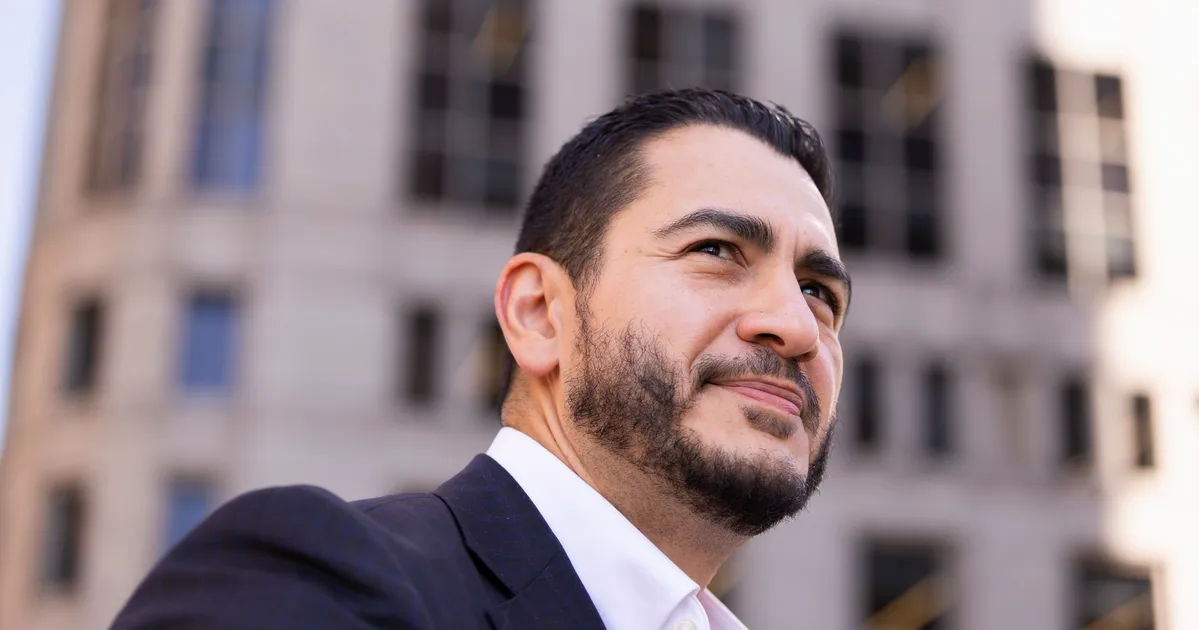
A little over a week ago, Brad Lander—fresh off his recent ousting of incumbent Dan Goldman as the Democratic Party candidate for New York’s 10th congressional district—endorsed Dr. Abdul El-Sayed for the upcoming August 4 primary to become the Democratic Party’s Senate candidate in Michigan.
This endorsement reveals something fascinating about anti-Zionism in American politics, something that has become even more pronounced with Wednesday’s historic vote in the House of Representatives, in which a majority of Democrats voted to withhold military aid to Israel.
What it shows, primarily, are two things:
One, that making a commitment to curb Israel’s ability to wage war is the new floor necessary to win elections in the United States.
And two, that coalitions around Israel have been scrambled and re-aligned. Not so long ago, a liberal Zionist might join forces with a zealot like Chuck Schumer in trying to defeat someone like El-Sayed. For a long time, such coalitions tended to pull tepid critics of Israel towards public support for the ethnostate. Things are a little different today. Americans now live in a world where liberal Zionists are no longer the outer, most Palestine-sympathetic edge of a coalition dominated by militant Zionist hawks. Rather, sympathy for Palestinians and anger at Israel have become defining aspects of Democratic coalition-building. Politicians like Lander now occupy the outer edge of a coalition driven by El-Sayed and Mamdani. Instead of nudging people towards Zionism, such coalitions are pulling progressive politicians more towards the pro-Palestine camp with each special election.