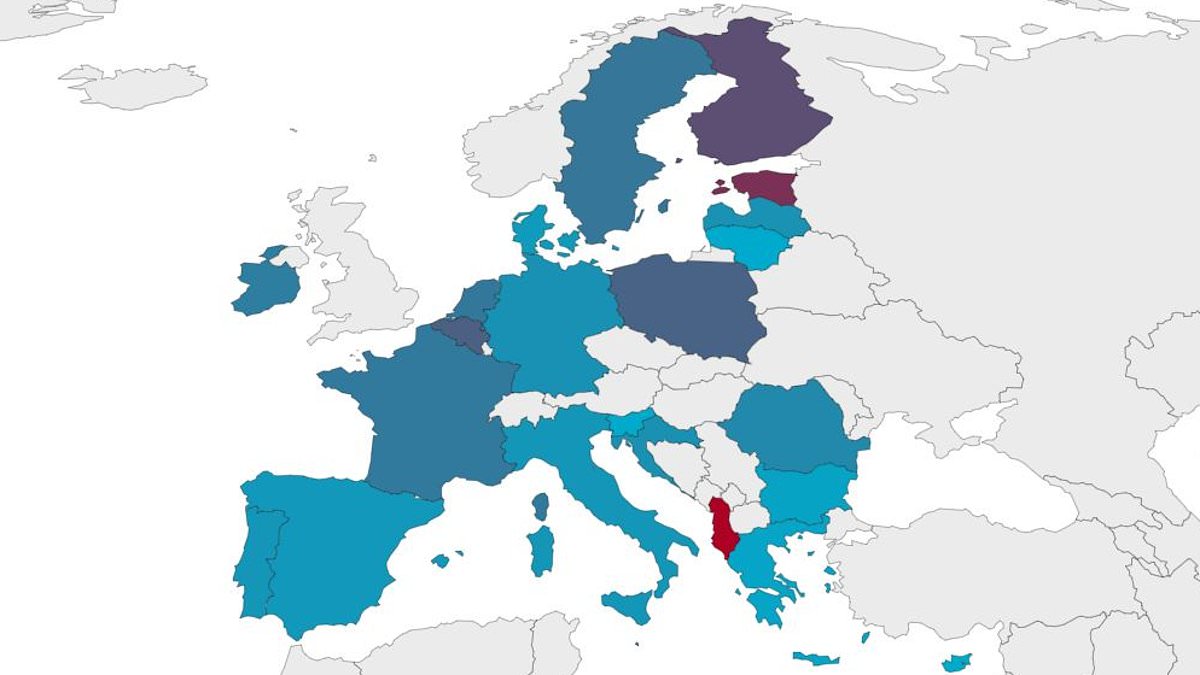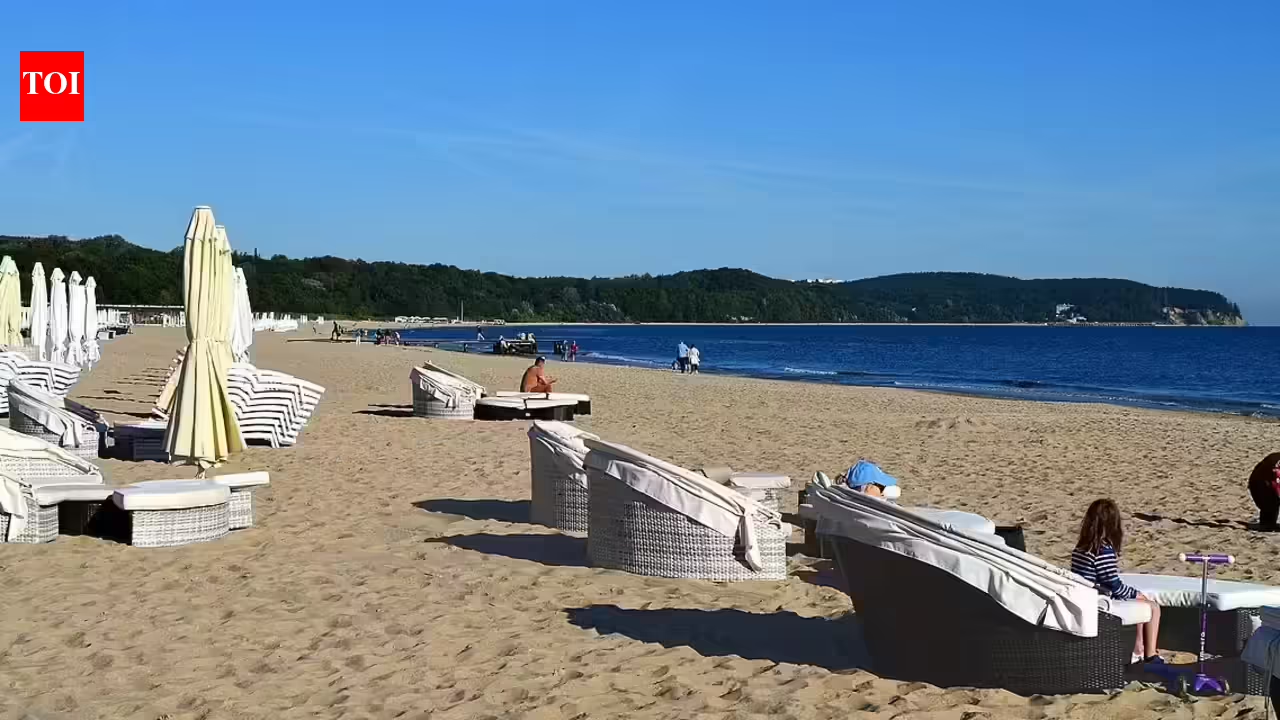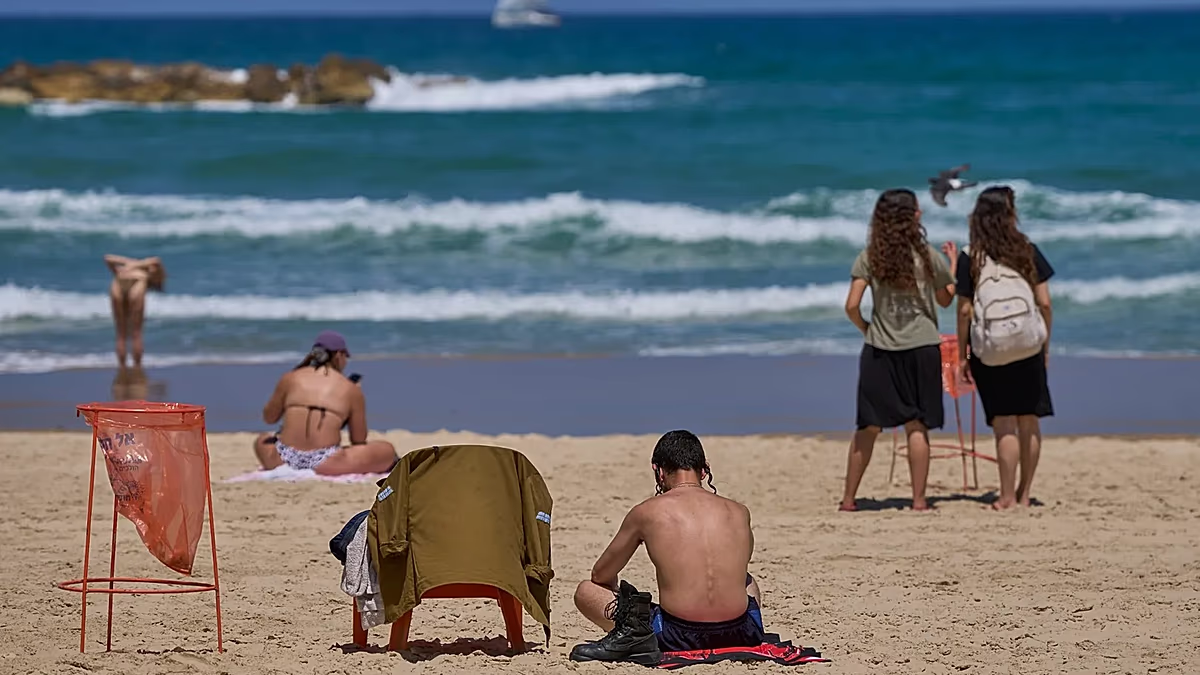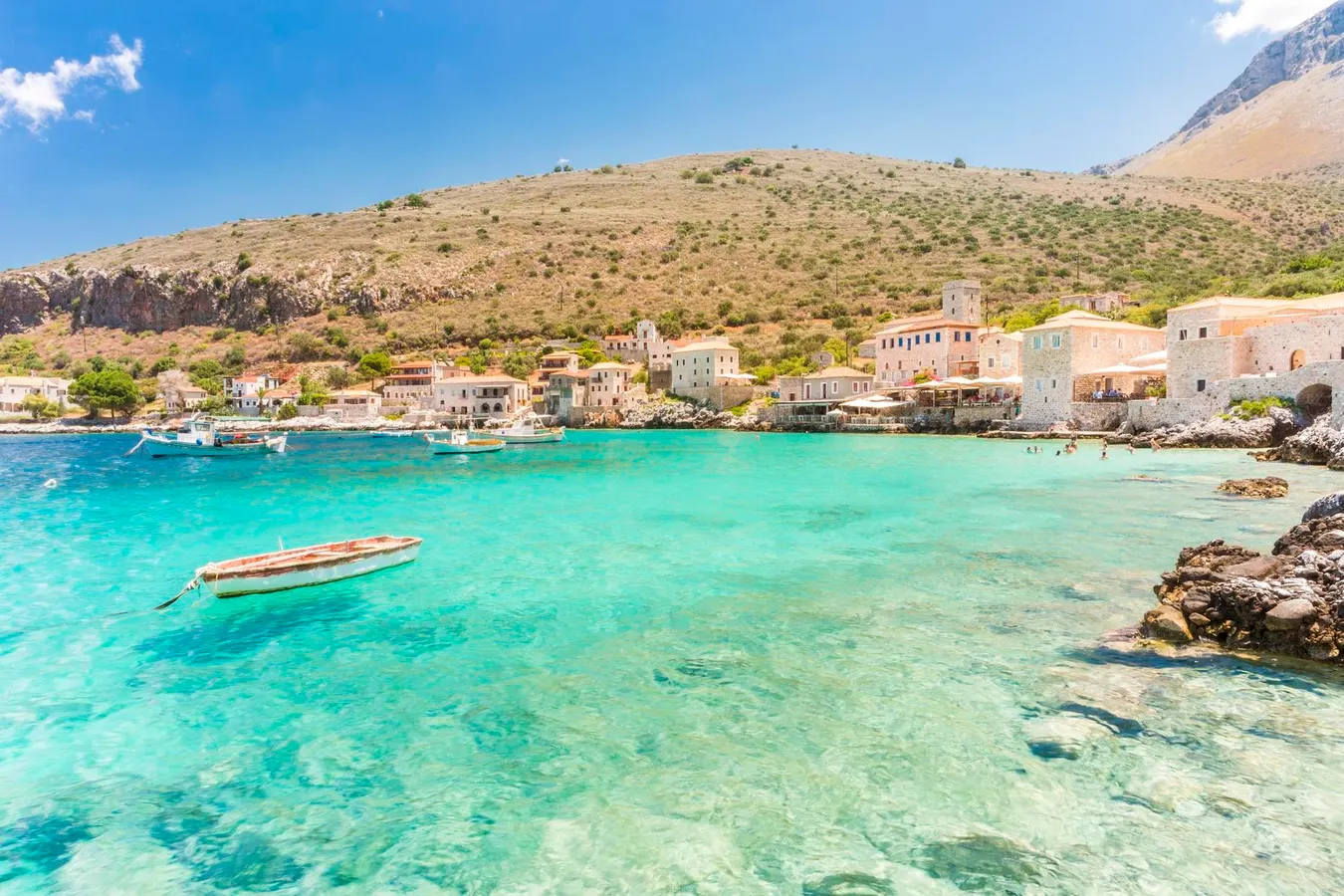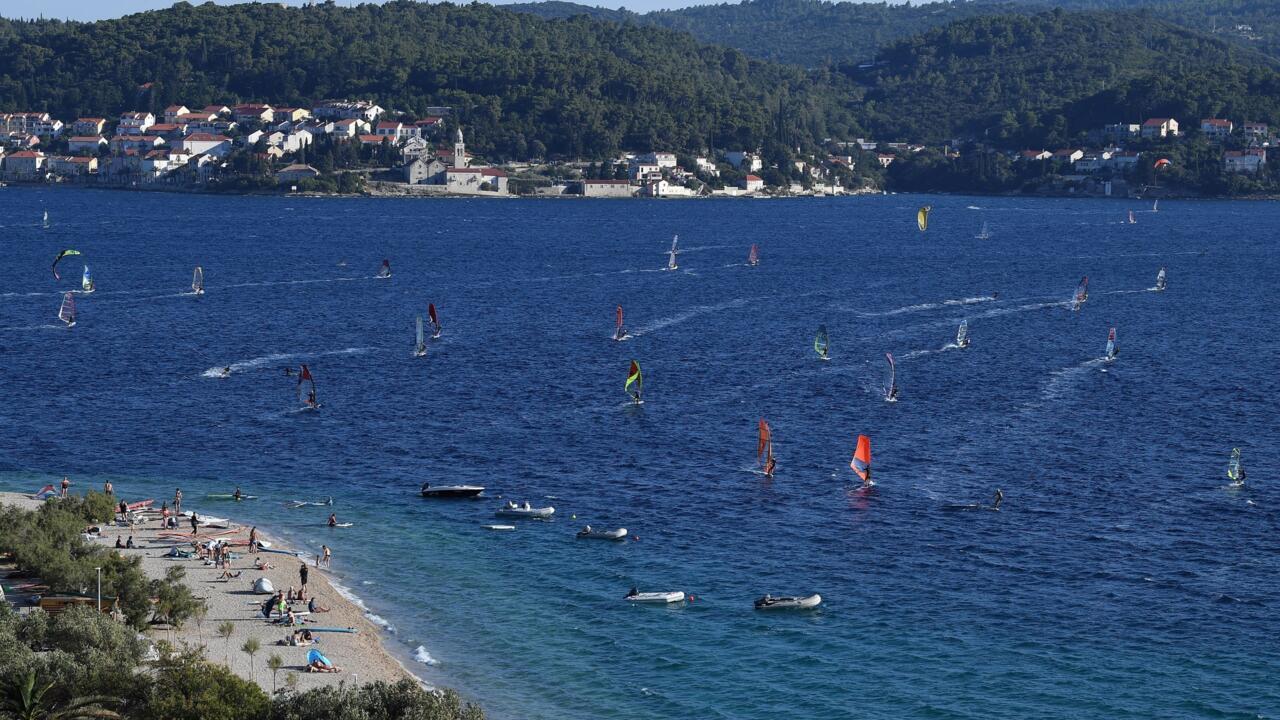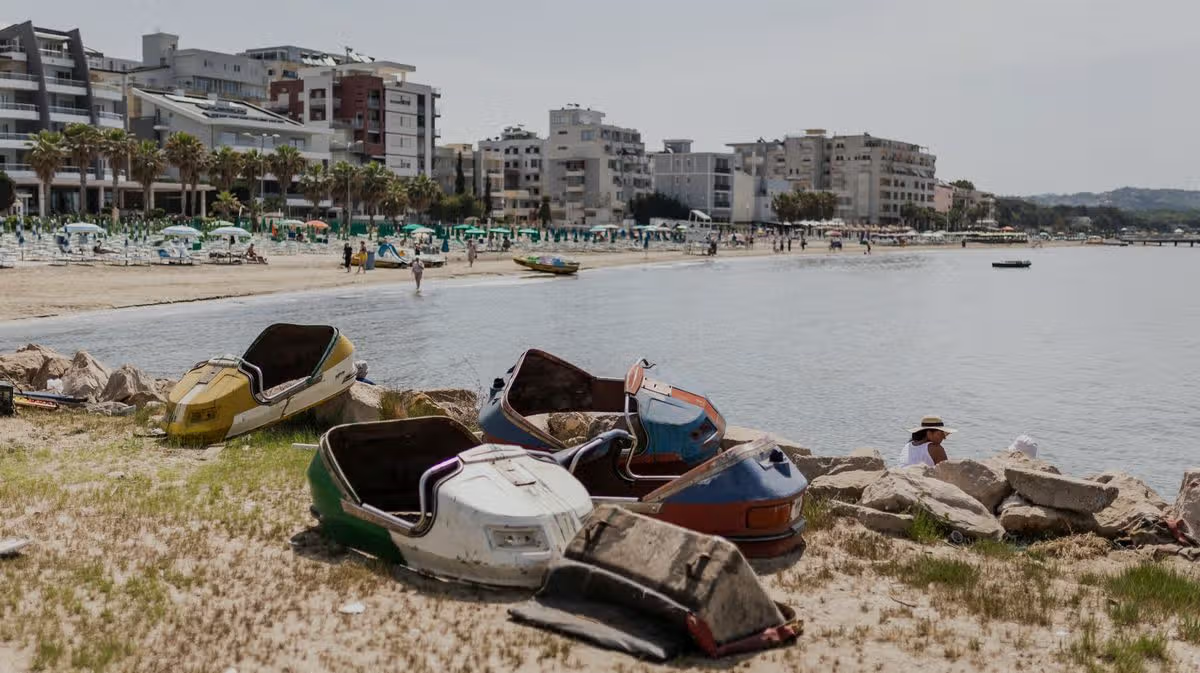
The country has grown in popularity in recent years, as it has drawn comparisons to far-flung beaches such as the Maldives, but a recent study has shown its beaches may be hiding a dirty secret08:26, 20 Jul 2026A major holiday hotspot often dubbed the ‘Maldives of Europe’ has been named the country with the dirtiest seas on the continent.A study by Which? looked at 22,289 European Environment Agency (EEA) reports on bathing water quality and the number of beaches in each country ranked as either ‘excellent’ or ‘poor’.While it was good news overall, with 96% of beaches across the European Union (EU) meeting minimum quality standards, one country saw only 16% of its bathing waters rated as ‘excellent’. Despite the country drawing comparisons with the Maldives, and its popularity soaring in recent years due to its enticing white sand beaches, it scored extremely poorly compared to other nations.Albania found itself at the bottom of the rankings, with 23% of its beaches showing water of poor quality, meaning “significant levels of faecal bacteria were found” according to Which?. By comparison, in the UK, only 7% were ranked as poor.The sea can become polluted from sewage overflows or agricultural run-off, which can cause e. coli and intestinal enterococci to enter the water. These contaminants can cause illnesses from skin, ear, and eye infections to diarrhoea and vomiting, and vulnerable people such as children and the elderly can be more susceptible.Many visitors to Albania have taken to social media to share their experiences on the country’s beaches. TikTokker @paveltrips dubbed Durres the “worst beach in Europe” and showed images of rubbish on the sand, peeling paint on buildings, and houses falling apart.A TripAdvisor review of the beach area said it had: “Rubbish strewn everywhere and no sign of any cleaning service attending to it. Pavements on the main Rruga Paravesia are broken and (there are) many potholes and open manholes. High-rise buildings are empty, with unpainted and cracked masonry. Beach had rubbish strewn about."Content cannot be displayed without consentAnother video showed one visitor’s “expectations vs reality” of Ksamil, famous for its photogenic beaches with overwater hammocks and swings, much loved by influencers. However, the video, taken in 2024 shows torn hammocks, broken furniture and overflowing bins.Ksamil Beach has a dismal 2.7 stars on TripAdvisor, with a review from September 2025 saying: “The beach has been totally privatised and there is no space to go unless you go to a tacky beach bar and pay 10 euros to be on a crowded beach with sun loungers inches apart and covering the whole beach. A place that social media has bigged up but it’s to be avoided.”A few reviews said it was overcrowded, with another saying: “Big disappointment. I have never seen a beach with so many sunbeds and umbrellas. You could hardly see any sand. Loud boom boom music dominates. It really should be avoided if you want tranquillity, charm and relaxation.”Content cannot be displayed without consentHolidaymakers should check the EEA’s interactive map when swimming in Europe, as this shows whether a beach or lake meets EU standards for cleanliness. In the UK, the Safer Seas & Rivers Service app covers over 450 locations, so you can check whether any water quality alerts are in place.Some areas that have been ranked as having excellent water quality in Albania include Dhërmi, a village with two beaches, as well as Vlorë, the country's third-largest city, which is a popular beach destination.At the other end of the rankings by Which?, Cyprus came out on top with 100% of its beaches offering waters ranked excellent, followed by Greece at 97.1%.Albania’s National Tourism Agency (NTA) has been contacted for comment.5 European countries with the dirtiest bathing watersCountry - % of bathing waters rated excellentArticle continues belowAlbania - 16.8%Estonia - 56.9%Poland - 58.7%Hungary - 64%Belgium - 67.9%Have a story you want to share? Email us at webtravel@reachplc.com
Tourists slam 'European Maldives' for grim beaches with 'faecal bacteria'
The country has grown in popularity in recent years, as it has drawn comparisons to far-flung beaches such as the Maldives, but a recent study has shown its beaches may be hiding a dirty secret
647 words~3 min read