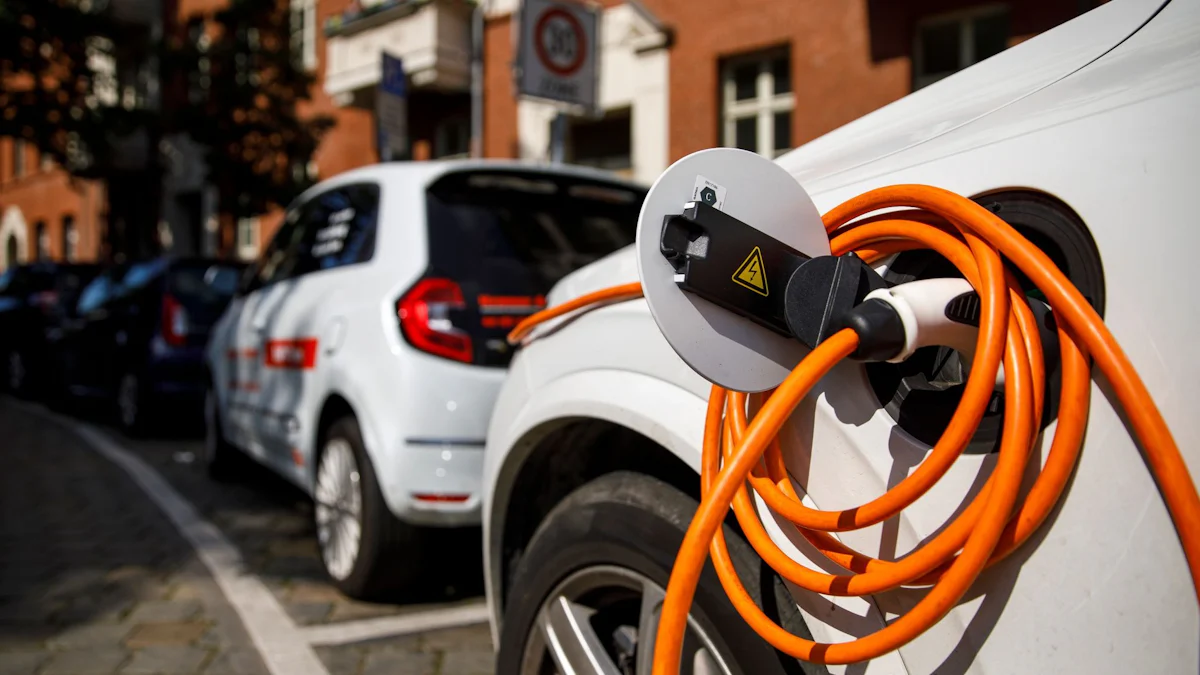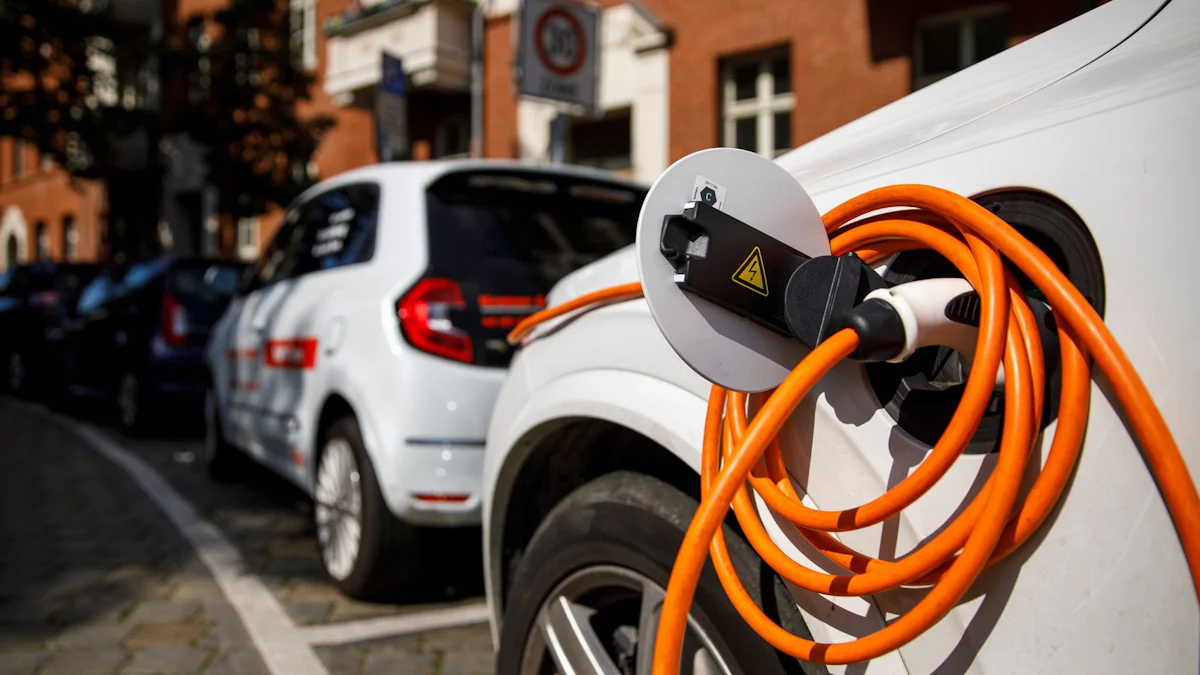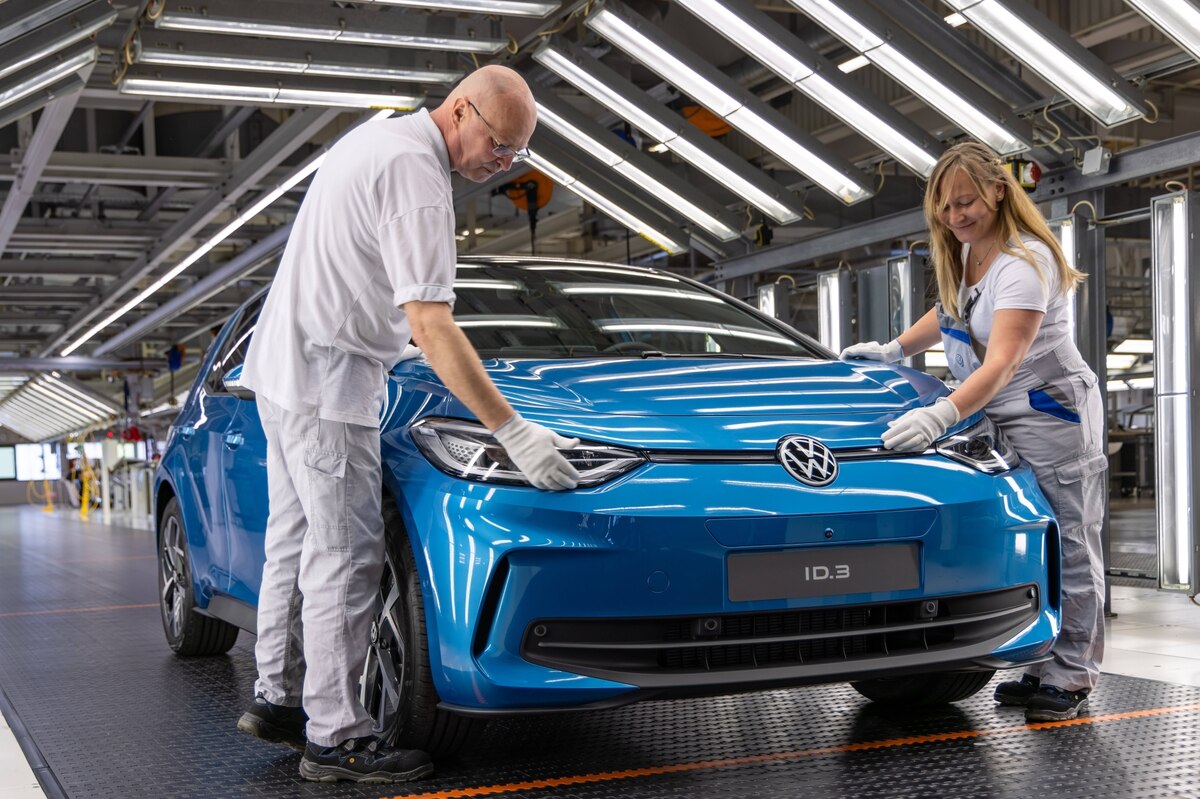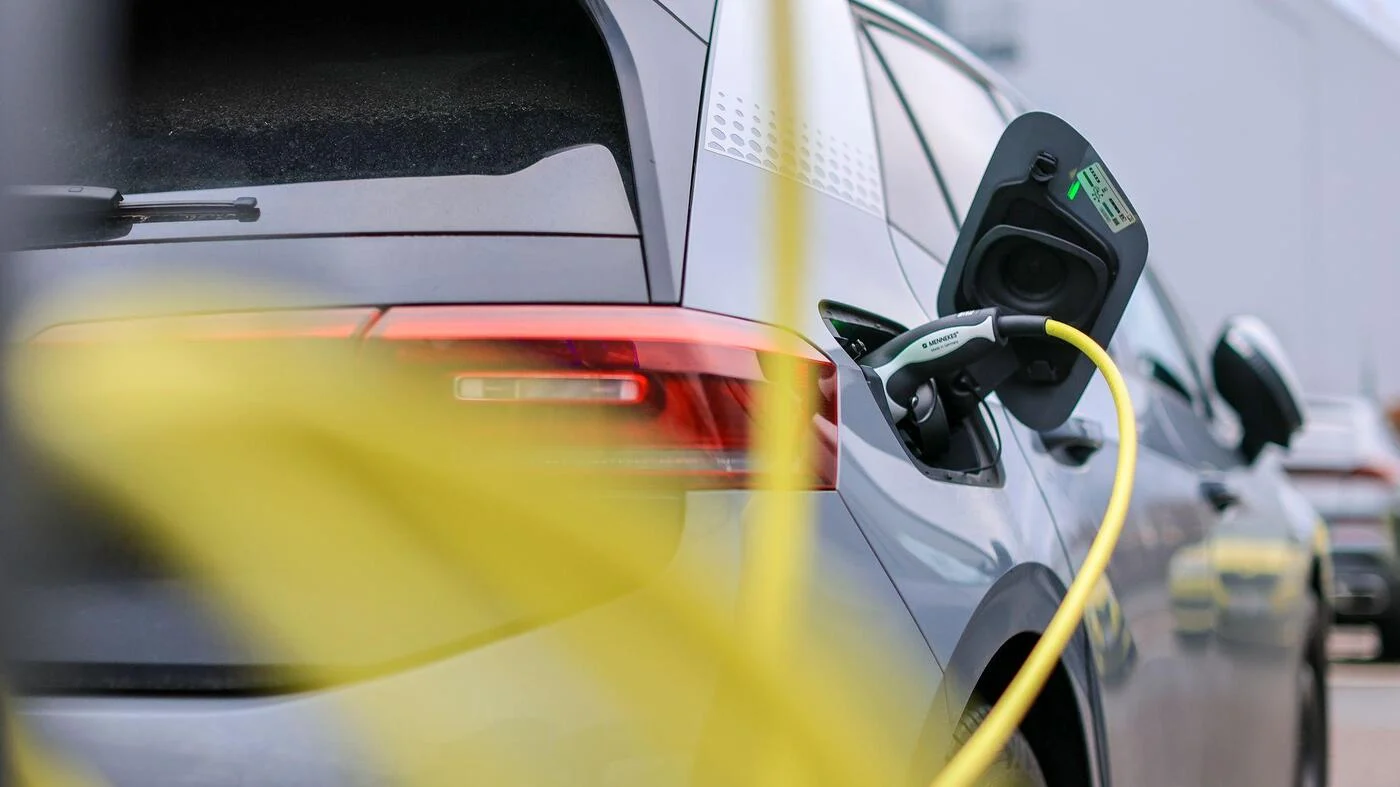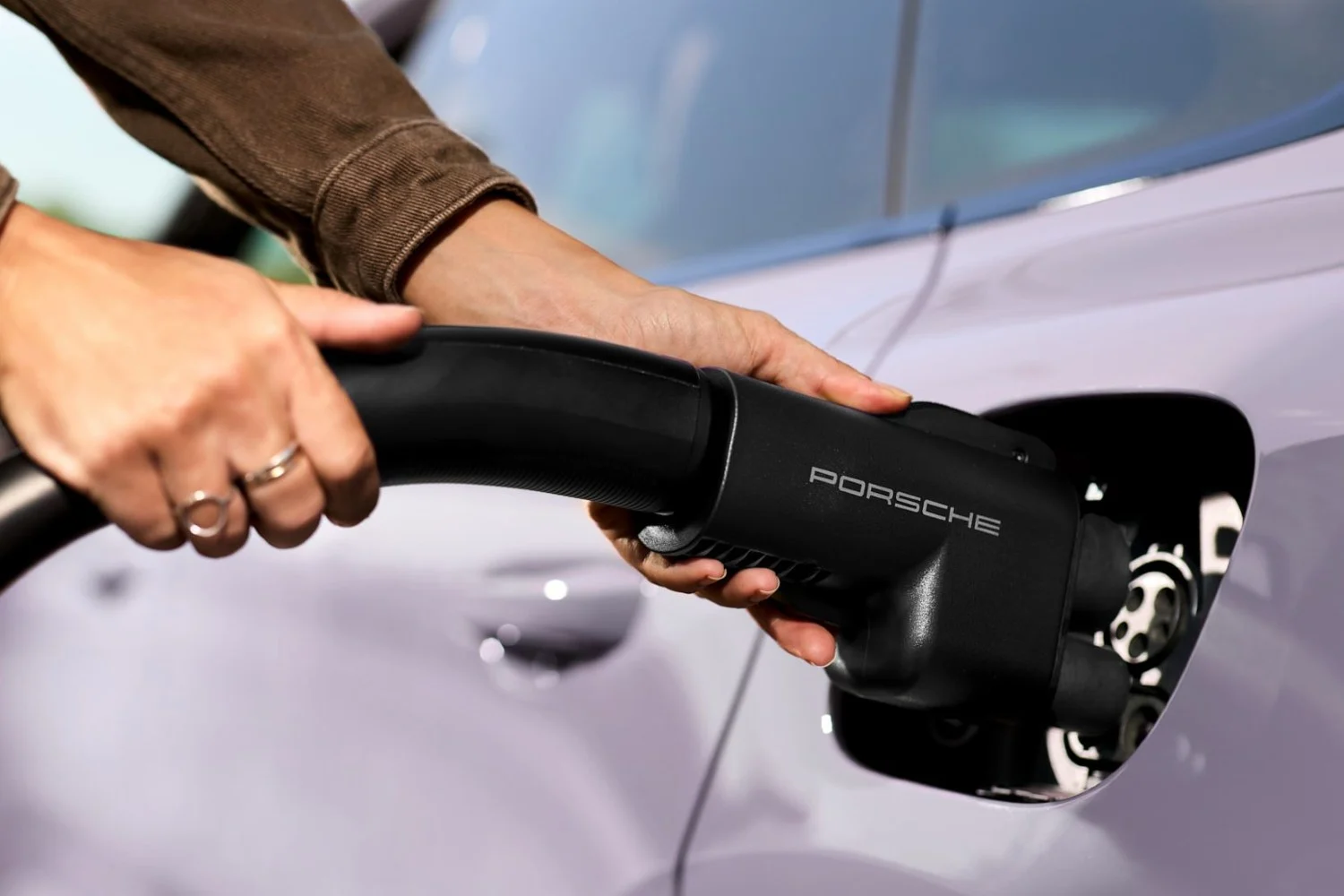
Battery-electric cars in Germany became around 18% cheaper in real terms between 2020 and 2025, according to a study by ICCT and Fraunhofer ISI. The researchers also found that the number of available EV models has more than quadrupled over the same period.Image: PorscheAt first glance, price trends appear to point in the opposite direction. The average list price of battery-electric cars increased nominally from around €37,000 to €53,000 between 2020 and 2025. However, the study attributes this primarily to a shift in the model mix, with vehicles in the mid-range and upper mid-range segments now accounting for 73% of the battery-electric car market. To ensure a like-for-like comparison, the researchers analysed individual models over time, adjusting for inflation as well as factors such as weight, motor output and range.The analysis shows that comparable battery-electric cars have become around 18% cheaper in real terms over the past five years. By comparison, the inflation-adjusted prices of internal combustion engine vehicles increased by around 2%.“Our results show that the market for electric cars has evolved significantly in recent years. Today, these vehicles offer, on average, longer ranges and more engine power, while the actual prices of comparable models have fallen. This a clear indicator of where Europe’s automotive market is headed,” said Peter Mock, Europe Managing Director at the ICCT. The study is based on over 100,000 individual data points from an ADAC database, covering six vehicle segments from compact to luxury cars.Falling battery costs open the door to lower EV pricesBattery costs are a key driver of this trend. Between 2020 and 2025, battery prices fell nominally by 21 to 24%, from around €165–185 per kilowatt-hour to approximately €130–140 per kilowatt-hour. Adjusted for inflation, this corresponds to a decline of 35 to 37%.However, manufacturers have only partially passed these savings on through lower list prices. At the same time, the average range of battery-electric vehicles increased by around one-third over the study period. According to the study, some of the cost savings have been invested in larger batteries and technical improvements or used to offset research and development costs. The researchers therefore see further scope for price reductions.“The significant drop in battery costs has not yet fully translated into lower list prices. This means that the potential for further price reductions in electric vehicles has not yet been exhausted,” explained Prof. Dr. Patrick Plötz, Head of the Department of Energy Technology and Energy Systems at Fraunhofer ISI and one of the study’s authors.At the same time, the range of available models has expanded significantly. The number of battery-electric models grew from 38 in 2020 to 159 in 2025, while the number of internal combustion engine models fell from 275 to 194 over the same period. In the mid-range and upper mid-range segments, the selection is now almost evenly balanced.However, the study identifies a gap in the lower-priced market. In 2025, just 19 battery-electric models were available in the mini and compact segments, compared to 35 internal combustion engine models. According to the researchers, broader market adoption will depend not only on lower prices for existing models but also on a wider choice of affordable battery-electric vehicles.Germany’s new electric vehicle subsidy has also been affecting purchase costs since the start of this year. Depending on income and family size, buyers of battery-electric passenger cars can receive up to €6,000 in support. Initial data on approved applications suggest that models offering a strong price-performance ratio benefit most from the scheme. According to the study, the combination of falling vehicle prices, a significantly broader model range and government purchase incentives is beginning to take effect. However, a supply gap remains in the price-sensitive compact car segment.theicct.org
Study finds EVs 18% cheaper to own in Germany - electrive.com
Battery-electric cars in Germany became around 18% cheaper in real terms between 2020 and 2025, according to a study by ICCT and Fraunhofer ISI. The
612 words~3 min read