There is a particular kind of silence that falls over Nigerian public life when the powerful are implicated, however loosely, in the death of someone with no power at all. It is not the silence of ignorance, everyone in Abuja seems to have heard some version of what happened to Mary Habila. It is the silence of a system that has learned to wait things out: to let a press conference stand in for an inquest, a lawyer's letter stand in for a warrant, and public fatigue stand in for justice.
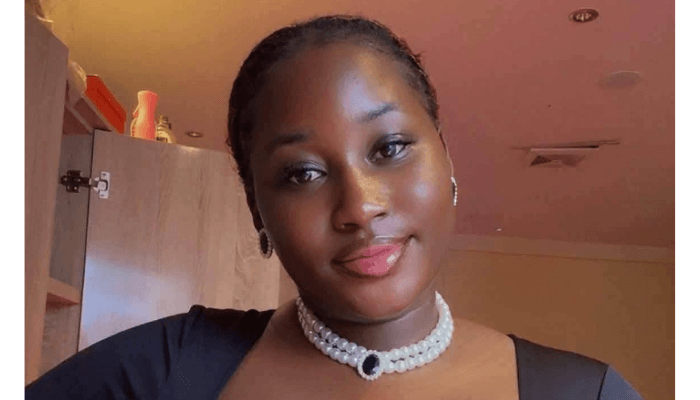
Habila was 26. She was a nurse, seconded from the David Umahi Federal University of Medical Sciences in Uburu to the Federal Ministry of Works, where for three years she worked closely with the minister, David Umahi, and his household. On 27 June she died at a guest chalet inside the minister's compound in Uburu, Ebonyi State, during an official trip from Abuja. Within days, competing accounts of her final hours were circulating: a locked door, a running tap, a phone call to a boyfriend about a nosebleed, a body discovered only after the door was forced. Her family, when they travelled from their home state to collect her remains, say they were turned away.
None of this proves wrongdoing. It is worth saying plainly, in the spirit of the fairness her case deserves, that nothing so far establishes that Umahi caused her death, and he has said publicly that he does not believe foul play was involved, going so far as to ask police to move the case to Abuja and to request a forensic autopsy himself. He has also described her as someone who had "stayed with me for three years" and was close to his family. Those are the words of a man who wants to be seen as cooperating. They are not, however, a substitute for an investigation that the public can actually trust.