Every year, as the sugarcane crushing season approaches, Pakistan finds itself trapped in the same debate. Farmers demand higher cane prices to offset rising production costs. Sugar mills argue that increased procurement prices make sugar commercially unviable. Governments intervene to broker settlements, while consumers brace for higher retail prices.
By the end of the season, all of them have negotiated a price. Yet almost no one asks the most important question: why does Pakistan continue to treat sugarcane as a pricing problem rather than a productivity challenge? This difference matters because prices merely redistribute value within the supply chain; productivity creates new value for everyone. A grower harvesting more cane from the same land earns higher income without depending entirely on a single factor of price increases. Millers process more efficiently, consumers benefit from a more stable supply, and the economy becomes more competitive. Unfortunately, public policy has rarely been designed around this principle.
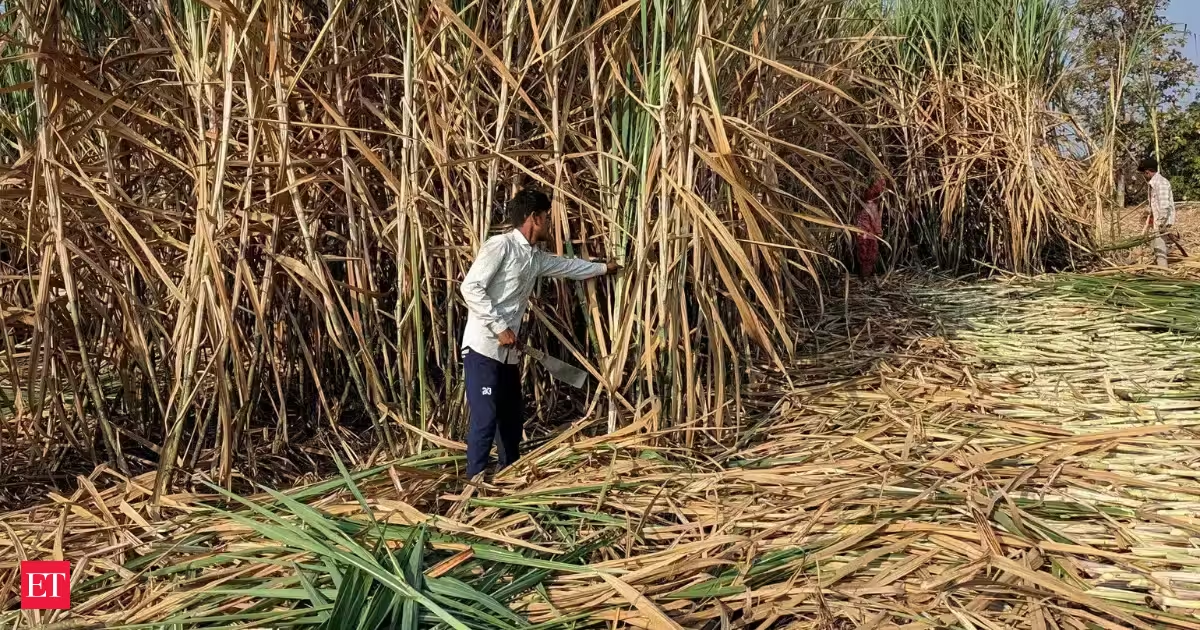
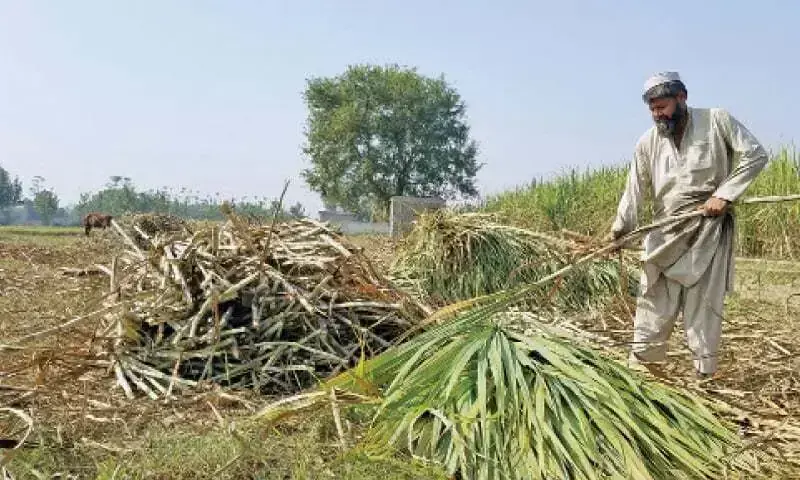
Sugarcane occupies a unique place in Pakistan’s economy. It supports millions of rural livelihoods and supplies raw material to the country’s second-largest agro-based industry after textiles. According to the Pakistan Economic Survey 2025-26, agriculture contributes 23.4 per cent to Pakistan’s GDP and employs about 33pc of the national workforce. However, the sugarcane crop contributes merely 0.8pc to GDP. Sugarcane was the best-performing major crop during the last fiscal year, with production rising by 6.2pc to 89.45 million tonnes.