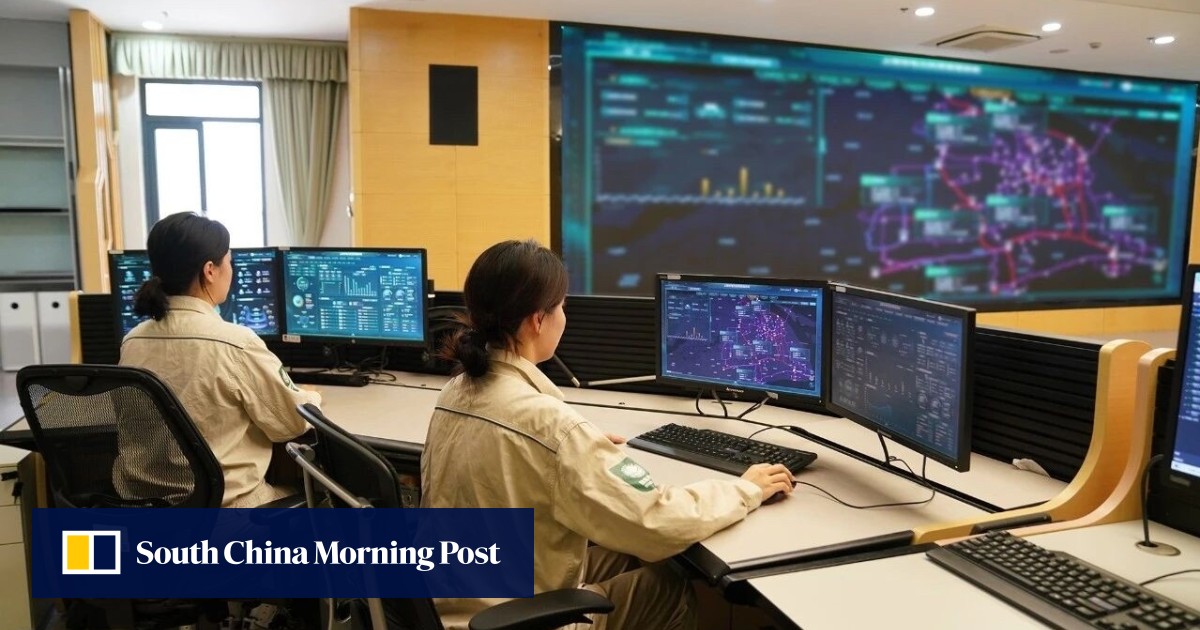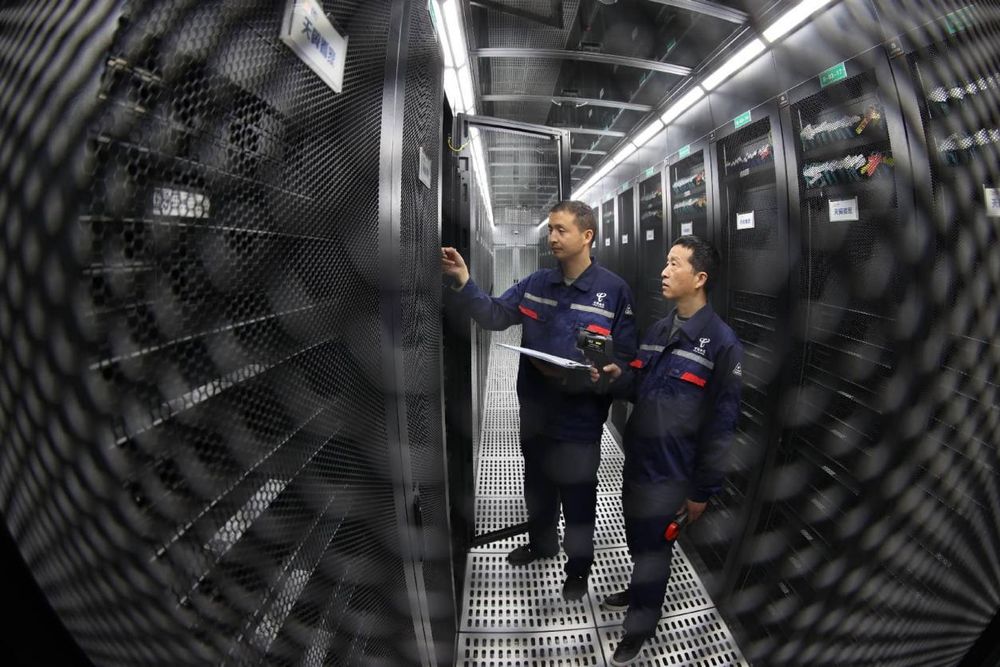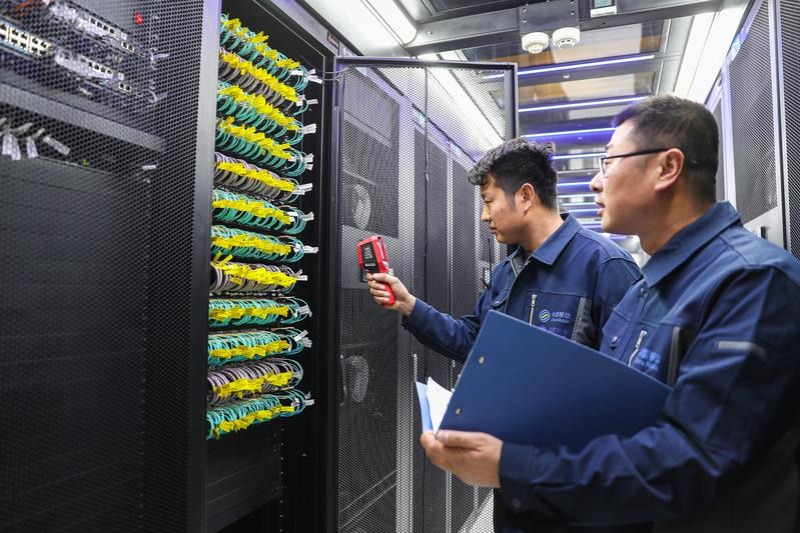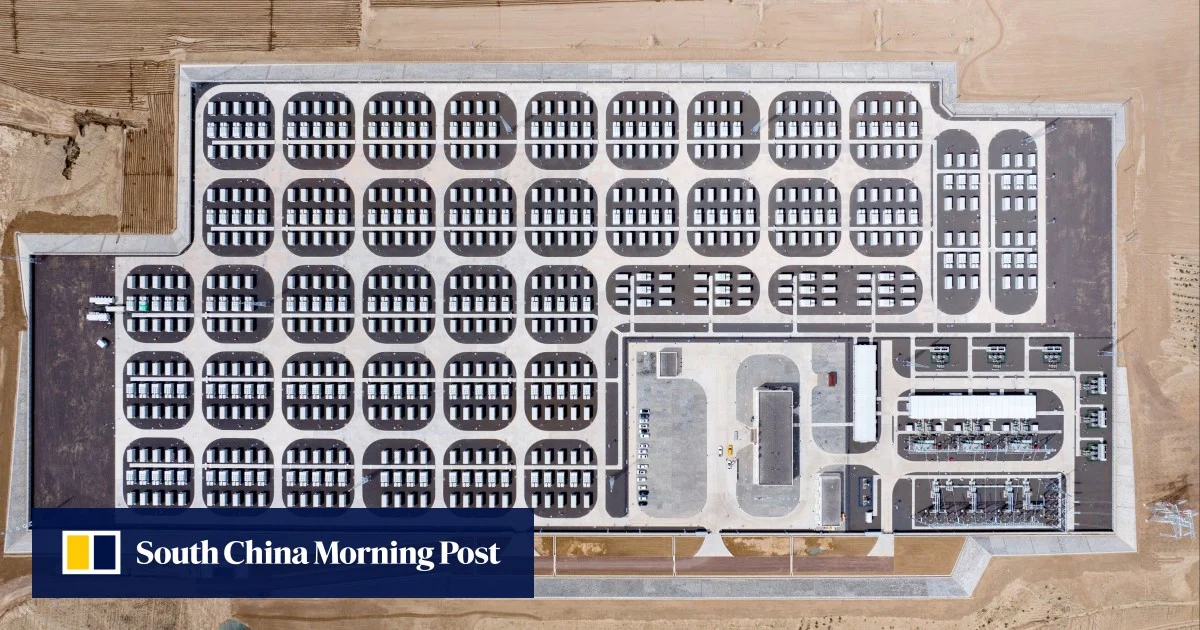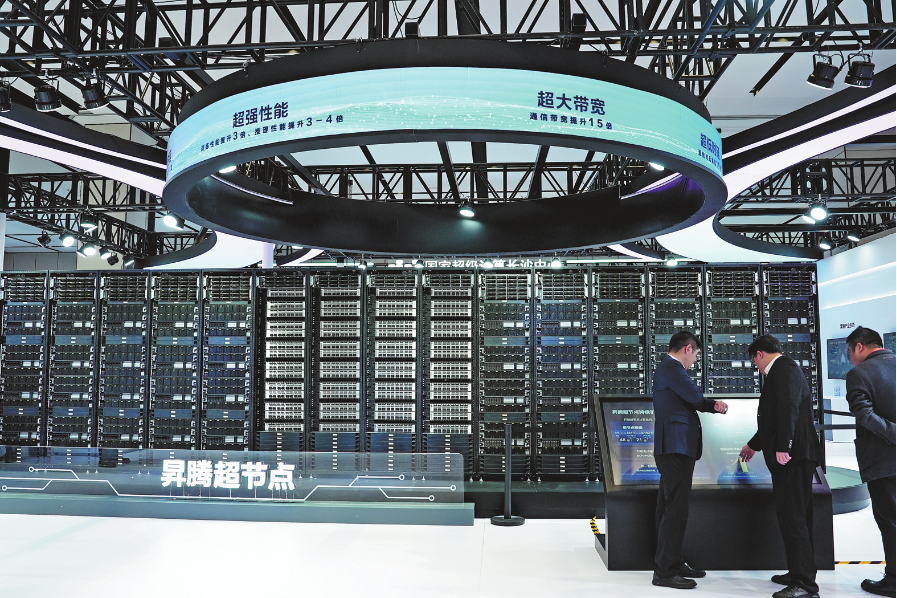
China has launched a massive, decades-long initiative to unify its domestic computing resources into a single national grid. The goal, unveiled by officials and engineers at the 2026 World Artificial Intelligence Conference in Shanghai on Friday, is to treat processing power as a basic public utility — allowing users to access AI computing as seamlessly as flipping a light switch.
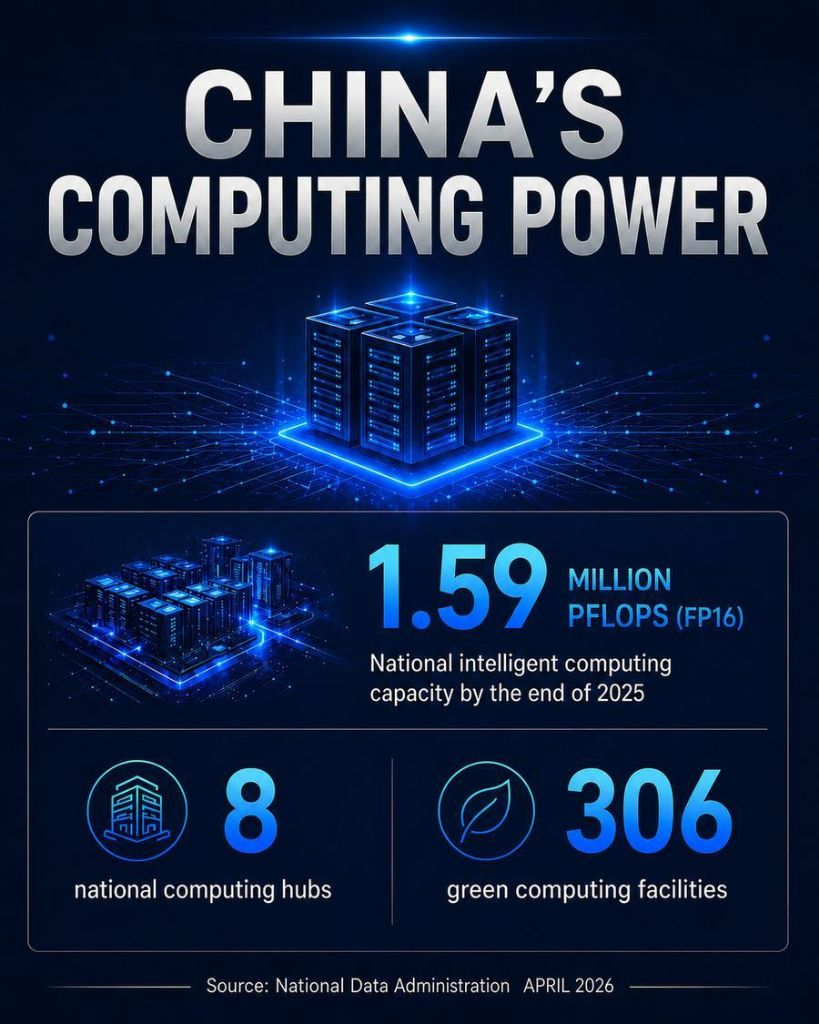
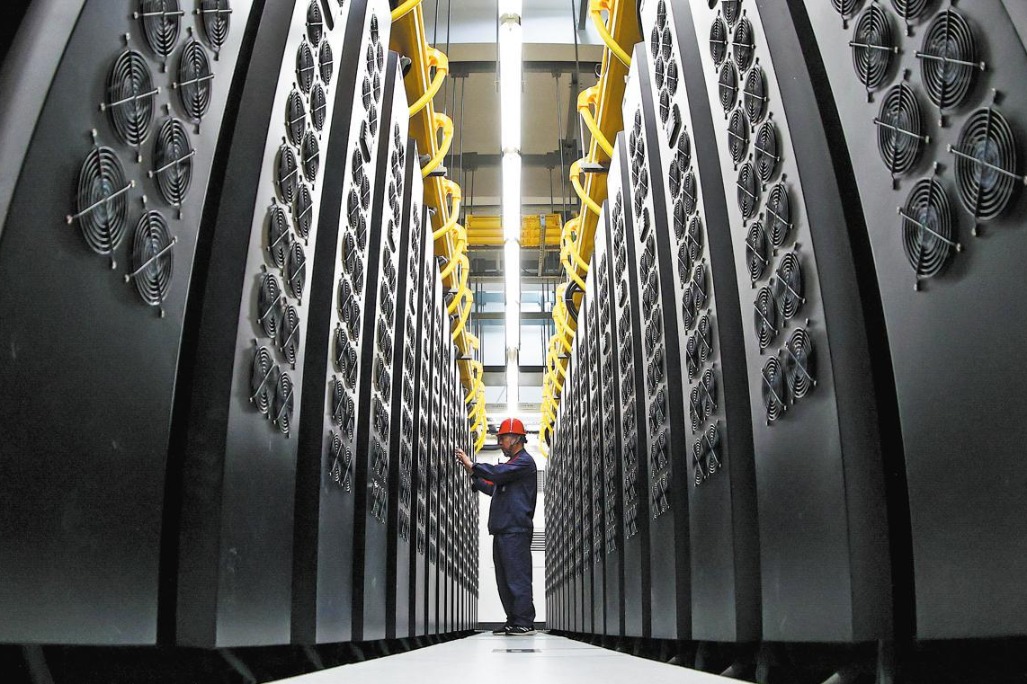
According to the National Data Administration, China's intelligent computing capacity surged to 1,882 EFLOPS by the end of March this year, powered by 14.45 million standard server racks. An EFLOP, or exa floating-point operation per second, is a standard measure of computing performance equal to one quintillion calculations per second.
To maximize this sprawling footprint, China is deploying a three-stage roadmap designed to strengthen self-reliance, optimizing local networks while funding frontier tech like quantum technology and orbital satellite clusters.
Gao Wen, director of Peng Cheng Laboratory and an academician at the Chinese Academy of Engineering, outlined the roadmap at the conference.
"The first stage focuses on pooling computing resources nationwide and about 70 percent of that work has already been completed. It means that roughly seven-tenths of China's computing resources have been incorporated into a unified database that is updated in real time," he said.