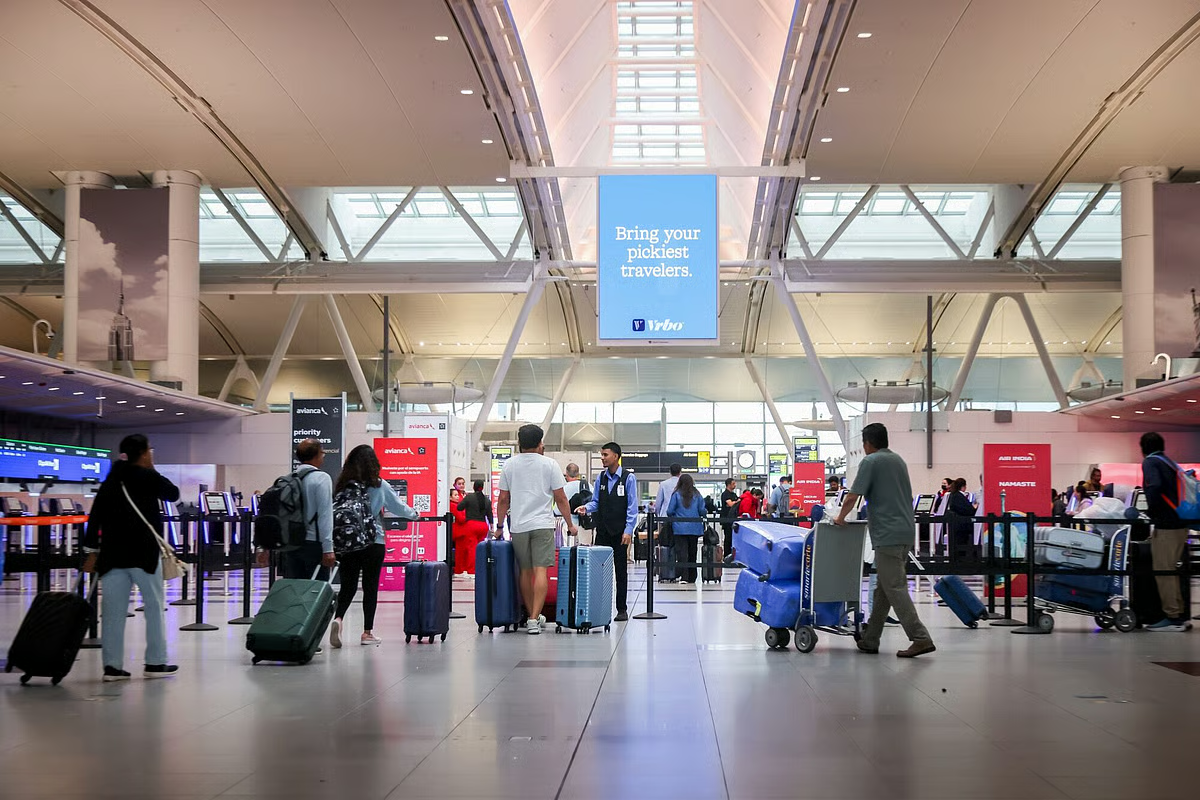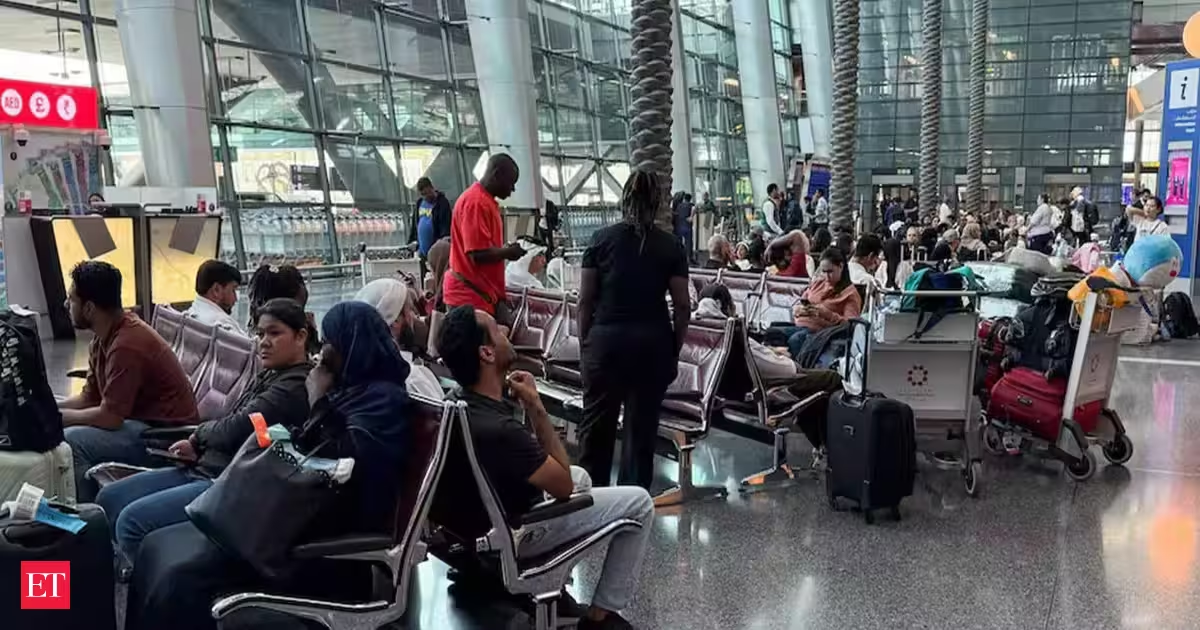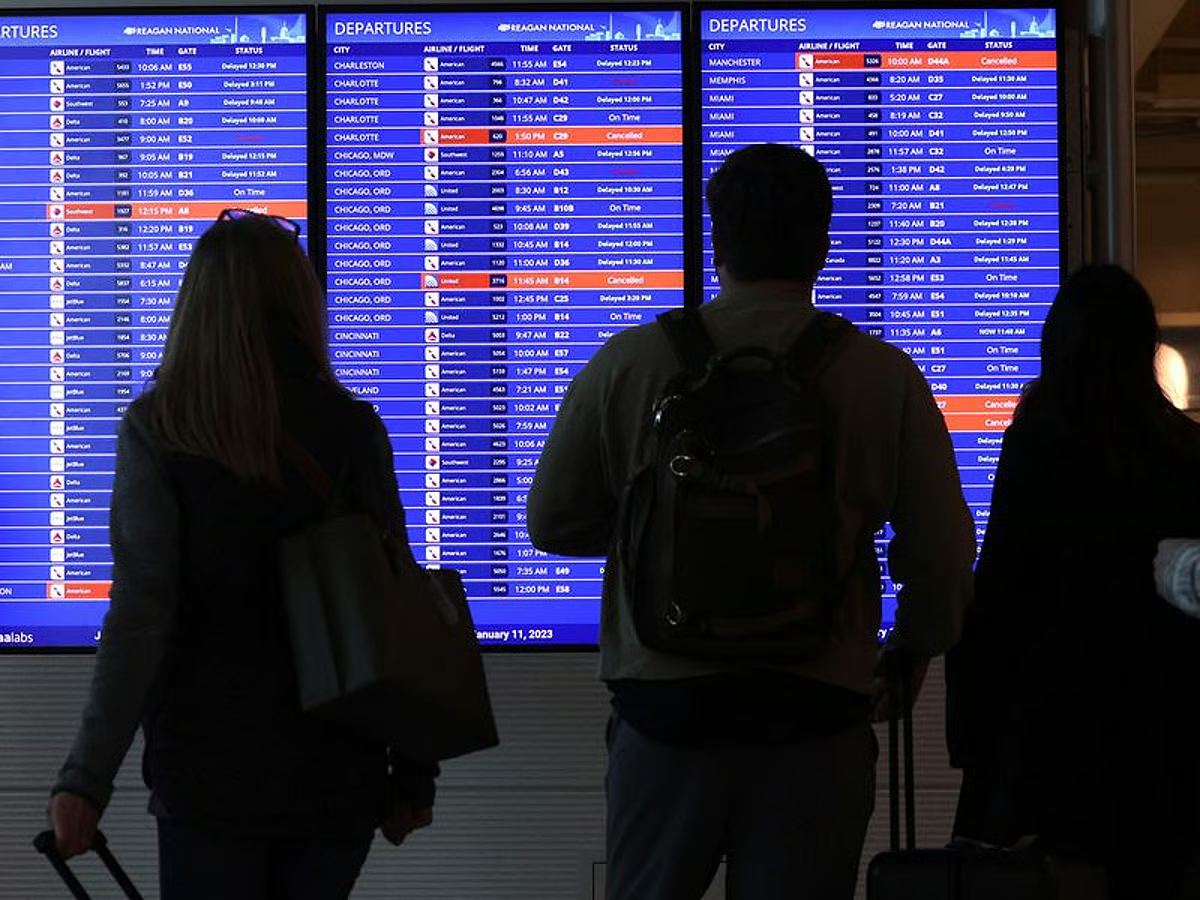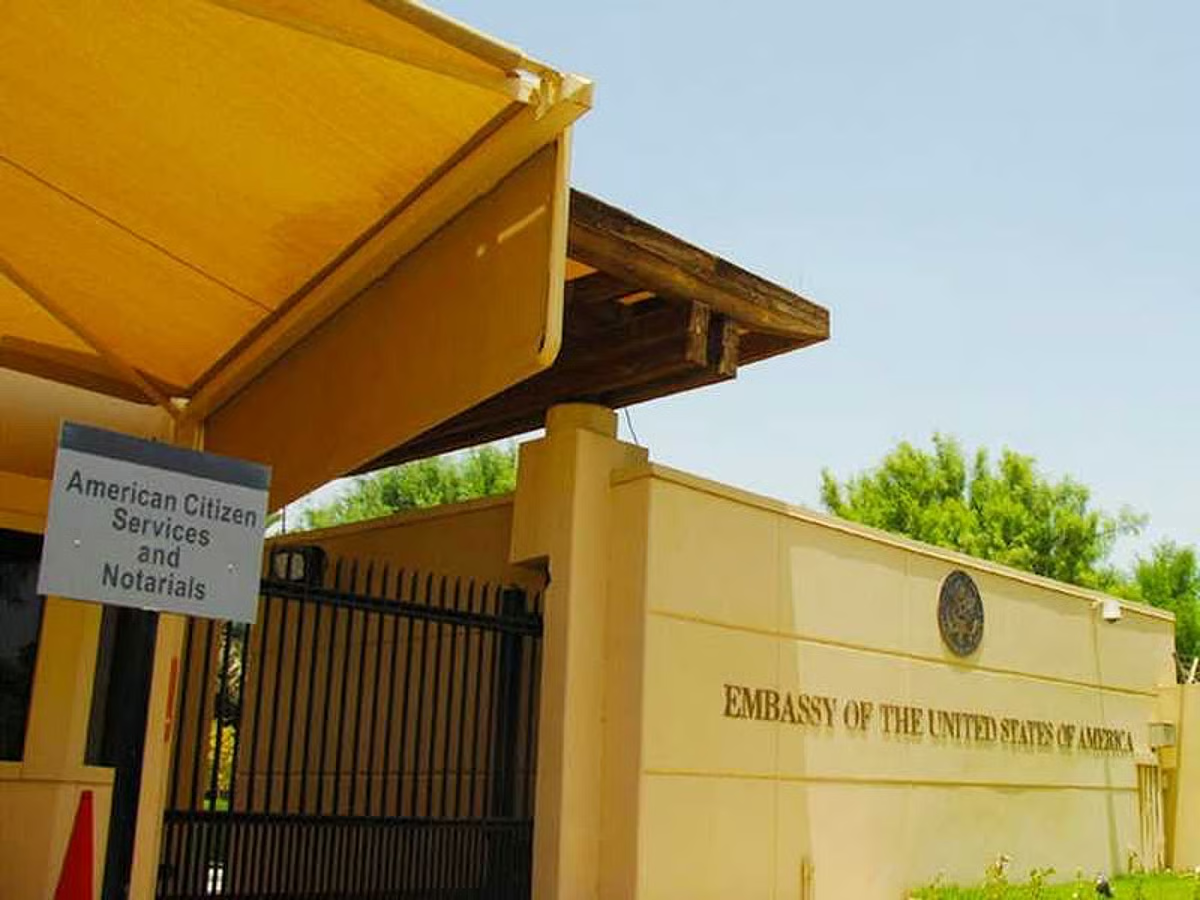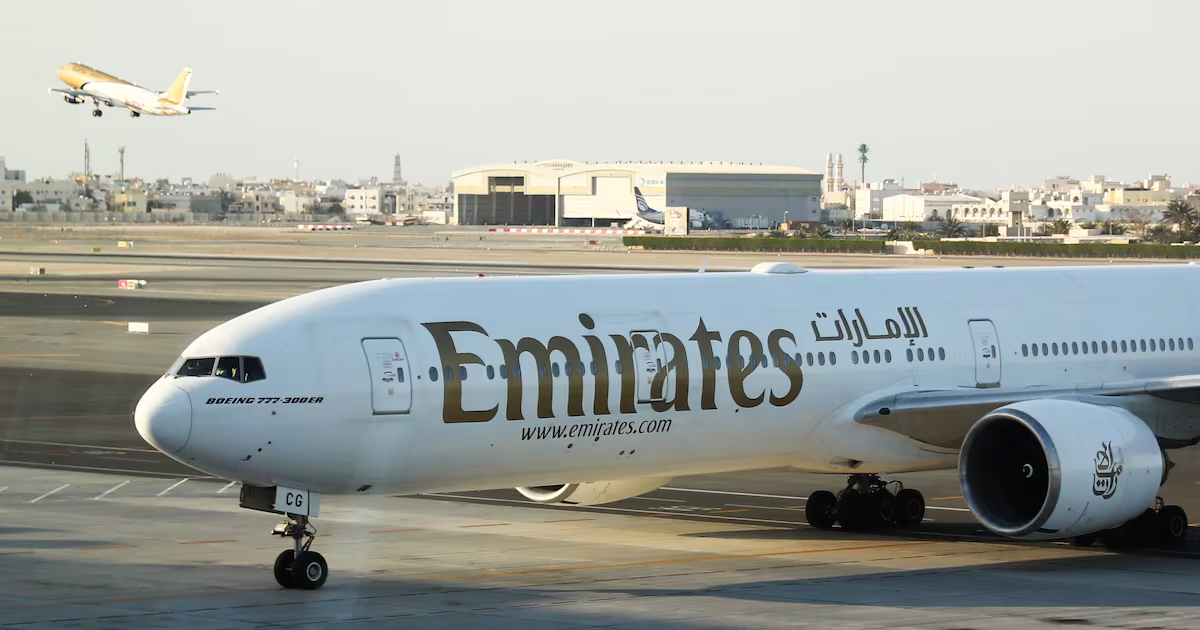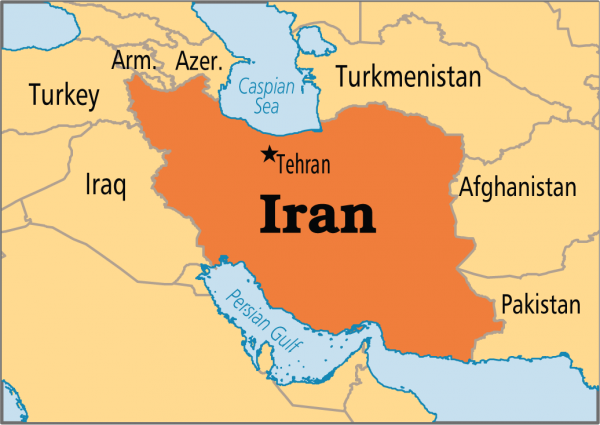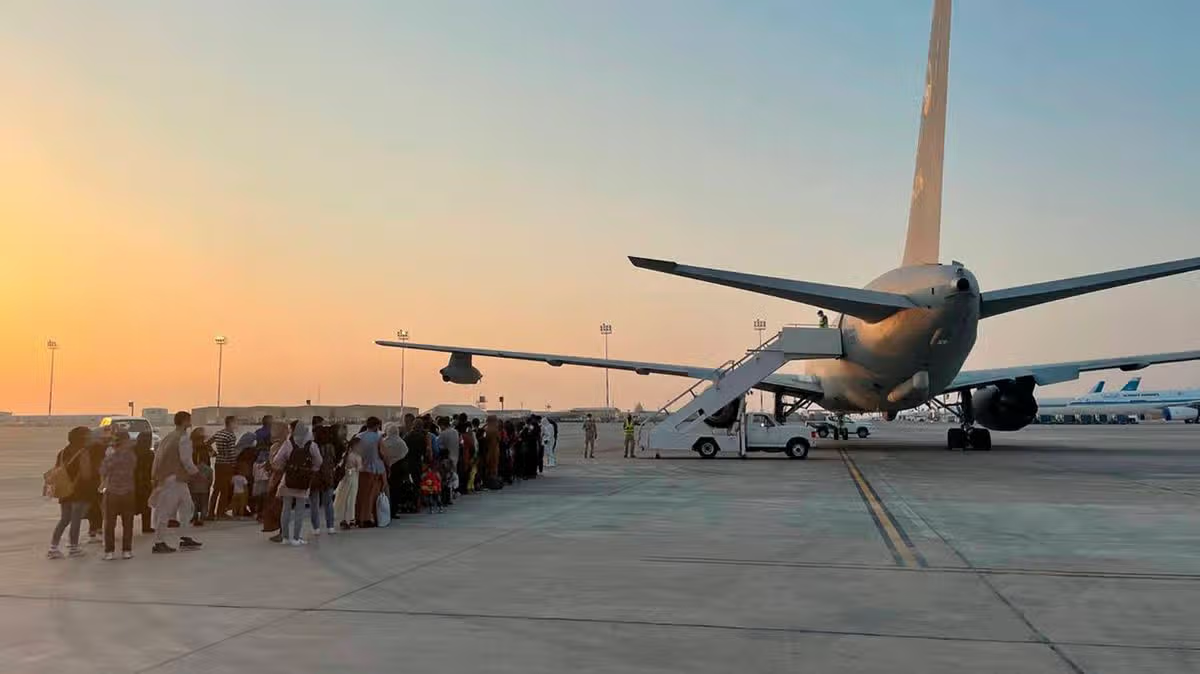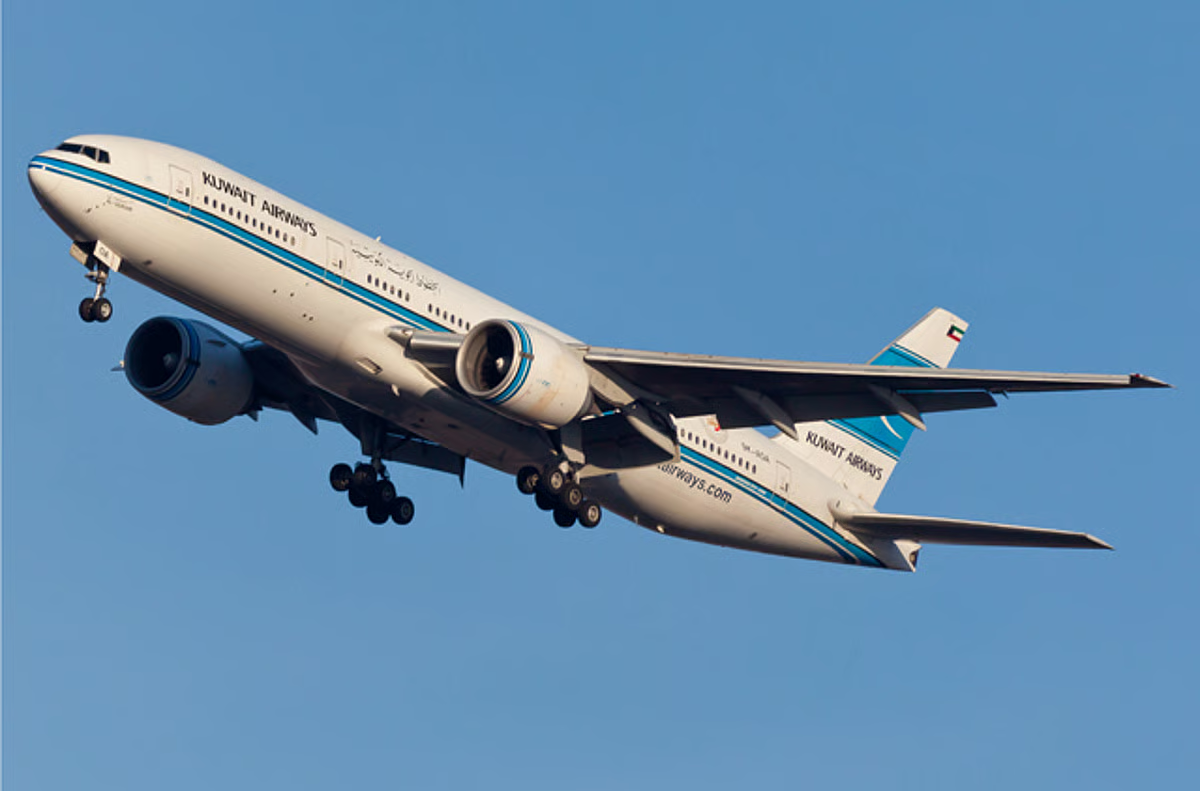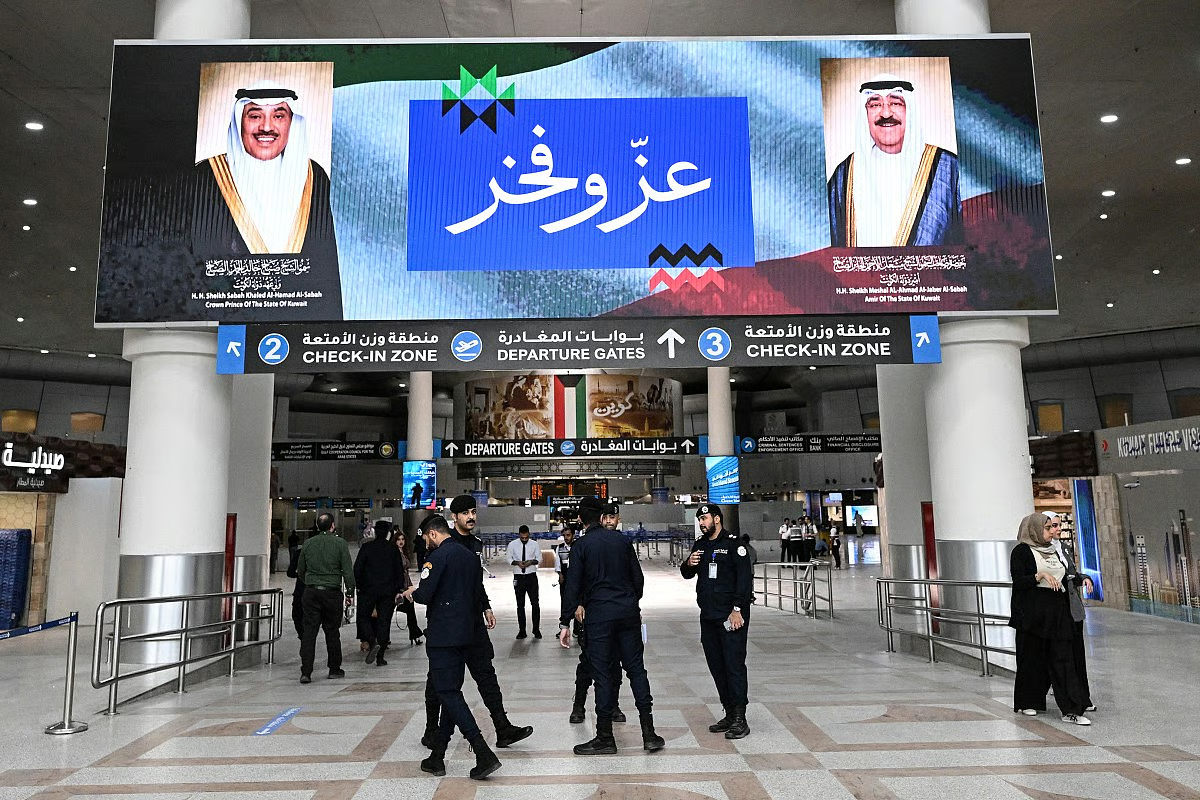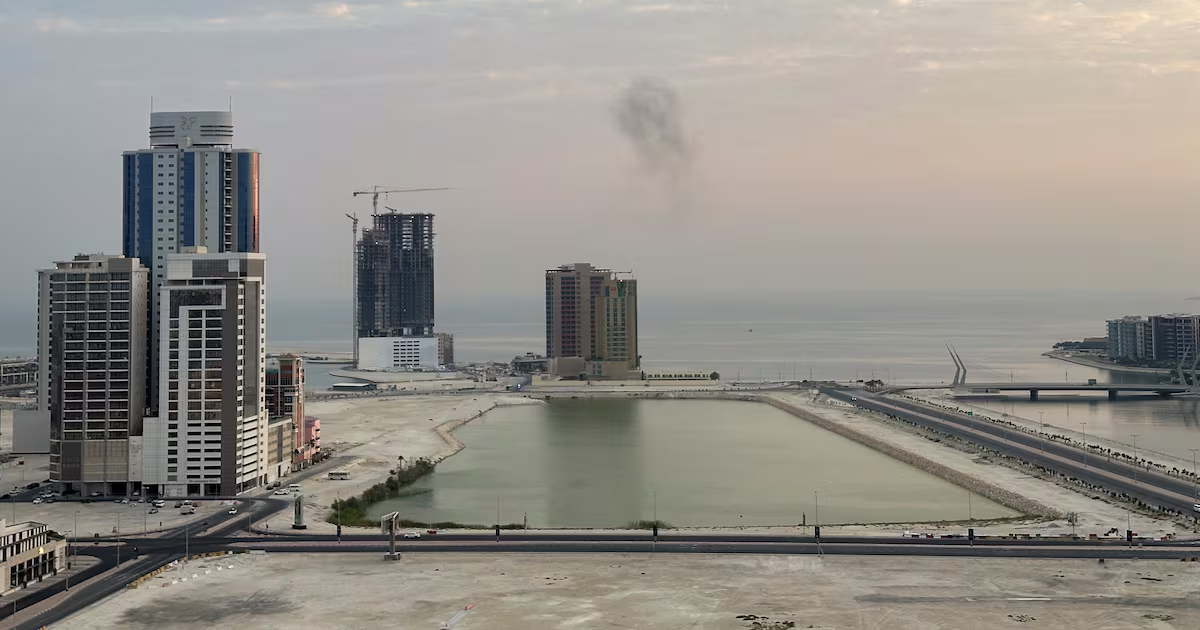
Flights to Kuwait and Bahrain are gradually returning to normal after widespread cancellations on Sunday, even as the US State Department issued a fresh worldwide travel advisory urging Americans to “exercise increased caution”.Airlines including Emirates, Etihad Airways and Air Arabia cancelled or suspended flights to Kuwait and Bahrain on Sunday after renewed fighting between the US and Iran prompted temporary airspace restrictions and operational disruptions.Iranian attacks damaged a power generator and water desalination complex in Kuwait, and triggered air defences in Jordan and Bahrain on Sunday, hours after Washington announced that two US soldiers were killed and another was missing after an Iranian attack on Jordan.The US embassy in Amman on Sunday issued a security alert strongly advising its citizens not to travel to Aqaba's King Hussein International Airport and seaport following a “specific and credible threat”. But Jordanian authorities later denied the threats, saying it was business as usual at both complexes.Iran continued targeting Bahrain and Kuwait on Monday as the US military carried out another night of strikes against the Islamic republic, including reported attacks on military sites linked to missile launches that killed the two American servicemen.Kuwait said its air defences intercepted hostile drones after what it called an “Iranian aggression”, while Bahrain activated warning sirens and urged residents to seek shelter.The US Embassy in Bahrain also urged American citizens to exercise caution, reminding them to avoid areas associated with demonstrations, monitor local media for updates and keep mobile phones charged in case of an emergency. The embassy said it continued to monitor the security situation and advised US nationals to review their personal security plans and remain alert.Operations at Kuwait International Airport and Bahrain International Airport were beginning to recover on Monday morning, however. Passengers have nevertheless been advised to check the status of their flights before travelling to the airport, as some schedules may still be subject to change.The US State Department updated its worldwide travel advisory on July 18, warning Americans that “due to heightened tensions in the Middle East, the security environment remains complex with the potential for unforeseen escalation”.It advised Americans worldwide, and especially in the Middle East, to exercise increased caution, warning that “flight cancellations and periodic airspace closures may cause travel disruptions”, and urging travellers to monitor security alerts issued by the nearest US embassy or consulate. The advisory also said US diplomatic facilities, including those outside the Middle East, have previously been targeted and warned that groups supportive of Iran could target US interests or locations associated with Americans around the world. The Philippine Embassy in Kuwait also issued an advisory on July 18, urging Filipinos to “continue exercising vigilance and situational awareness” while following instructions from Kuwaiti authorities. It advised nationals to minimise non-essential travel, keep mobile phones charged, rely only on official sources for updates and avoid spreading misinformation. The renewed warning follows several days of heightened disruption across Gulf aviation, with airlines forced to adjust schedules because of regional tensions and changing airspace restrictions.Last week, the European Union Aviation Safety Agency (EASA) reinstated guidance advising airlines to avoid operating through the airspace of Bahrain, Kuwait, Qatar, the UAE and parts of the Gulf of Oman, citing the risk posed by the renewed conflict in the region. The agency said the presence of military activity increased the risk to civilian aircraft. Although Gulf airports remain open and airlines are restoring normal operations, aviation authorities continue to monitor the situation and have warned that changes could be made at short notice should security conditions deteriorate.
US issues fresh travel warning as Kuwait and Bahrain flights resume after disruptions | The National
Travellers are being urged to monitor airline updates as security concerns continue across the Middle East
587 words~3 min read