See more Daily Mail on Google - save us as a Preferred SourceBy JOE ROSSITER, REPORTER Published: 00:12 BST, 20 July 2026 | Updated: 01:08 BST, 20 July 2026
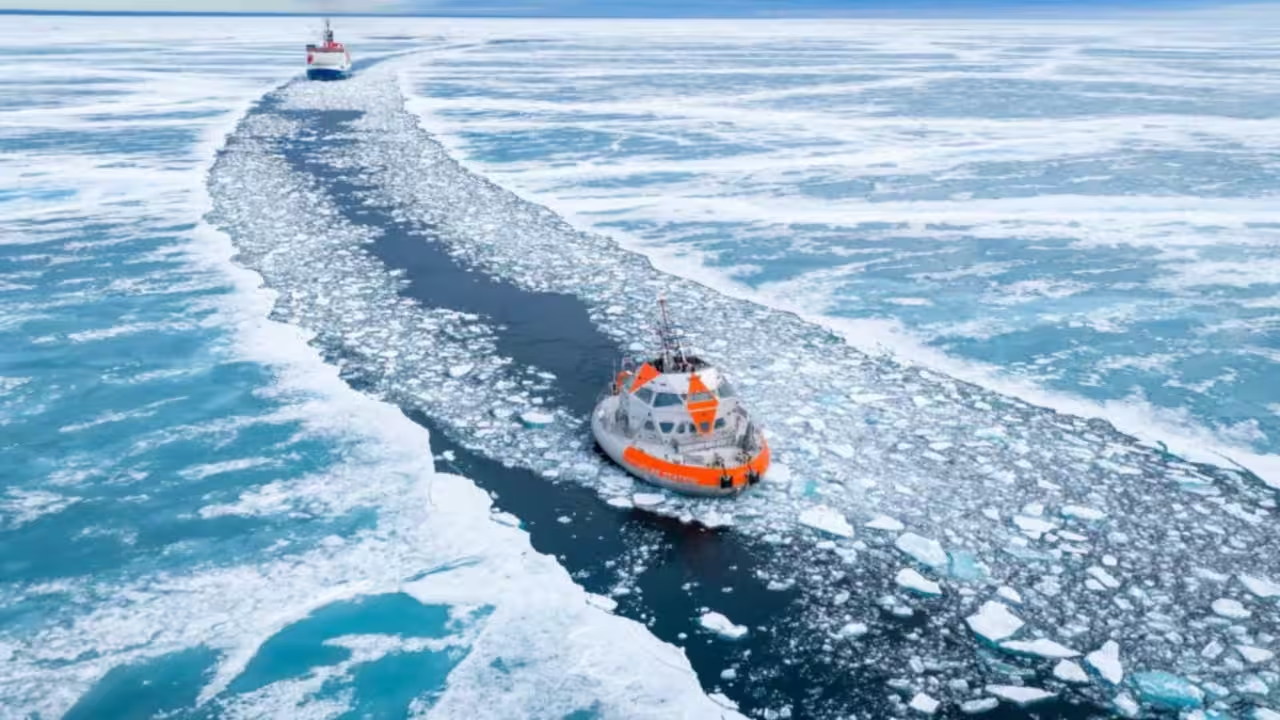
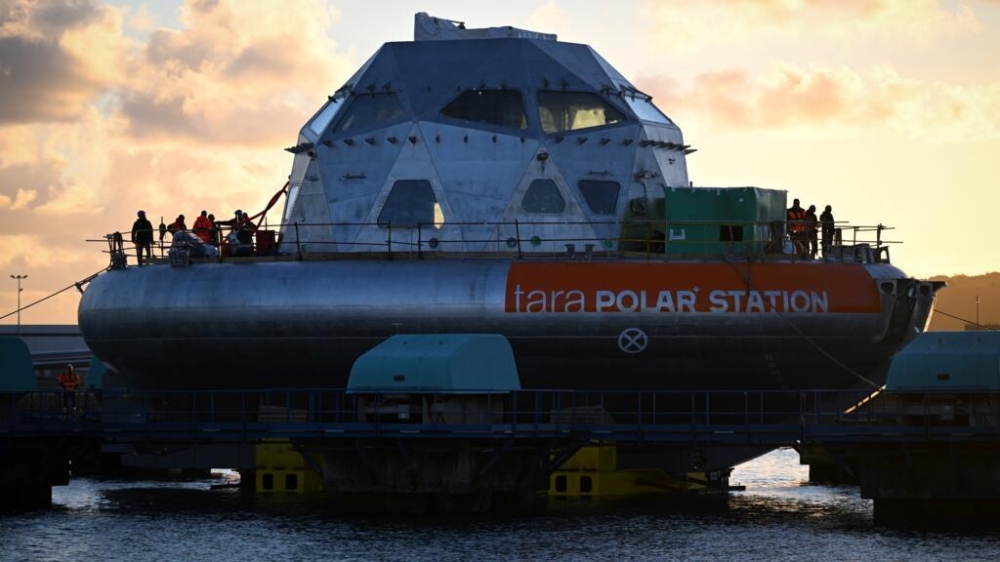
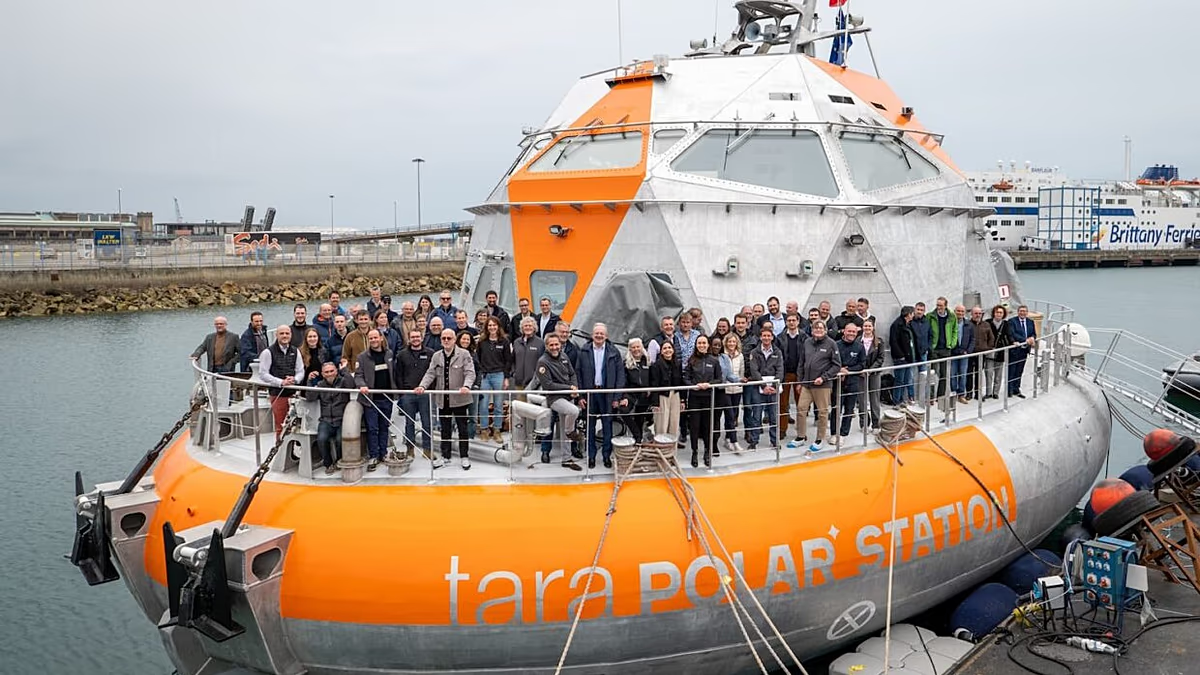
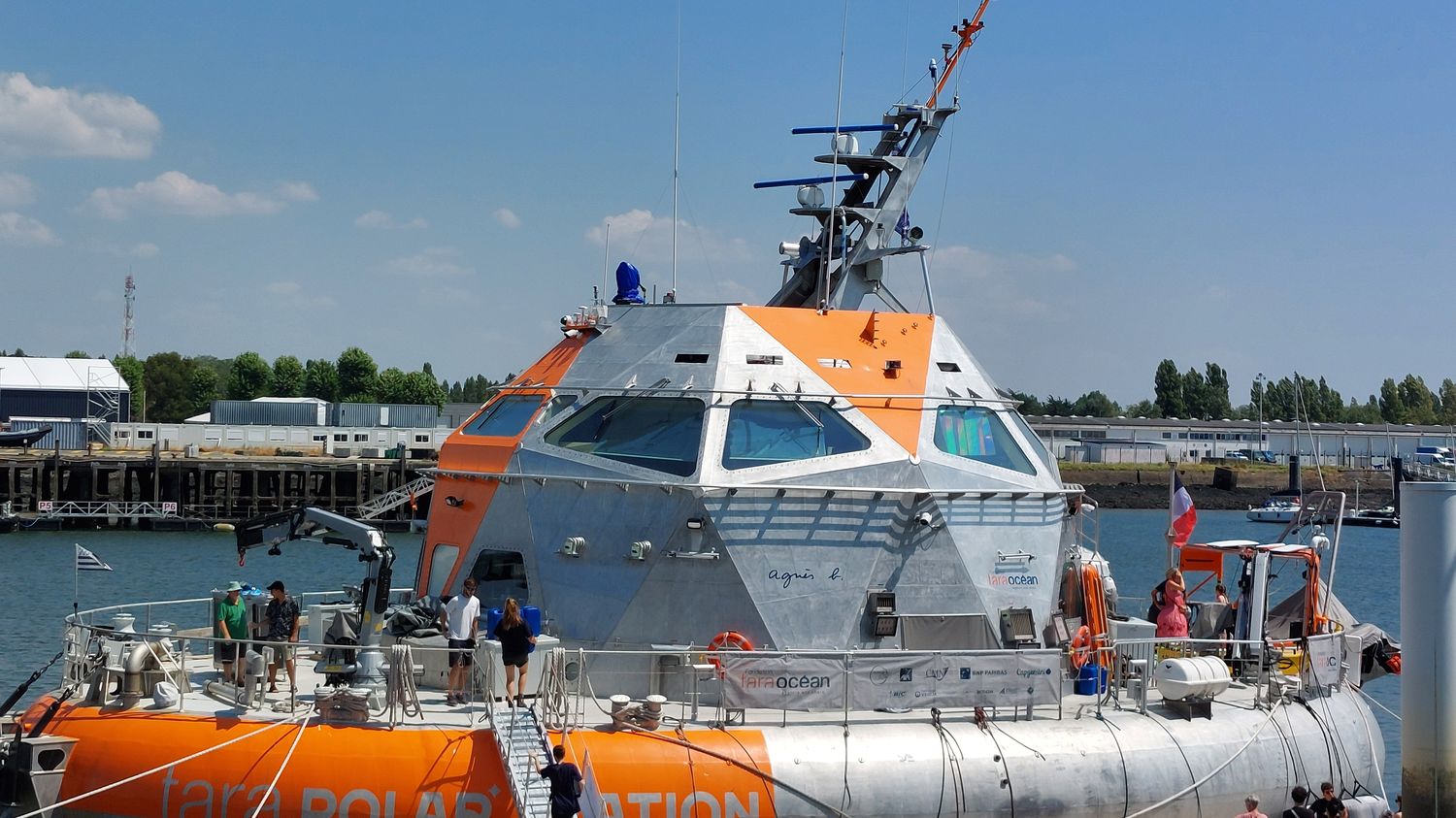
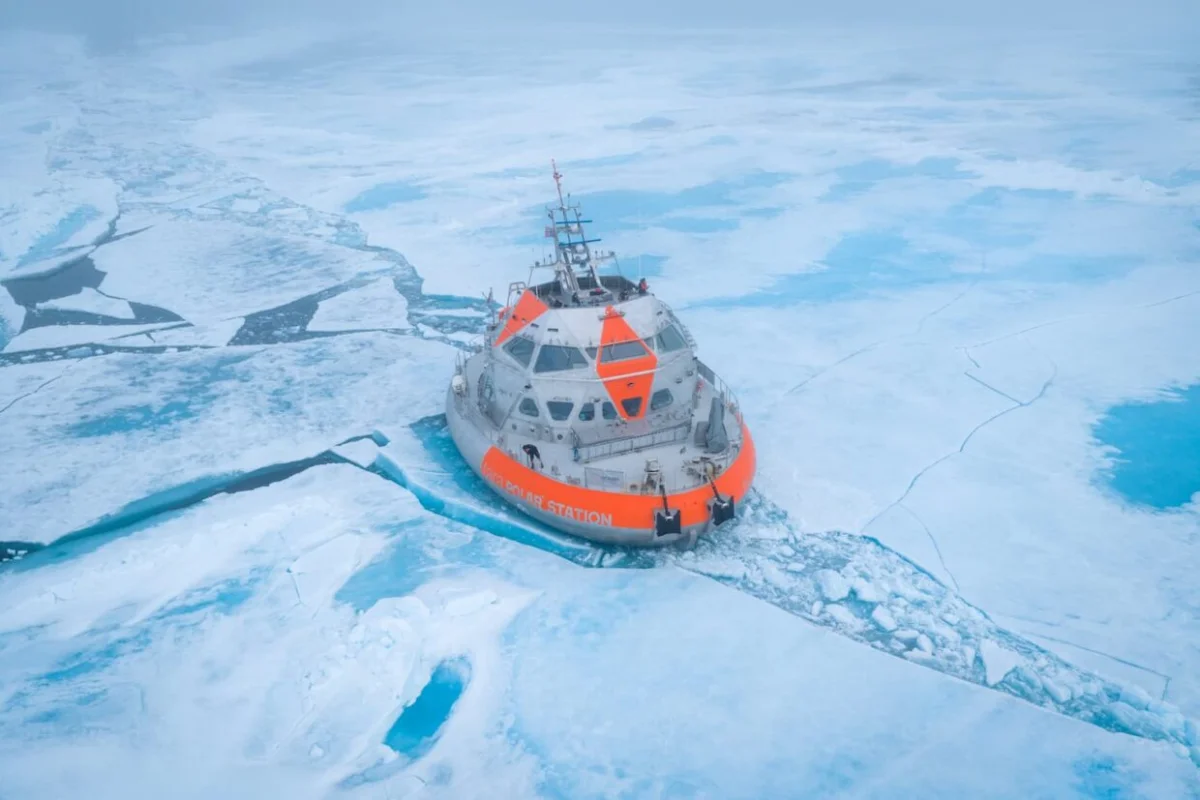
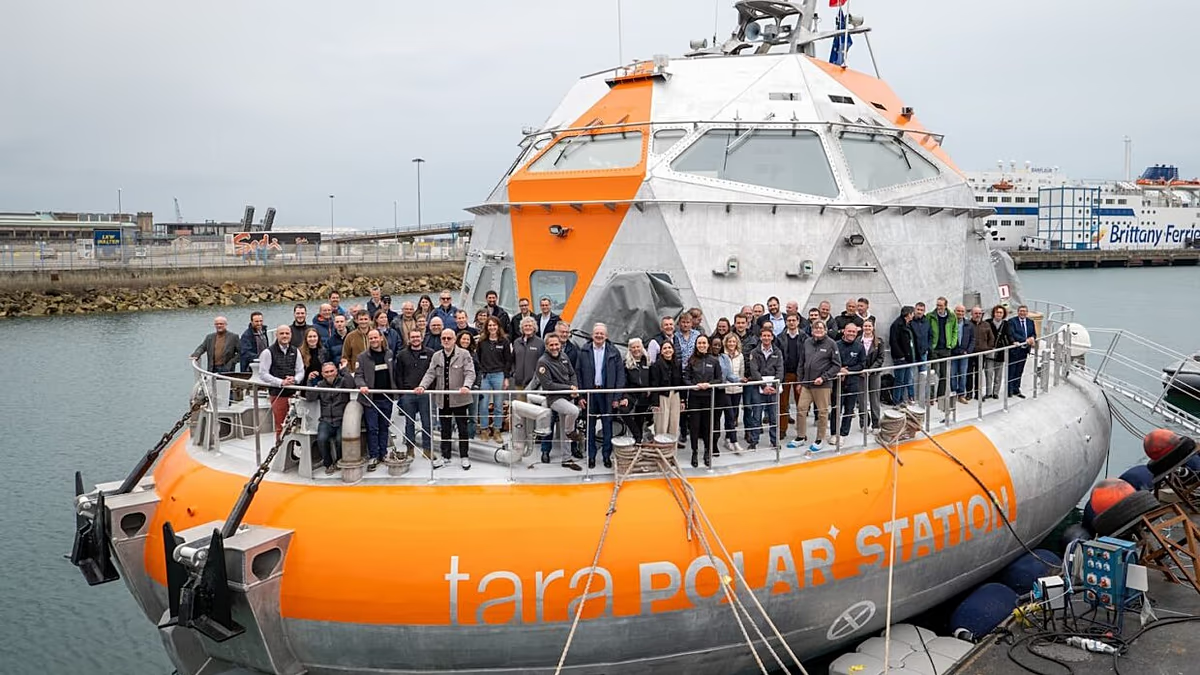
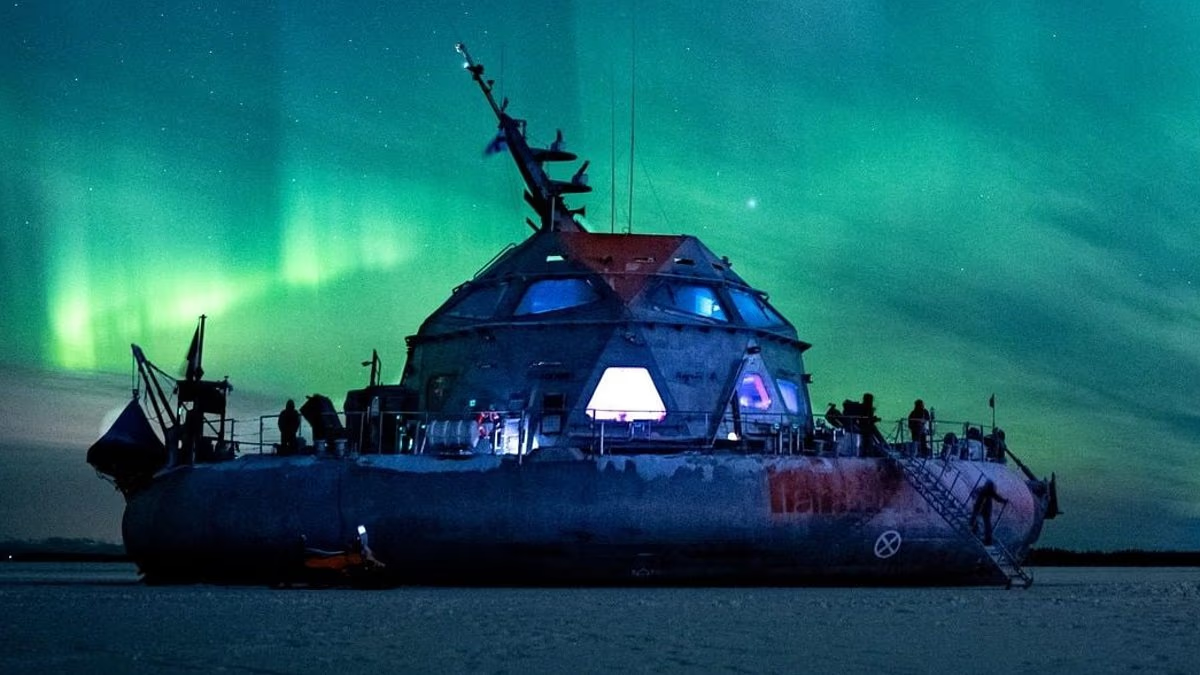
A floating research station which resembles a giant igloo - and has a fully firearms-trained crew - set off from France on Sunday to begin a long-term Arctic mission.The Tara Polar Station, which can operate in temperatures down to -52C, will drift through the ice until the end of next year as part of a research mission.Researchers on board will collect more than 10,000 samples from the water, atmosphere and sea ice during the expedition, one of ten planned to take place every two years between 2026 and 2045.Every crew member also received firearms training to deal with potential polar bear attacks while drifting across the Earth's northernmost climes.Because of its shape, the station can withstand ice pressure and drift with pack ice to explore life in the Arctic Ocean and the impact of climate change.Romain Trouble, executive director of the Tara Ocean Foundation, said the Arctic Ocean was 'little studied' and was 'already changing significantly', undergoing a 'major transformation'.'You cannot understand the environment if you only spend two months a year there,' he added.The research station was built in France but 30 research centres from 12 countries - including Germany, Canada, Spain, the US, Switzerland and Japan - are participating in the expedition. The research station, which looks similar to a giant floating igloo, will drift across the Arctic until the end of next yearHundreds cheered on the quayside as the station sailed from the port of Lorient in western France, with the country's sea minister Catherine Chabaud in attendance.Shaped like an igloo above a large buoy, the station will travel eastward along the Russian coast from August as an icebreaker clears the way.By early September it will be trapped in the pack ice and is expected to drift an average of 10km per day, reaching the Fram Strait between Greenland and Svalbard by the end of next year.In winter the vessel will carry 12 people, including six scientists, and 18 in summer.Crew members were chosen using medical and psychological aptitude tests and team-building exercises.'We weren't looking for adventurers who want to head to the North Pole alone. The idea is rather to have people who get along well to experience this confined human environment together,' said Clementine Moulin, the expedition director. The researchers received firearms training to deal with potential polar bear attacksThose on board in winter will experience five months of total darkness, claustrophobia and extreme cold alongside the threat of polar bears.'Bears are a serious matter,' said Eric Pelletier, a 58-year-old genomics researcher and crew member.'It's not a simple thing - the bear is on its home turf and it's used to hunting and hides behind blocks of ice.'All crew members were given firearms training and a dog will accompany them to help spot approaching animals.They will collect research samples using an opening in the station's hull and onboard instruments.Mr Trouble said: 'There is biodiversity at the North Pole that is uniquely adapted to this environment. If the environment changes, that biodiversity might disappear.'We could potentially lose an entire chapter of the evolution of life on this planet without even having had time to document it.'