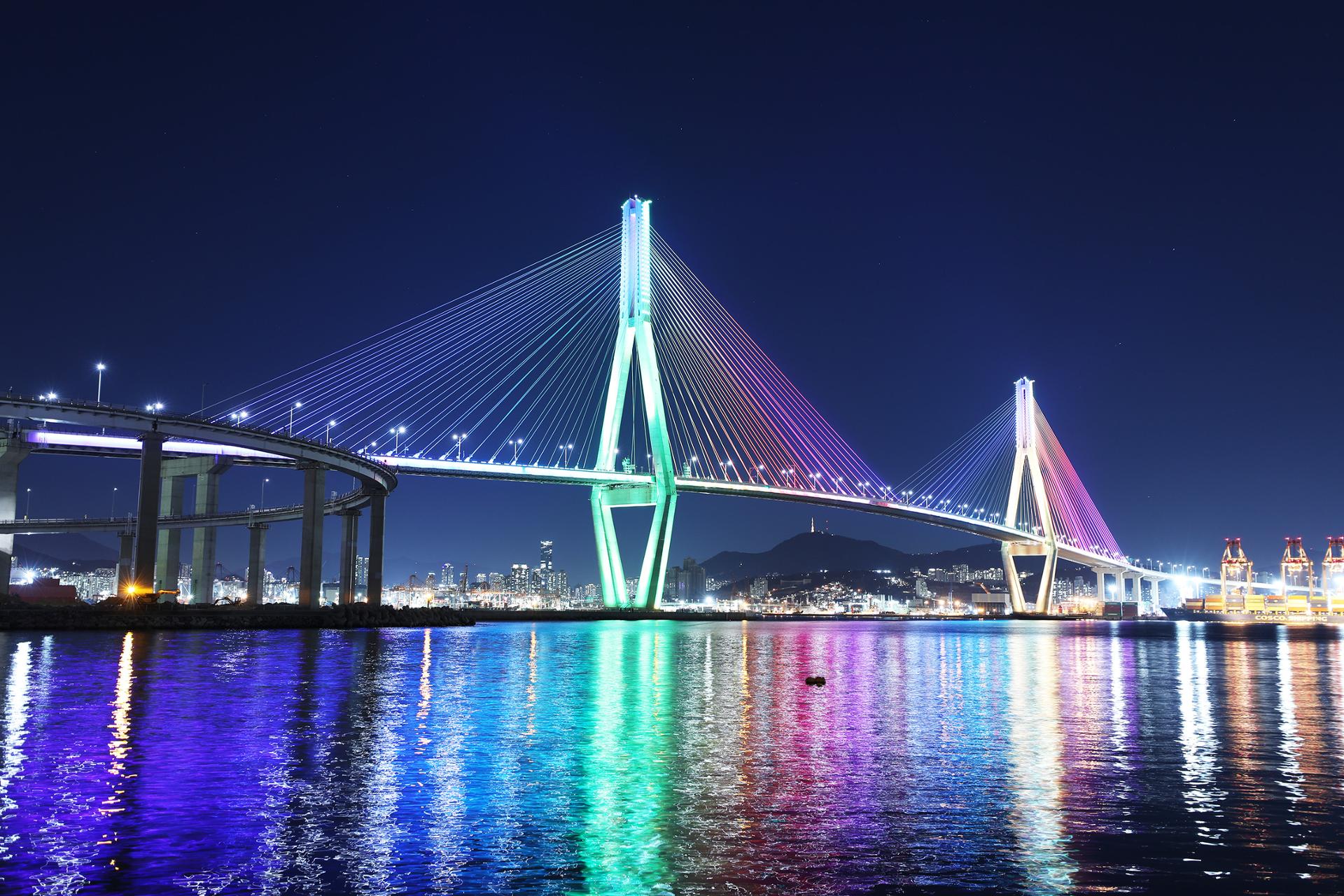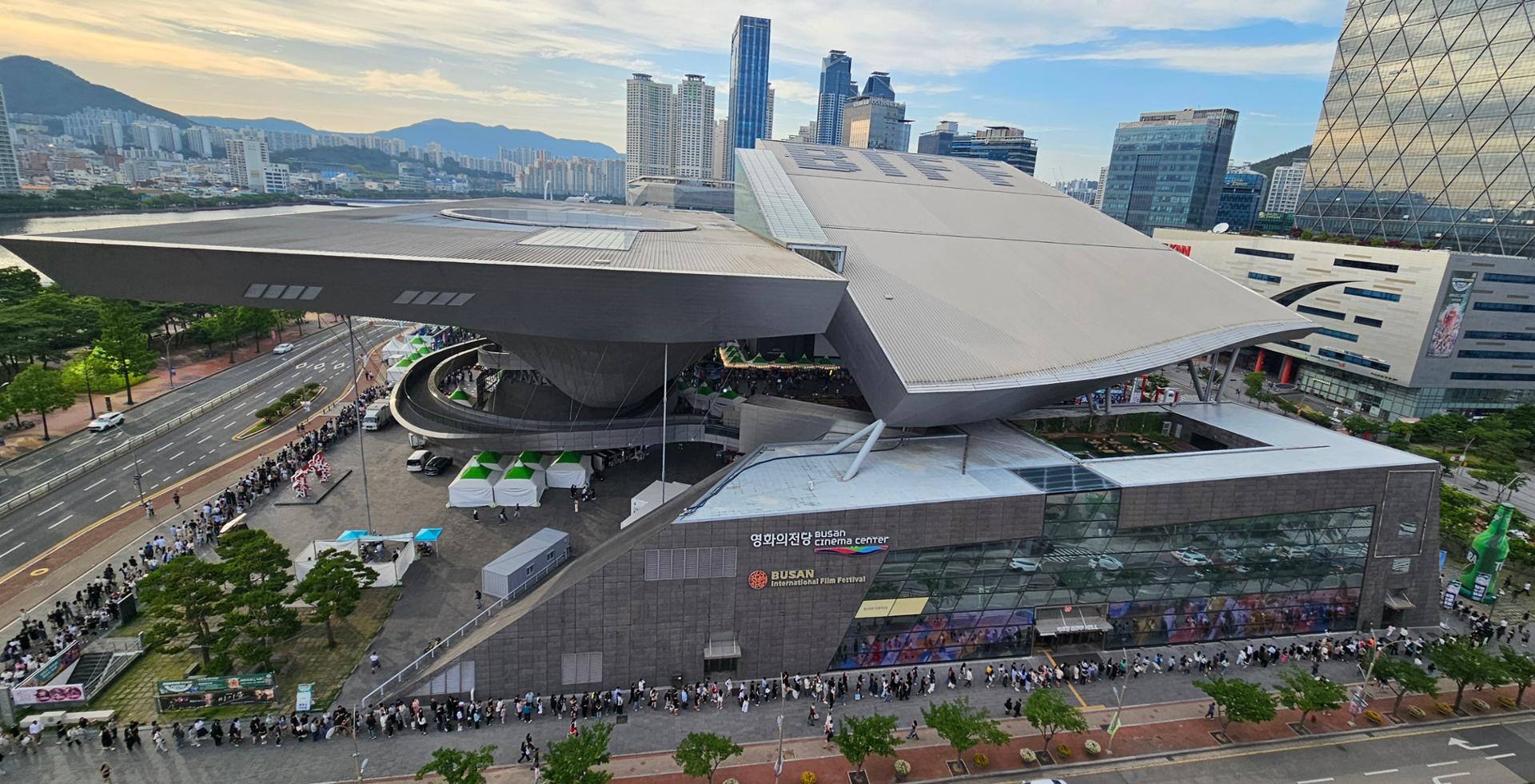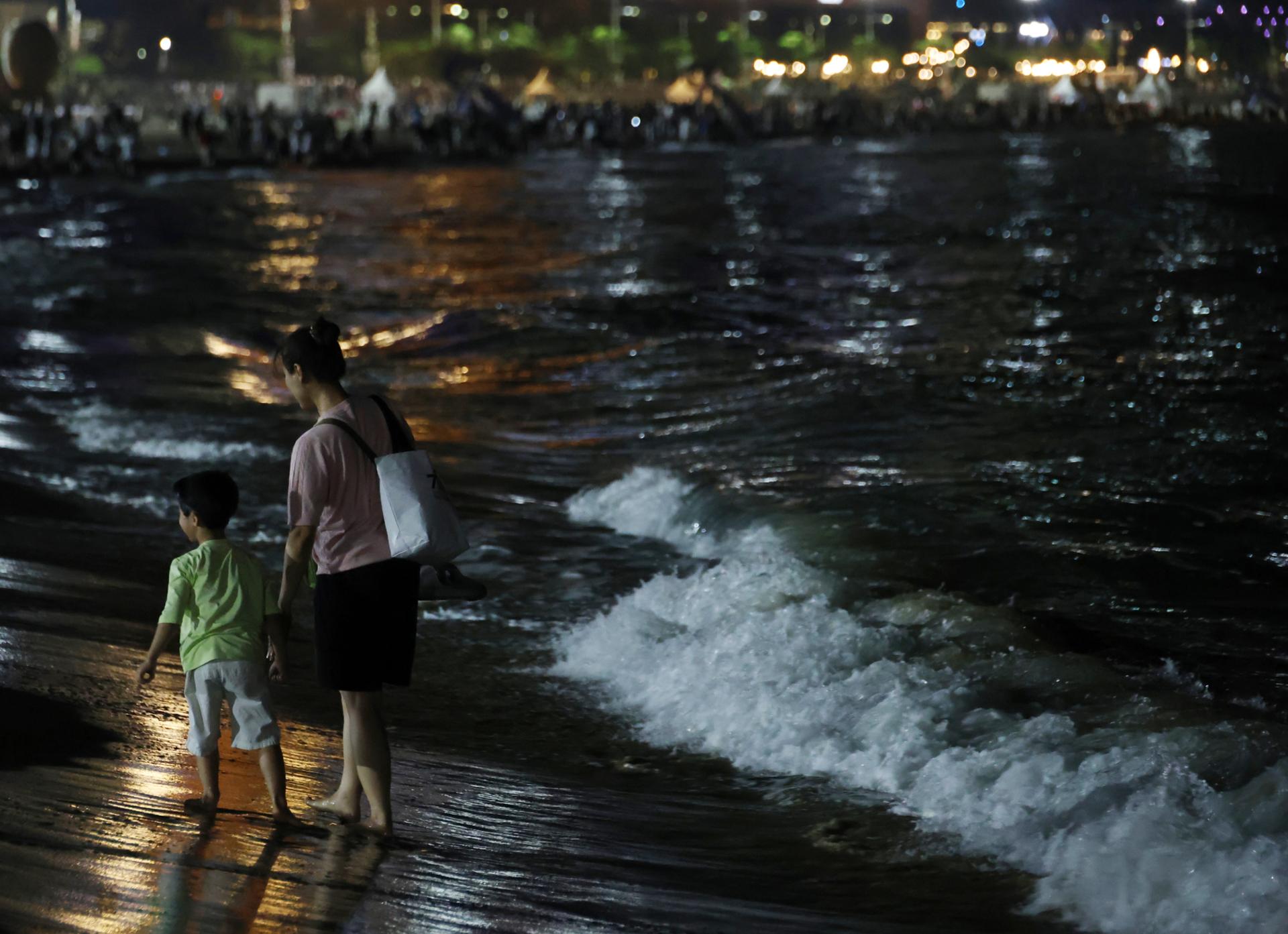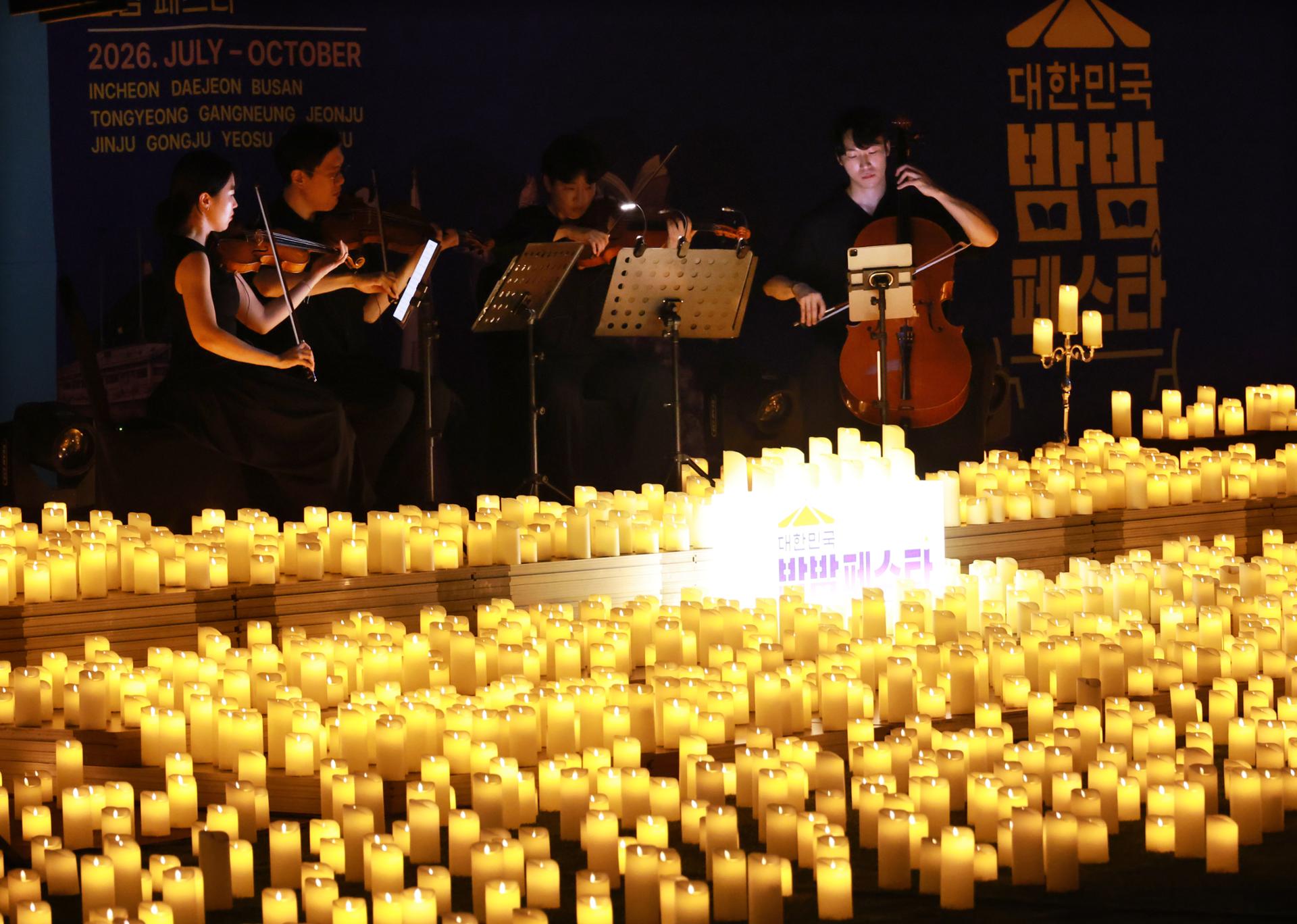
Musicians perform during a candlelit concert at the Busan Cinema Center, part of the 2026 Bambam Festa Season 2 aimed at boosting the local nighttime economy, Saturday. Yonhap
Korea’s tourism strategy is moving into the after-hours, as state officials look past traditional daytime attractions like historic palaces and scenic mountain trails to find a fresh economic engine for the provinces.
With independent travelers increasingly demanding unique, experiential itineraries, local authorities are betting that the key to reviving provincial economies lies long after the sun goes down.
The Ministry of Culture, Sports and Tourism, alongside the Korea Tourism Organization (KTO), launched Monday the second season of the Bambam Festa — its name a play on "bam," the Korean word for night — a coordinated, multicity nighttime tourism relay running through Oct. 10. Spanning 10 specially designated night tourism cities, the initiative is a calculated effort to transform transient day-trippers into overnight guests, injecting vital capital directly into municipalities currently struggling with rural depopulation.
The festival, which kicked off this weekend in the southern port city of Busan, will rotate through a diverse tapestry of regional hubs. The itinerary targets both famous coastal cities and inland cultural strongholds, moving from the historic walled city of Gongju in the central part of the country to the culinary capital of Jeonju in the southwest, before heading east to the quiet agricultural county of Seongju near Daegu.