Story audio is generated using AI
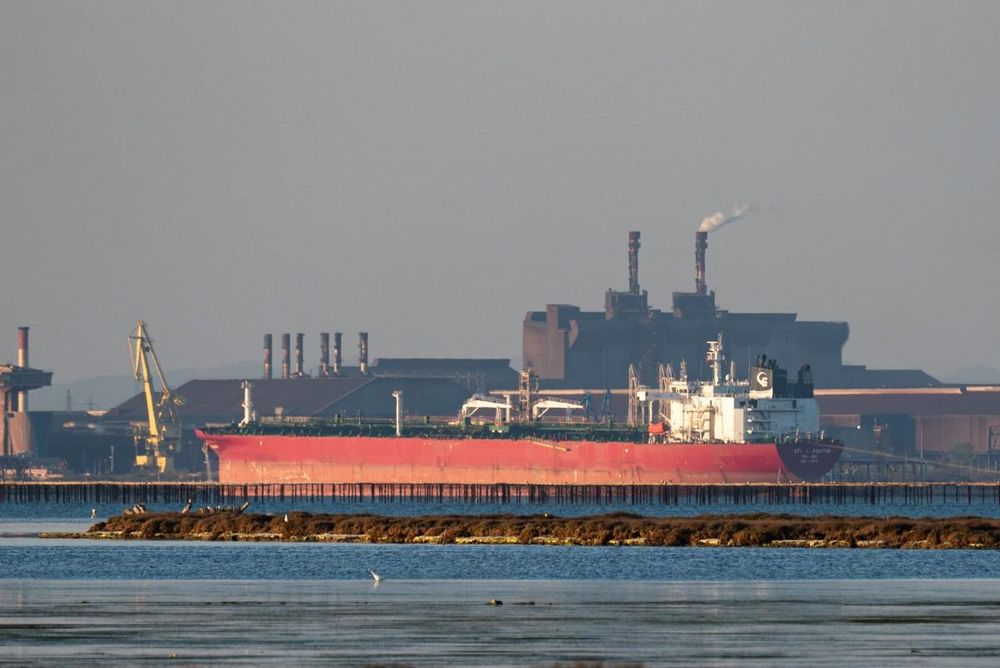
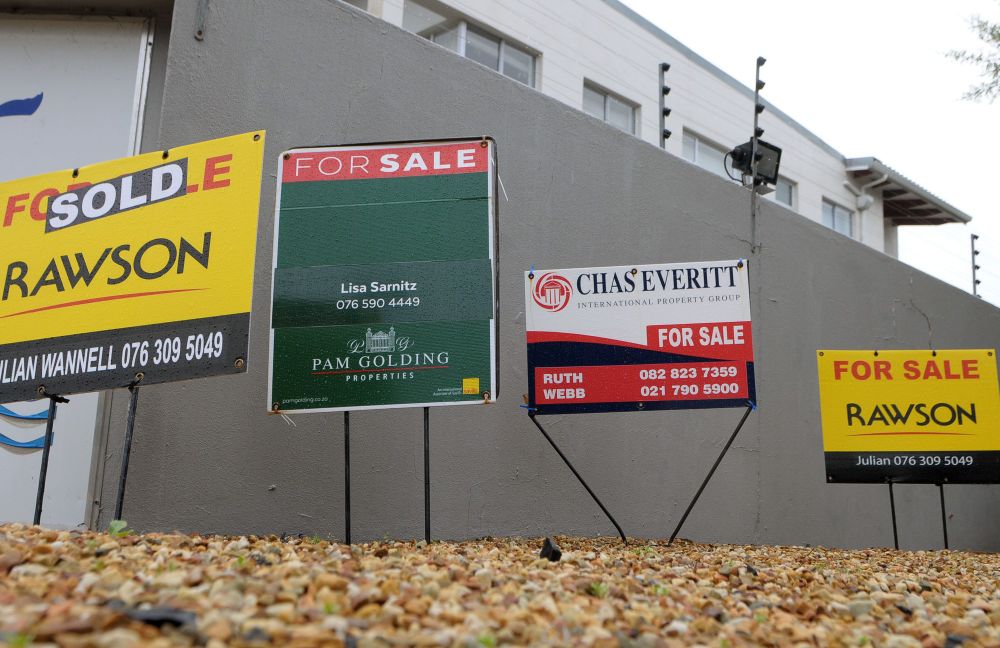
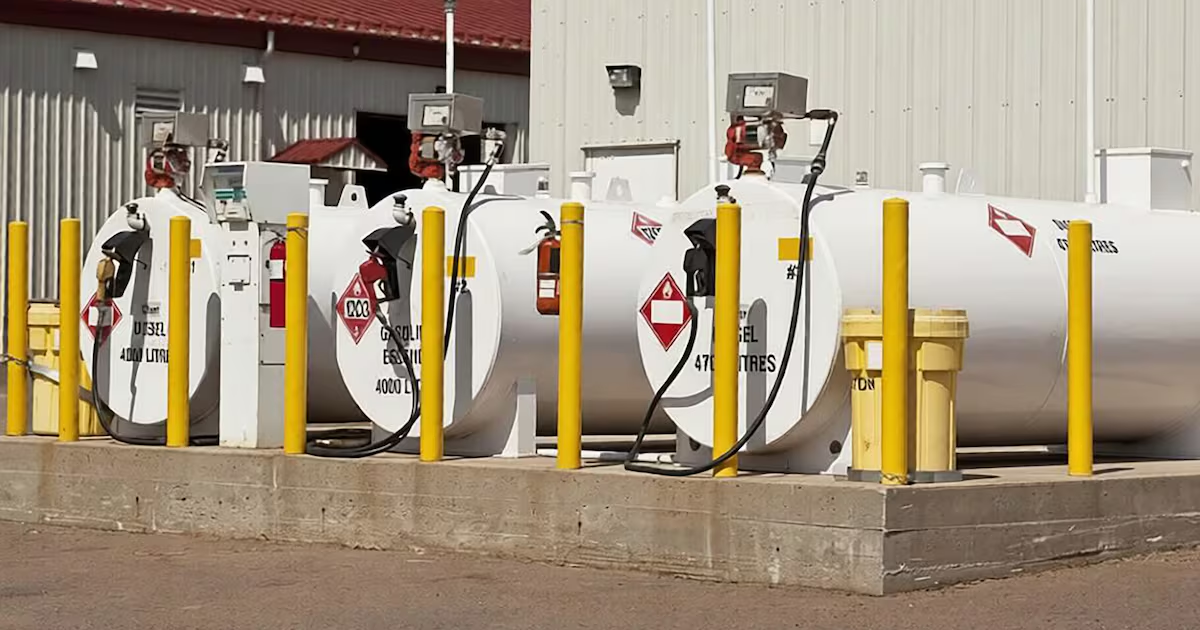
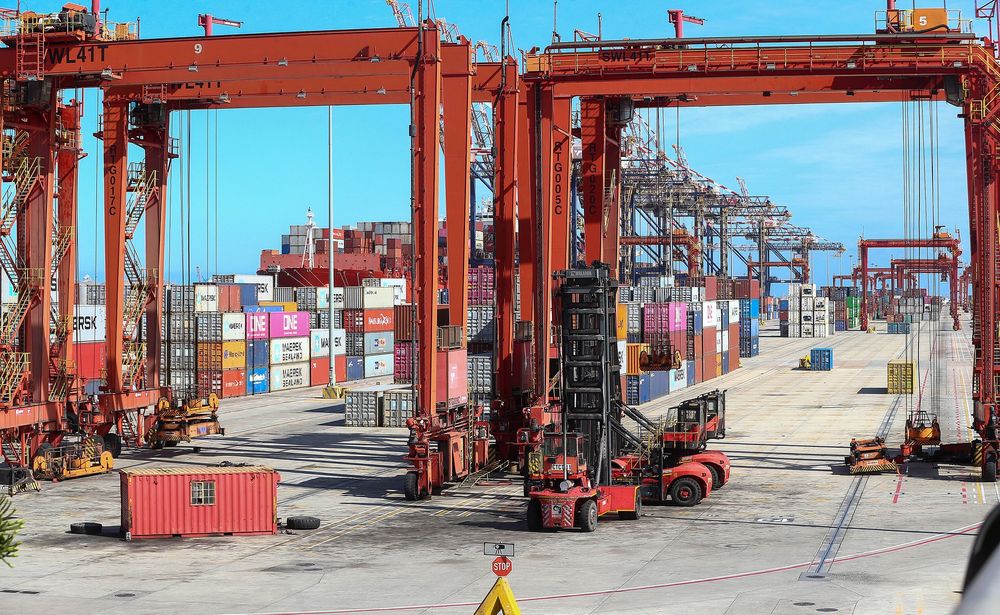
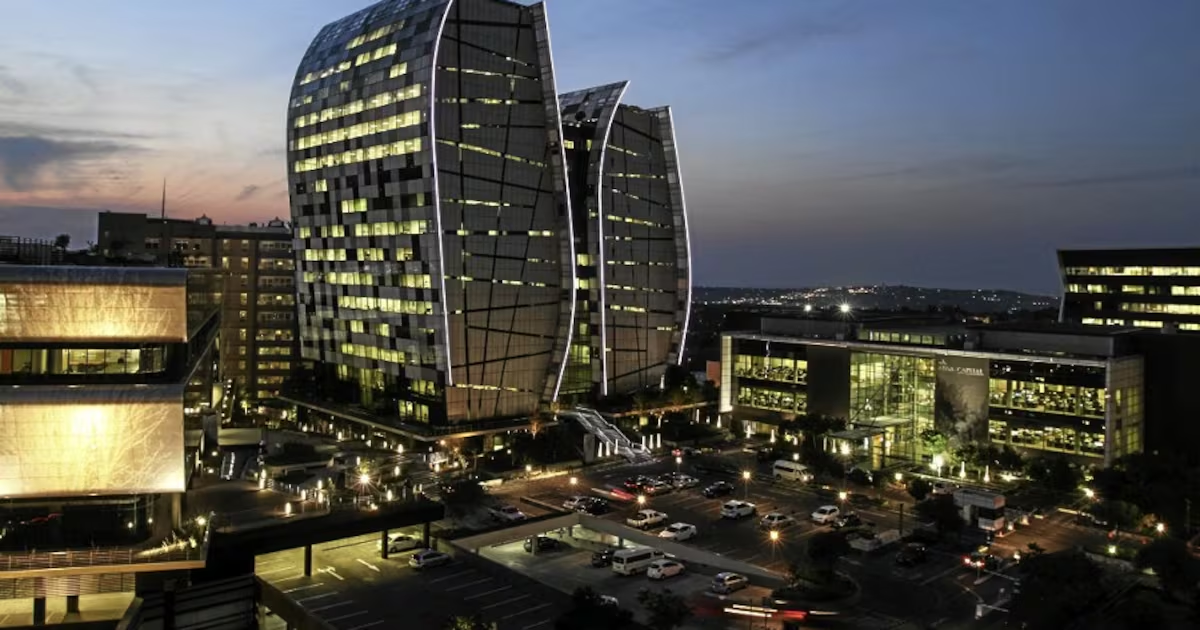
South Africa’s commercial property recovery slowed in the second quarter of 2026 as a weaker macroeconomic environment and geopolitical tensions weighed on business confidence, according to FNB’s latest outlook and survey for economic and property market recovery.The survey said broker satisfaction fell sharply to 39% in the second quarter from 69% in the first three months of the year, reflecting the impact of weaker economic conditions, higher operating costs associated with the conflict in the Middle East and the South African Reserve Bank’s interest rate response.“The deterioration in sentiment mirrors broader business confidence indicators and reflects higher operating costs associated with the Middle East conflict, as well as the Bank’s subsequent interest rate response,” said FNB senior economist Siphamandla Mkhwanazi.Despite the softer second quarter, FNB said the commercial property market remains on a gradual recovery path though performance continues to vary across sectors.The lender expects the domestic economy to strengthen gradually over the medium term as inflation eases, borrowing costs decline and structural reforms support business confidence and investment. Economic growth is projected to improve from 1.1% in 2025 to about 1.2% this year before rising to 1.3% in 2027 and approaching 2% by 2028/29.The deterioration in sentiment mirrors broader business confidence indicators and reflects higher operating costs associated with the Middle East conflict, as well as the Bank’s subsequent interest rate response.— Siphamandla Mkhwanazi, FNB senior economistWhile the conflict in the Middle East has weakened the near-term outlook, FNB described the shock as temporary and largely externally driven.“Lower borrowing costs, easing inflation and ongoing structural reforms are expected to support a gradual recovery in business confidence, investment and employment over the medium term, providing a firmer foundation for a gradual strengthening in economic activity,” Mkhwanazi said. Industrial and logistics remained the strongest-performing commercial property segment despite a moderation in activity, underpinned by demand for logistics facilities, warehousing and supply-chain restructuring. Johannesburg, Cape Town and Nelson Mandela Bay continued to lead activity in the sector.Retail property also continued to recover, with Cape Town and Nelson Mandela Bay remaining the strongest-performing markets. Johannesburg, meanwhile, showed a notable improvement after subdued activity over the past two years as trading conditions gradually stabilised.The office market remained the weakest segment, with elevated vacancies, limited tenant expansion and hybrid working continuing to weigh on demand.In Johannesburg, office building conversions are reshaping the market, with residential and mixed-use developments accounting for about 43% of office transaction activity as landlords reposition underutilised assets.Looking ahead, FNB said it expects industrial property to remain best placed to benefit from a recovery in investment spending, while retail should continue improving as consumer conditions stabilise. Office opportunities are likely to remain concentrated in refurbishment, repositioning and conversion strategies rather than conventional leasing activity.Though the medium-term outlook remains constructive, FNB cautioned that recovery will continue to differ across sectors and regions.“Performance is likely to remain highly differentiated across sectors, regions and asset quality,” the outlook said.