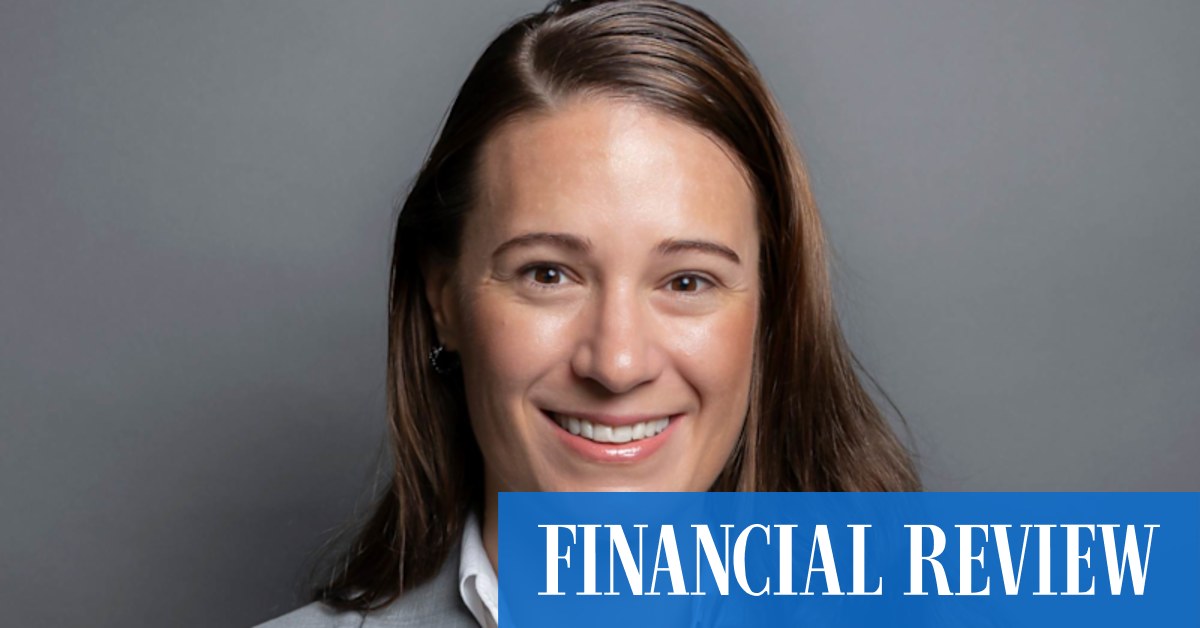
Traditional lump-sum contracts remain an effective procurement tool for many projects and will continue to play a central role across the sector. However, some projects may benefit from complementary mechanisms that address specific market uncertainties.Shipping costs fluctuate, commodity prices move, labour markets tighten and regulatory requirements evolve. None of these factors sits within the control of a single contractor, client or supplier.When those risks are allocated without acknowledging that reality, they do not disappear. They simply re-emerge as disputes, cost escalation, reduced competition or pressure on delivery outcomes.Ultimately, uncertainty affects more than project balance sheets. It influences whether capable contractors bid, how competitively projects are priced and the confidence clients have that major infrastructure will be delivered on time, on budget and to the expected standard.This highlights an important distinction. Risk allocation is not the same as risk management.Commercial certainty is often pursued by assigning responsibility for uncertainty to one party. While that may provide contractual clarity, it does not necessarily reduce the underlying exposure.Contractors are expected to manage the delivery risks within their control. However, where risks stem primarily from broader market conditions, allocating them to a single party may not always deliver the most efficient outcome for projects or their owners.Suppliers face similar pressures, reducing flexibility throughout the delivery chain. The result is often higher costs and less efficient outcomes.Managing uncertaintyThe principle that risk should sit with the party best able to manage it remains sound. What has changed is the nature of the risks themselves. Today’s challenges increasingly arise from broader market conditions rather than the actions of any individual participant. That calls for procurement and contracting models that better reflect today’s operating environment.Across the sector, procurement frameworks are already evolving. Mechanisms such as indexed labour rates, rise-and-fall provisions for key commodities, structured market testing for long-lead materials and agreed cost-escalation processes acknowledge that volatility is now a normal market characteristic rather than an exception. Likewise, early contractor involvement, two-stage tendering and target-cost contracts allow risks to be understood, allocated and managed before construction begins.These approaches are not about shifting more risk from one party to another. They are about improving the industry’s ability to manage uncertainty in a practical and commercially disciplined way.Collaboration is sometimes dismissed as an aspiration rather than a commercial discipline. In practice, it is one of the most effective ways to improve project performance. The strongest delivery teams share information early, maintain transparent risk registers, involve key suppliers in decision-making and focus on resolving issues before they become contractual disputes. That does not reduce accountability. It strengthens it by ensuring decisions are made with better information and a clearer understanding of project-wide consequences.Rethinking contingencyToo often, contingency is viewed as an additional allowance buried within a tender. Effective contingency design is far more sophisticated. It recognises that different risks require different ownership. Contractors should manage delivery risks within their control. Clients should retain contingency for scope changes and approvals.Broader market risks may require shared mechanisms supported by agreed governance and clearly defined triggers. Far from reducing certainty, this layered approach helps surface risks earlier, enabling more informed decisions before they affect project outcomes.Australia’s infrastructure ambitions have never been greater, and neither have the expectations placed upon those delivering them. Meeting those expectations will require more than engineering excellence. It will require procurement, contracting and risk management frameworks that reflect today’s operating environment rather than the assumptions of yesterday’s.The conversation the industry needs is no longer about who carries the risk. It is about how clients, contractors and suppliers can allocate, manage and respond to uncertainty together, while maintaining clear accountability for the risks each party is best placed to control.Projects built on this foundation are more likely to attract strong market participation, deliver value for taxpayers and investors, and provide the certainty communities expect from major infrastructure investments.Jemma Stewart is EVP contract management, Webuild Australia.
Rethinking risk on Australia’s major projects
While projects are becoming more complex, the environment in which they are delivered has changed significantly.
642 words~3 min read