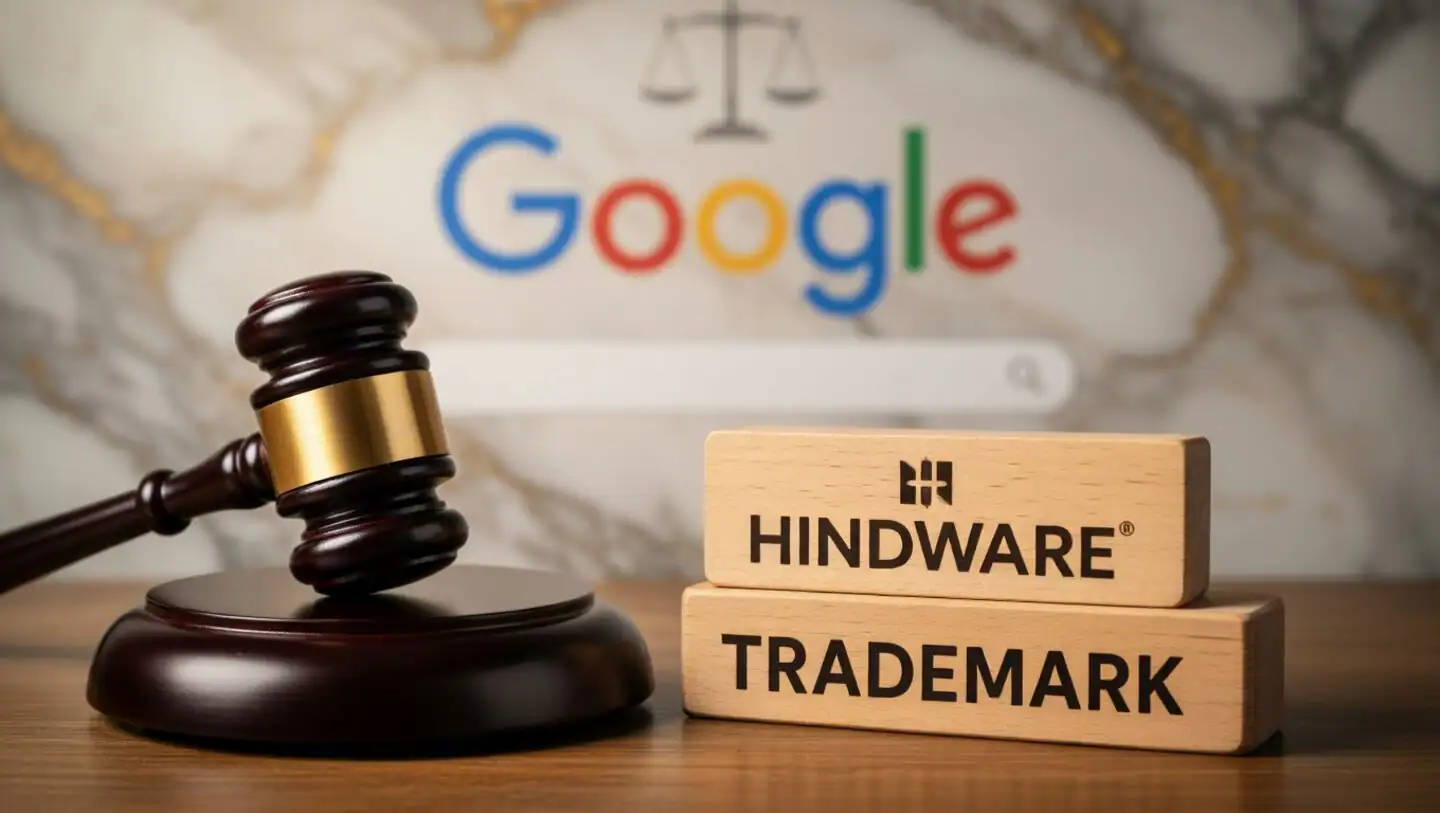
In May this year, the Delhi High Court — in a far-reaching judgement — ruled in favour of Hindware’s appeal against competitors that were bidding for the keyword “Hindware” on Google and diverting traffic to their websites. Hindware’s plea was that it had invested large sums to build the brand name, and allowing competitors to benefit from it was grossly unfair. The court held Google liable and imposed nominal damages on it; this judgement could potentially reshape search advertising in India. Expectedly, Google has appealed against the judgement, saying it goes against standard accepted practices worldwide and could make India a global outlier.For years, digital advertising operated on a simple, yet controversial principle: if a customer searched for your competitor’s brand, you could bid for that keyword and try to intercept the customer — a practice that could now face a serious challenge in India. For marketers, this is far bigger than a trademark dispute because it touches the foundation of search marketing.Older internet entrepreneurs may remember how, two decades ago, BharatMatrimony had alleged that competitors like Shaadi.com were benefiting as users were shown their ads when searching for BharatMatrimony’s trademarked brand names. It raised the uncomfortable question whether paying for someone else’s brand name amounts to fair competition or trademark infringement.The Hindware judgement moves the needle significantly towards trademark protection, and established brands will welcome it. After all, companies spend millions building brand awareness, so why should rivals draw attention away through keyword auctions?There’s another issue too. For startups, bidding on competitor keywords has often been the most efficient way to acquire customers. When a consumer searches for a market leader, it signals purchase intent and smaller players have used such opportunities to throw up alternatives. But if keyword bidding becomes legally untenable, customer acquisition costs may rise and it could become even harder to challenge large brands.The real story, though, is not about Google because search itself is changing. As consumers increasingly move towards AI-powered search and conversational assistants, the traditional keyword economy is weakening.In a ChatGPT world, users may not search for “best sanitaryware brand” and click on ten links, and instead ask a specific question and receive a curated answer. The winners of the SEO era were those who mastered keywords, but the winners of the AI era will be those who master credibility and authority.Marketers must quickly shift from “How do I rank?” to “How do I become the answer?” The Hindware ruling arrives at precisely the moment when digital discovery is evolving from keyword matching to AI reasoning. For founders and marketers, the lesson is simple: Buying attention is becoming harder because, in an AI-driven world, the most important keyword will be “trust”.(The writer is a serial entrepreneur and best-selling author of the book ‘Failing to Succeed’; posts on X @vaitheek)Published on July 20, 2026
Gaining ‘attention marketshare’ in the AI era
Explore how the Hindware ruling reshapes search advertising in India, emphasizing trust over traditional keyword bidding in the AI era.
471 words~2 min read