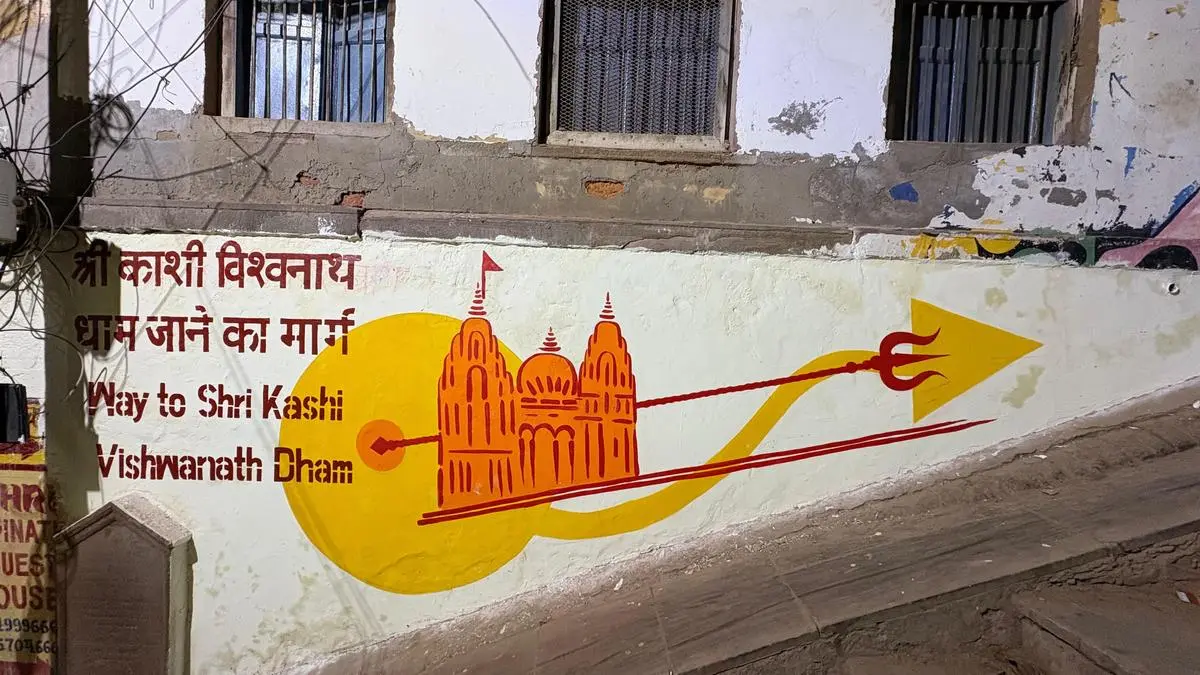
Destination-based mural near August Kund
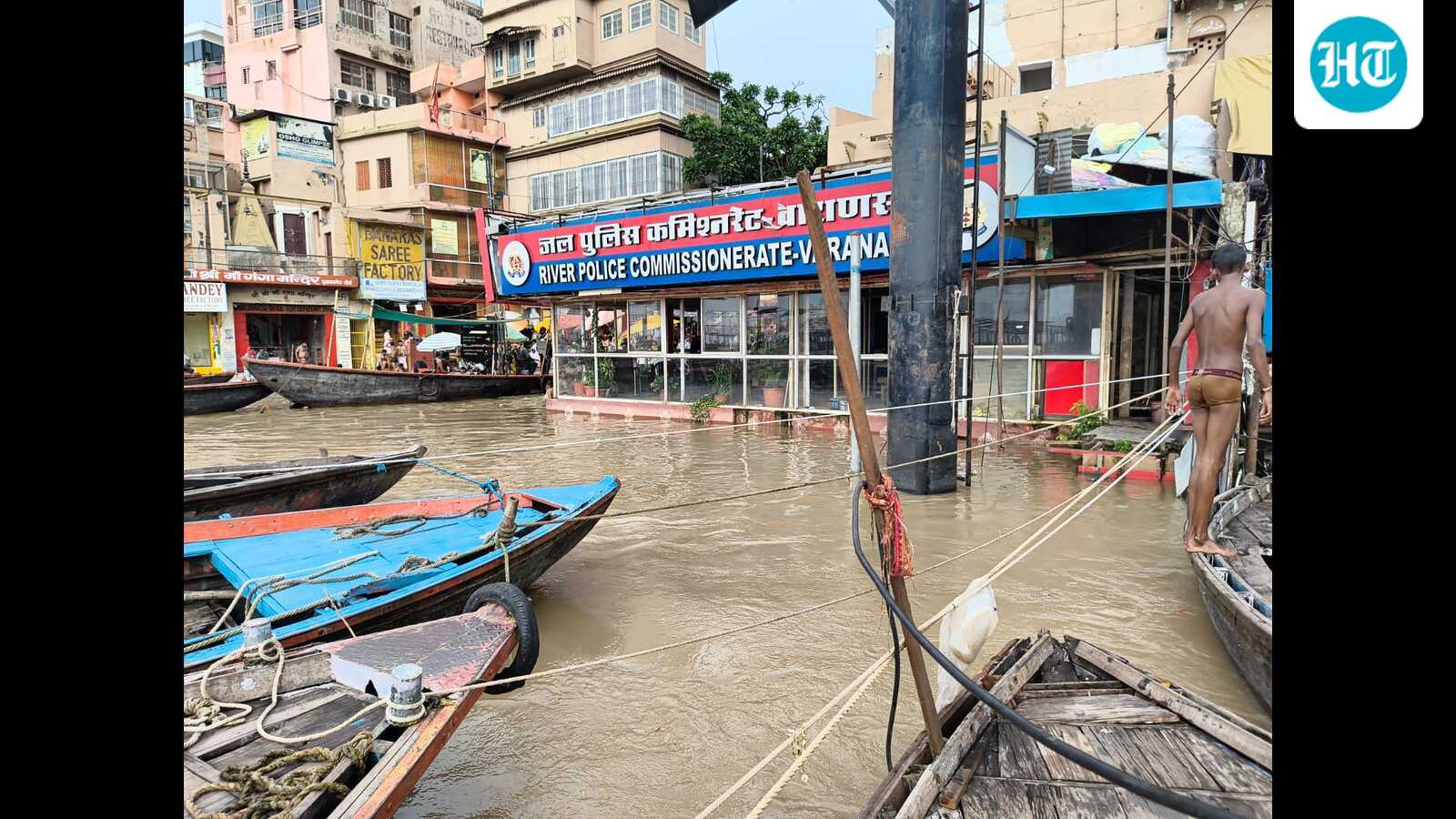
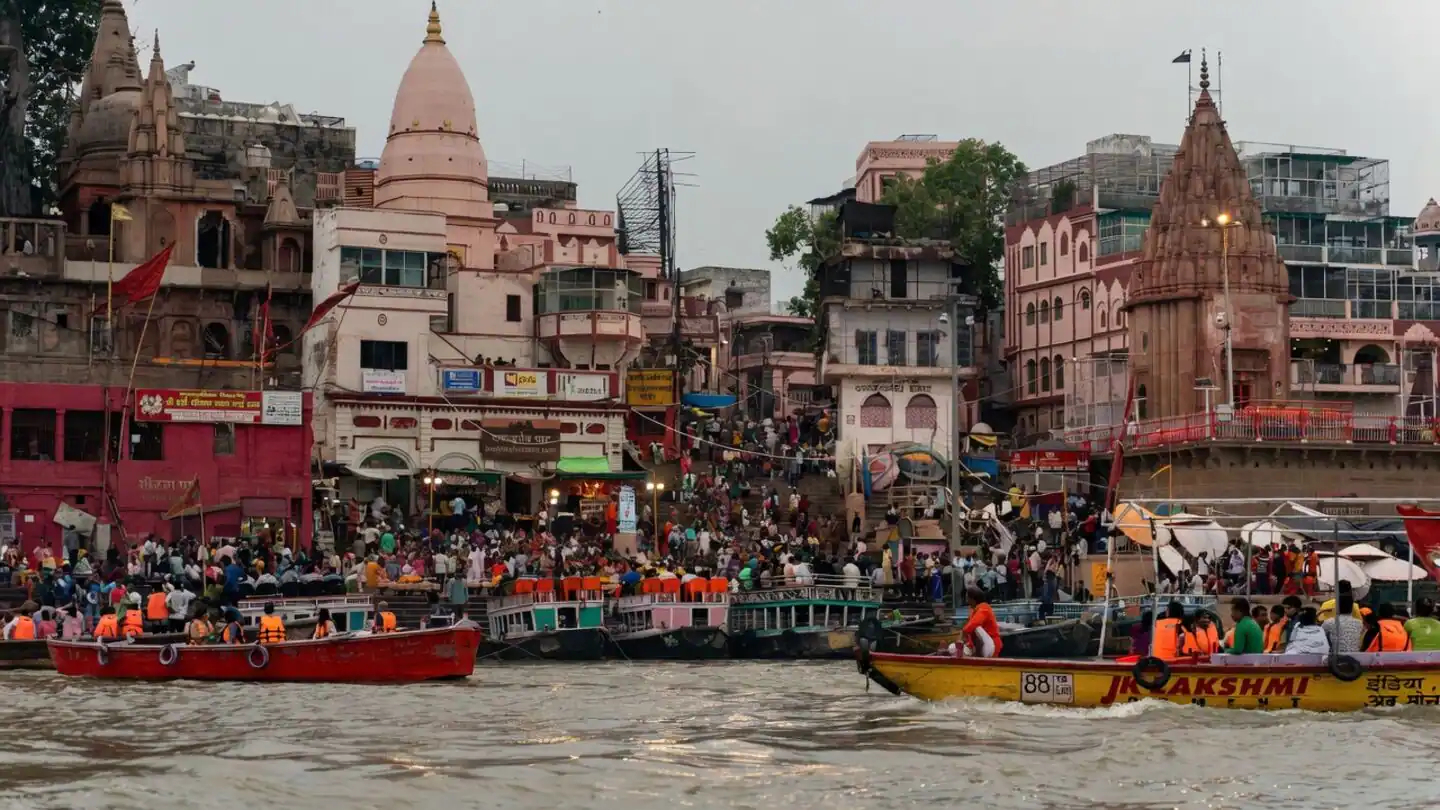
On festival days like Mahashivratri or Makarsankranti, the roads leading to the ghats at Varanasi are impassable. Forget festive days, on any Monday, the historic city that hosts the Kashi Vishwanath Temple gets unmanageable crowds. In 2025, Varanasi, which has a local population of over 36 lakh, got an influx of over 17 crore visitors.Is there any way to manage this crowd? An AI-powered mobility intelligence platform and a colour-coded wayfinding solution are all set to help the holy city with crowd management.CityFlow, a cloud-based solution using the MASI (measurement, analysis, stimulation and intervention) framework by CityData.AI, a big data and AI company and Nippon Koei, and Janjatra, a three-colour-coded wayfinding solution by architecture and design firm The Urbanizer were declared winners of the $3 million Sustainable Cities Challenge (SCC) Varanasi.Ease pedestrian flowsThe challenge was an initiative by Toyota Mobility Foundation (TMF) in collaboration with Varanasi Nagar Nigam, Challenge Works, and World Resources Institute India to find solutions to ease pedestrian flows through the sacred city. Behtarway by VOGIC AI and Nayichaal by Prameya Consulting were recognised as ‘honourable mentions’ for their contributions towards more inclusive and efficient mobility in Varanasi. These four were selected from a group of 92 innovators who gave digital or 'phygital’ solutions to solve Varanasi’s chronic crowd management problem.Apart from Varanasi, TMF has conducted a similar initiative for Detroit in the US and Venice in Italy to solve the mobility problems of these cities.So how exactly will the winning solutions work?Apurva Kumar, CEO of CityData.AI said that ‘city sensors’ installed throughout the city would capture real time density and flow of pedestrian movement.Right now, it is at eight locations but will be expanded to 50 locations, eventually 100 locations. Using data from the sensors, the innovators built an analytics engine and a simulation engine which simulates the entire city’s flow intensity.“This simulation engine then starts to say okay, we are seeing density at Gadoliya at 3.5, while it is 5.4 at Dashasamegh Ghat, which is very high. Accordingly, alerts are sent to police and emergency services,” he explains.Kumar said, based on measurements, real time predictions can be made on traffic flow and alerts sent to municipal authorities, cops and emergency services to deploy resources.Decongesting main roadAs for the colour-coding solution Janjatra from The Urbanizer, their solution involves diverting a percentage of people headed to the ghats or the Kashi Vishwanath temple through bylanes in order to decongest the main road.Pilot projects involved yellow colour coding for temple, blue for ghat and red for exit.“We tested it for around four kilometres, and we also have a digital layer to that. We use CCTV-based system where we track people, the density of each lane and then our system helps navigate people through the parallel bylanes. If some lane is blocked or it is congested, we have digital signages laid out in the gullies which help people get to the alternate route,” said Dharan from the team.Pras Ganesh, Executive Programme Director of Toyota Mobility Foundation, said the winners had successfully transformed the challenges of a historic city into opportunities for innovation.“Their solutions have progressed beyond pilot concepts and now help city authorities manage overcrowding, while providing residents and visitors with a smoother, safer and more convenient mobility experience in Varanasi,” he said.The solution providers will be funded for a year by TMF. Would the government support them further?Urban Development Minister of Uttar Pradesh, A K Sharma indicated that there could be mechanism for that as “Kashi has willingness to change but without destroying its identity”.(The reporter was in Varanasi at the invitation of Toyota Mobility Foundation)Published on July 20, 2026