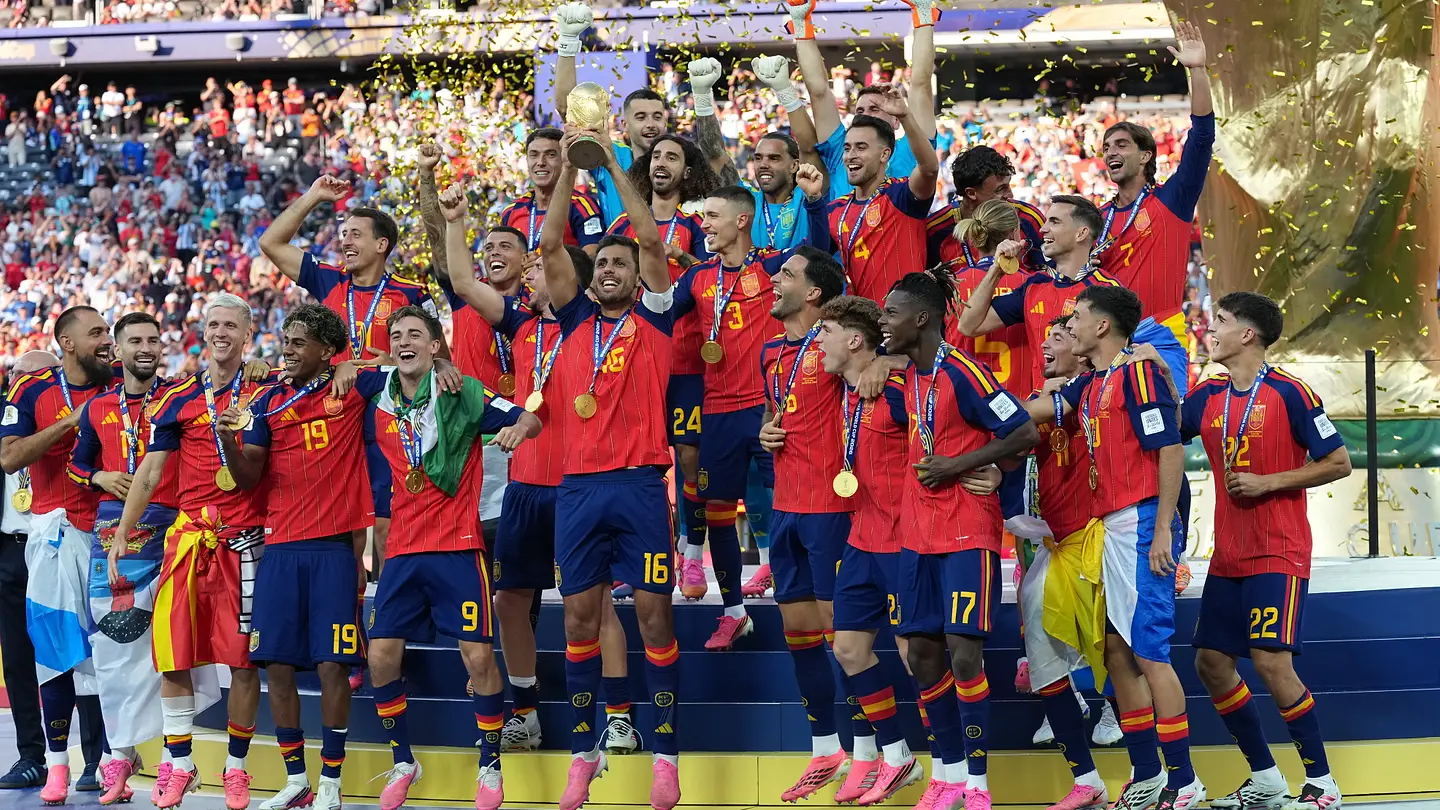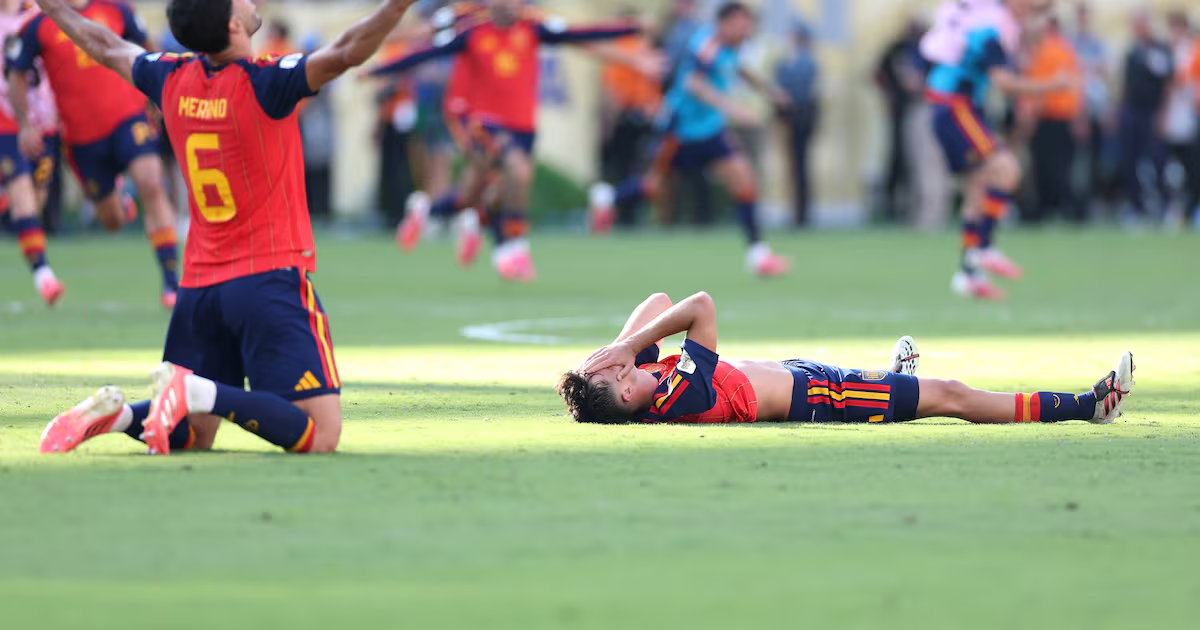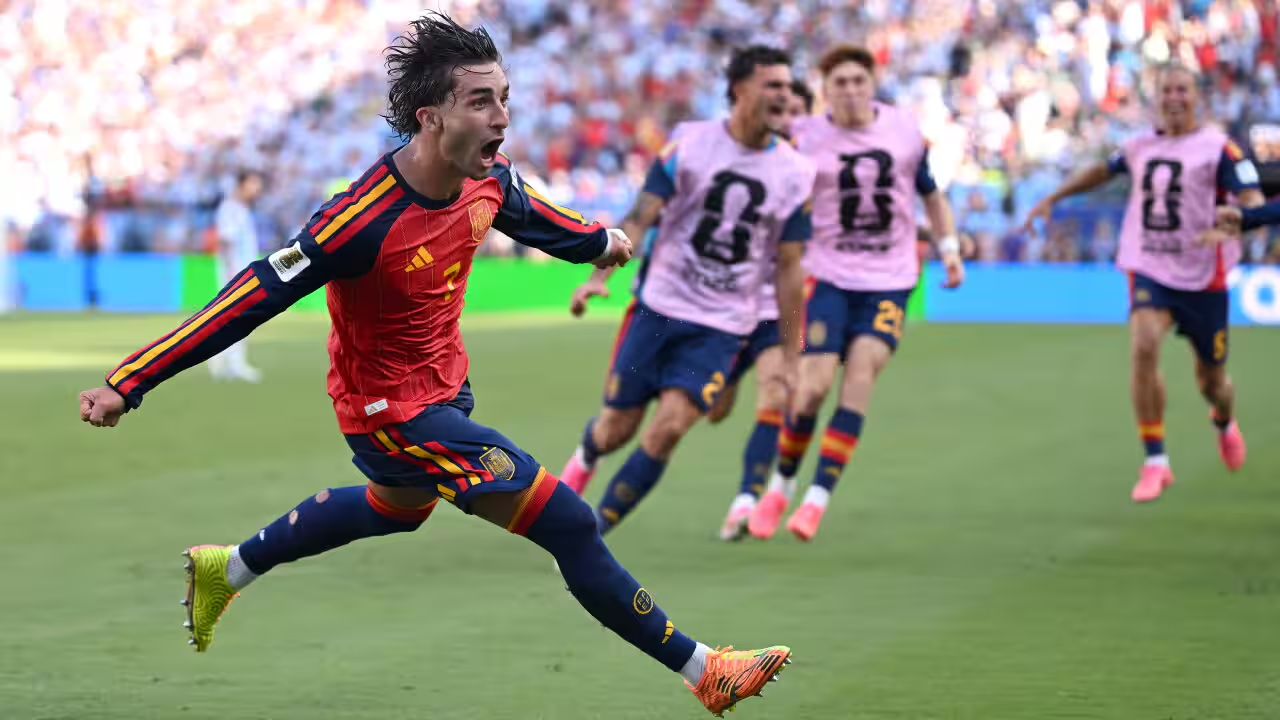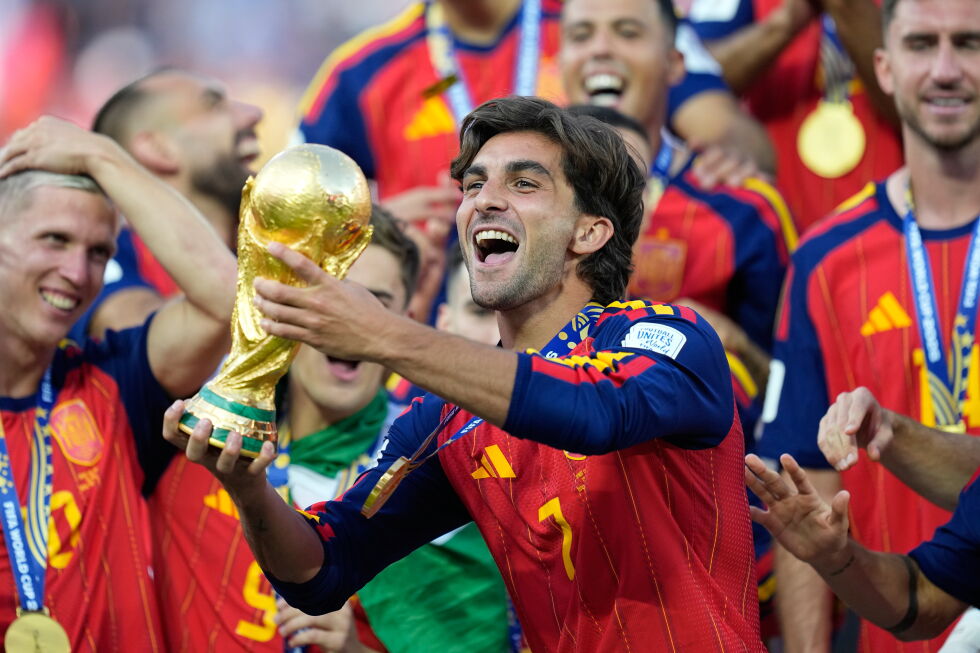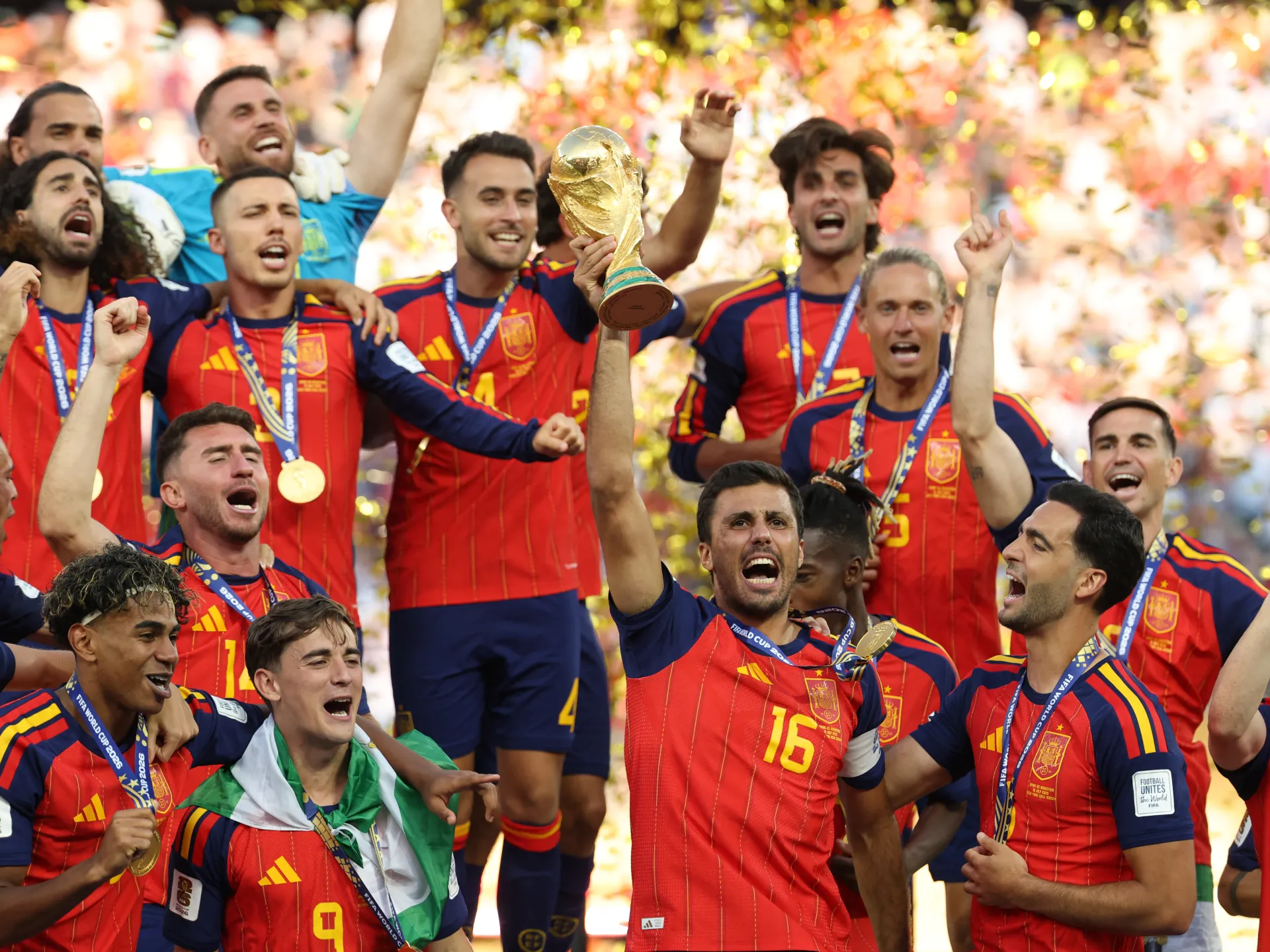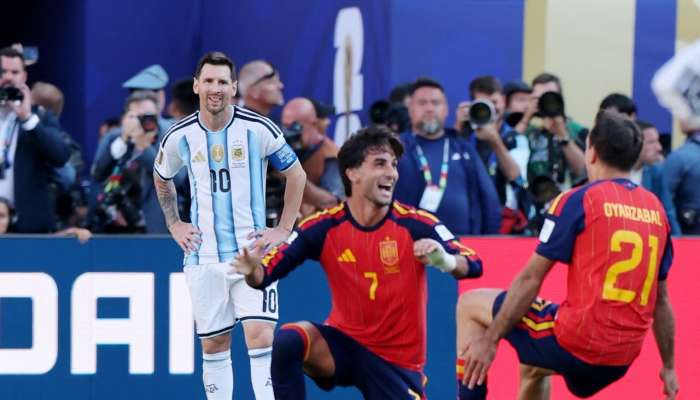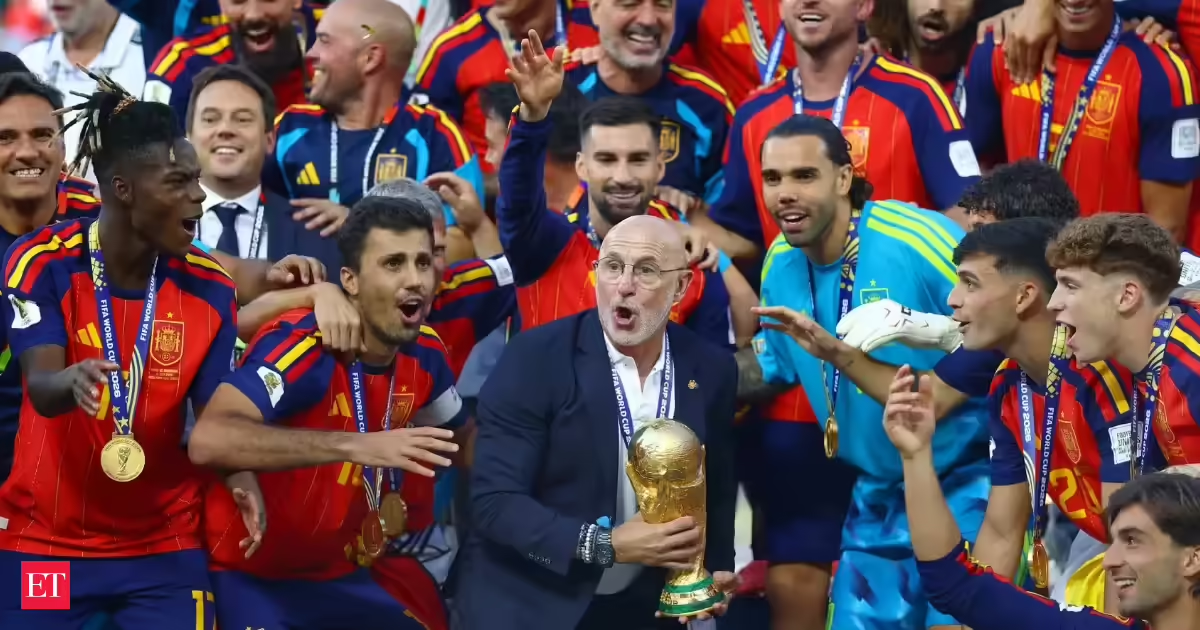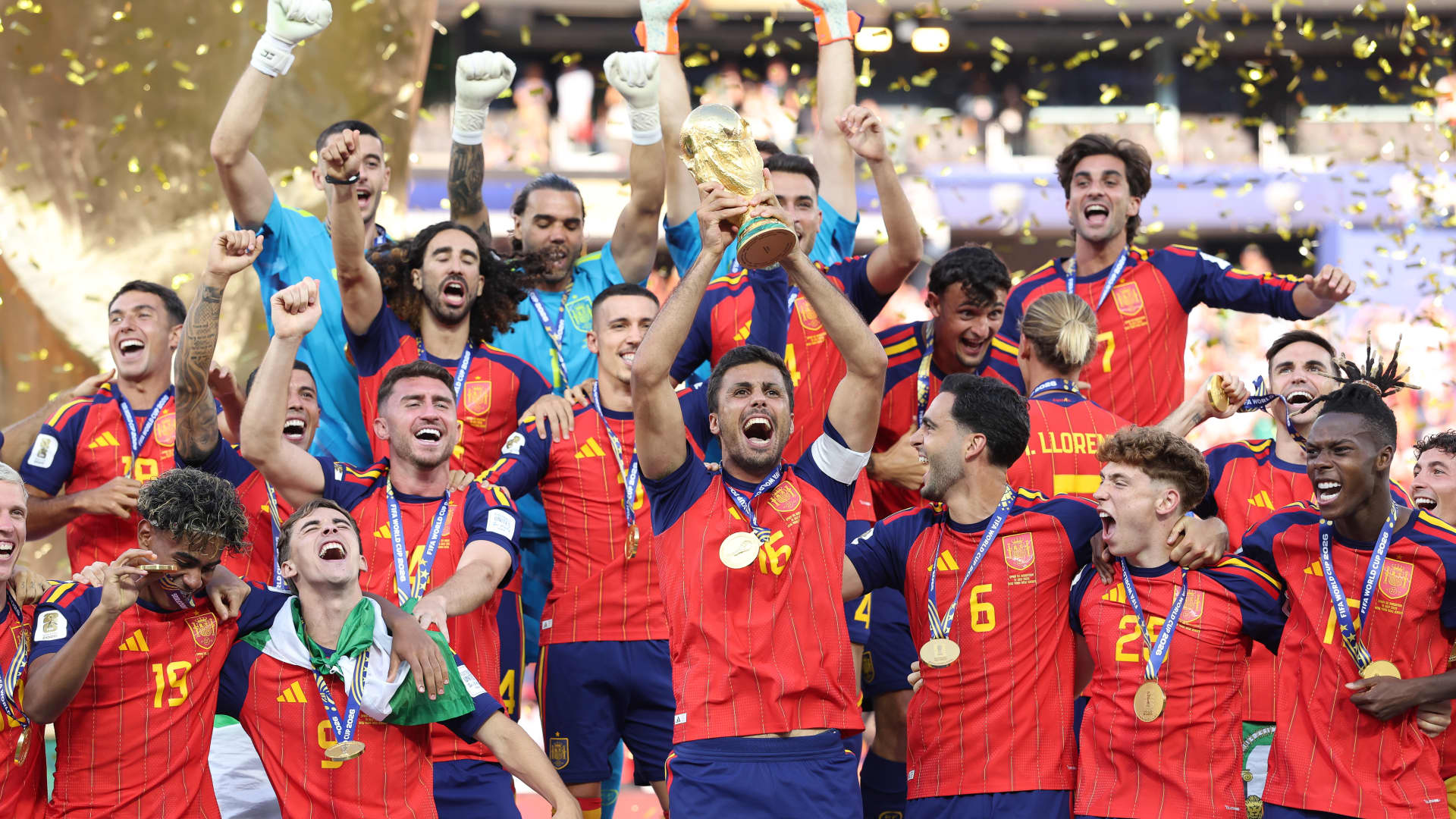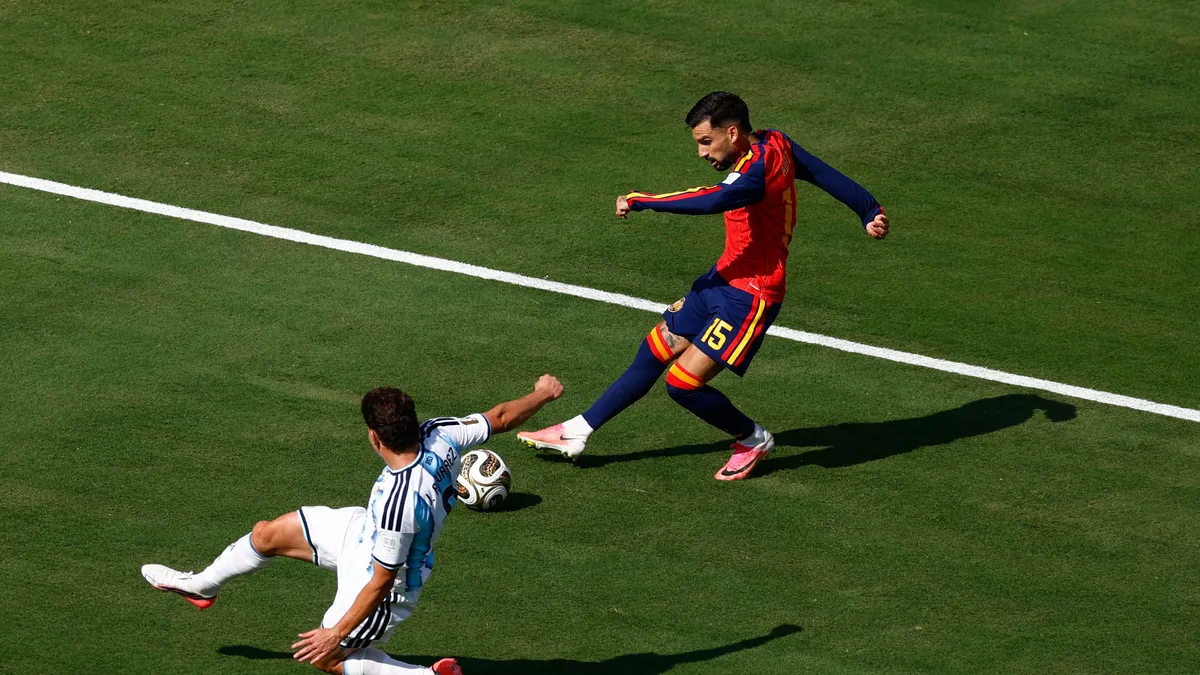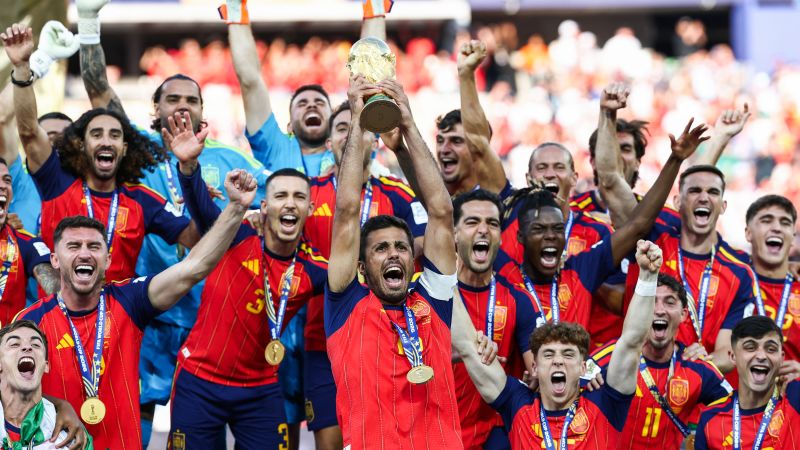
As the final seconds ticked down on Spain’s 1-0 extra-time win over a valiant Argentina and the referee blew his whistle, one could be forgiven for their mind once again slipping to memories of La Roja’s maiden World Cup victory.
Here was a team that played a beautiful, dominant style of soccer that enthralled the world and stymied opponents on its way to the World Cup final. There, the squad encountered an opponent that played a punishing, physical game to throw off the beauty and rhythm of Spain. Despite some controversy in the match, La Roja scored a dramatic extra-time winner to claim the World Cup trophy. Also, both teams were motivated by the memory of people who had died in tragic circumstances: former Espanyol player Dani Jarque from a heart attack at age 26 in 2009 and Spain fan María Caamaño from Ewing’s sarcoma at age 13 on April 16.
While the comparisons between 2010 and 2026 are almost innumerable if you are into numerology, two things are clear: Both of these teams are world champions and both have done so through a consistent, shared DNA that sets Spain apart.
The 2026 world champions are the next evolution of a team that won the 2024 Euros, which was in itself a team that evolved from its 2008-2012 heyday. This 2024 team was one that used dynamic winger play behind a solid, dominant midfield to win a fourth European crown and it was widely expected that a similar squad would take to the pitch in North America.