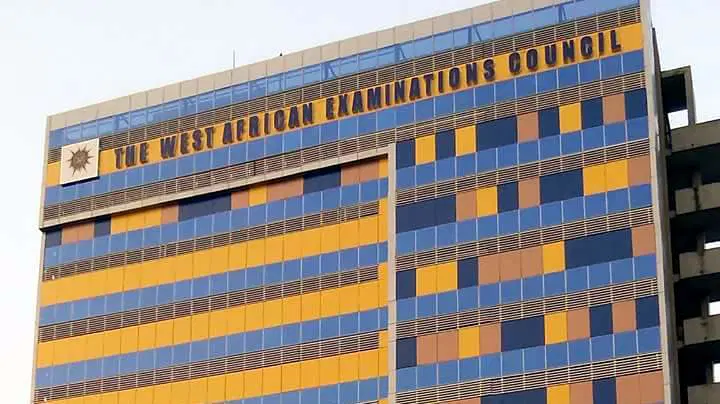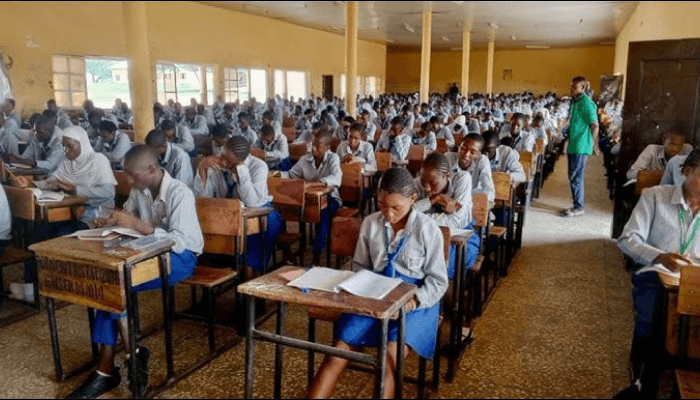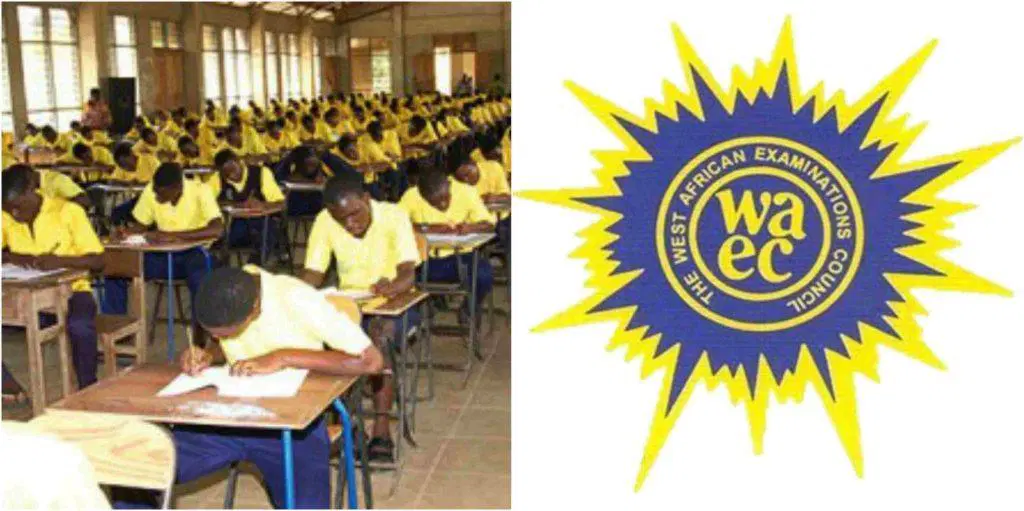
It is hard to say which of the two major issues in the news last week is most troubling for the average Nigerian. Is it the federal government’s announcement-and subsequent reversal-of an 82 per cent increase in WAEC and NECO registration fees, from N27,500 to N50,000 per candidate beginning in 2027? Or is it the court-ordered forfeiture of properties allegedly worth N212 billion linked to former Attorney-General of the Federation Abubakar Malami?
While the two events appear unrelated, they are, in fact, not only directly connected: they both reveal the moral failure of governance in this country. One case reveals the inhumanity in a government decision that would have affected nearly two million secondary school students at a time when millions of parents are struggling to put food on the table or even take transport to and from work daily. The other raises the truly sad question of how a single public official allegedly acquired properties worth N212 billion while in “public service.” In this sense, they are both different expressions of the same moral poverty and insensitivity in our governance.
Consider, first, the federal government’s announcement of a N22,500 increase in each of WAEC and NECO registration fees per candidate. It is true that the federal government has withdrawn this policy because of the heavy criticism it generated within days. Yet the insensitivity inherent in the policy announcement cannot be ignored merely because it was reversed. Policy announcements are more than mere expressions of the government’s intentions; they are indications that the government has already done its homework on the policies announced and is now ready for implementation. So how did the whole idea survive the policymaking process in the first place? Was there any adequate assessment of how the policy would impact poor households at this time? Was there any debate or discussion of the policy at the cabinet level before it was passed? Were parents, teachers, school proprietors, and other stakeholders in the education sector consulted? What did the government’s economists say about how many pupils would be forced to drop out of school altogether if the policy were to be implemented? The character of a government is defined more by the bad policies that it announces but never sees the light of day.