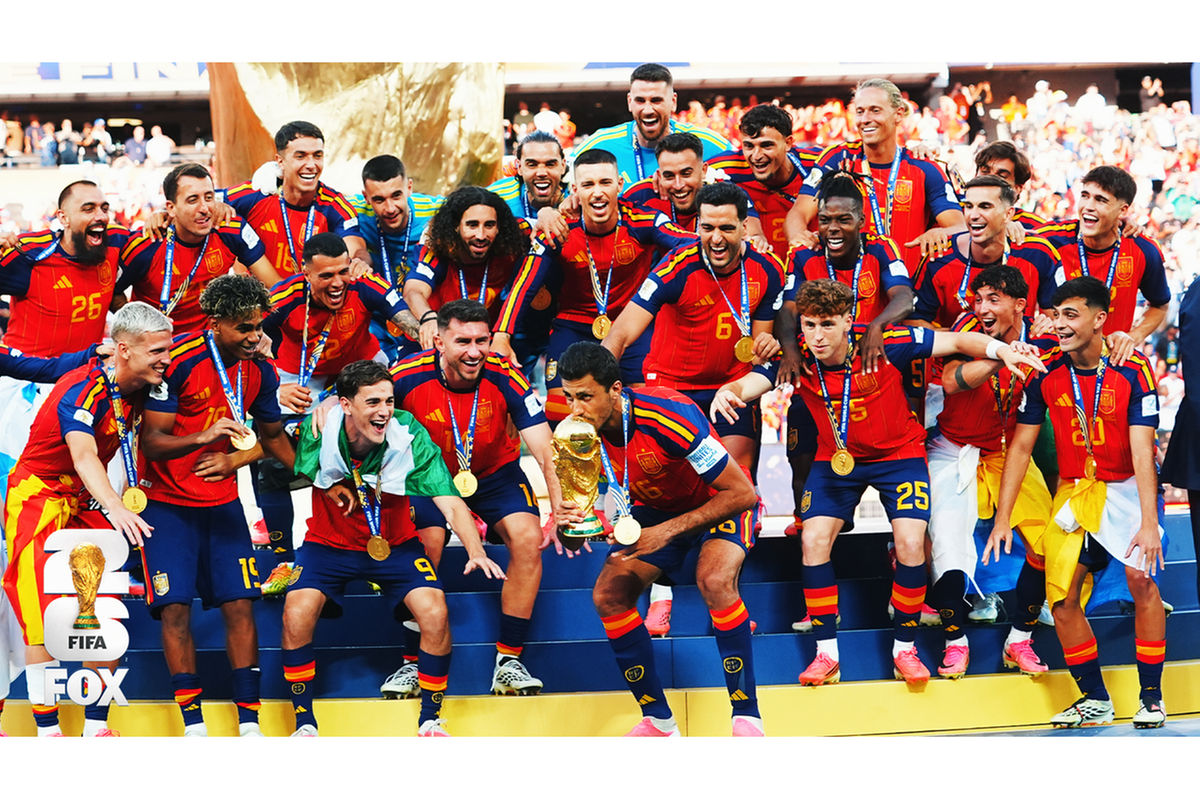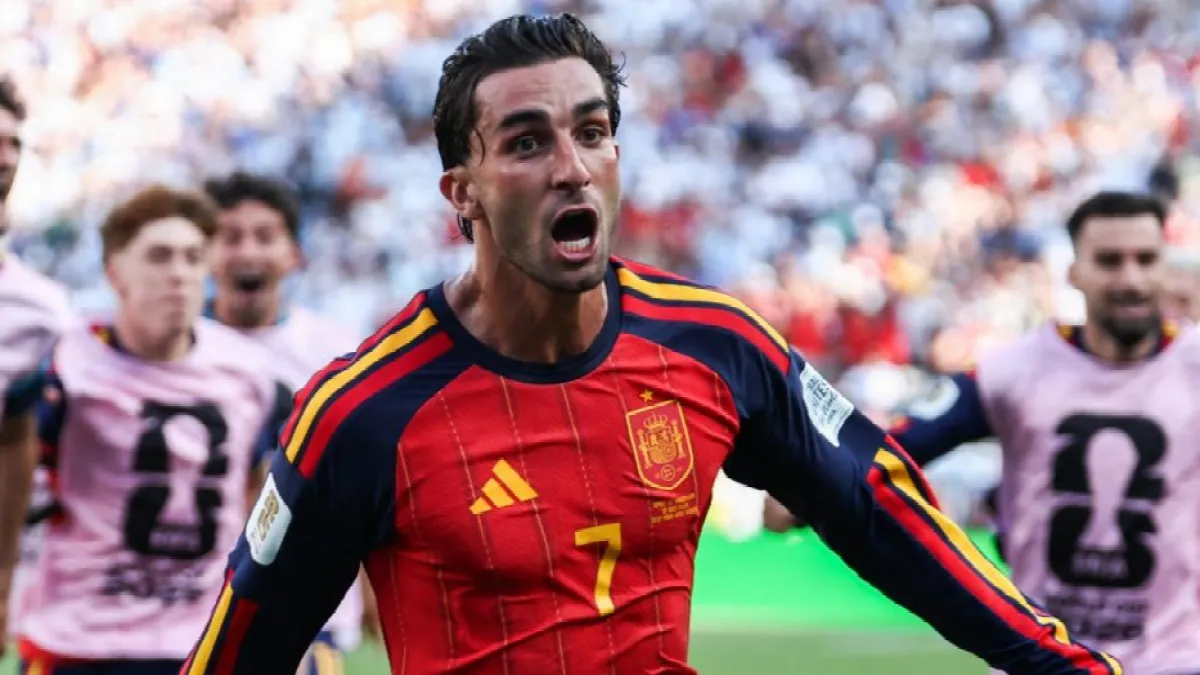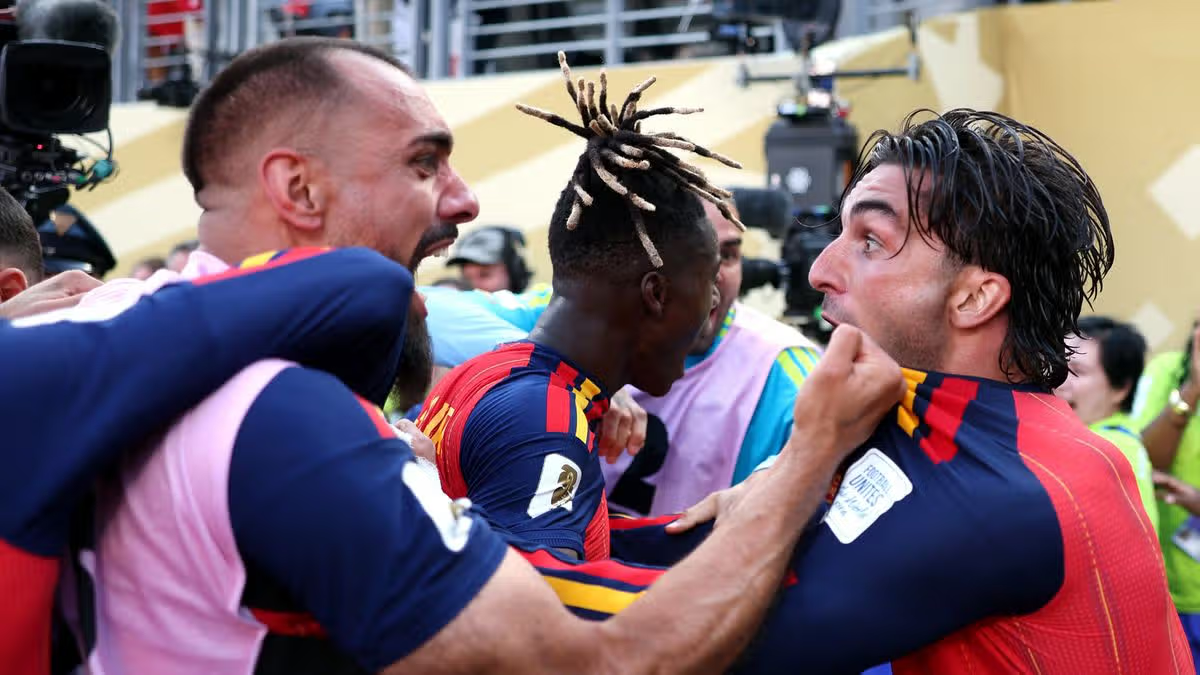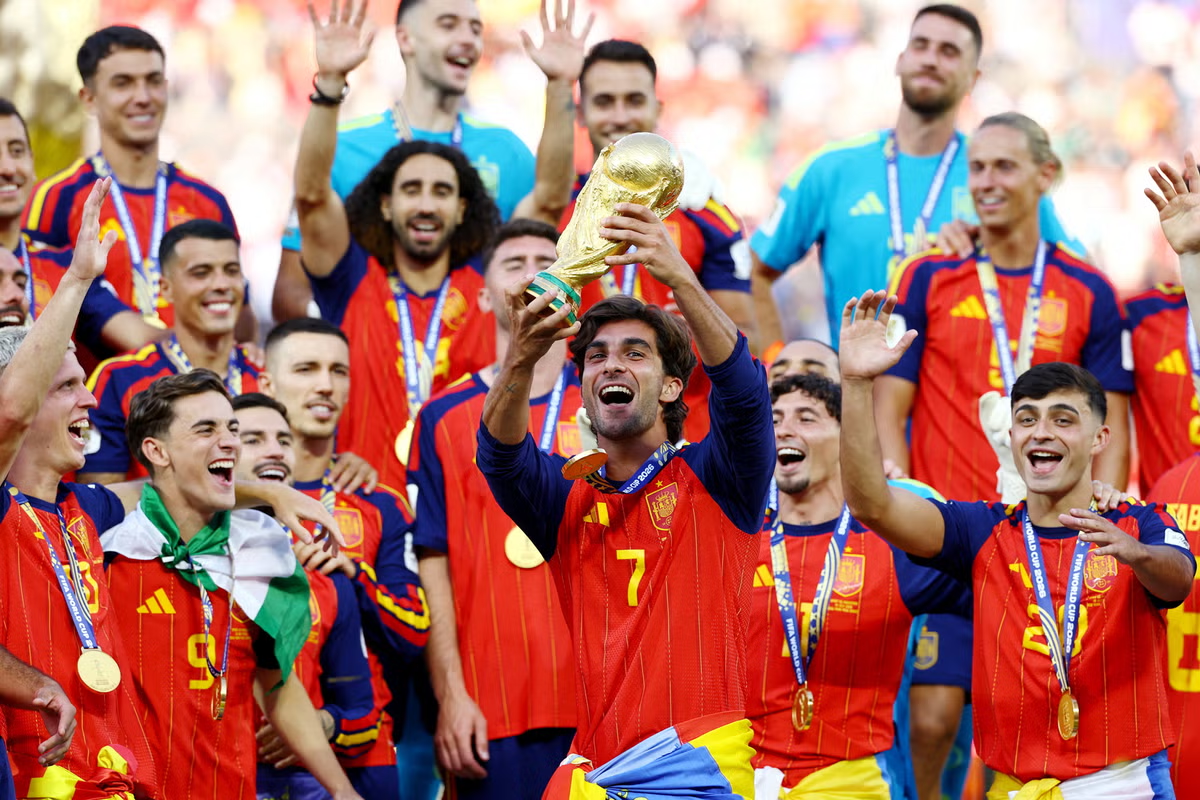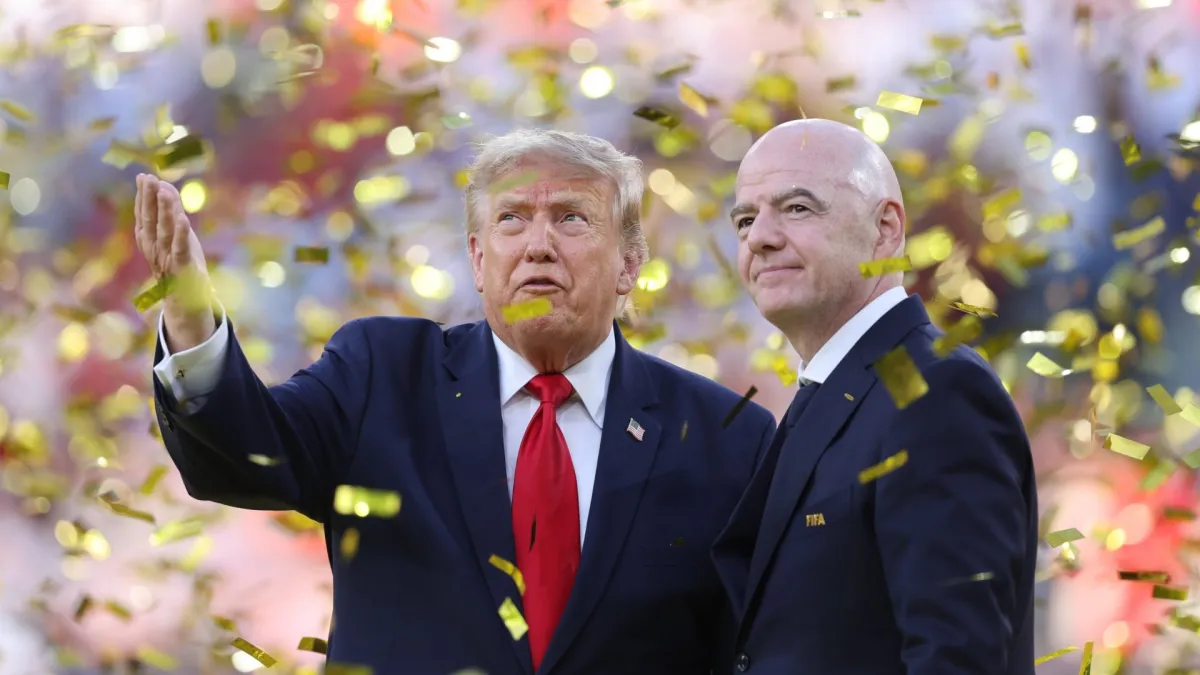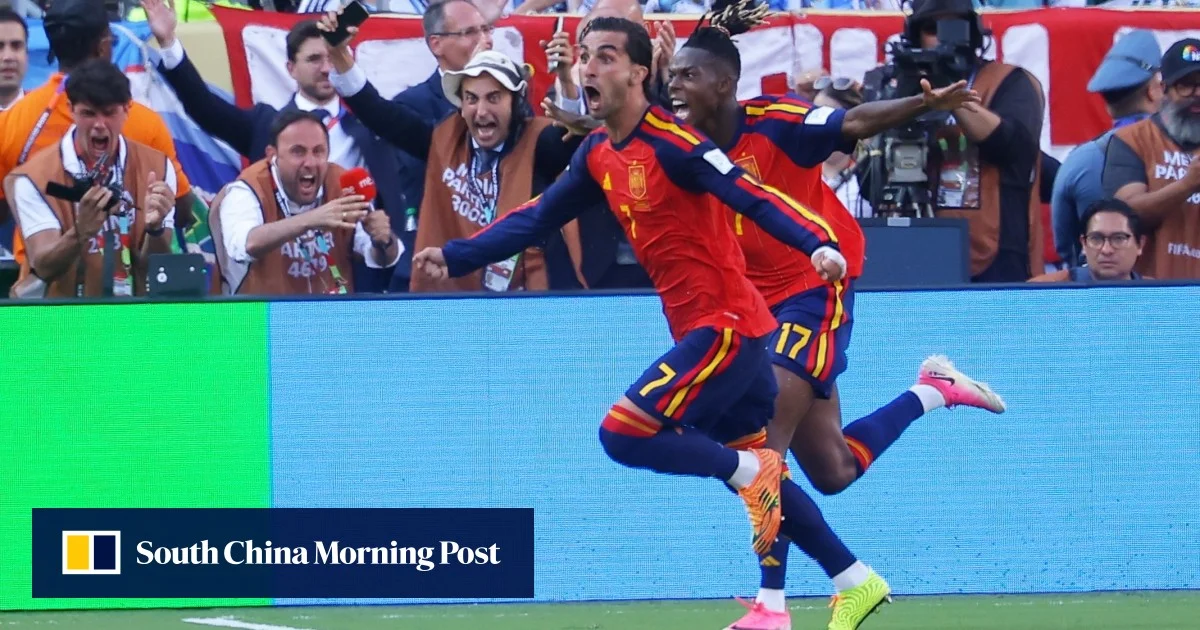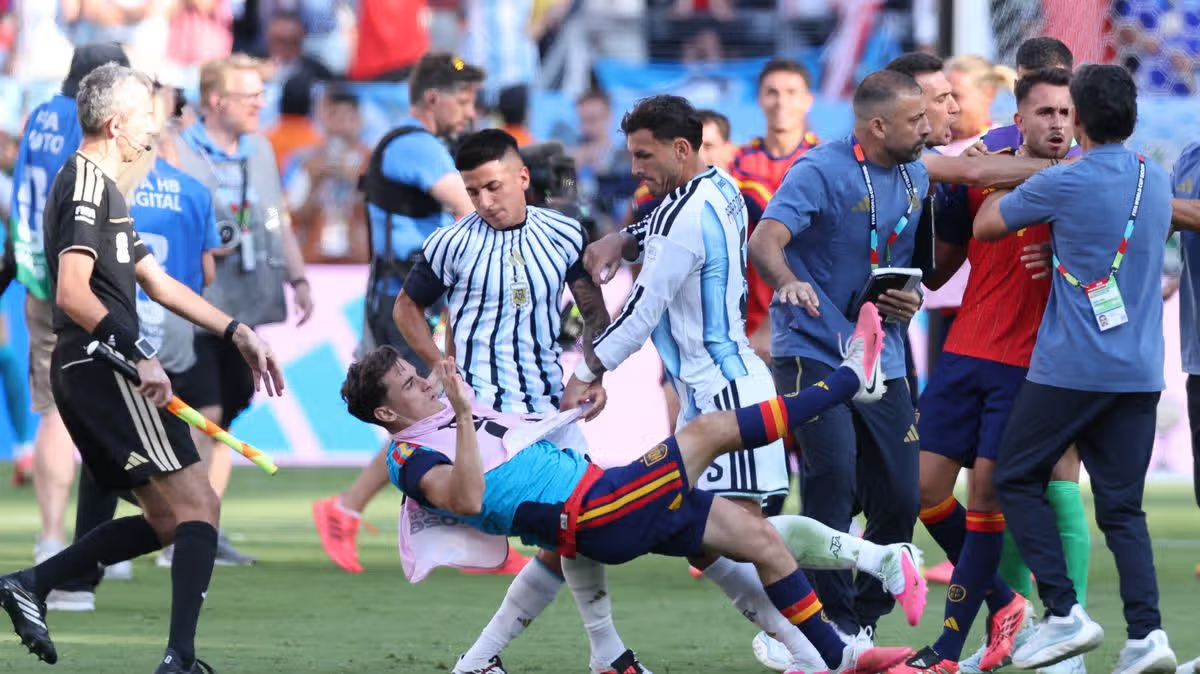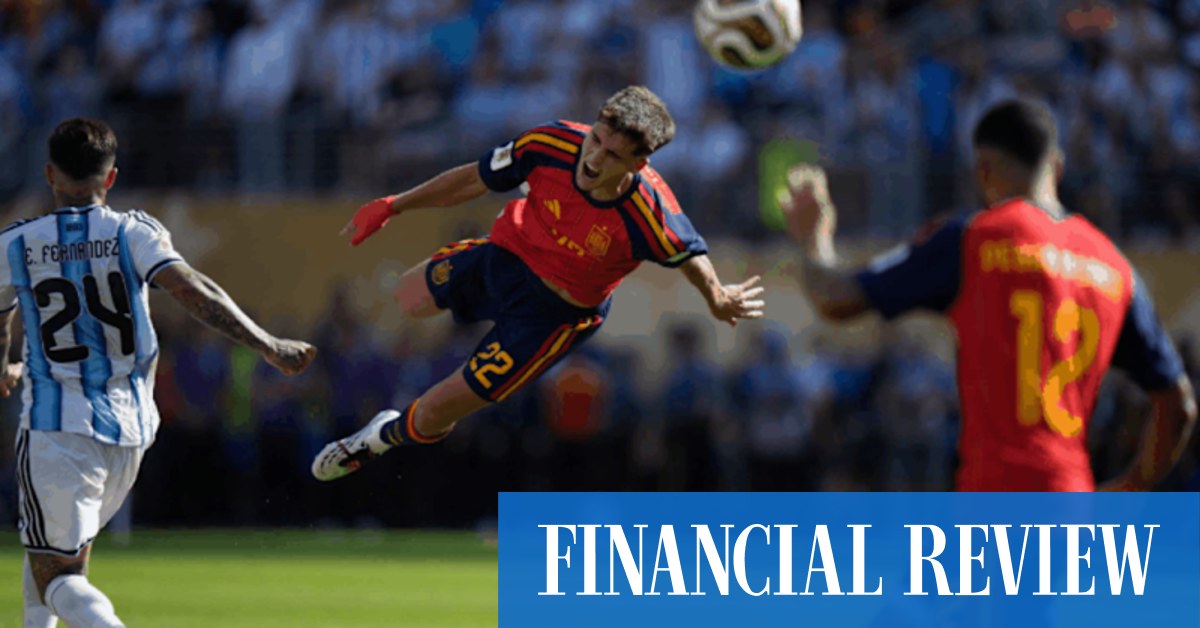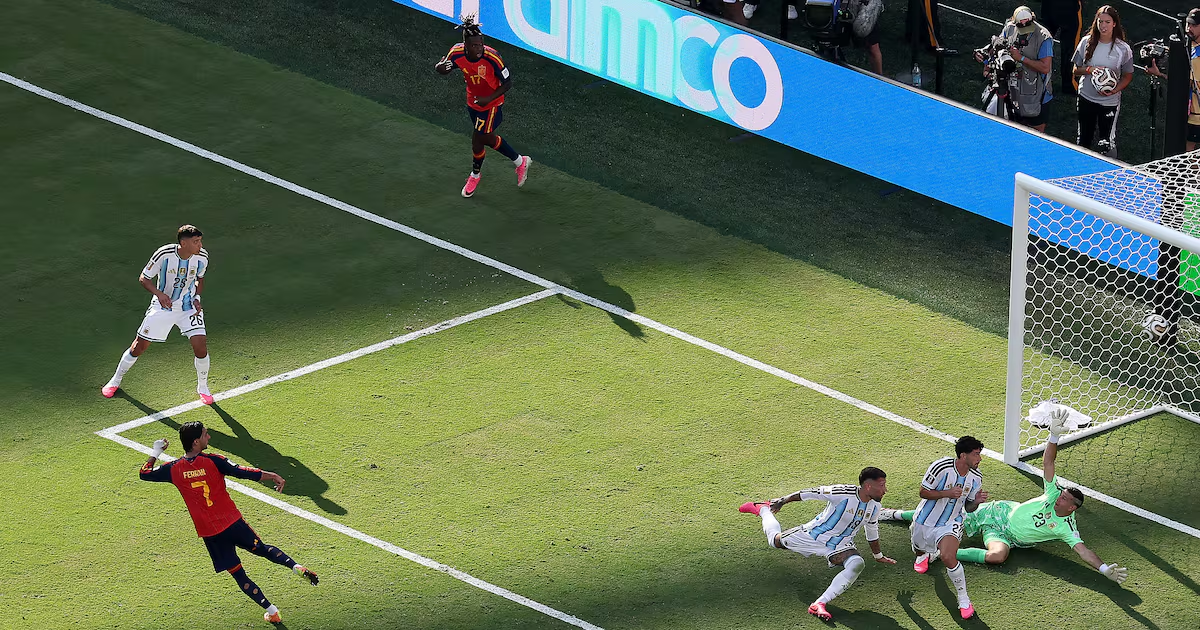
World Cup Final, AET: Spain 1 (Torres 106) Argentina 0The match that made Spain world champions for the second time was the biggest-grossing football match of all time. A sell-out crowd of 80,000 at the MetLife Stadium in New Jersey. Tickets on resale markets going for $11,000 on average. People sitting in blue couches at pitch level on the halfway line who had apparently paid $1 million to be there. With their 30 per cent cut on the resale market, Fifa’s revenue from this one match was conservatively reckoned at more than half a billion dollars. It could end up being much more than that. And it was surely the worst World Cup final in history. Lionel Messi, the star attraction, hardly touched the ball. Argentina reached the 120-minute mark before recording a shot of any kind: not a blocked shot, not a shot off target. After thrilling the world so many times on their run to the final, Lionel Scaloni’s team failed dismally at the moment of truth. As the camera cut away from the dreary on-field action to show us the faces of bored celebrities, it was as though the spirit of football was reminding the Fifa president that the game is not an entertainment product, but a sport. Part of its charm is that a lot of the time it is boring – the contrast is what makes the great matches so great. You can’t guarantee a spectacular final just because you’ve charged the crowd half a billion dollars to be there. Why was this final so bad? It certainly wasn’t Spain’s fault. They did what they could. It might not even have been Argentina’s fault: they were not good enough to compete with Spain. Much of the blame must go to the referee, Slavko Vinčić of Slovenia, who didn’t want to spoil the game by doing his job. On Friday, Vinčić had given a disturbing interview describing his feelings when he learned he would be refereeing the World Cup final. “First of all, it was a surprise. Then came the joy. My legs were shaking. It’s an incredible honour to referee a World Cup final.”Slovenian referee Slavko Vincic speaks with Spain's Rodri. Photograph: Paul Ellis/AFP via Getty Images He refereed the game as though his legs were still shaking. He was like a guy who was desperate to make a good impression at a cool party he had unexpectedly been invited to. He didn’t want Messi to go away thinking he was a boring, horrible guy. From the opening minutes of the game it was clear Argentina were going to struggle to get close to Spain, who were swishing the ball around much faster than Argentina’s little legs could run. But while Argentina might be slow, they’re not stupid. When, after just a few minutes, Alexis Mac Allister avoided even conceding a foul for what looked a bookable offence on the edge of his own area, they understood how they could stay in the game.They took advantage of the wallflower Vinčić to disrupt Spain’s passing football with systematic fouls. They paid special attention to Lamine Yamal, who had shown from the beginning that he could beat the Argentinian left-back Nicolas Tagliafico almost at will. He did not, however, have the capacity to keep going after Tagliafico had jumped on his back and raked his studs down his calf, as in one memorable first-half intervention which Vinčić did not deem worthy of a yellow. Spain’s passing style only works if there are rules. If you can kick them and get away with it, it’s pretty easy to drag them down to your level. And so Argentina were kept on life support in a match they would otherwise probably have lost by half-time.Inevitably, Spain started to retaliate – Oyarzabal bringing Messi down with a crude hack. Lisandro Martinez got the first booking on 40 minutes for a heavy foul on Olmo. He seemed to injure himself in the lunge, and was substituted for Otamendi a couple of minutes later: a major blow for Argentina. Ronaldinho, Madonna and Ronaldo during the World Cup Final half-time show. Photograph: Carl Recine/Getty Images Then it was time for the much-trumpeted half-time show. The spectacle was designed for TV and alienating to watch from the stands, where you had very little idea of what was going on. Madonna could be heard singing ‘Music’ and could be seen on the big screen, but you had no idea where in the stadium she was. Just when you thought she might show herself on the field, it was time for BTS – tiny figures in huge jackets cavorting in front of half-crouching cameramen on the vast emptiness of the pitch. Suddenly Ted Lasso was walking around, saying something you couldn’t hear through the echo of the stadium speakers. Oh, was that Justin Bieber he had been pretending to speak to? Bieber crooned for what seemed about 40 seconds. Then Shakira sang a fragment of her World Cup song we’d last heard less than an hour ago, just before the match kicked off. If you think this interlude has pointlessly broken up this account then imagine how it felt in the middle of the actual World Cup final. The match eventually restarted after some 27 minutes. We wondered if the person most of us had actually come to see was going to do anything. Messi had been limited to a strictly observational role, like an anthropologist studying the war-making customs of Stone Age tribes. Scaloni had made a change: defensive midfielder Leandro Paredes for the ineffective winger Nico Gonzalez. Paredes first involvement was to get booked for a barge on Rodri which was innocuous by comparison with some of the first-half goings-on. Was Vincic perhaps feeling ashamed of his first-half performance?The nature of the stalemate was that Argentina could not land a blow on Spain, while Spain had Argentina on the ropes but didn’t have a knockout punch. The mind began to drift. It seemed unlikely that Trump, watching from behind his bulletproof canopy, could be enjoying the game. You felt happy not to be one of the people who had paid $1 million to sit on the blue couches. At least their package apparently included free helicopter transfer back to New York.The second water break came almost as a relief. Desperately, the cameras showed more celebrities: Beyoncé, Jay-Z, Rihanna, all looking stupefied. Never mind having a shot on goal, Argentina couldn’t even get the ball to Messi. In injury time, an explosion of action as Enzo Fernandez got a second yellow for a mean foul on Cubarsi. Fernandez’ intention was to subtly catch Cubarsi’s kicking foot with his studs, but he unsubtly sent the young Spain centre-half spinning through the air. Argentina's Lionel Messi during the game. Photograph: Patricia de Melo/AFP via Getty Images Lamine Yamal came closest with a free-kick before extra-time, but could not save us from another 30 minutes of this. In the first half of extra-time, Nico Williams had the ball in the net, but the goal was disallowed by Vinčić – suddenly a stickler for the rules – for a phantom foul on Otamendi by Merino. Because he had blown the whistle before Williams had put away the loose ball, VAR could not intervene. “Infantino is Argentine” chanted the Spain fans. At half-time in extra time, the stats were 19 attempts on goal for Spain, of which 11 were on target, to zero attempts for Argentina. Martinez had already made the most saves in World Cup final history, without seeming to have a particularly great game. But he couldn’t keep it up forever. The goal that delivered Spain’s second World Cup was un-Spanish in its conception. Porro’s diagonal cross to the back post, a clever header back towards the six yard line by Nico Williams, a thumping first-time finish by Ferran Torres. A deserved victory, though only the Spanish will ever return to rewatch a second of what went on here. World Cup Wallchart
Ken Early: In surely the worst World Cup final in history, Ferran Torres was our unlikely hero
Tournament finale proves spending the big bucks does not guarantee entertainment
1,333 words~6 min read