.The V8 engine speeds up JavaScript by dynamically compiling frequently run bytecode into optimized native machine code. However, if you pass inconsistent argument types to these optimized functions, V8 panics and deoptimizes back to bytecode. Keeping your functions monomorphic (single-typed) prevents this costly deoptimization loop, ensuring maximum runtime execution speed.
If you’ve spent as much time digging into V8 execution flags as I have, you quickly realize that JavaScript is constantly rewriting itself under the hood. We like to think of JavaScript as a dynamically typed scripting language. But at runtime, engines like V8 are working tirelessly to turn your code into a highly optimized, statically typed powerhouse. When we violate that type stability, we pay a massive performance tax.
How does the V8 engine optimize JavaScript at runtime?
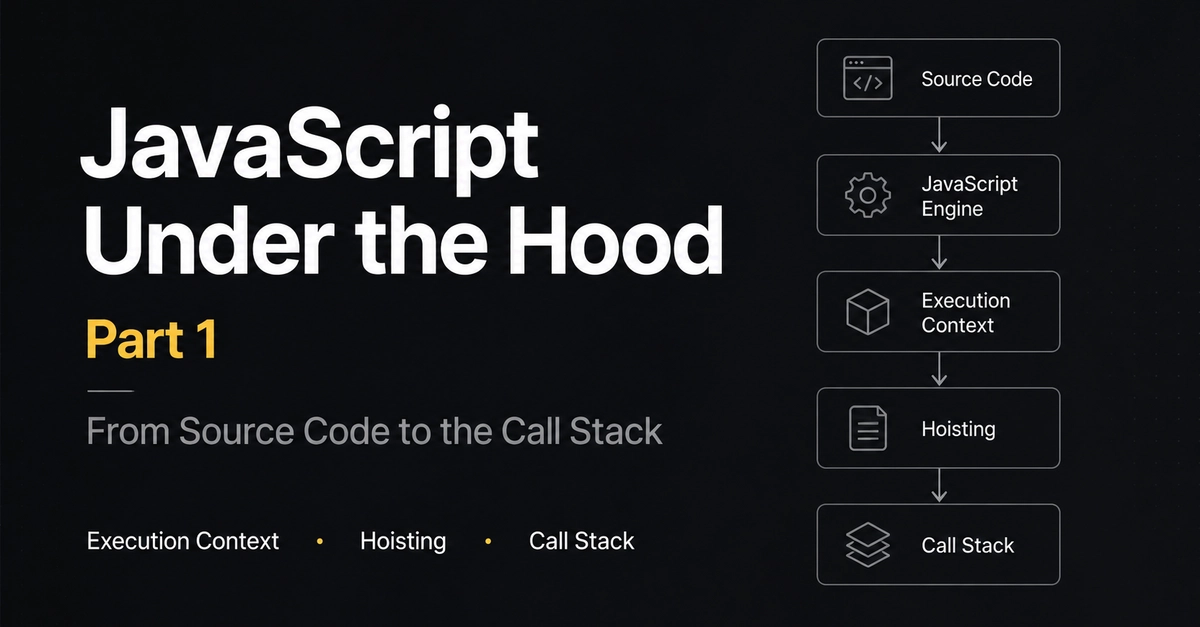
V8 uses a multi-tiered compilation pipeline that starts with an interpreter for fast startup times, then upgrades hot functions to optimized machine code using a JIT compiler. By tracking runtime type patterns, the engine can safely make assumptions to skip expensive dynamic lookups.
When I look at V8’s execution pipeline, I see two primary systems working in tandem: Ignition (the interpreter) and TurboFan (the JIT compiler).