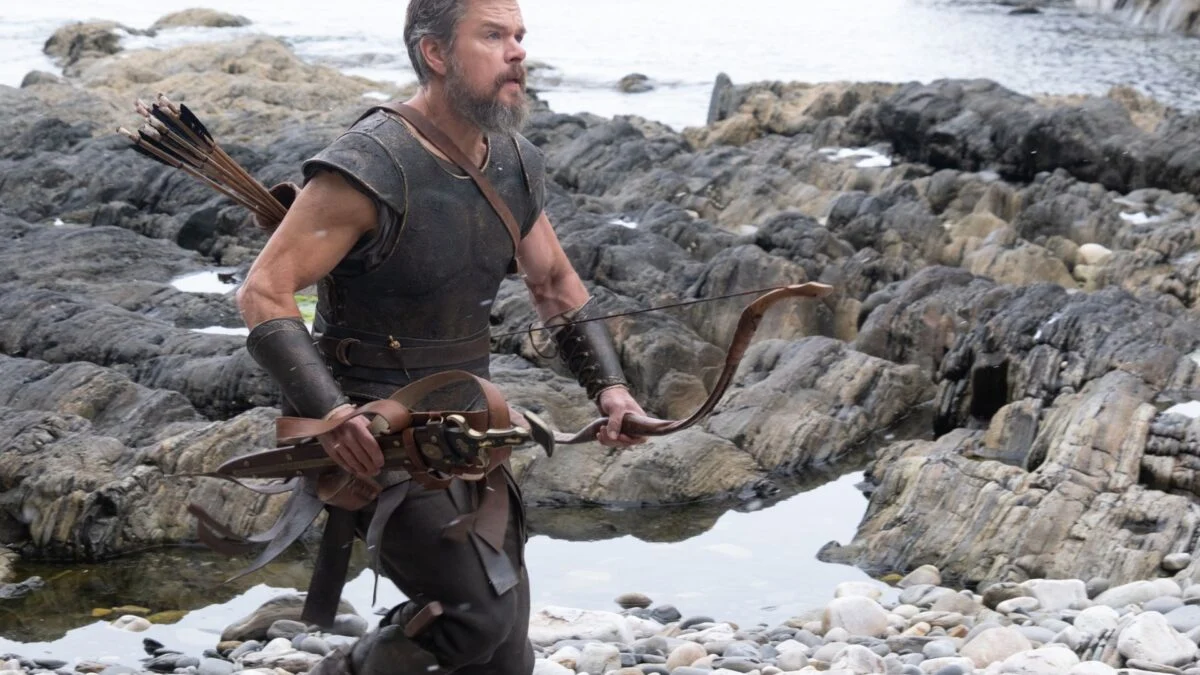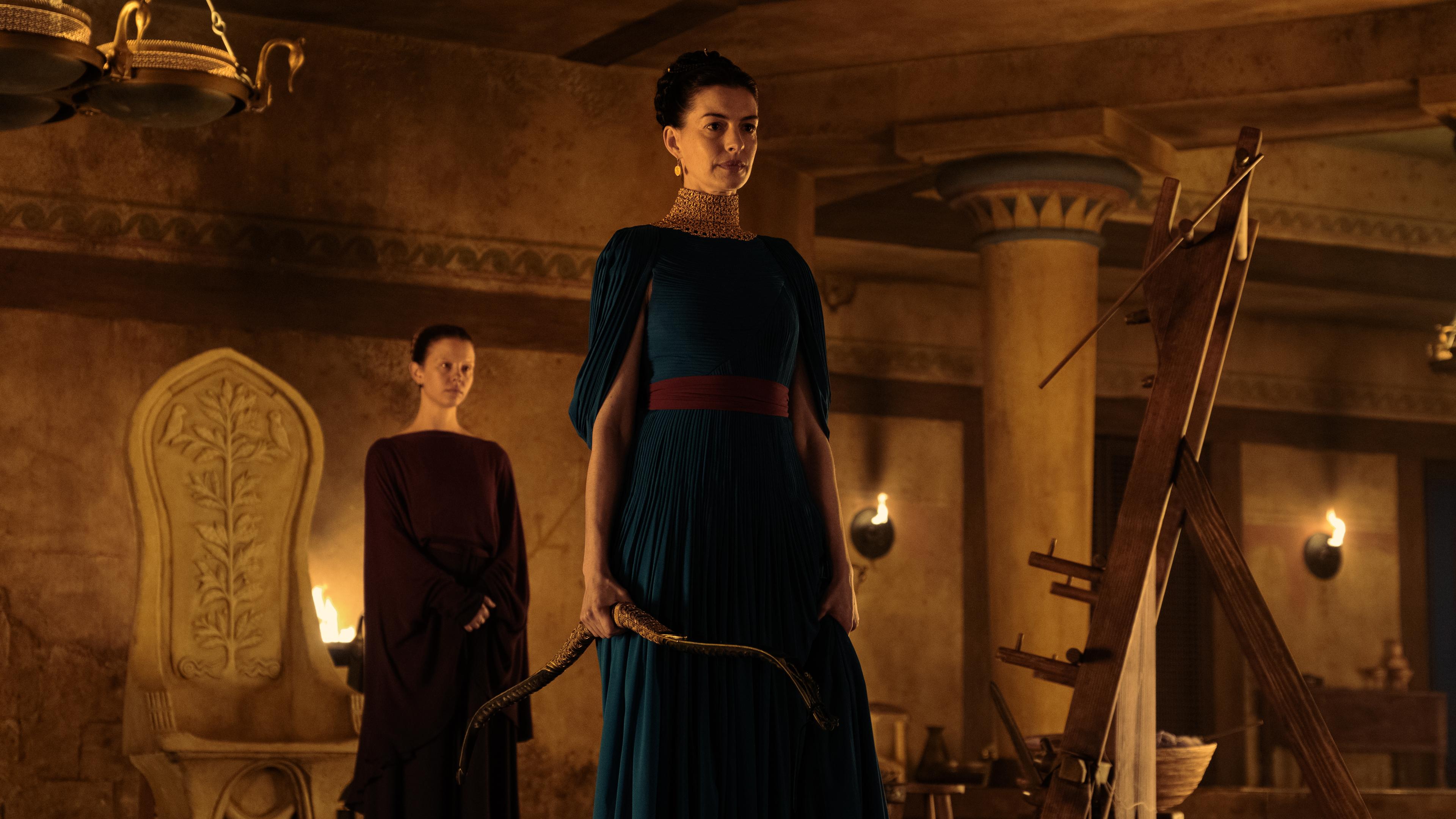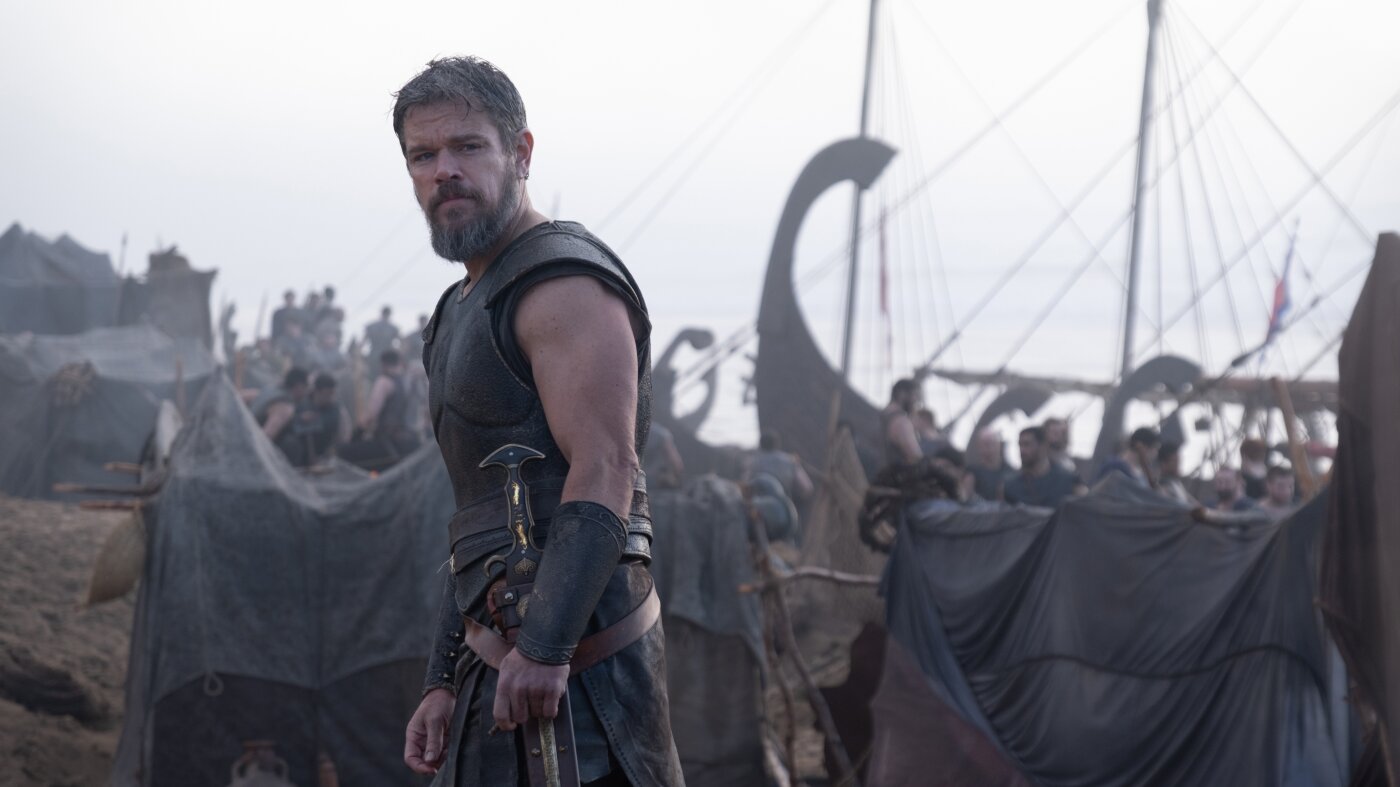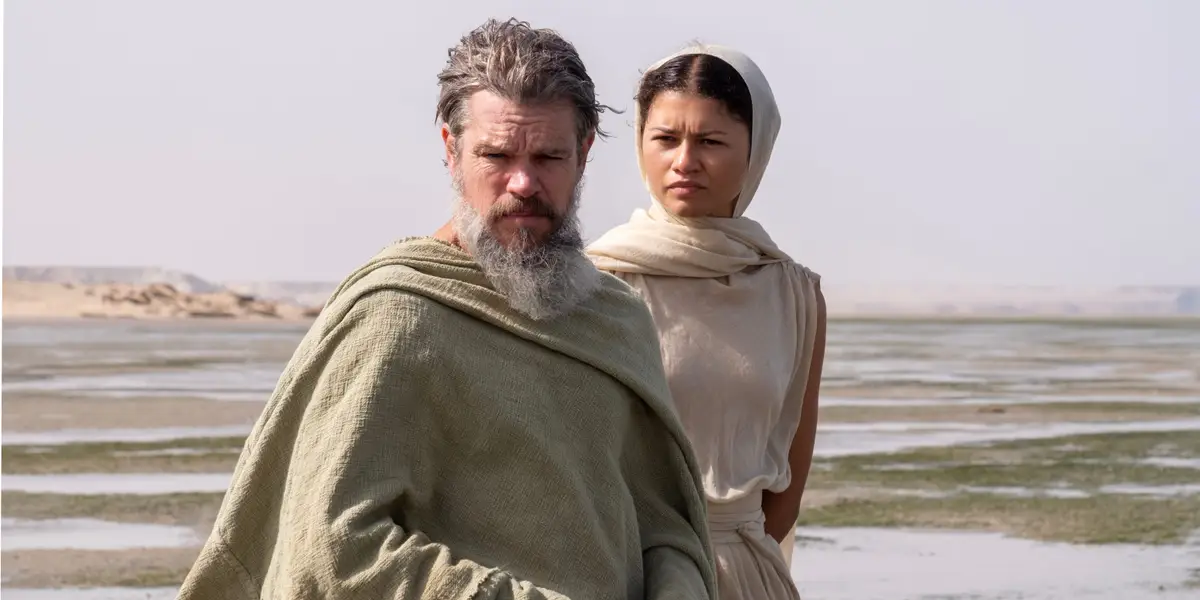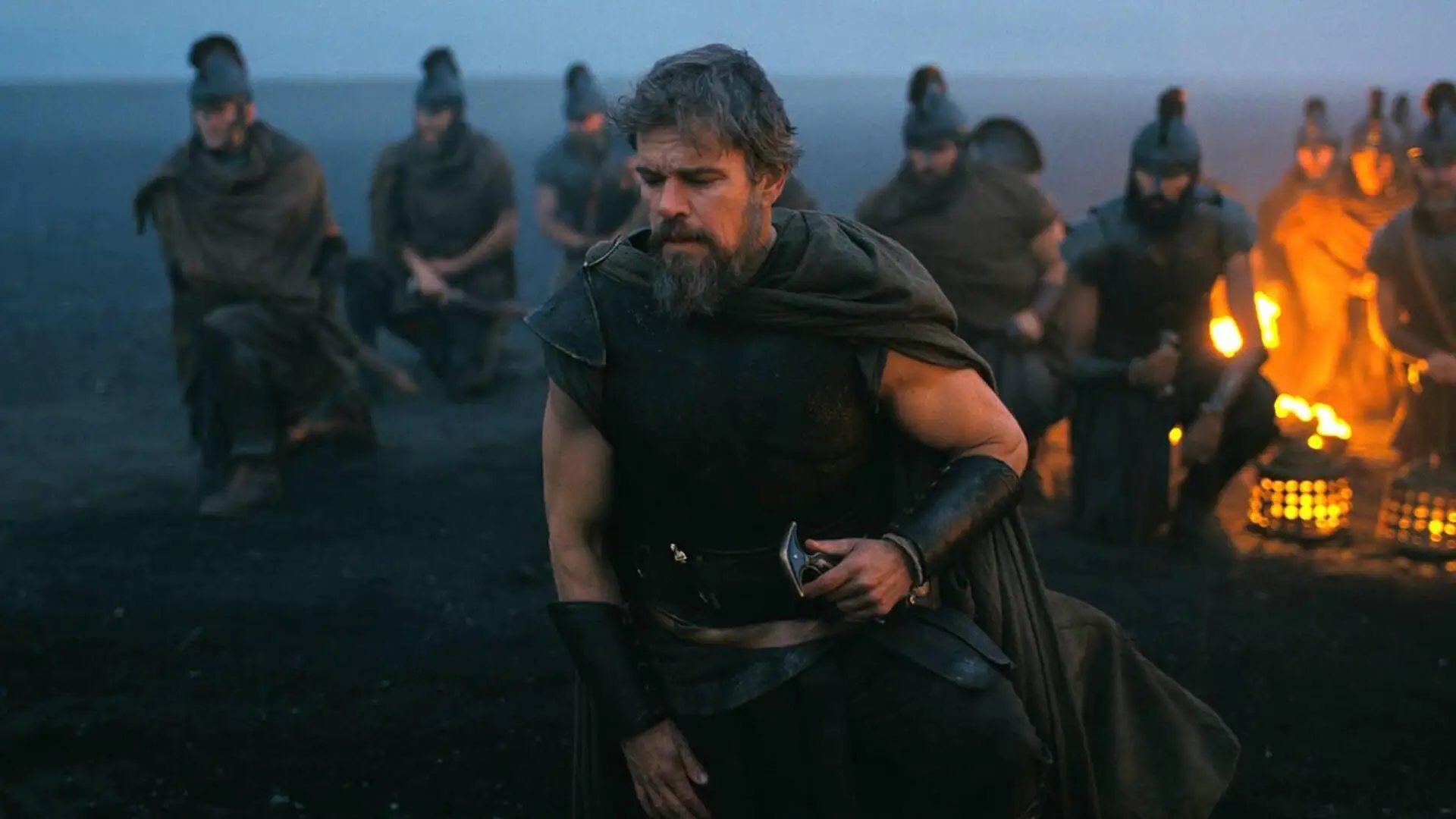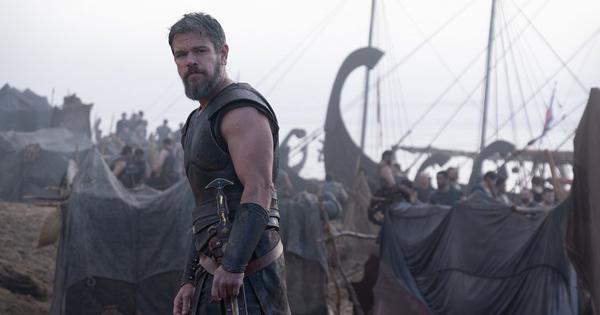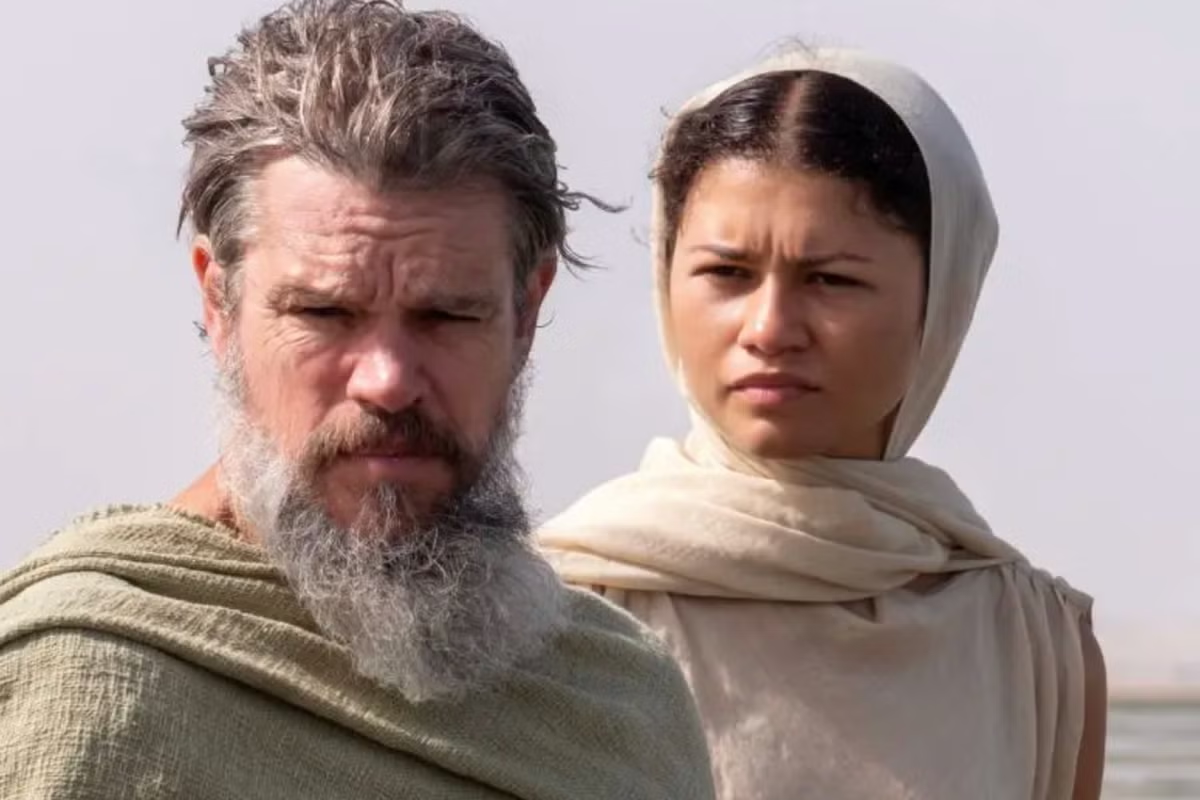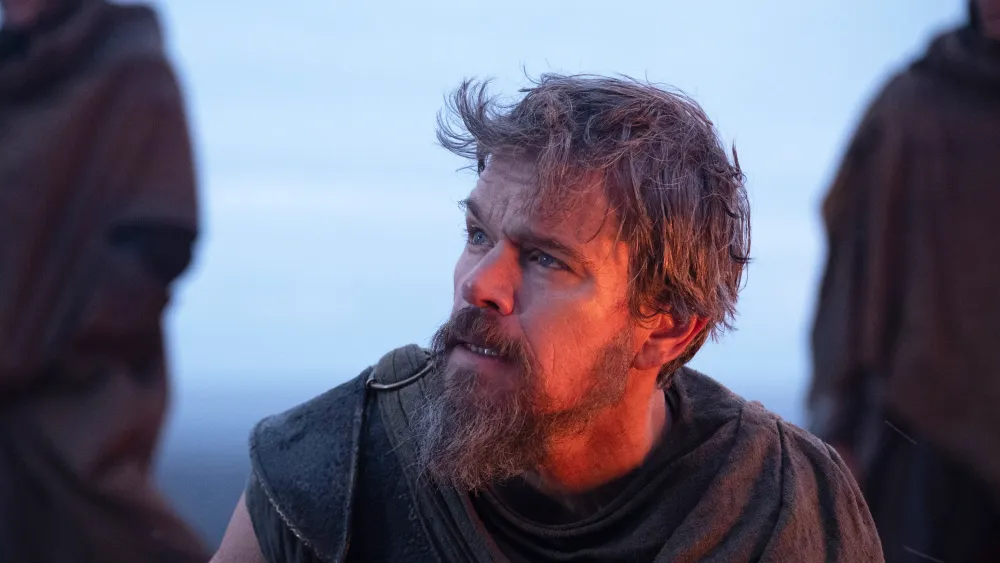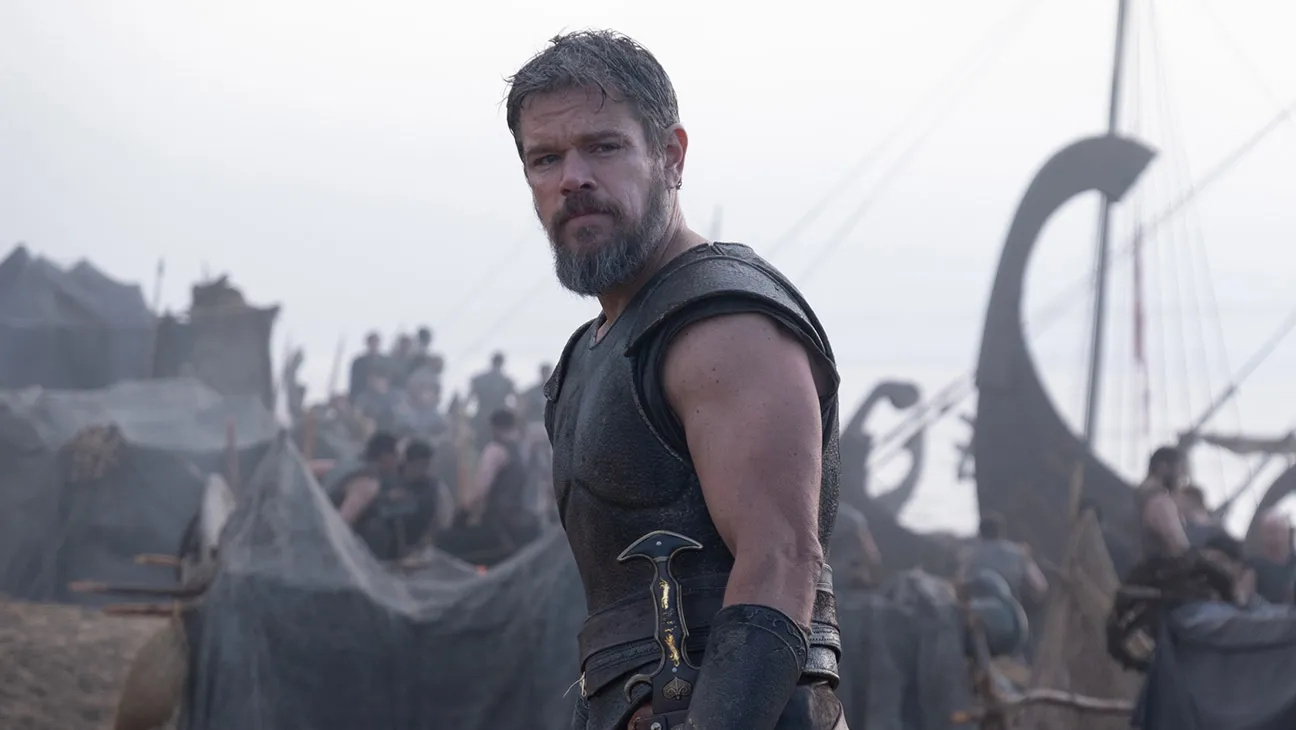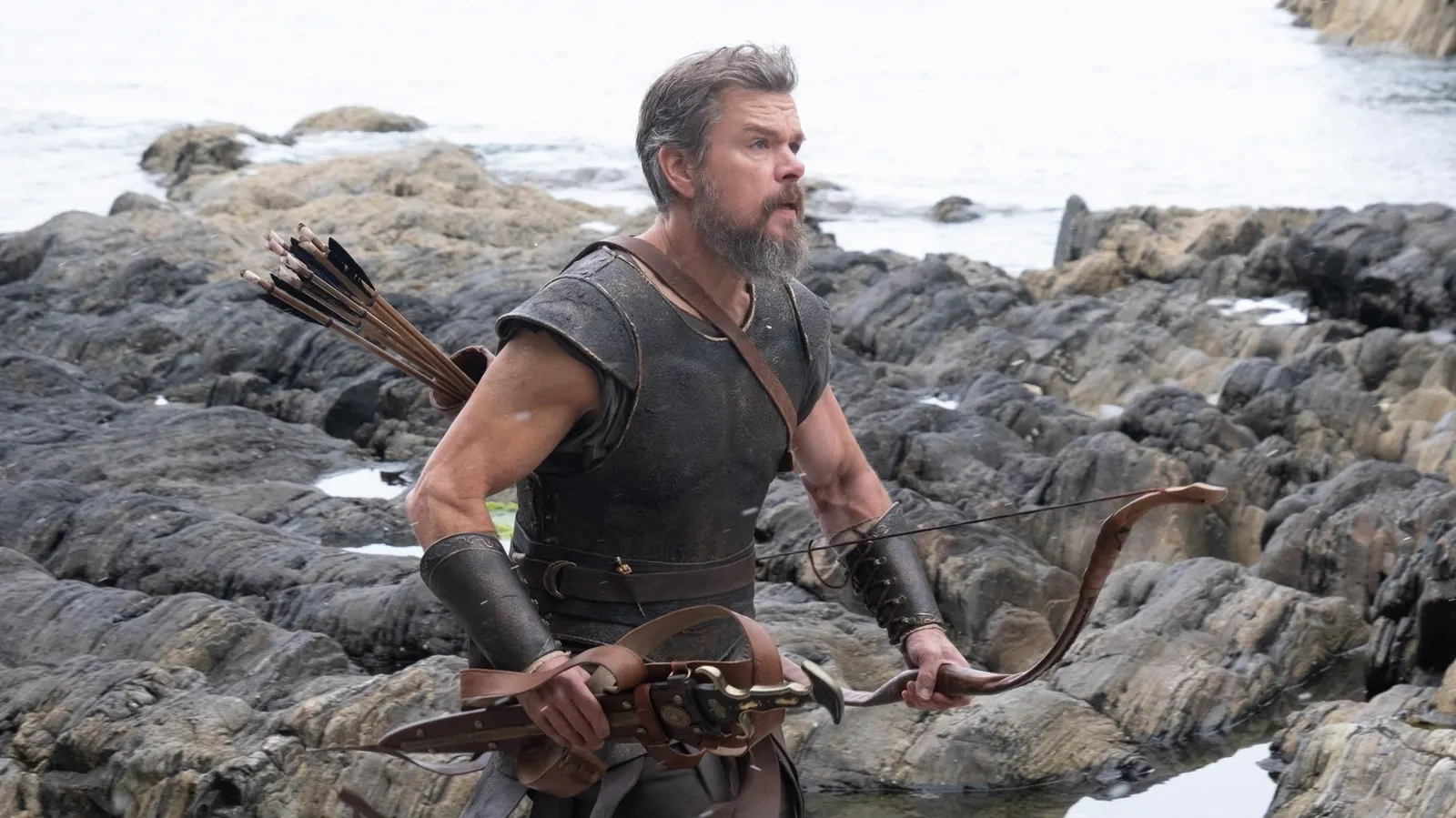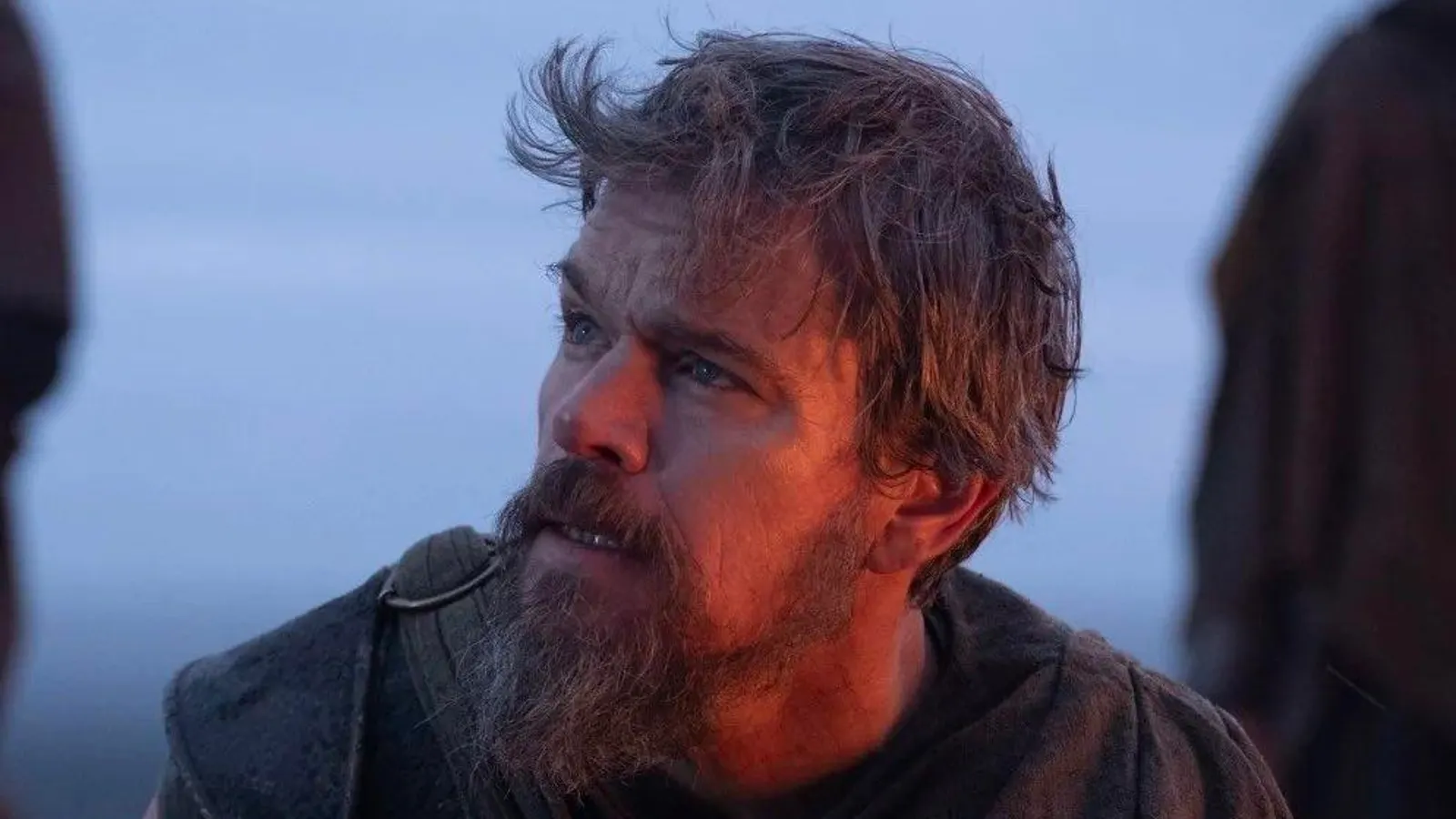
Matt Damon as Odysseus in Christopher Nolan's 'The Odyssey'Universal PicturesChristopher Nolan’s The Odyssey imbues Homer’s Ancient Greek epic with a modern twist, the ending echoing Nolan’s previous film, Oppenheimer. What Is The Plot Of Christopher Nolan’s ‘The Odyssey’?Following the fall of Troy, a city thought to be unconquerable, the victorious Odysseus (Matt Damon) and his men endure a long, dangerous journey home.Odysseus is returning to his island kingdom of Ithaca, which his wife, Penelope (Anne Hathaway) and son, Telemachus (Tom Holland) have been struggling to safeguard during his long absence.Odysseus isn’t just a king, but a great warrior and strategist, credited with winning the war against Troy, thanks to his legendary Wooden Horse deception.As Telemachus begins his own journey to find his father and rescue his mother from a hoard of increasingly entitled suitors, Odysseus and his men make their way from one surreal encounter to another, a myriad of deathtraps awaiting them on each island.During the long, strange journey home, Odysseus gains a deeper understanding of the harsh new world created in the wake of the Trojan war. Odysseus is haunted by his great victory, along with literal and metaphorical ghosts.After forcing himself to hear the song of the Sirens, Odysseus has a terrible epiphany and realizes that he doesn’t actually want to go home—he wants to escape. Fueled by guilt, he protects his men with fierce, fatherly dedication, while his son is left to fend for himself in a world that has lost any semblance of honor.After leading his men to their doom, unable to change their fate, Odysseus is given the escapism he craves by the nymph Calypso (Charlize Theron), who traps him on her island, wiping his memories with lotus flowers. Eventually, after years of hazy delusion, the fantasy is shattered by returning memories and lingering guilt.Odysseus returns to his kingdom in disguise, taking advice from the fallen King of Mycenae, Agamemnon (Benny Safdie), who was immediately assassinated after coming home. Viewers are unlikely to sympathize with Agamemnon, murdered by his grieving wife, Clytemnestra (Lupita Nyong'o) in revenge for sacrificing their daughter to the gods, but to Odysseus, the murder is unsettling. Agamemnon was killed through deception, under his own roof—the king’s murder is a violation of “Zeus’s law,” sacred rules of hospitality that form the basis of civilization.Odysseus experiences this firsthand, witnessing the old laws be bent and broken, in increasingly horrifying ways. Disguised as a beggar, Odysseus sees that the wealthy suitors who have infested his home have little regard for Zeus’s law.Odysseus blames himself for this decline, and makes a startling confession to his wife, revealing a new twist to the tale.Throughout the film, the Greeks are constantly discussing rumors of the “Sea People,” fearsome, violent raiders who destroy any settlement they land on. This new threat, along with the repeated breaking of “Zeus’s Law,” implies that times are changing for the worst.Nolan’s film is foreshadowing the Bronze Age collapse, a catastrophic breakdown of advanced civilization that ushered in the Greek Dark Ages. In this version of the story, Odysseus’s crew are revealed to be the Sea People, along with the hoards of marauding warriors and desperate refugees that have been displaced by the fall of Troy.Thanks to the clarity of hindsight, Odysseus understands that his legendary Wooden Horse trick has inspired a generation of men to dismiss the once-sacred rules of hospitality.After all, every single step of Odysseus’s plan involved deception, from the initial lie told to Sinon (Elliot Page), to the rulers of Troy accepting a false gift, resulting in silent slaughter of the watchmen.The Greeks opened the city gates from inside the walls, inviting the hoard of soldiers to rape, pillage and murder the innocent inhabitants of Troy. Throughout the film, Odysseus is haunted by the memory of a murdered priestess (Zendaya) who manifests as Athena, god of wisdom, reminding him of his fateful decision. Under ordinary circumstances, Odysseus is shown to be honorable to a fault, insisting on revealing his presence to wild animals—even his food has a fair chance to fight back. To win the Trojan War, however, Odysseus resorts to dirty tactics.Word spreads, and Odysseus’s sin is recontextualized as a brilliant military tactic, as songs of victory against the impenetrable walls of Troy are sung, inspiring others to break Zeus’s Law. After all, if such an underhanded tactic could work miracles for the Greek army, why not try it on a smaller scale?This, along with other notable changes, represent a significant departure from the original story. By blending historical fact with the mythological events of The Odyssey, Nolan’s hit film suggests that Odysseus and the Greek army have inadvertently ushered in an era of decline.Odysseus’s journey ends after he reveals his true identity, winning his wife’s challenge and triumphing over the suitors with inimitable strength, honor and heroism. However, Odysseus cannot stay in his kingdom, and he chooses exile, sailing to the West to pay tribute to his fallen men.Like the titular Oppenheimer, father of the atomic bomb, Odysseus is doomed to navigate the ruins of the old world, in the wake of his cursed victory.MORE FROM FORBESForbesChristopher Nolan’s ‘The Odyssey’ Sparks Backlash Over American AccentsBy Dani Di PlacidoForbesThe Intense Ending Of ‘Obsession,’ ExplainedBy Dani Di PlacidoForbesTikTok Is Sad To See Erling Haaland’s 2026 World Cup ExitBy Dani Di PlacidoForbesThe Mysterious Ending Of ‘Disclosure Day,’ ExplainedBy Dani Di Placido
The Twist Ending Of ‘The Odyssey,’ Explained
Christopher Nolan’s ‘The Odyssey’ introduces a new twist to the Ancient Greek epic, with Matt Damon’s Odysseus haunted by Zendaya—here’s the ending, explained.
892 words~4 min read