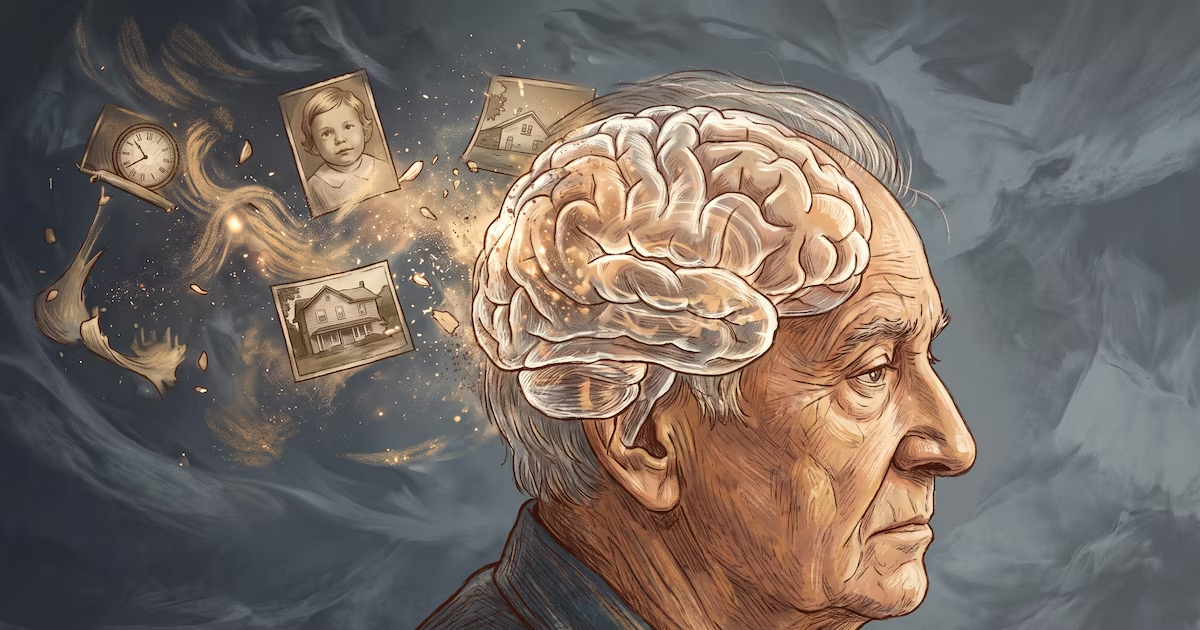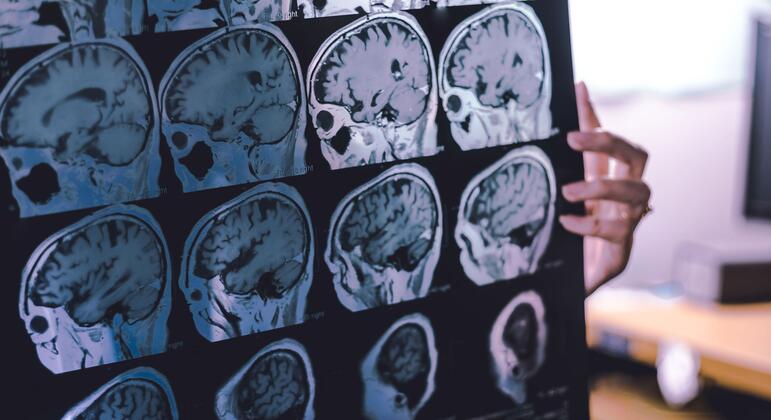
As we age, dementia will touch many of our lives. More than 55 million people worldwide are currently living with the condition, and nearly 10 million new cases are diagnosed every year.
As populations age, those numbers are expected to climb sharply, with researchers predicting that the global total could reach 139 million people by 2050.
Yet dementia is no longer the mystery it once was. Researchers are learning more about the condition every year, helped by billions of pounds and dollars in new funding – the US government alone now invests around $3.9bn annually in dementia research. As a result, scientists are uncovering new ways to protect brain health, and there is growing evidence that the risk of developing dementia may actually be falling from one generation to the next.
But while scientists have transformed our understanding of dementia, public perceptions have been slower to change. As a result, myths and half-truths continue to shape how we think about the condition. Take, for instance, these six myths.
Myth 1: ‘Symptoms start when you’re elderly’