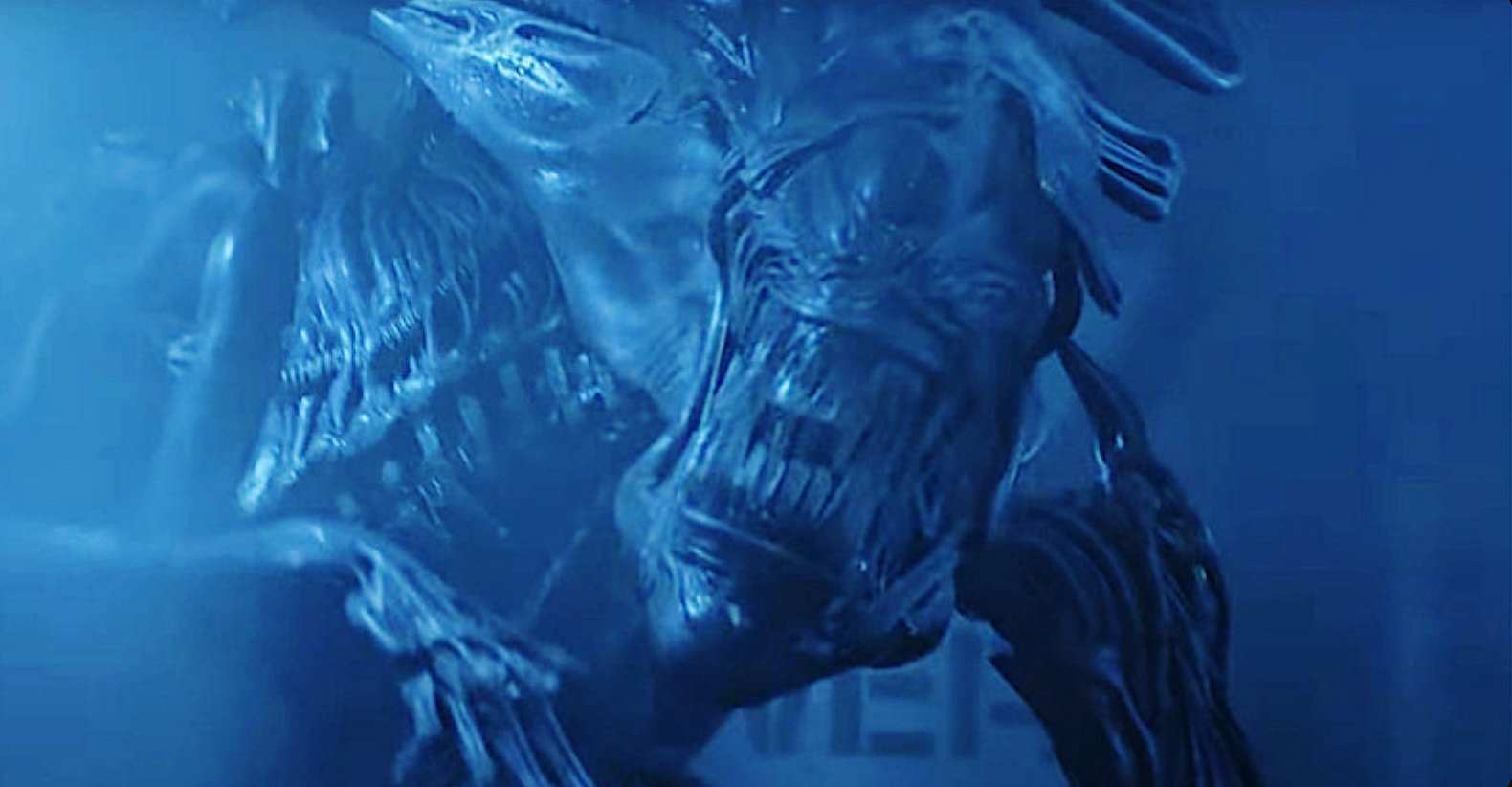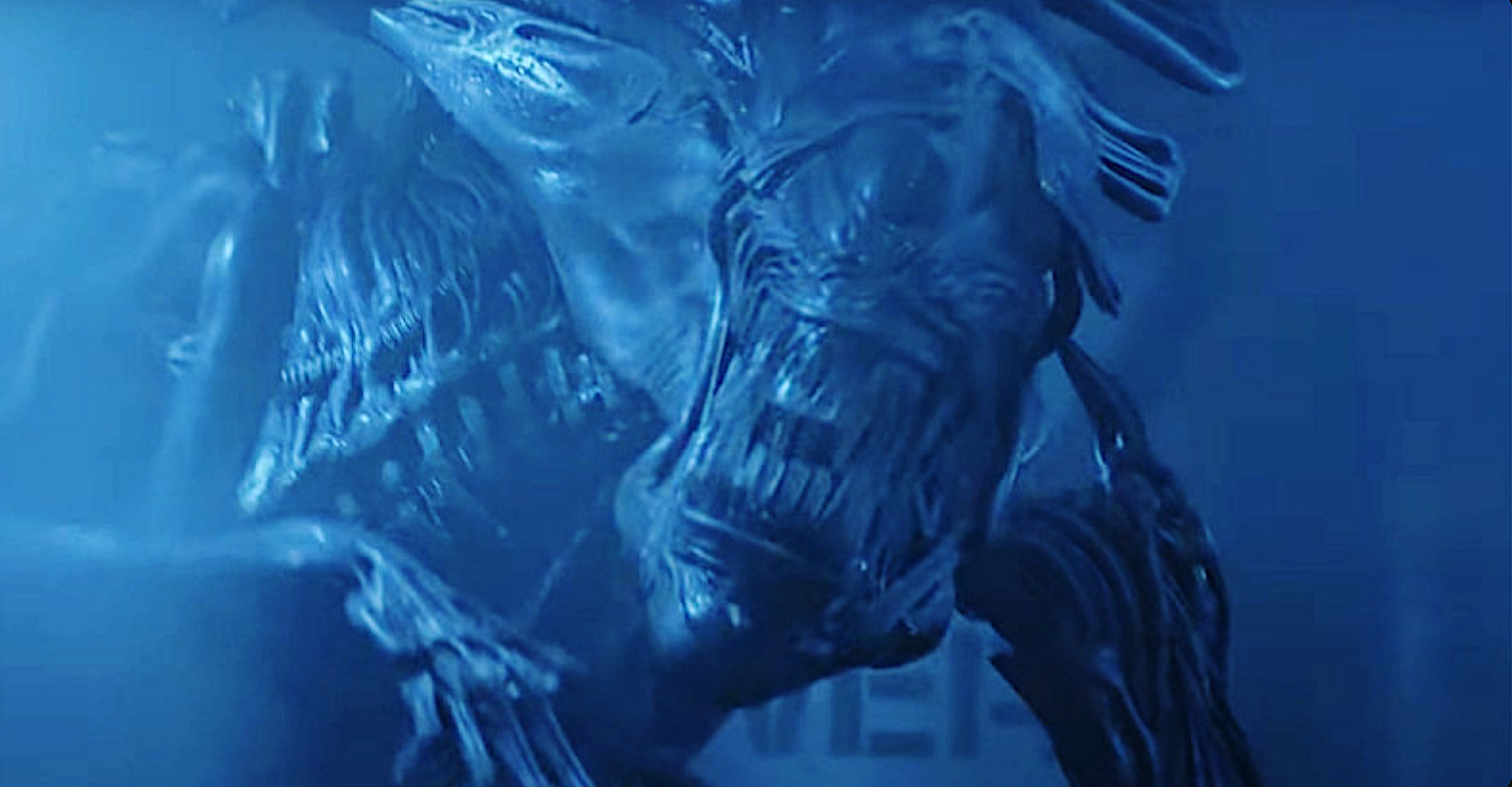
(Image credit: 20th Century Fox)
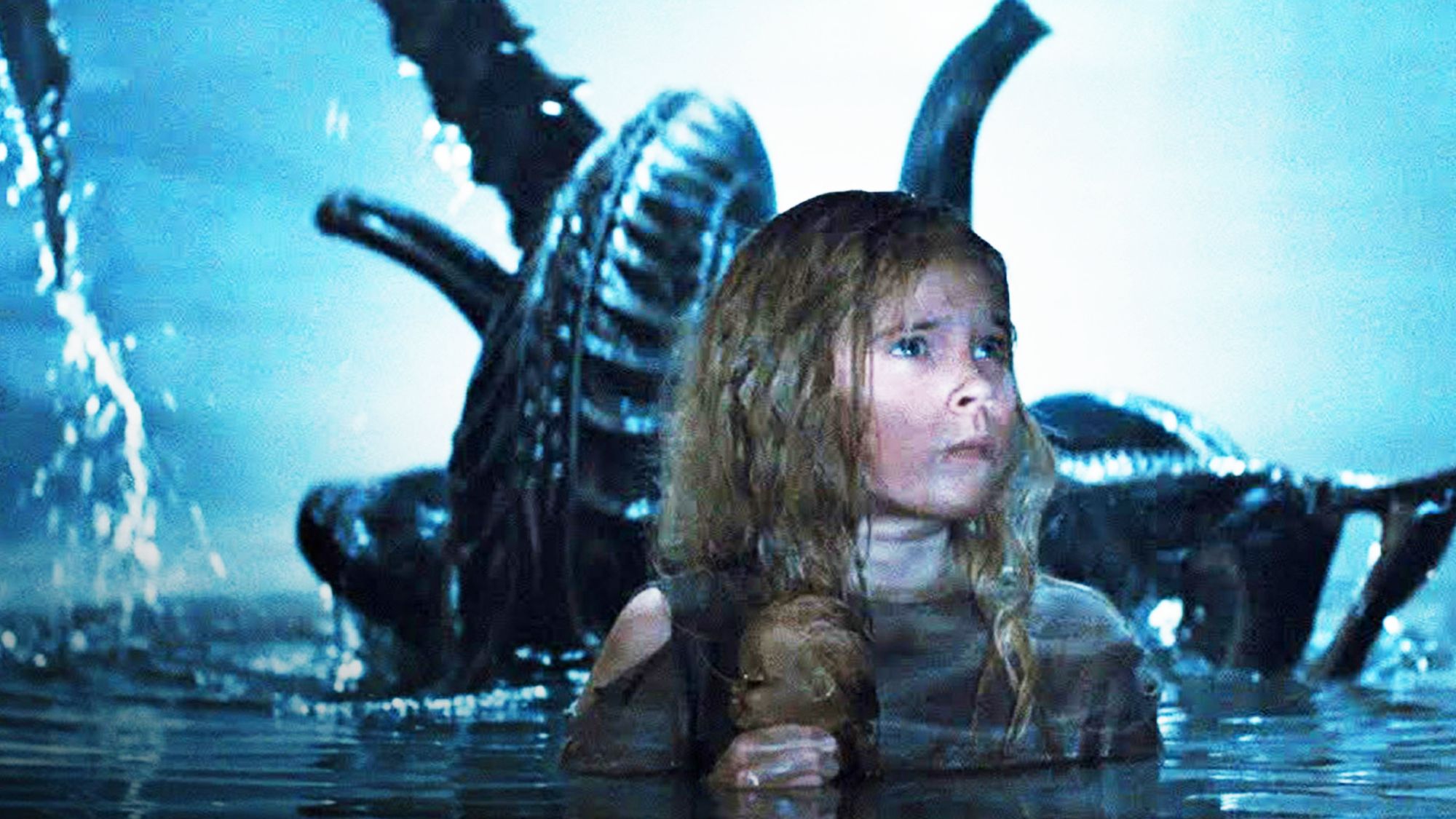
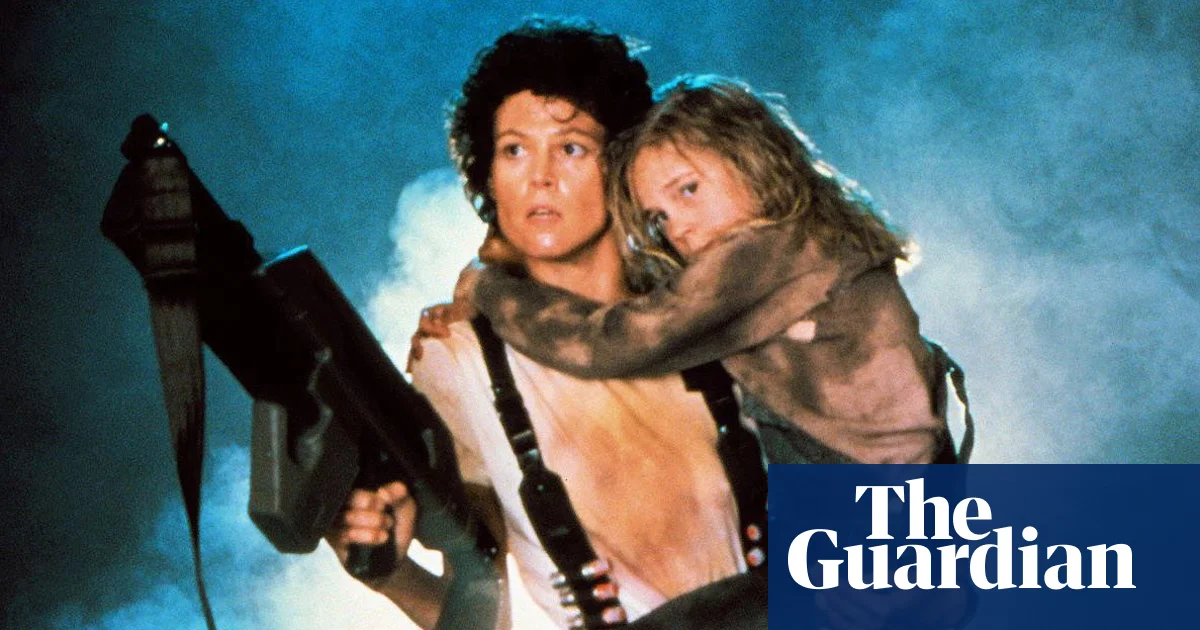
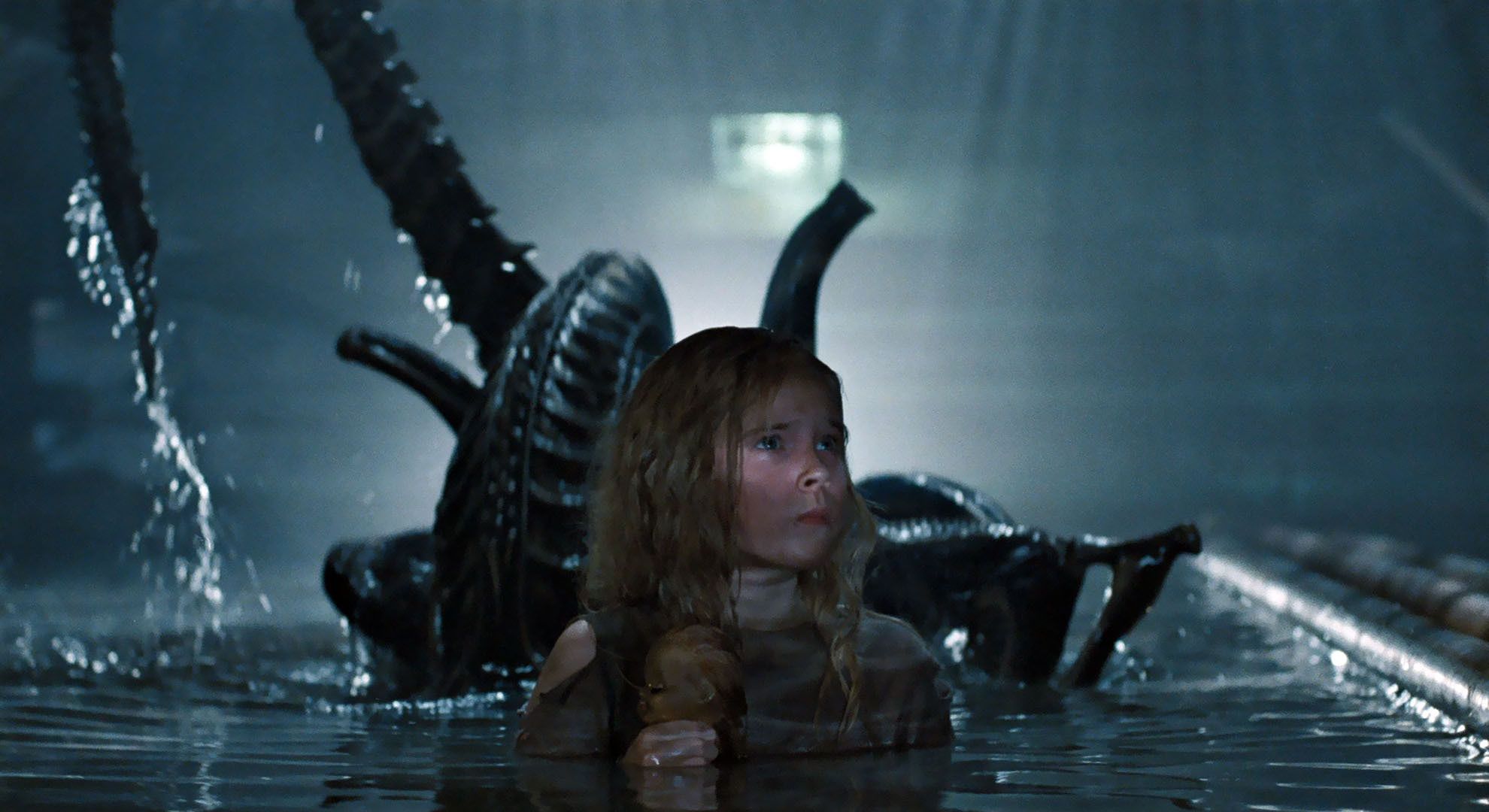
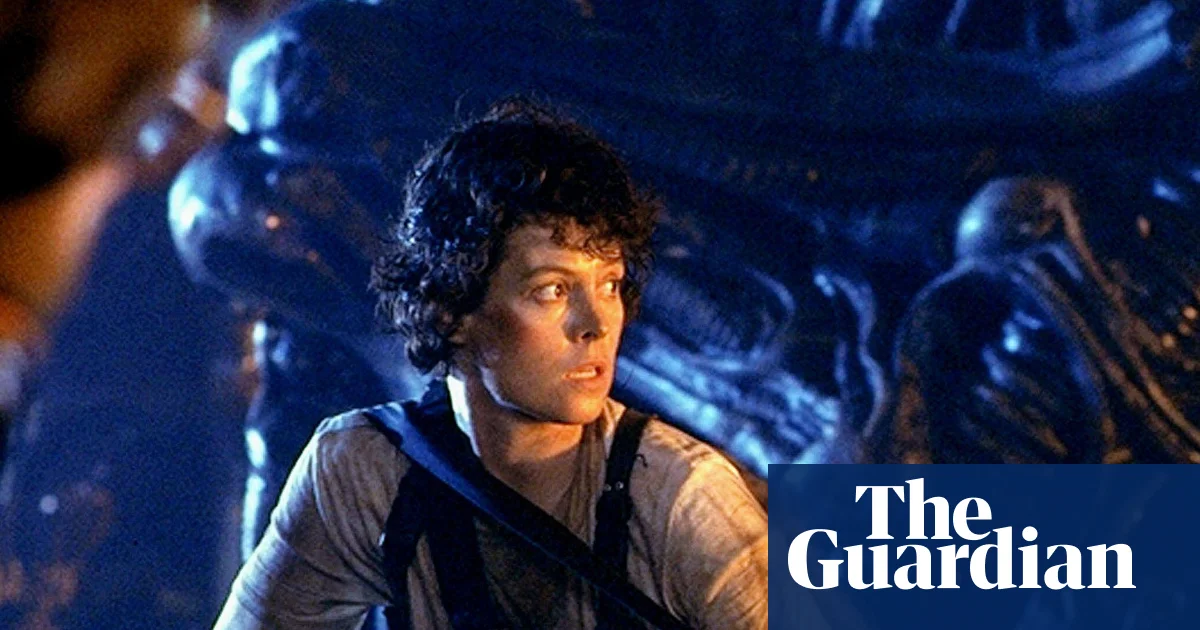
Where does James Cameron's "Aliens" rank among the other Alien movies? That depends on who you ask. Some might say it's the best, while others put it just behind the original (spoiler alert: it's the best). Regardless, there's no denying that this 1986 film shifted gears, moving the franchise from horror to horror-tinged sci-fi action and paving an alternate path for the future.As Cameron stated in an interview with Lofficier, the plan always was "to do a film that was not as scary... it's scary, but it's not as scary, but more intense, and I like to use the word, exhilarating. Because I think you get exhilarated by the intensity of the kind of action that's in this film."In terms of story progression, the sequel's shake-up makes complete sense. Sigourney Weaver's Ellen Ripley survived the Xenomorph in "Alien", but now she must conquer her fears and face the grim creature once again. This time, she has allies and firepower on her side, though most of those Colonial Marines turn out to be about as useful as French kissing a beehive.
(Image credit: 20th Century Fox)"Aliens" exploded into a monster hit, both financially and critically, suggesting that Cameron has a Midas touch when it comes to sequels. Famous movie critic Roger Ebert called it "a superb example of filmmaking craft", and it's tough to argue that point. Yet what's amazing to ponder is how "Aliens" nearly fell apart several times before it actually happened.Despite 1979's "Alien" turning a big profit on paper, Hollywood's accounting practices are more baffling than Palpatine's return in "Star Wars: The Rise of Skywalker".Somehow, "Alien" was deemed a flop, and 20th Century Fox remained conflicted about a sequel – so much so that it almost sold the rights to the "Rambo" producers of all people (imagine the crossover potential, though, as John Rambo guns down a horde of Xenomorphs while Jerry Goldsmith's iconic score blares in the background).