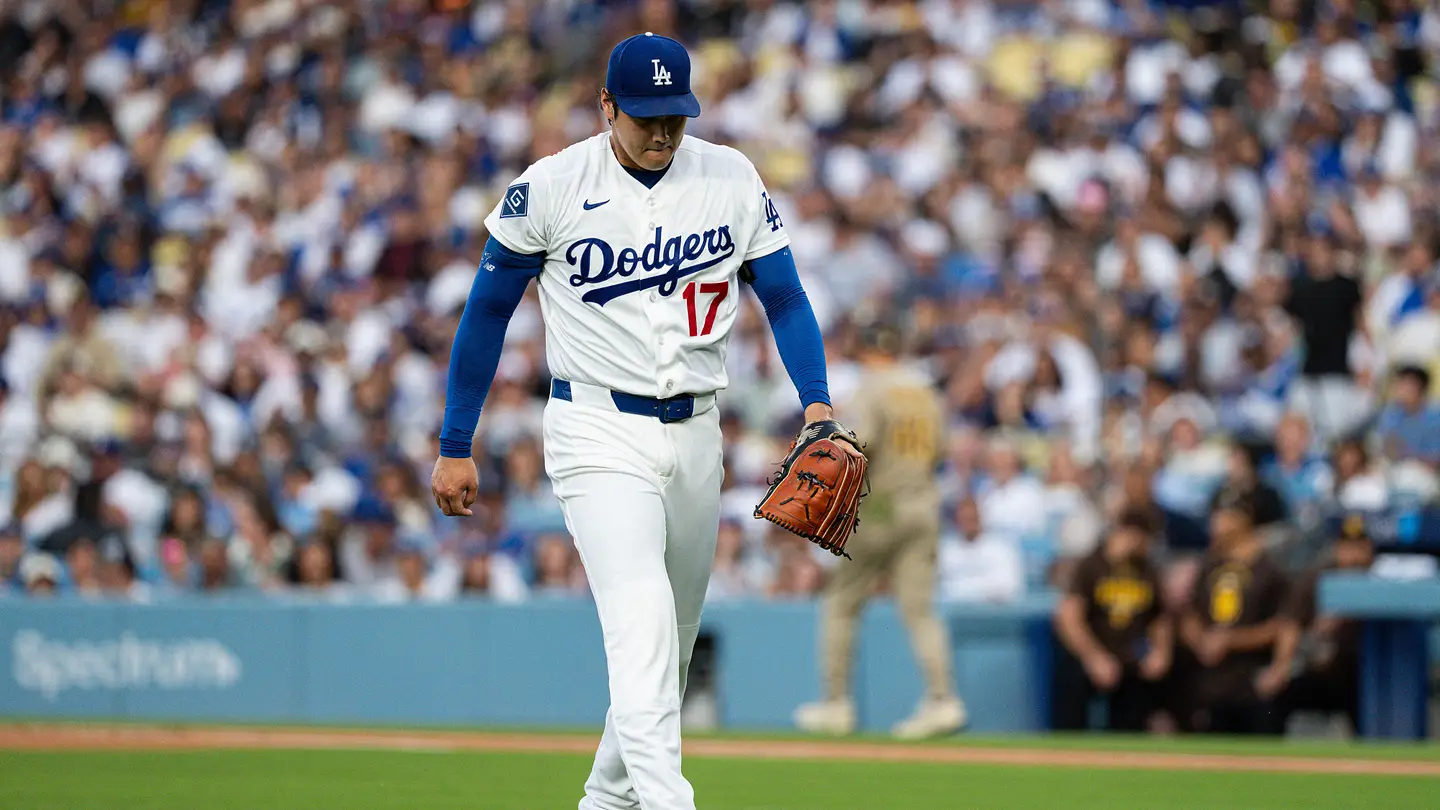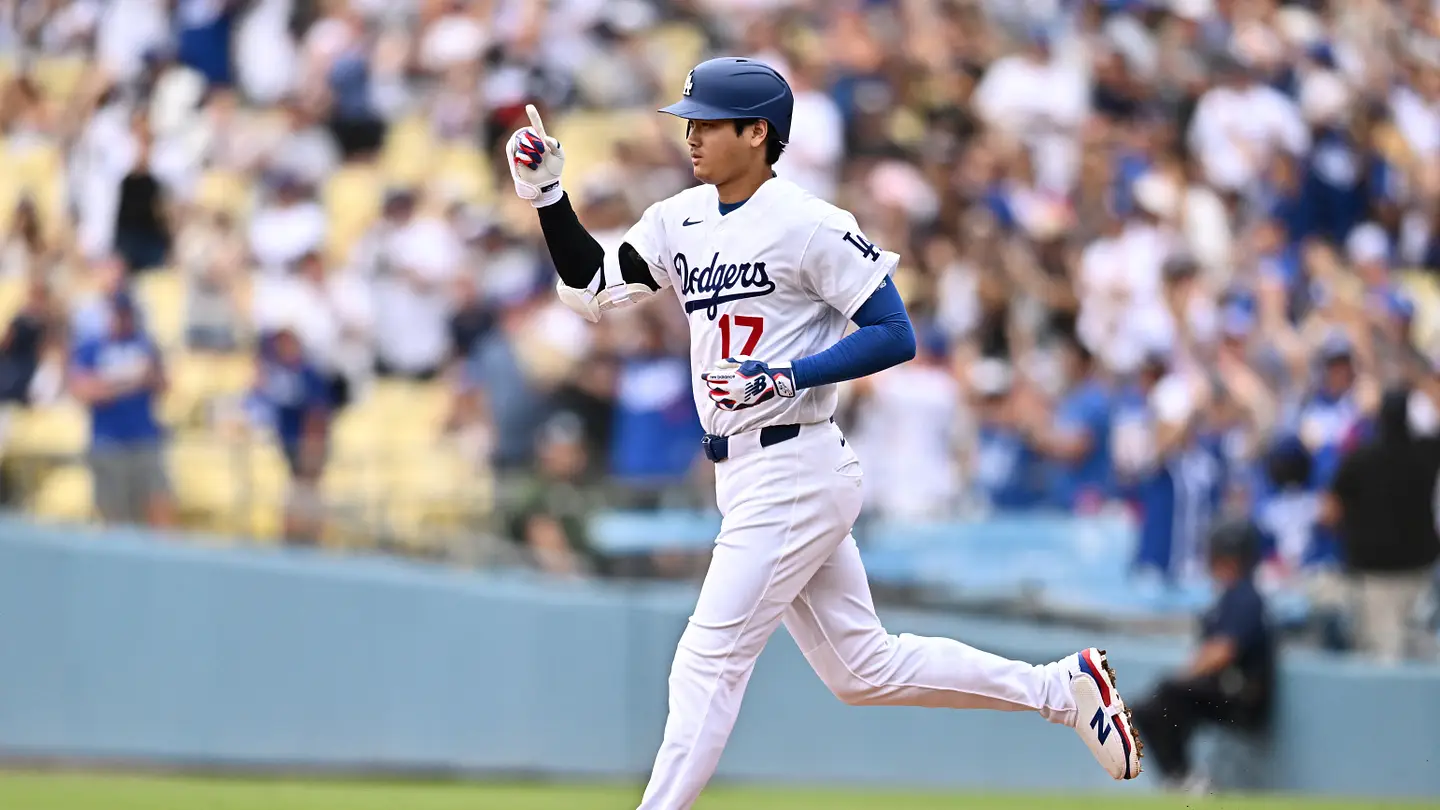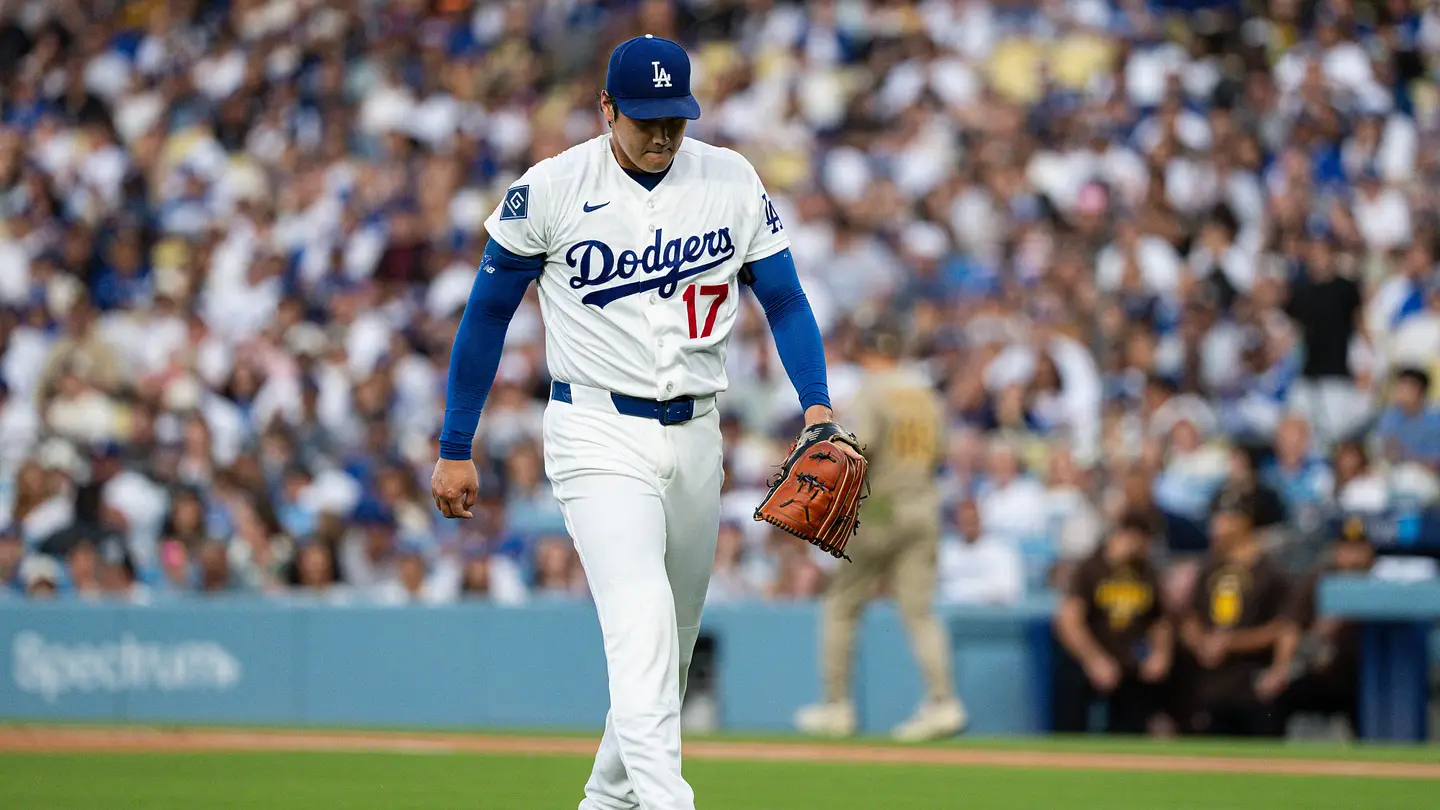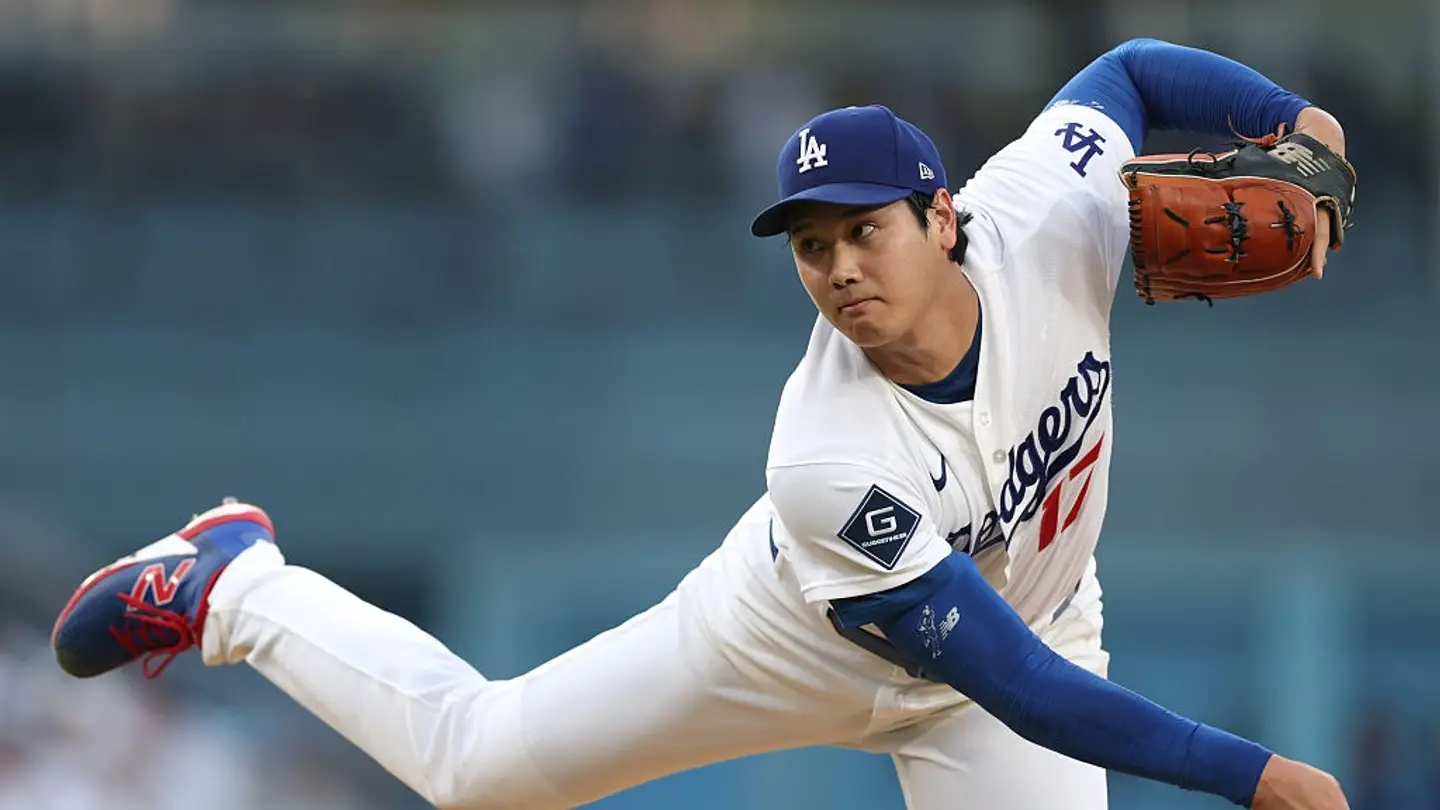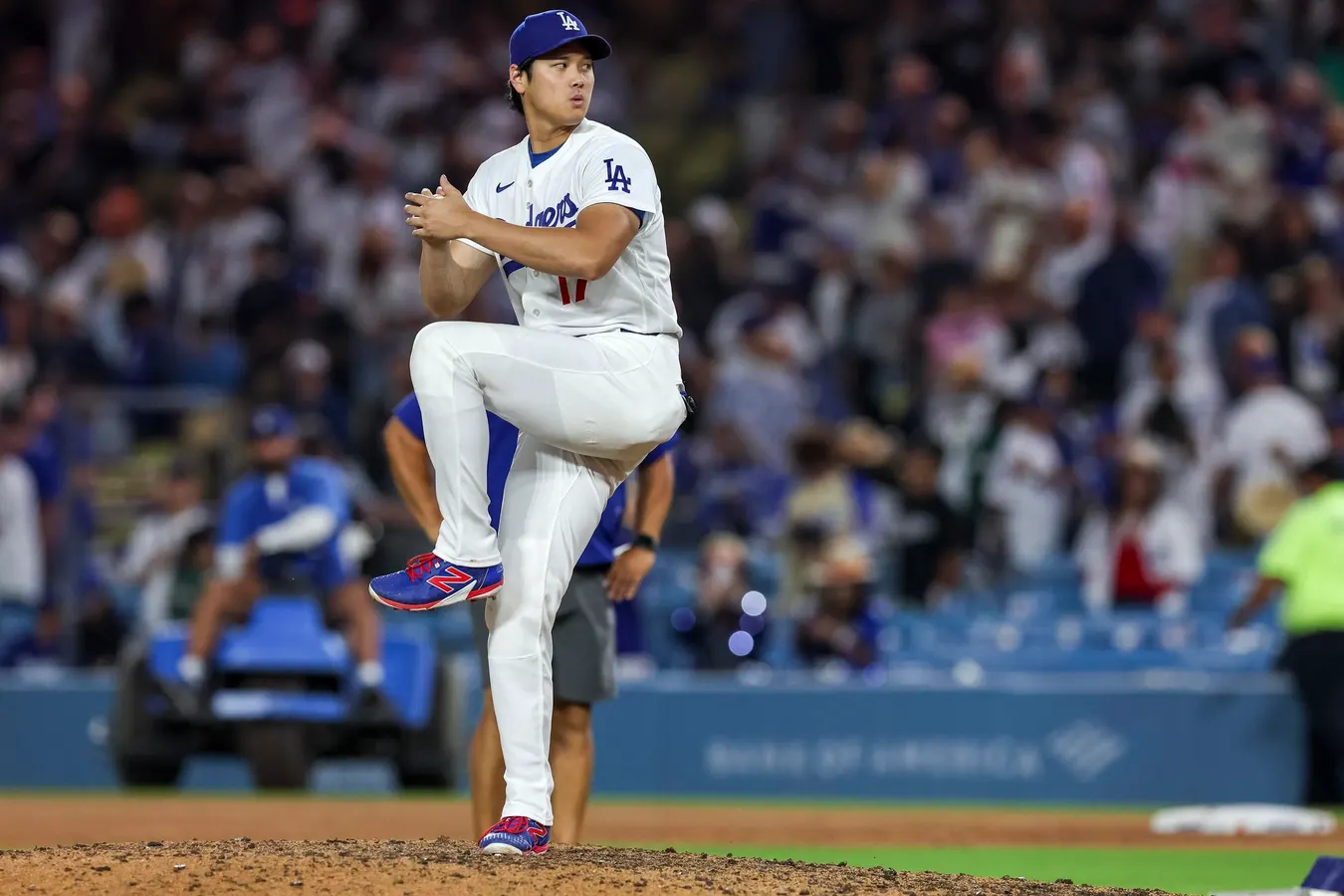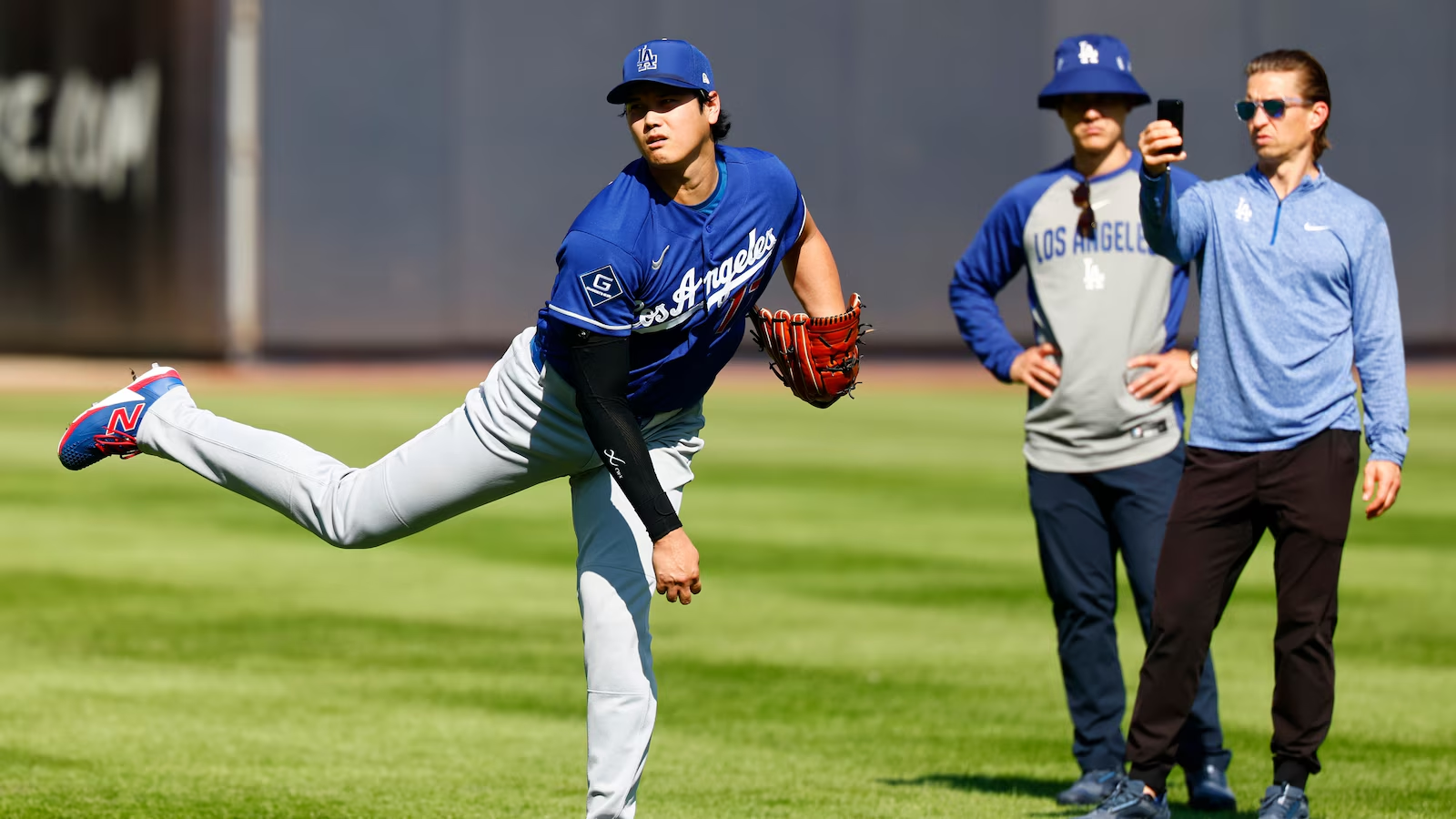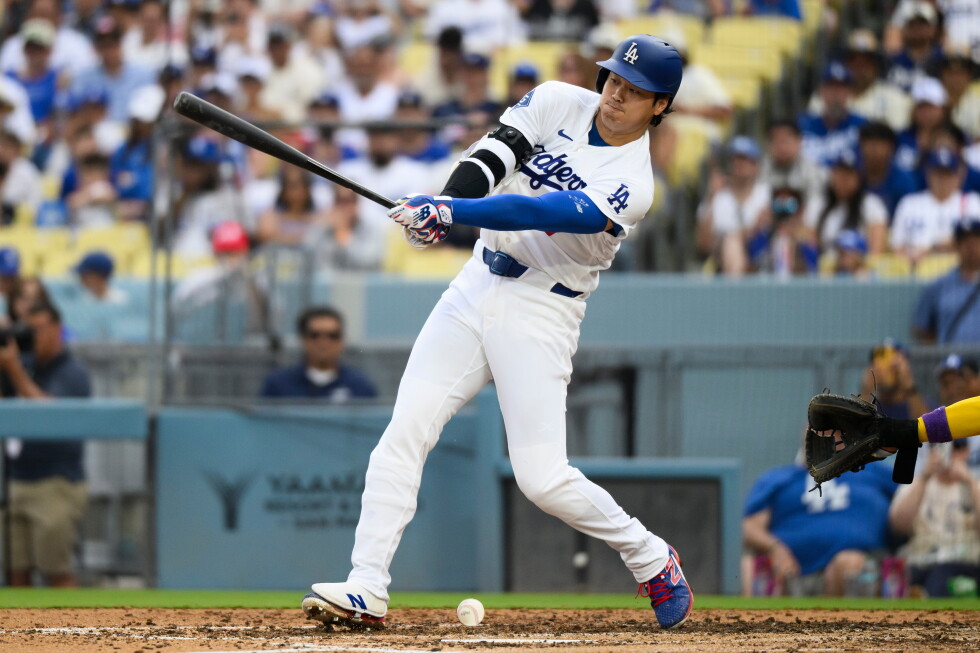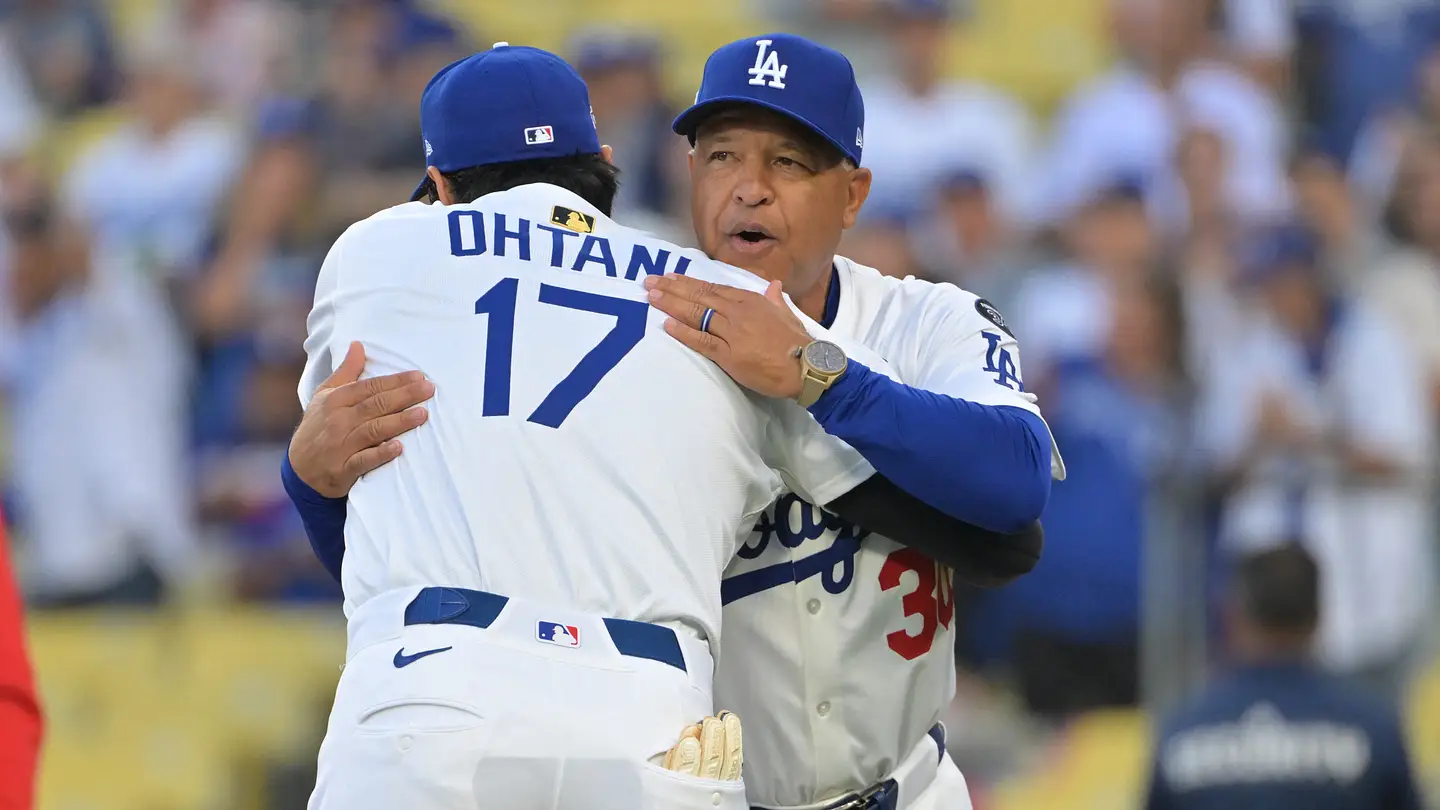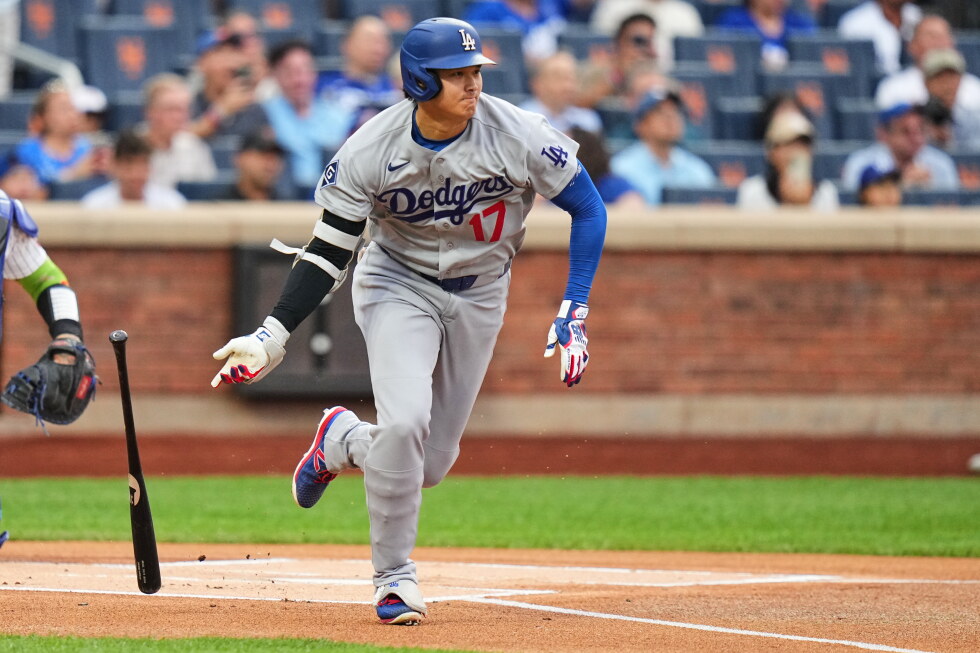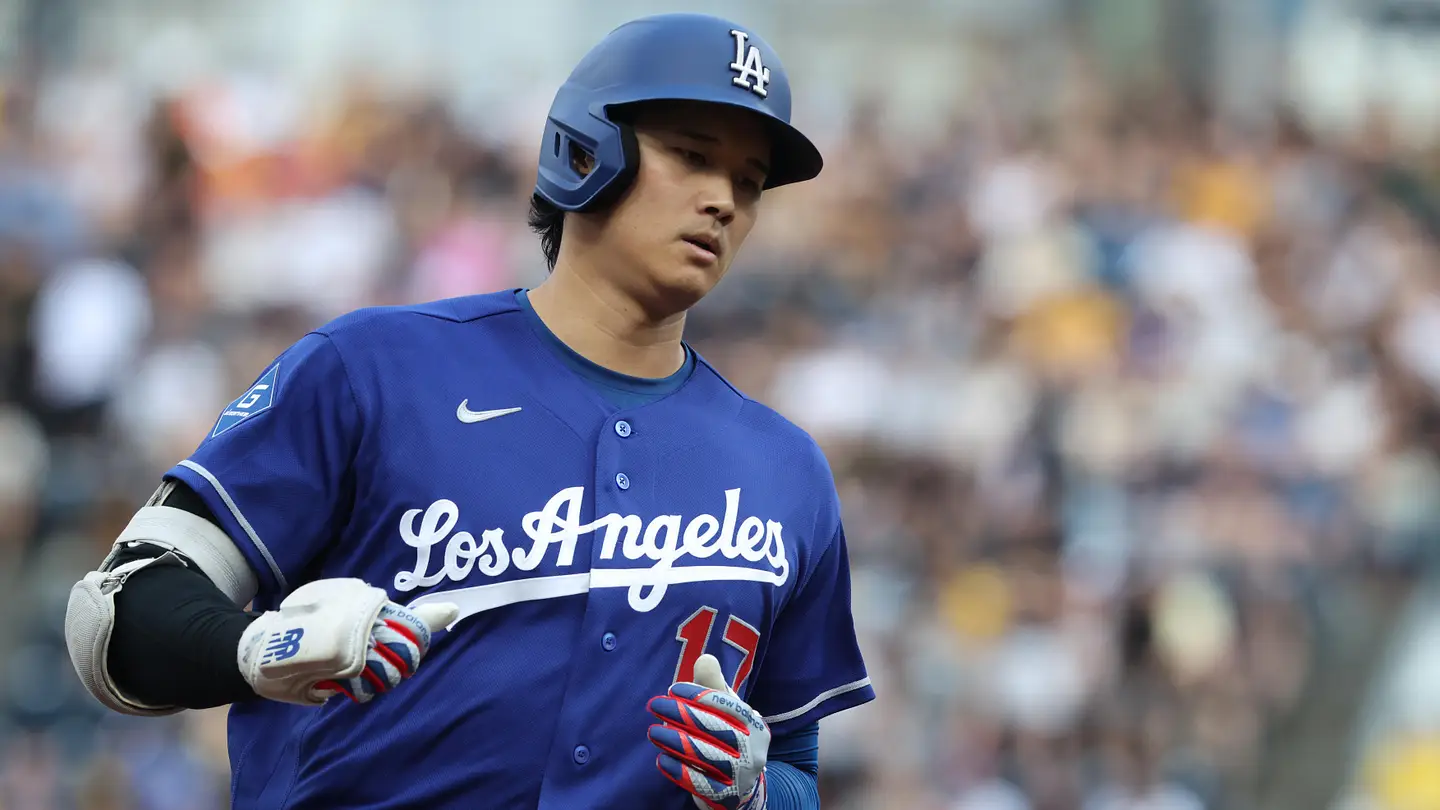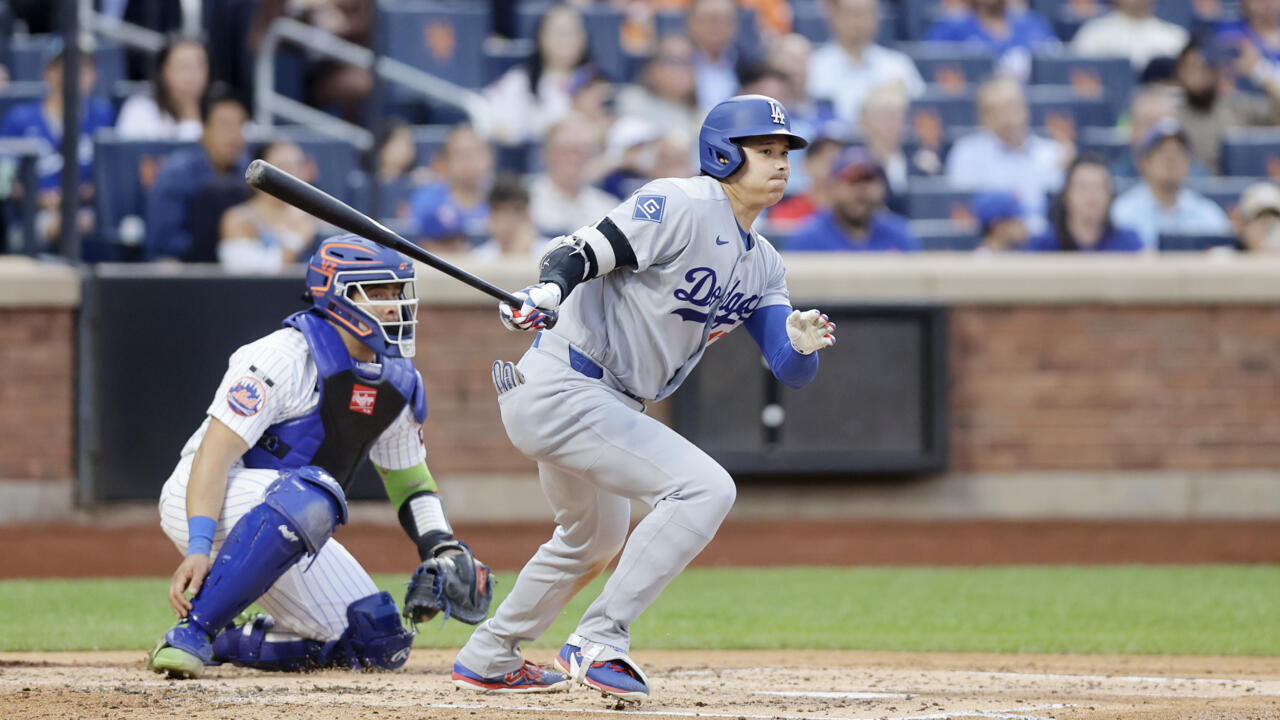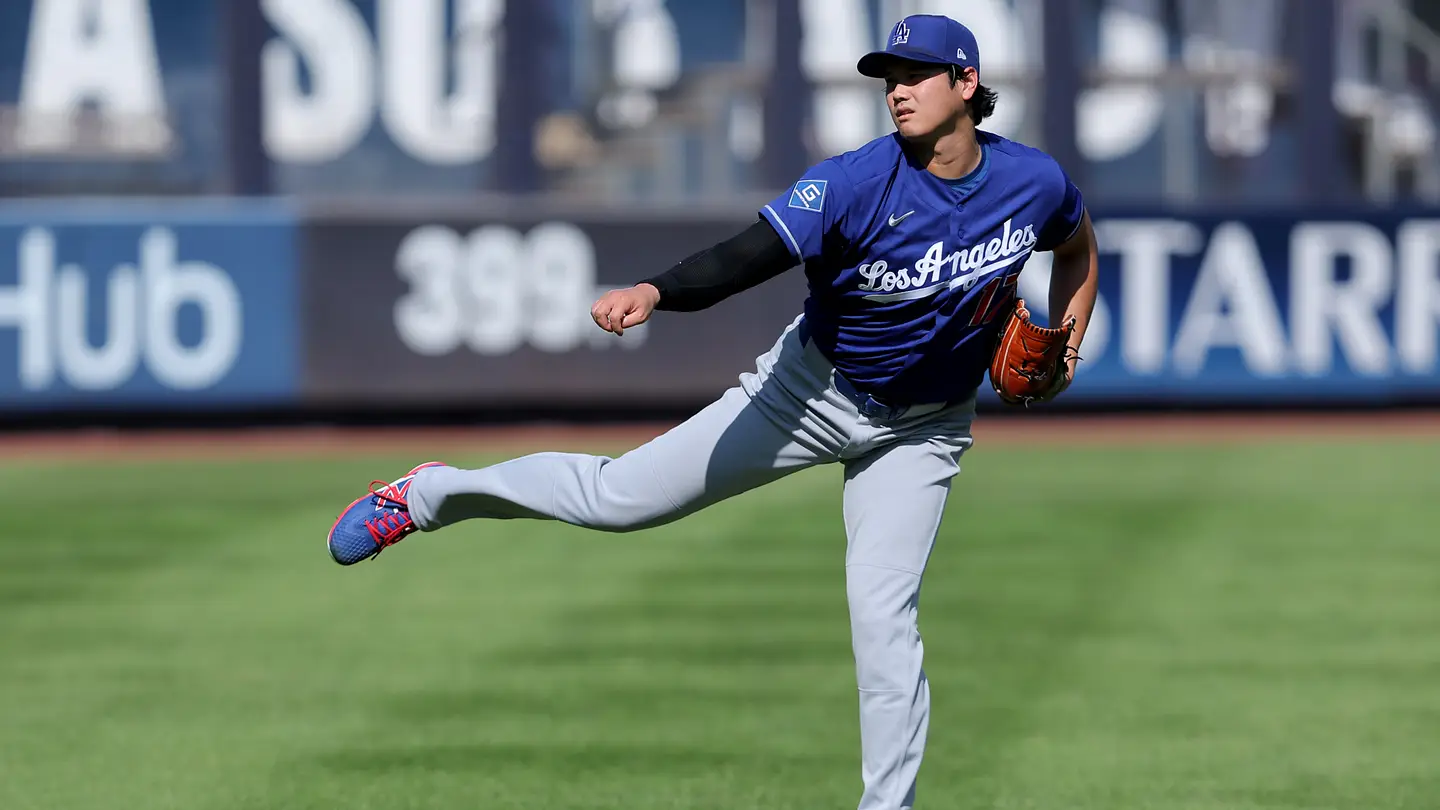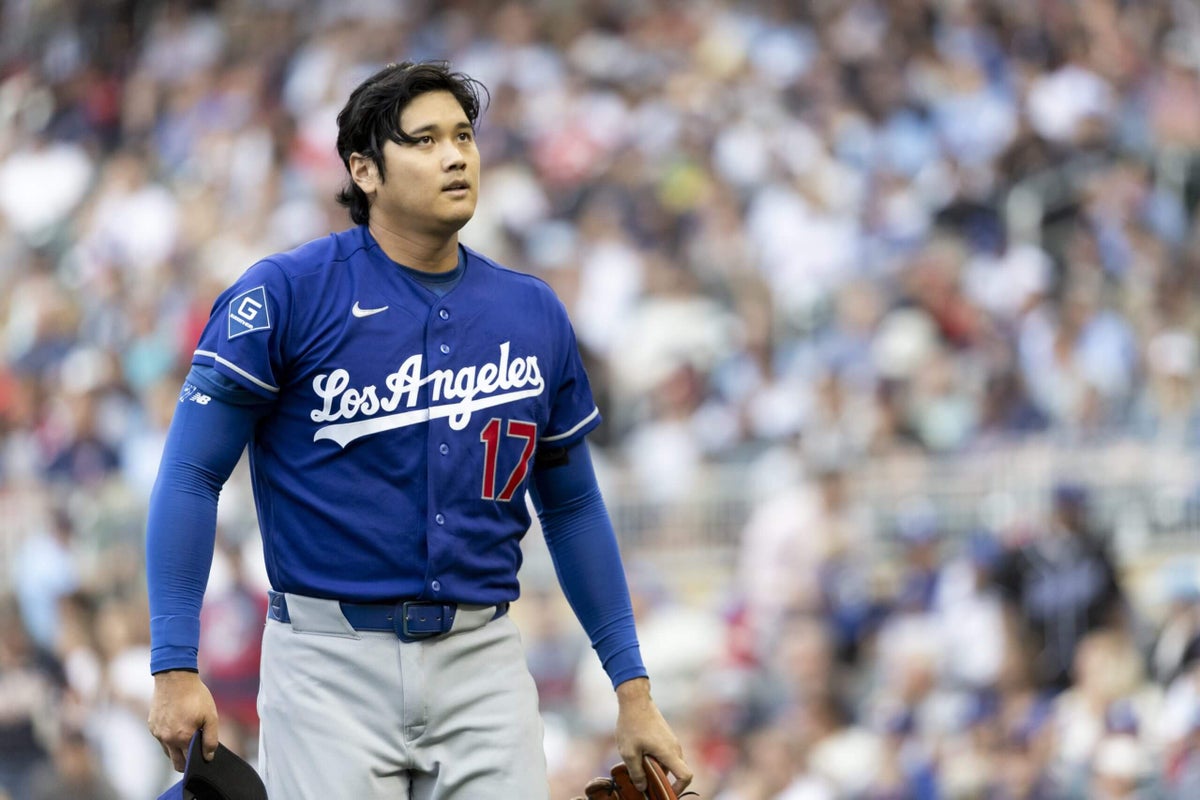
NEW YORK — As he and the Los Angeles Dodgers continue monitoring the knee inflammation that has plagued him since mid-June, Shohei Ohtani will no longer take his next scheduled pitching start, manager Dave Roberts said Sunday morning. There is no date as to when Ohtani could return to the rotation.“I would say that it’s going to be some time,” Roberts said before Game 1 of the Dodgers’ split doubleheader against the Yankees. “It’s not going to be a day-to-day thing.”“The rotation can keep going forward without Shohei, for the time being,” Roberts added. “I can’t speak to how long that’s going to be.”Ohtani, who was originally scheduled to start Wednesday in Philadelphia against the Phillies, received an Orthovisc shot over the All-Star break to lubricate his left knee in hopes of relieving some of the inflammation. He was scheduled for his standard bullpen session Monday. However, after throwing off flat ground Friday at Yankee Stadium and conferring with the training staff, the organization decided to temporarily shut Ohtani down from pitching.Ken’s Week in Baseball: What will the Mets do with Francisco Lindor?Ken Rosenthal“The first step is getting him into a spot where he feels like, and we feel like, he can pitch and not regress,” Roberts said.Ohtani will still take the bulk of the starts as the team’s designated hitter, though Roberts was still contemplating whether he’d hit Ohtani in both games of Sunday’s doubleheader. Yoshinobu Yamamoto will start Game 1 on Sunday, with a bullpen game to follow for Game 2. Emmet Sheehan, who was originally supposed to start Saturday’s rainout, will now start Monday.A rotation without Ohtani is not ideal, but the time of year, along with the Dodgers’ comfy 12-game lead in the National League West, allows them to err on the side of caution. Like they have all season, the Dodgers will still honor a six-man rotation. They’ll be able to do so thanks to a scheduled off day on July 27 and again on Aug. 6. The hope is Blake Snell — who threw 1 1/3 innings Saturday in his first rehab start since bone chip removal surgery — will be built up for a return by then. The Dodgers can also slot in bullpen games during longer stretches without off days to keep their starters on schedule.What remains most important, however, is ensuring Ohtani can pitch in October. The Dodgers are comfortable using this time to take pressure off his knee to give Ohtani the best chance of staying healthy down the stretch of the season.“A lot of it is where we’re at and how we’ve put ourselves in a good spot,” Roberts explained. “Could he probably do it? Sure. But right now, the benefits just don’t seem to outweigh the cost at this time of the season. So I think we still have plenty of time to get him to a good spot to then pitch.“I think that’s why we’re trying to be a little bit more on the proactive side … so we don’t have to worry about it throughout the end of the season.”Ohtani’s last pitching start came July 3 against the San Diego Padres, where he allowed three earned runs and struck out nine through six innings. He first disclosed knee pain on June 10 after a start against the Pittsburgh Pirates. He made three starts since, allowing nine earned runs in 18 innings. Ohtani said before the All-Star break he feels his knee more when he pitches than when he hits, and believes that could be attributed to his landing point when finishing his delivery.“I believe it’s more of a wear and tear,” Ohtani said on July 10 (through interpreter Will Ireton). “But in terms of the knee, I think it’s more of my pitching mechanics. That’s something I need to work on.”graphics id=”showcase-link_Ewhbi8kL7l4W”]That’s something he and the Dodgers will tinker with during his time away from the mound. With Snell working back and Tyler Glasnow inching closer to facing live hitters, the Dodgers’ brass is hoping to have their starting staff back at full strength around late August. But nothing is more critical than being healthy for October. The Dodgers are prepared to be without Ohtani on the mound indefinitely to assure the best chance of that happening.“The player is always gonna want to be out there and participate,” Roberts said. “But I think it’s more driven by the organization saying, ‘Hey, if you’re not 100 percent right, you don’t have to do this.’”
Shohei Ohtani to miss next pitching start, no timetable for return to rotation
"I would say that it's going to be some time," Dave Roberts said. "It's not going to be a day-to-day thing."
763 words~3 min read