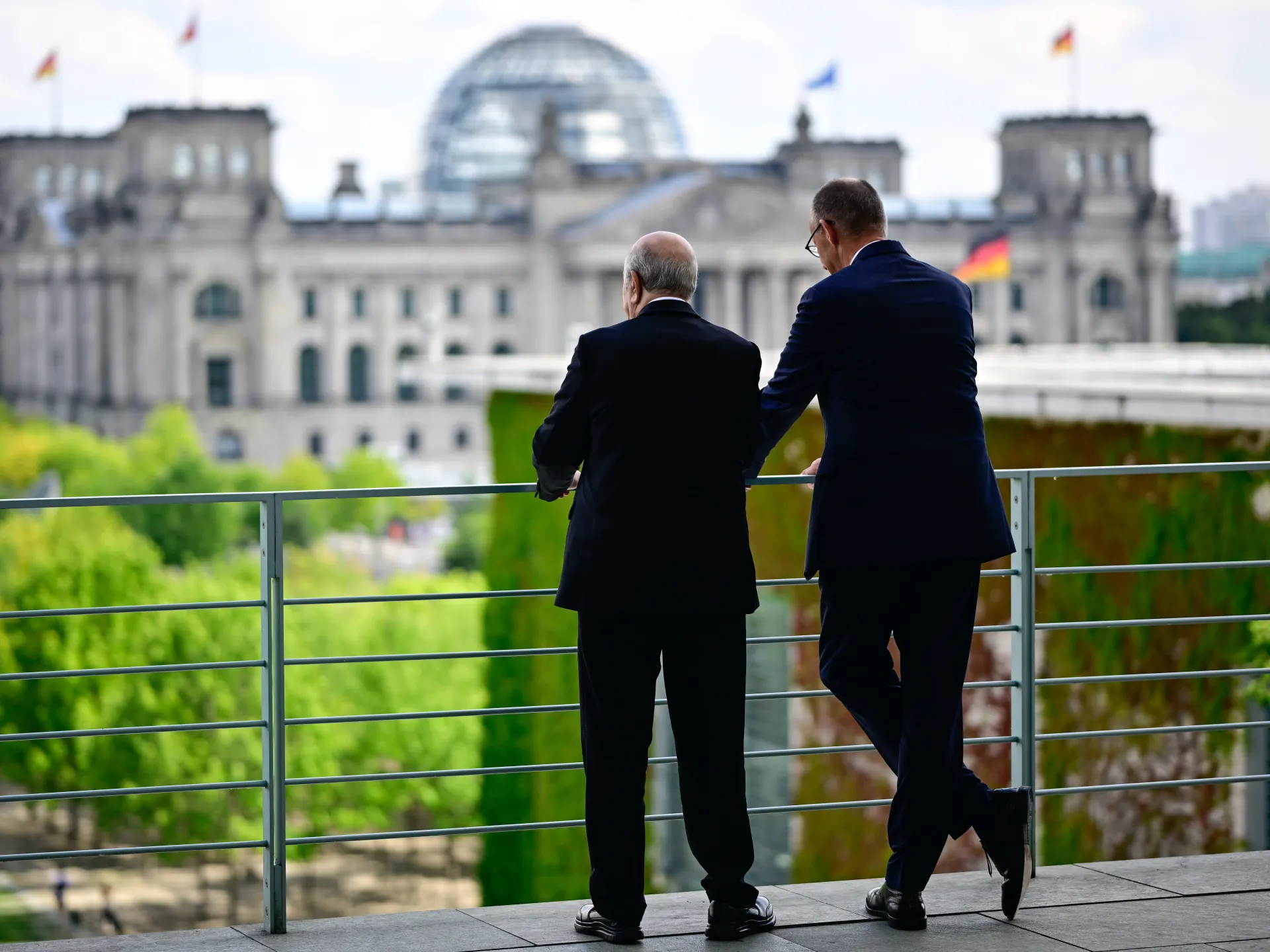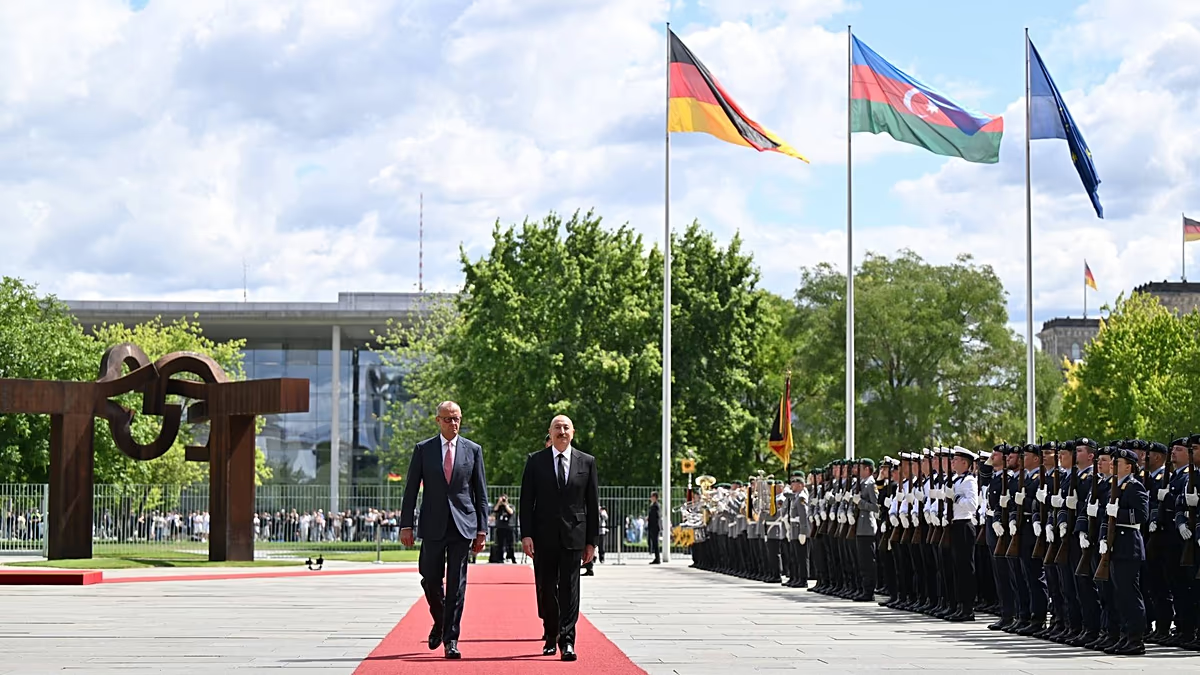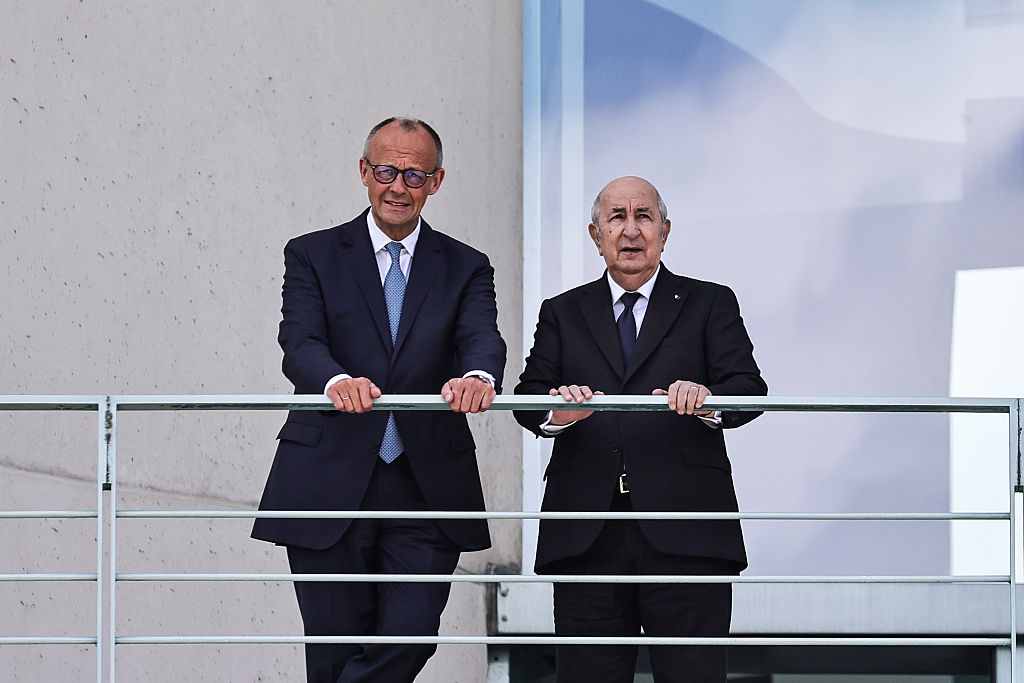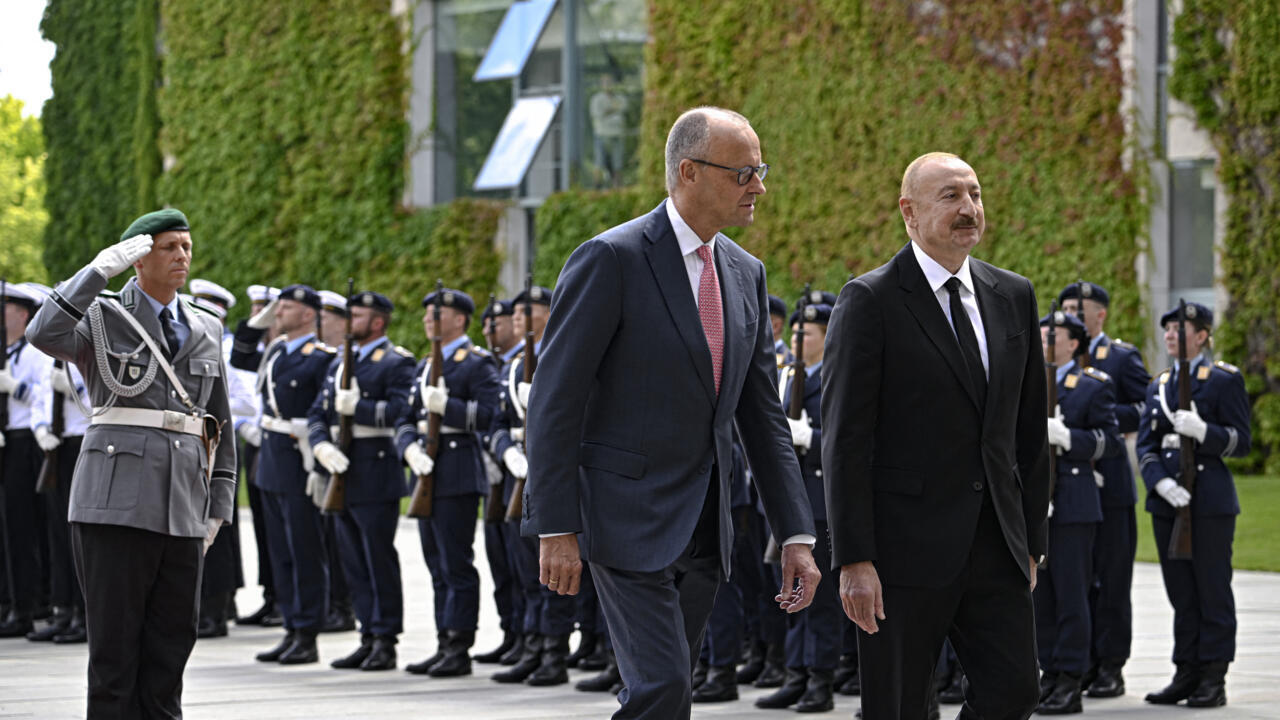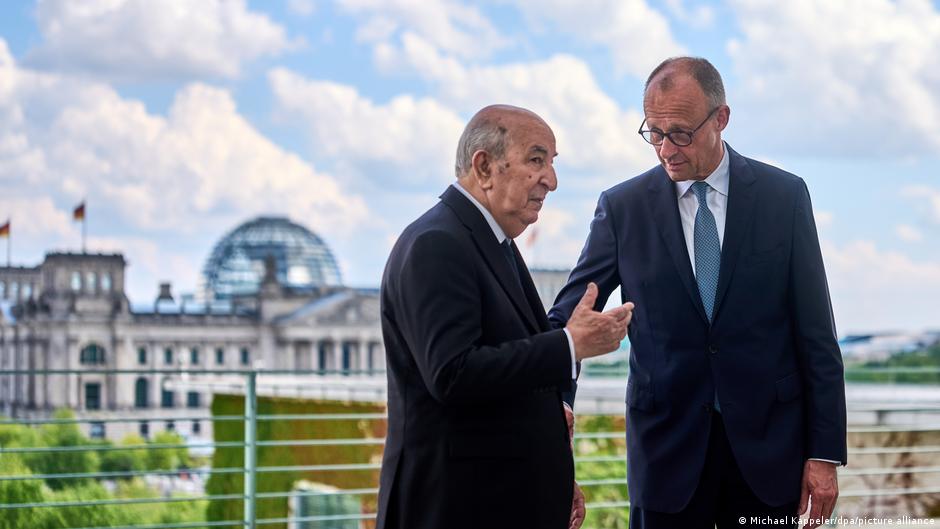
For Algerian President Abdelmadjid Tebboune, this week's visit to Berlin marked his first official trip to Germany since he was elected president in 2019. The two-day visit was highlighted in a joint statement with German Chancellor Friedrich Merz, in which the two leaders emphasized "the quality of cooperation" between their countries and pledged to deepen long-term energy cooperation.
"Algeria is a central partner for Europe's energy security. Natural gas supplies and cooperation on renewable energies are to be expanded. In the long term, it is about establishing a southern hydrogen corridor — from North Africa to Germany," Cerstin Gammelin, the spokesperson for German President Frank-Walter Steinmeier posted on X on Thursday.
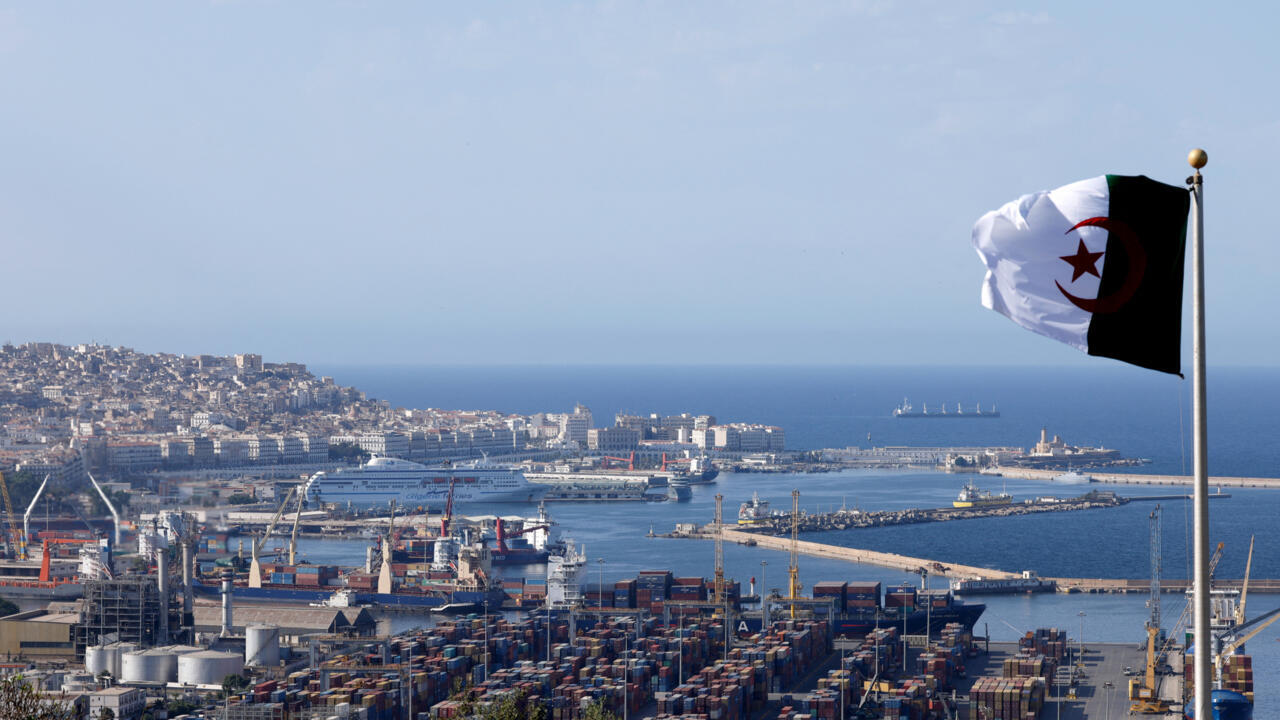
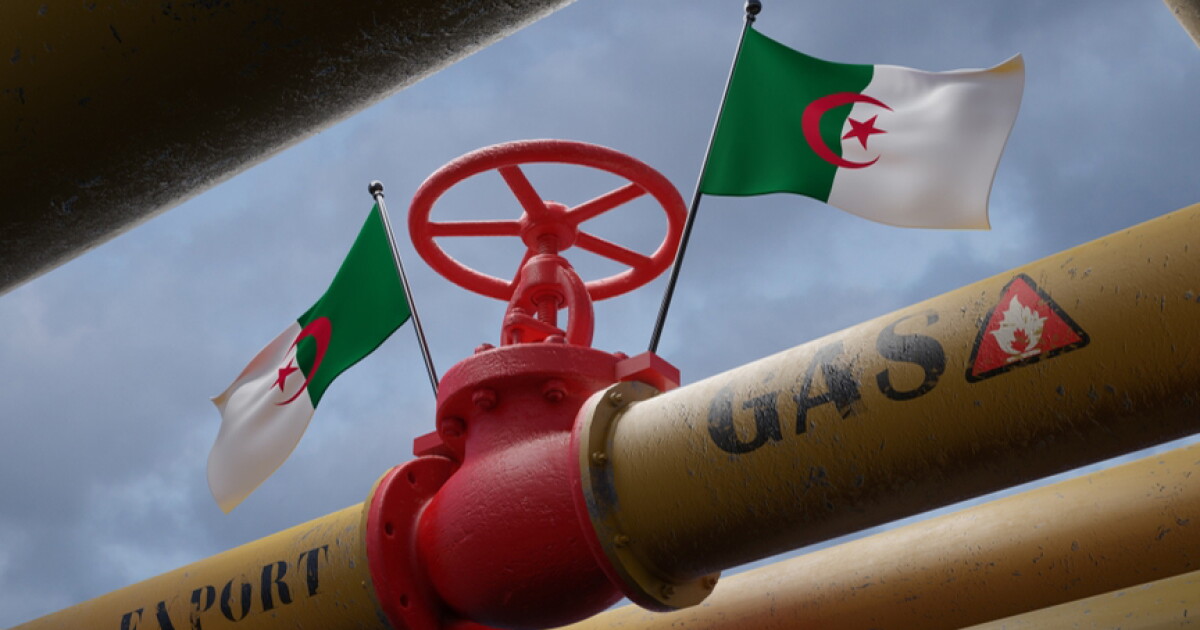
Algeria is home to Africa's second-largest proven natural gas reserves after Nigeria. It is also Africa's largest natural gas producer. On July 2, Algeria's state-owned energy company Sonatrach delivered the first shipment of liquefied natural gas (LNG) directly to Germany's Wilhelmshaven 1 floating LNG import terminal. A direct pipeline to Germany would eliminate the need for liquefaction, LNG shipping and regasification for those volumes. This could reduce transport costs for gas deliveries, as is already the case with Algeria's two existing pipelines to Italy and Spain.Algeria's domestic demand for gas is increasing while the capacity of the two existing pipelines to southern Europe is limitedImage: Billal Bensalem/NurPhoto/picture alliance