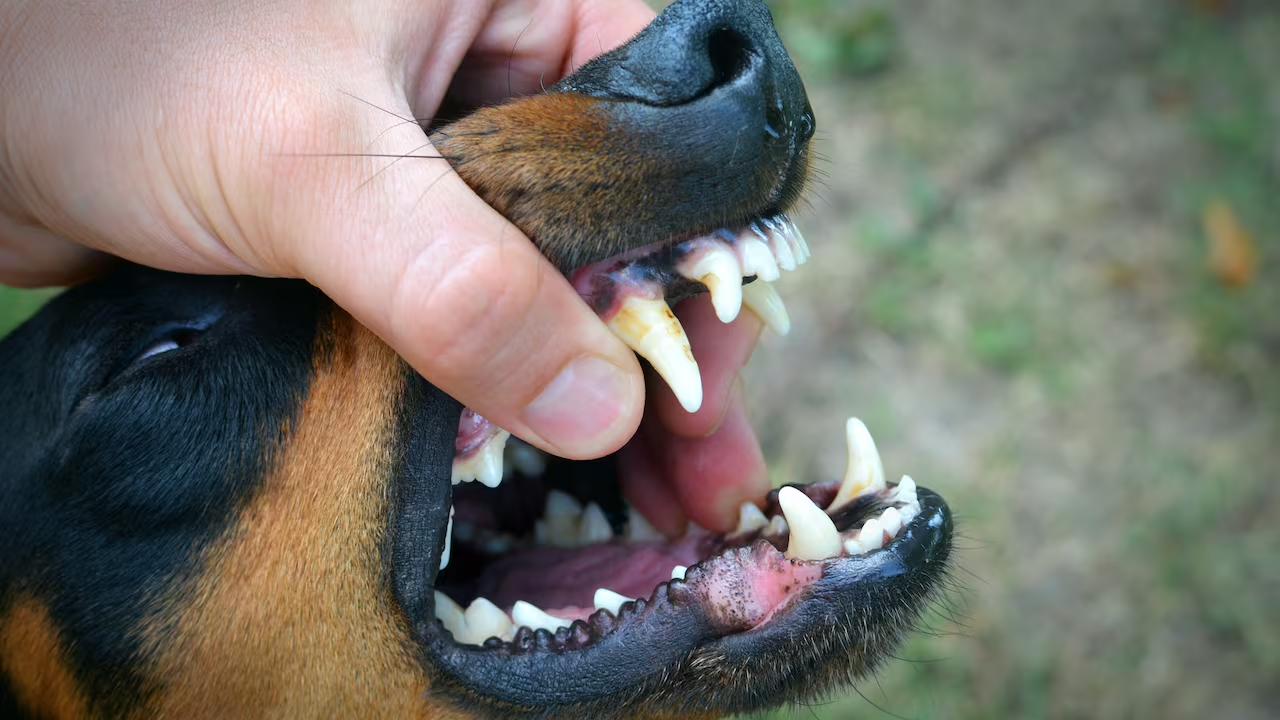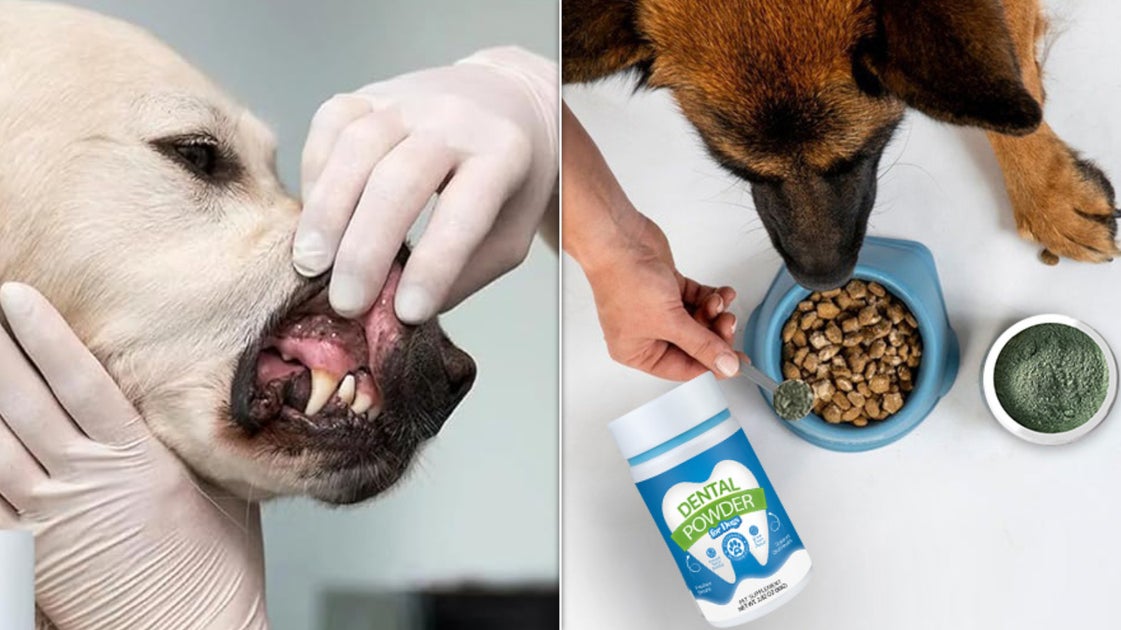
A vet has issued a warning to all dog owners who may be neglecting their pet's oral hygiene, as bad breath could actually be a sign of something much more serious15:35, 19 Jul 2026A vet has warned millions of pet owners that bad breath in dogs could signal something far more serious and shouldn't be ignored.Countless households across the globe welcome pet dogs into their homes, with the popular animal soon becoming a treasured part of the family. Naturally, as with any pet, owning a dog is a significant commitment and usually brings about some lifestyle adjustments. Most people are well-versed in meeting their dog's requirements - providing plenty of love and attention while ensuring they're properly fed, regularly walked and kept mentally engaged through play, training and other activities. However, while most owners have mastered their dog's daily care routine, many neglect a crucial aspect: oral hygiene.Leading charity The Dog's Trust advises: "Daily teeth brushing will help prevent the build-up of plaque and tartar on your dog's pearly whites. These build-ups can lead to gingivitis and dental disease, so it's worth doing."Dogs are well-known for having unpleasant breath, yet many owners are inadvertently putting their pet's health at risk by failing to maintain proper dental care.Medivet & Partners - a prominent veterinary care provider - surveyed pet owners to assess the scale of the issue and found 34% admit they never clean their pets' teeth.However, neglecting dental care can result in painful and potentially serious health problems.In fact, bad breath, or halitosis, may serve as "an early red flag for problems, ranging from severe gum disease and infection to diabetes and other serious illnesses".The consequences of improper oral care in dogsMedivet & Partners highlighted 10 warning signs that your pet could be experiencing something more serious than simply bad breath:Red, swollen or bleeding gumsYellow-brown tartar buildup on teethReceding gum line exposing tooth rootsLoose or missing teethPus around teeth and gumsReluctance to eat hard food or treatsDropping food while eatingChewing on one side of the mouthPawing at the face or mouthUnusual drooling or blood-tinged salivaDr Reena Patel, co-owner and partner at Medivet Pinner, provided advice on how to brush a pet's teeth safely and effectively to prevent the severe health risks linked to poor dental care.The vet explained: "Before you jump straight into brushing, it's wise to get your pet used to having their mouth handled first."Gently lift their lips and touch their teeth and gums for a few seconds at a time, moving across the mouth. Reward them with praise or a treat afterwards so they create a positive association."She also suggested using a "pet-friendly toothpaste" in flavours such as chicken, fish or beef "which are more appealing to animals".Dr Patel cautioned: "It's crucial not to use human toothpaste, as it is toxic to animals."For those hesitant about using a toothbrush on their dog, the vet recommended starting with your finger or a soft cloth with a small amount of toothpaste.Content cannot be displayed without consentShe added: "This gets them used to the sensation of having their teeth cleaned without the pressure of a brush.Article continues below"Once they're comfortable with the paste and your finger, you can start to introduce a pet-friendly toothbrush. These are softer than human brushes."Dr Patel advised owners to slowly "increase the brushing time concentrating on all of the teeth" while paying particular attention to "the outside of the teeth where they're prone to plaque build-up".She went on to say: "Make it a regular part of your daily routine just like you would brushing your own teeth. The more consistent you are, the better it is for their oral health."
'I'm a vet – your dog's bad breath could signal serious health problems'
A vet has issued a warning to all dog owners who may be neglecting their pet's oral hygiene, as bad breath could actually be a sign of something much more serious
605 words~3 min read