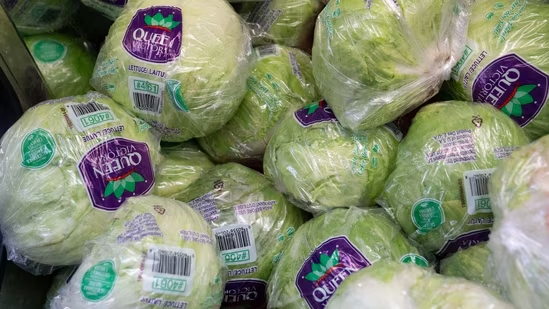
People across the United States are taking a closer look at their lettuce and leafy greens this summer because of an outbreak of cyclosporiasis, a gastrointestinal illness whose most notable symptom is severe, watery diarrhea.
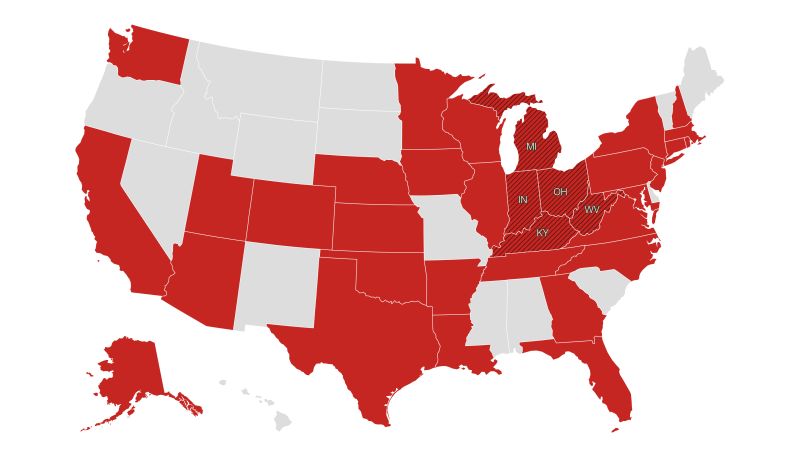
According to the Centers for Disease Control and Prevention, there are 1,645 confirmed cases across 34 states, with more than 5,100 additional cases requiring further analysis. The illness has also affected New York state, with reports in New York City.
The illness can affect anyone, but who is most at risk? We spoke with Azadeh Nasuhidehnavi, an infectious disease expert and assistant professor of pharmaceutical sciences at Binghamton University, State University of New York, about what causes the illness, who is likely to be hit the hardest and how to stay safe.
What causes cyclosporiasis?
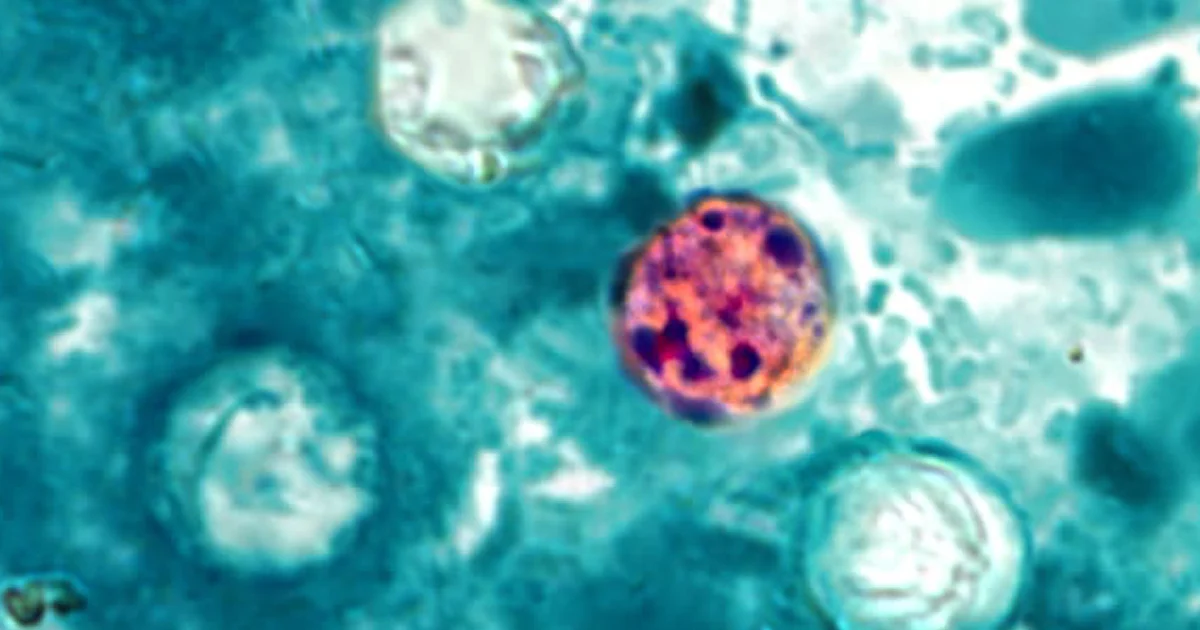
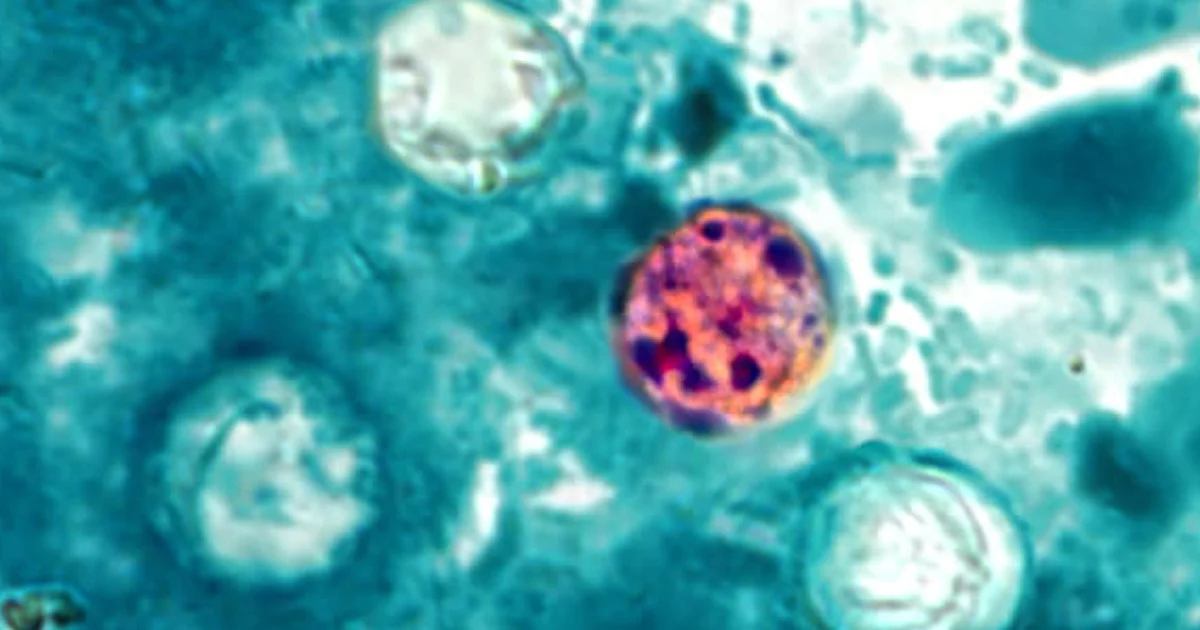
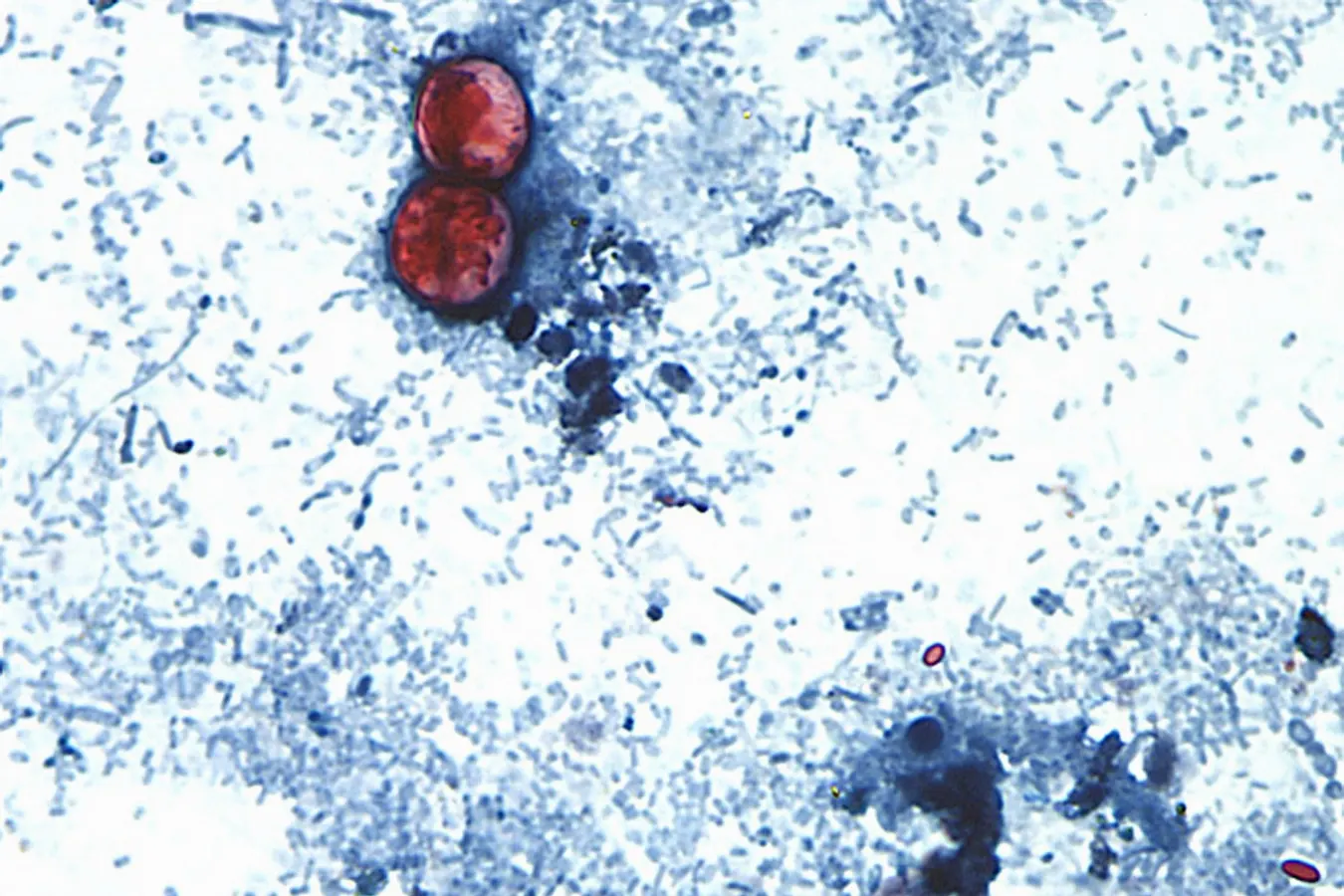
Nasuhidehnavi: Cyclosporiasis is caused by a microscopic, single-cell parasite called Cyclospora cayetanensis. It spreads through food (it has been linked to fresh produce) or water contaminated with the parasite's oocysts, the resistant microscopic form of the parasite that survives outside the body and causes infection when ingested.