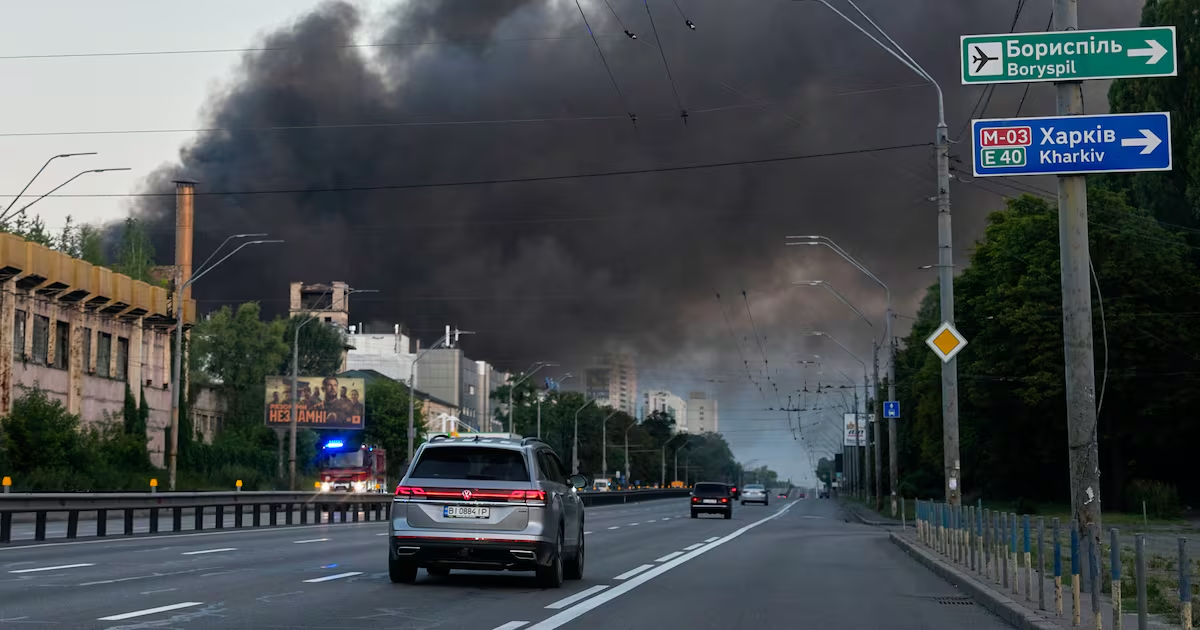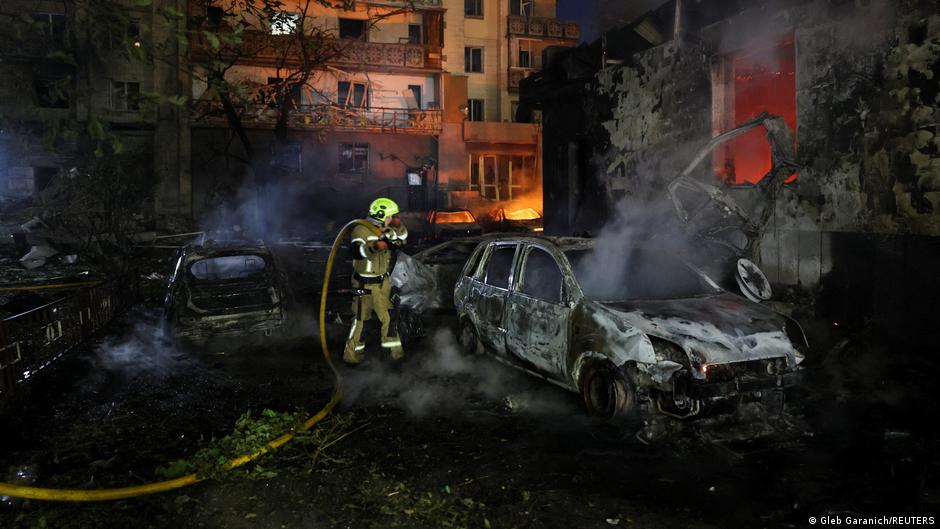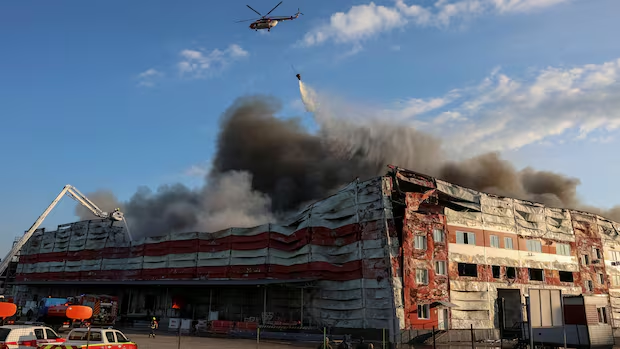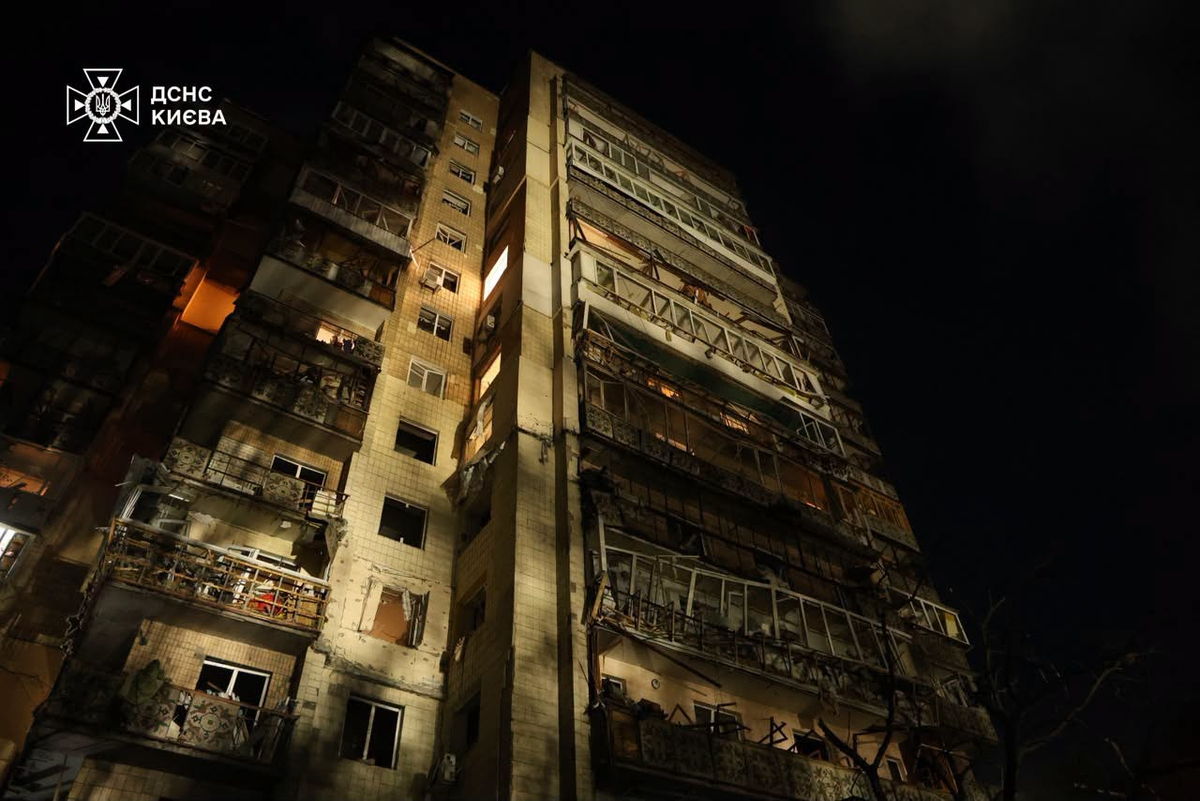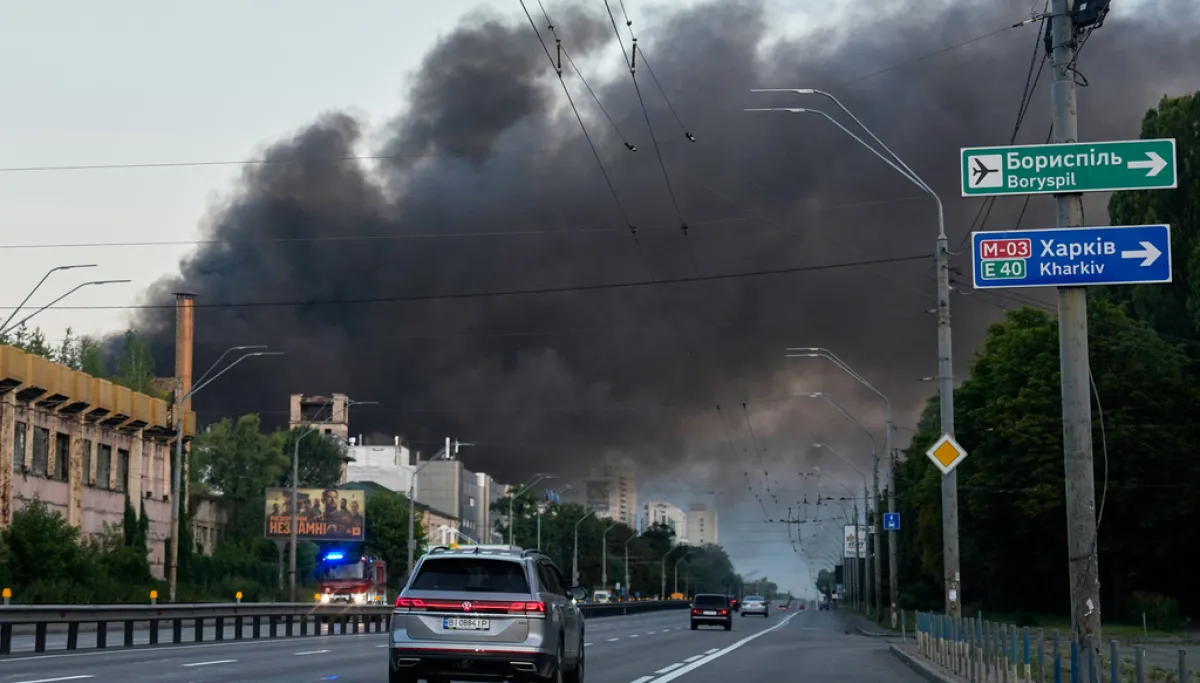
Kyiv and other Ukrainian cities were targeted with over 50 missiles in the largest ballistic missile attack of the war, killing six people, authorities said, with the low interception rate showcasing how low Ukraine’s interceptor stockpiles have grown four and a half years into its war with Russia.The strikes included the use of 38 Iskander ballistic missiles and six Zircon hypersonic cruise missiles, according to open-source intelligence, both of which are particularly difficult to intercept. The primary targets were warehouses, dual-use factories, and other logistics targets. By the Ukrainian air force’s own account, less than half the missiles were intercepted, a far cry from months and years prior, when it claimed the vast majority of missiles were stopped.Among the most successful hits was against UKRTAC, a Ukrainian defense company responsible for producing body armor, helmets, tactical gear, and other protective equipment.
Severion Dangadze, UKRTAC’s founder and development director, said direct hits destroyed its main plant and warehouses.“Tonight our enterprise experienced the greatest tragedy in its entire history. As a result of a direct missile hit, the UKRTAC plant and our warehouses were completely destroyed,” he lamented, while stressing that no employees were killed.The focus on logistical targets came hours after Ukraine hit a large warehouse belonging to the Russian online retailer Wildberries, killing several and sending a massive plume of smoke above Moscow.Russia has escalated its missile attacks against Kyiv in recent weeks, taking advantage of the depletion of Ukraine’s interceptor stockpiles. The interceptor ammunition has been running dangerously low since last year, and the situation was made worse by the diversion of Western stocks to the Middle East to counter Iranian ballistic missiles, especially as the prospect of the war resuming its prior intensity returns.Debris surrounds a missile crater in the foreground of a building following Russia’s missile attack in Kyiv, Ukraine, Sunday, July 19, 2026. (AP Photo/Efrem Lukatsky)