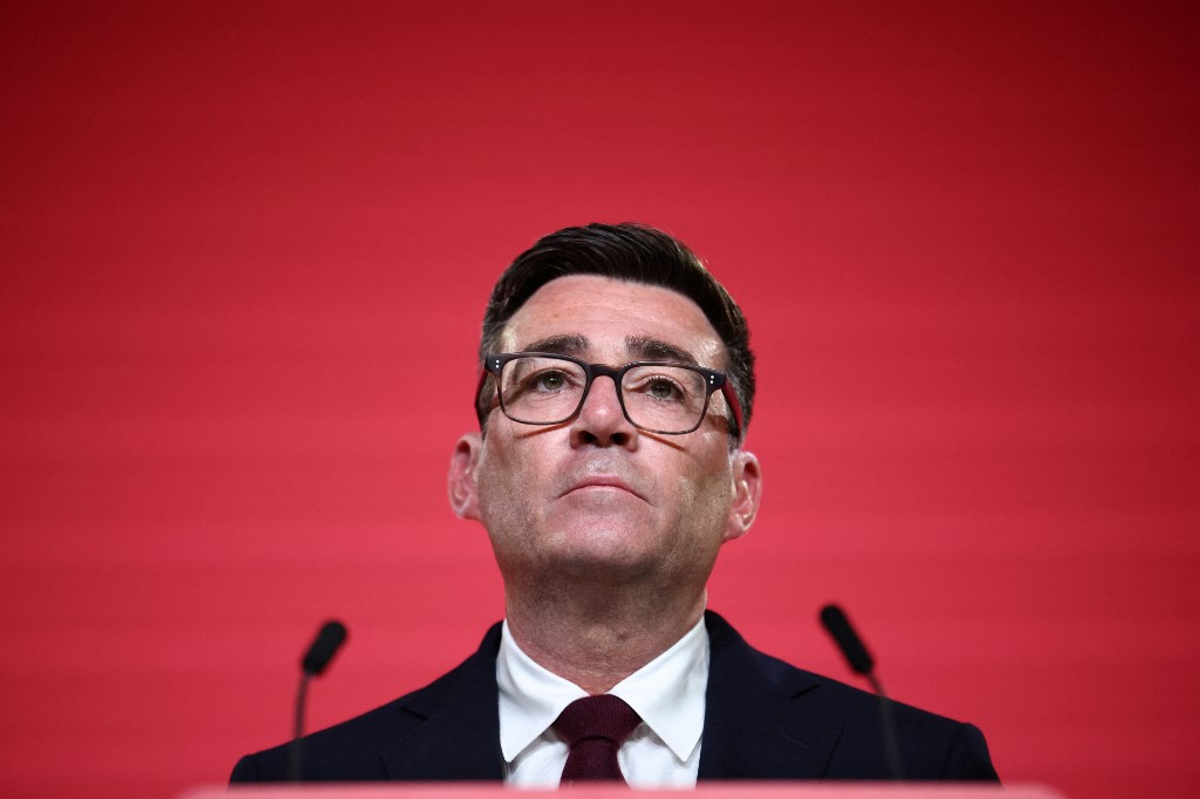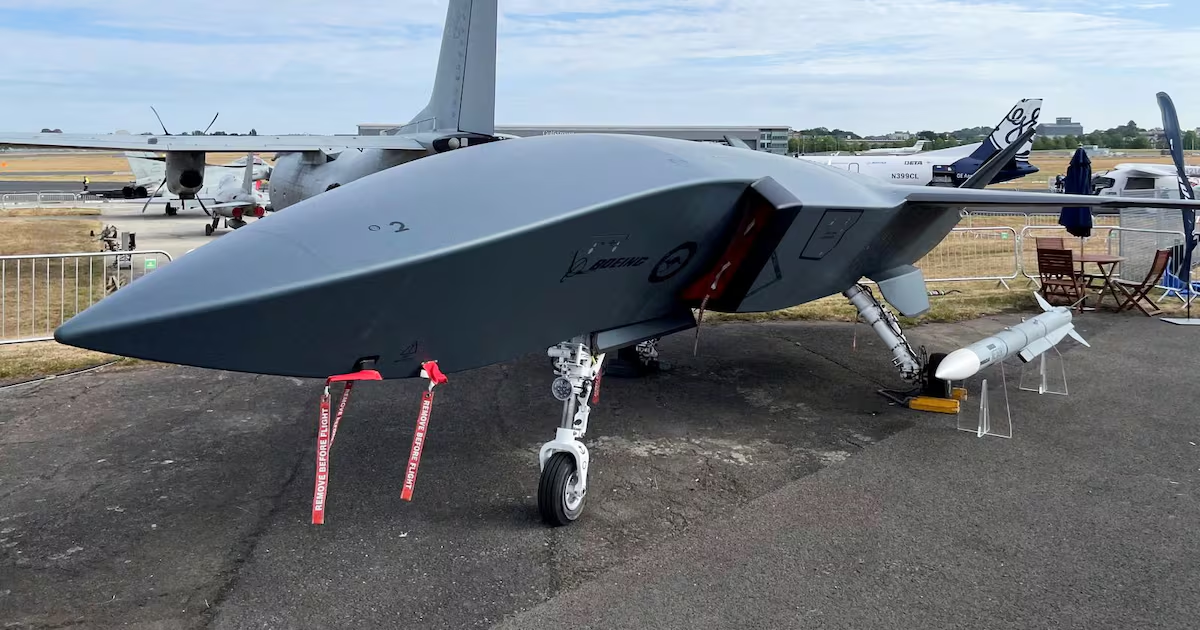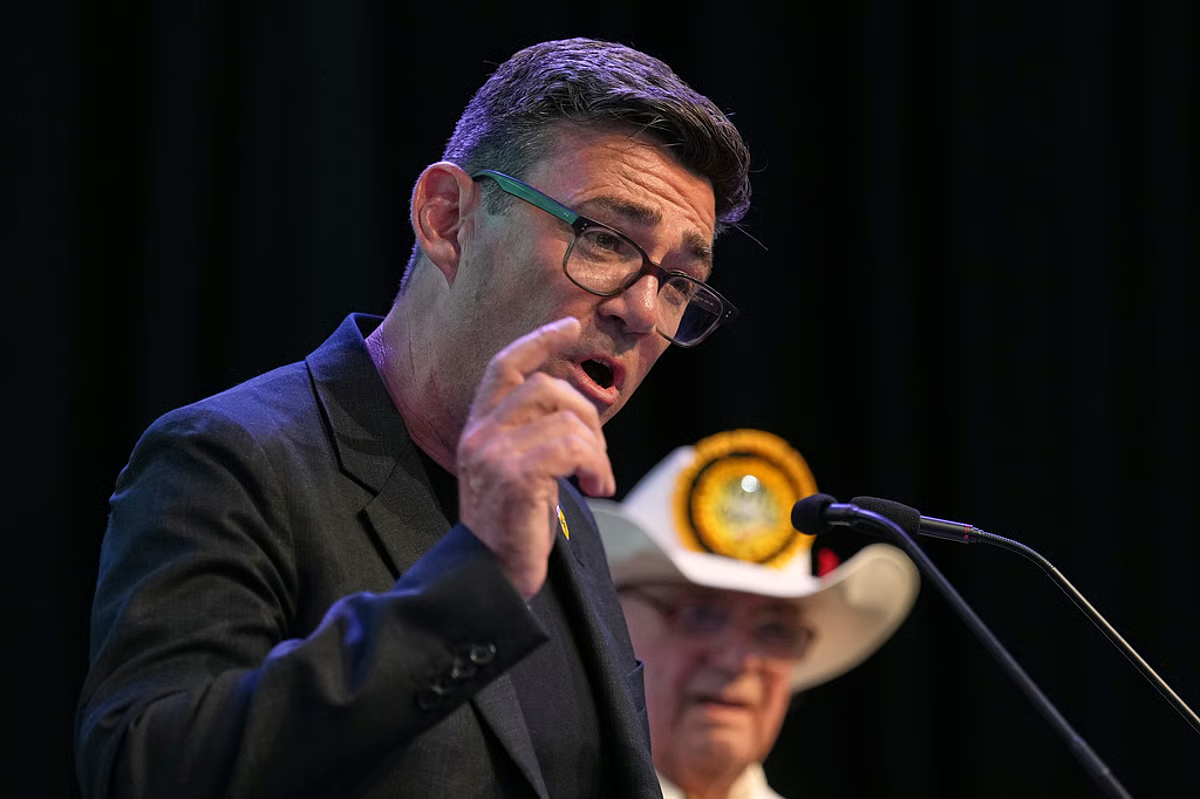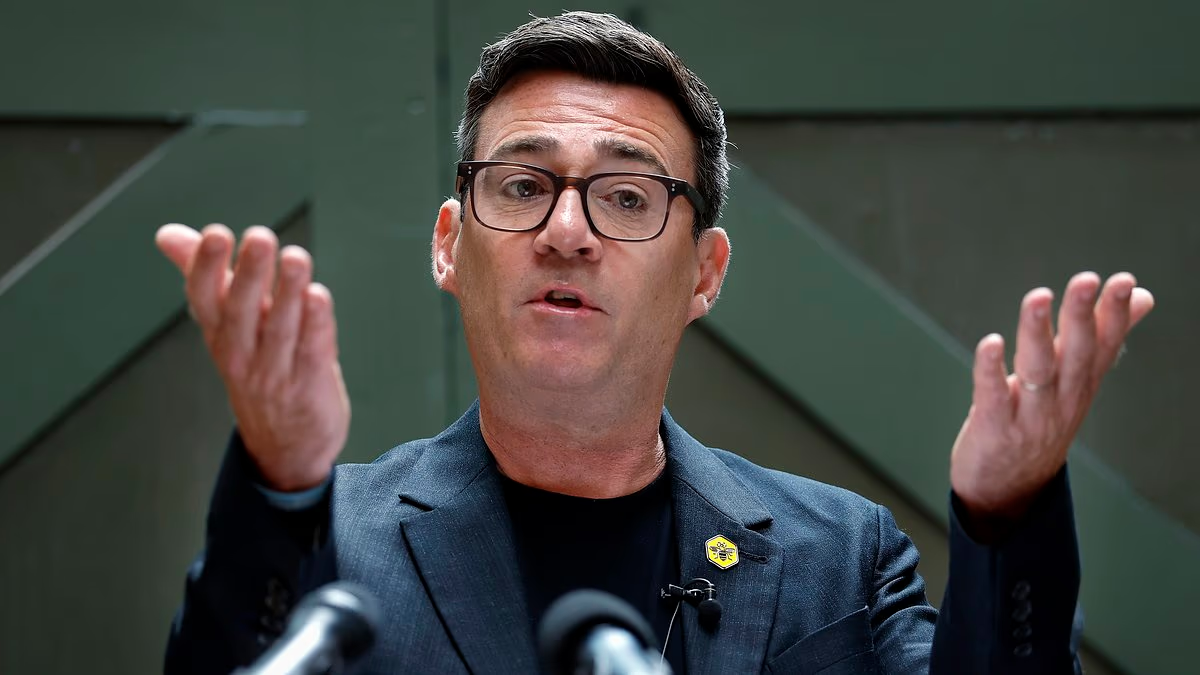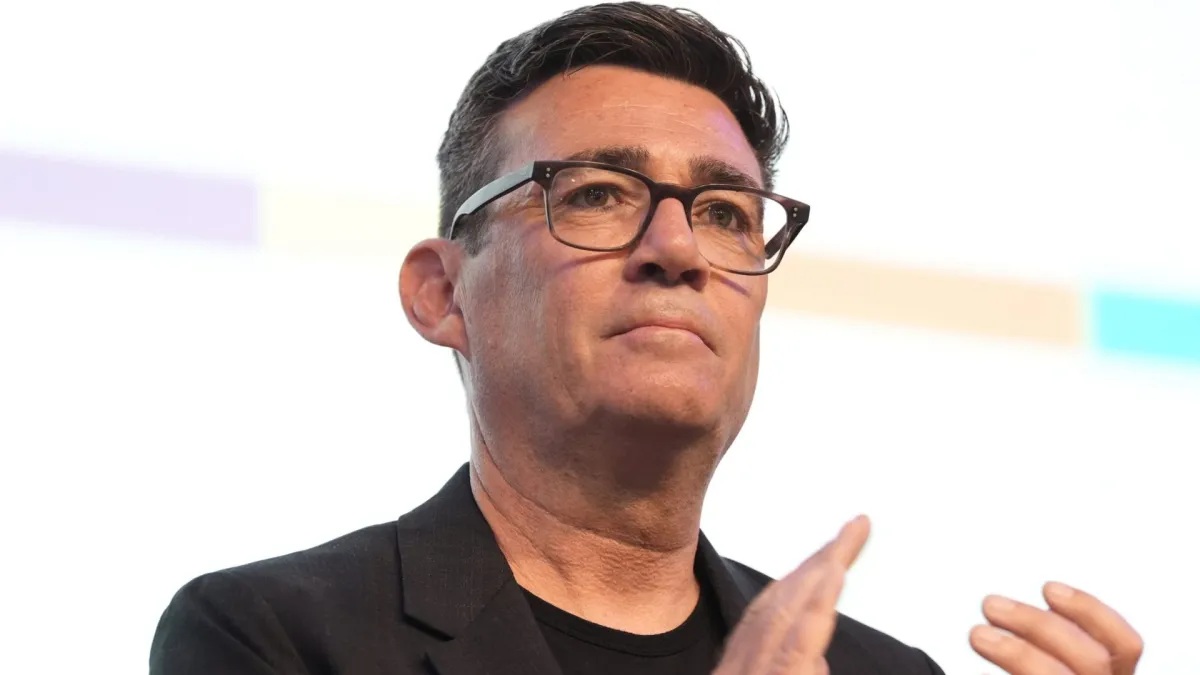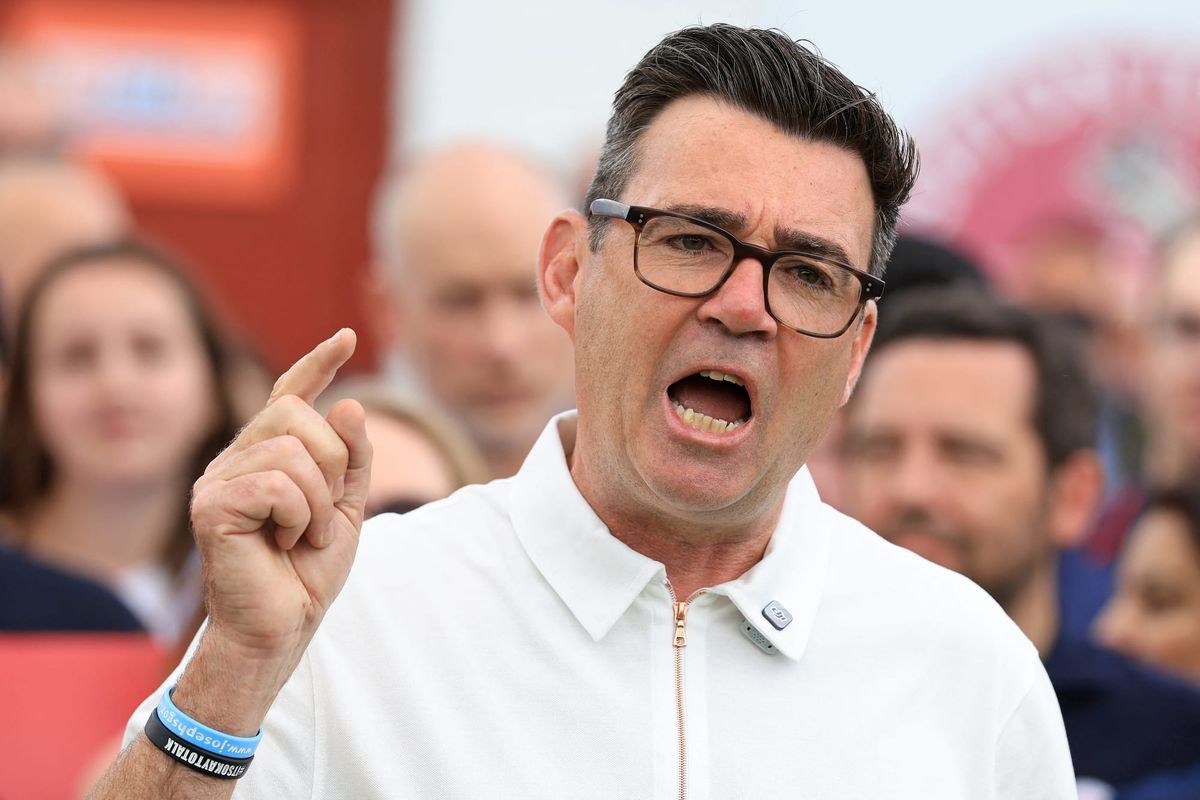
Andy Burnham may want to focus on domestic reform when he enters Downing Street, but the question of defence and national security may soon become one of the first issues in his in-tray.
According to sources close to the Burnham court, the incoming prime minister has placed devolving power, reviving local economies and reindustrialising Britain above defence in his agenda. But within hours of walking into No 10, he will have a moment of reflection in his new HQ.
He will be taken to a small, windowless room to compose and sign the letter of last resort, the instruction to the commander of the nuclear submarine carrying the British Trident nuclear weapon as to when and under what circumstances he is to fire the weapon following a devastating nuclear attack on Britain.
Before he signs, the incoming prime minister will be advised by the Cabinet Secretary and a senior naval officer. “It is a sobering moment,” recalls the former cabinet secretary Lord Simon Case, “and prime ministers tend to be awed and changed by the experience”.
Although Burnham is yet to comment much on defence, there are multiple reasons why he and his team must get to grips with security now.