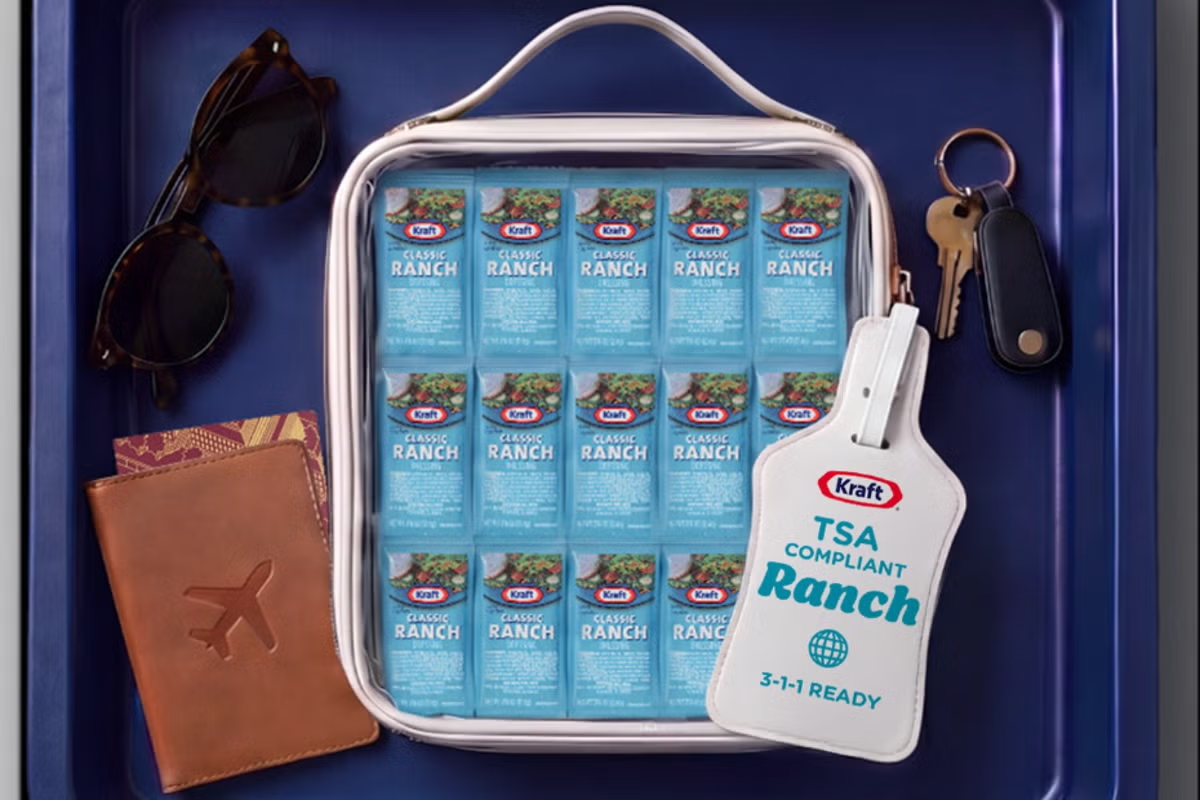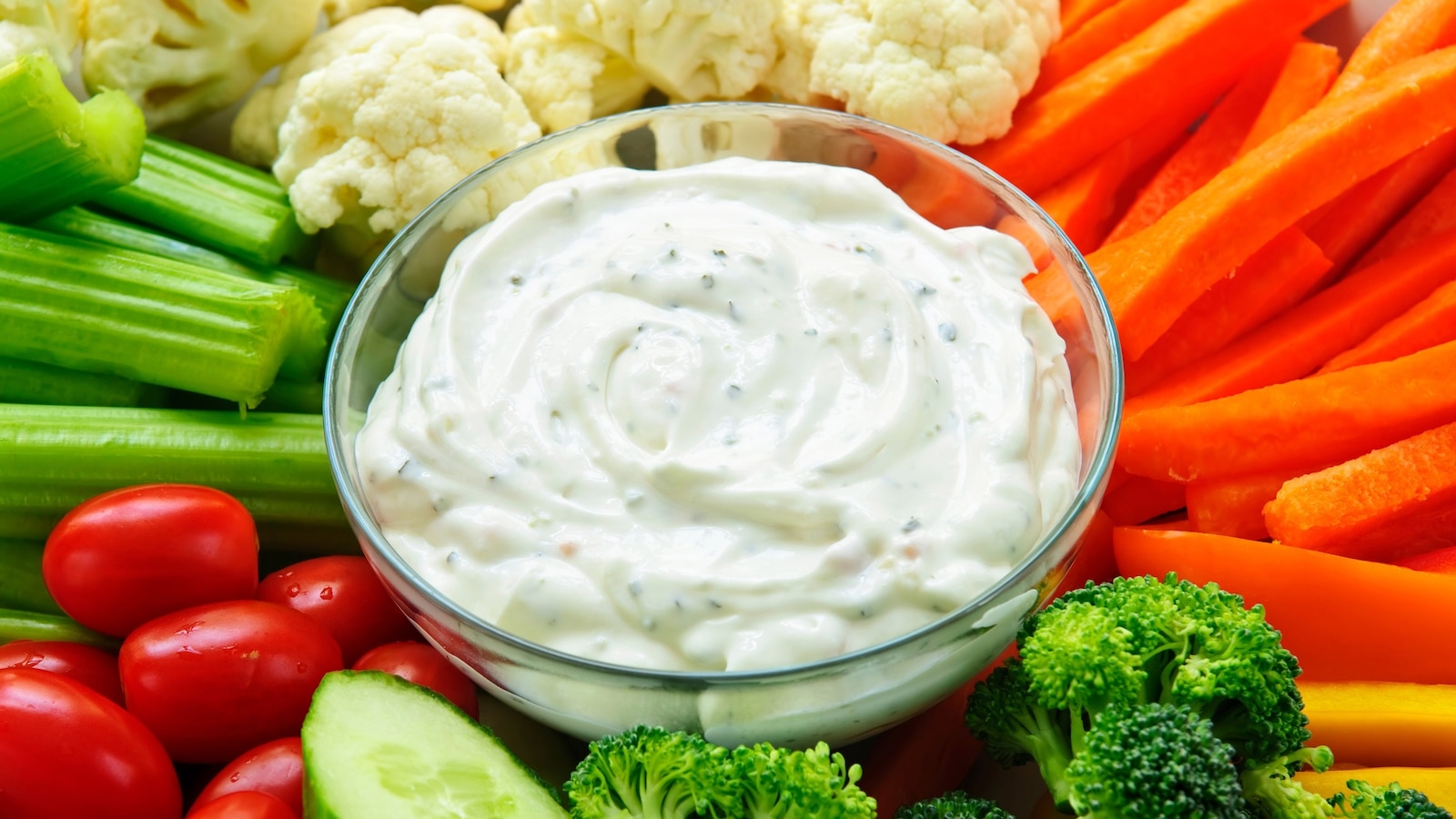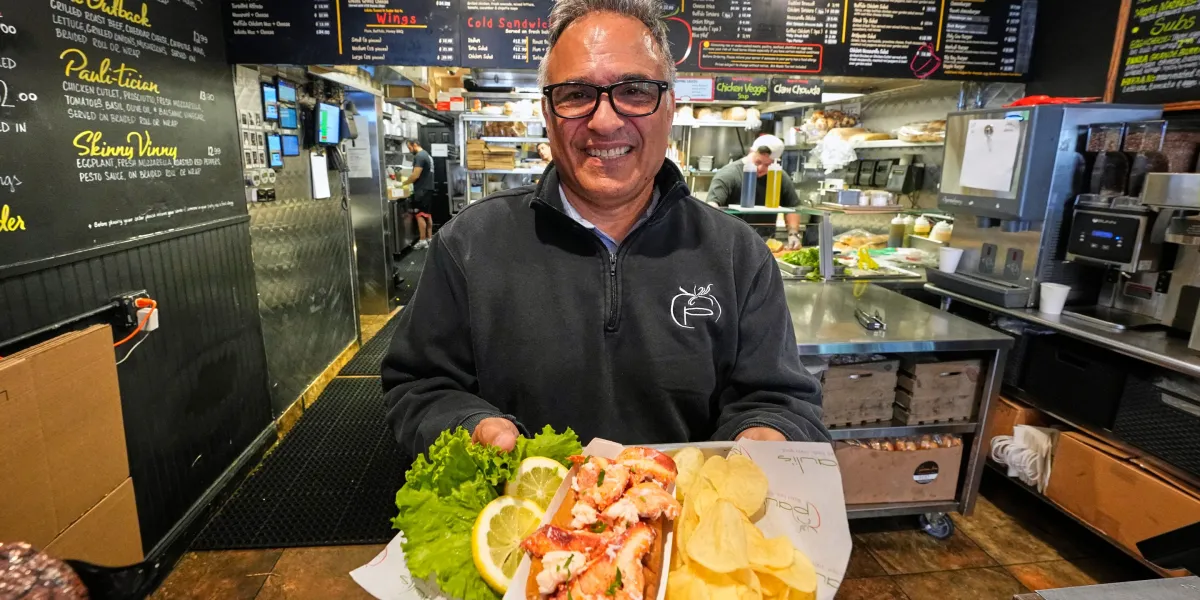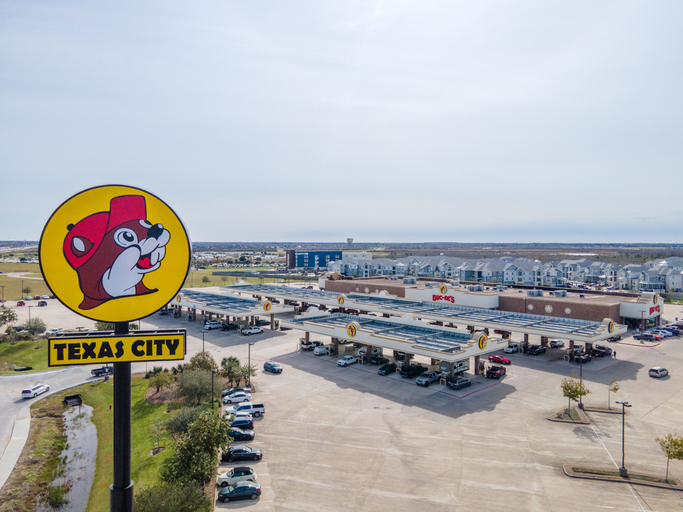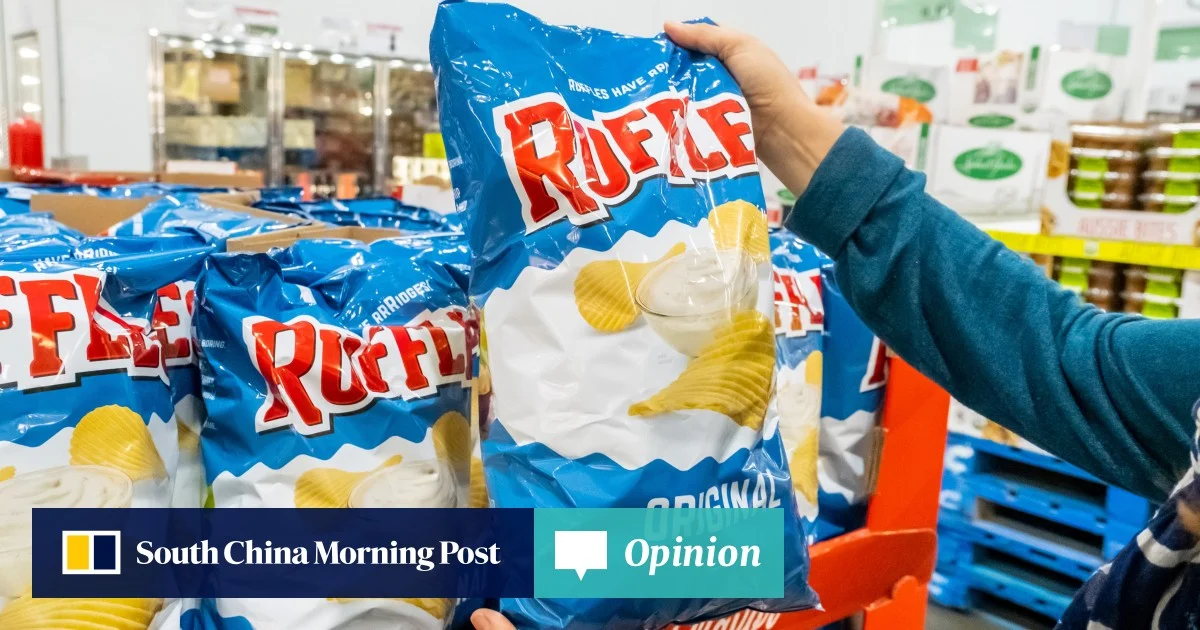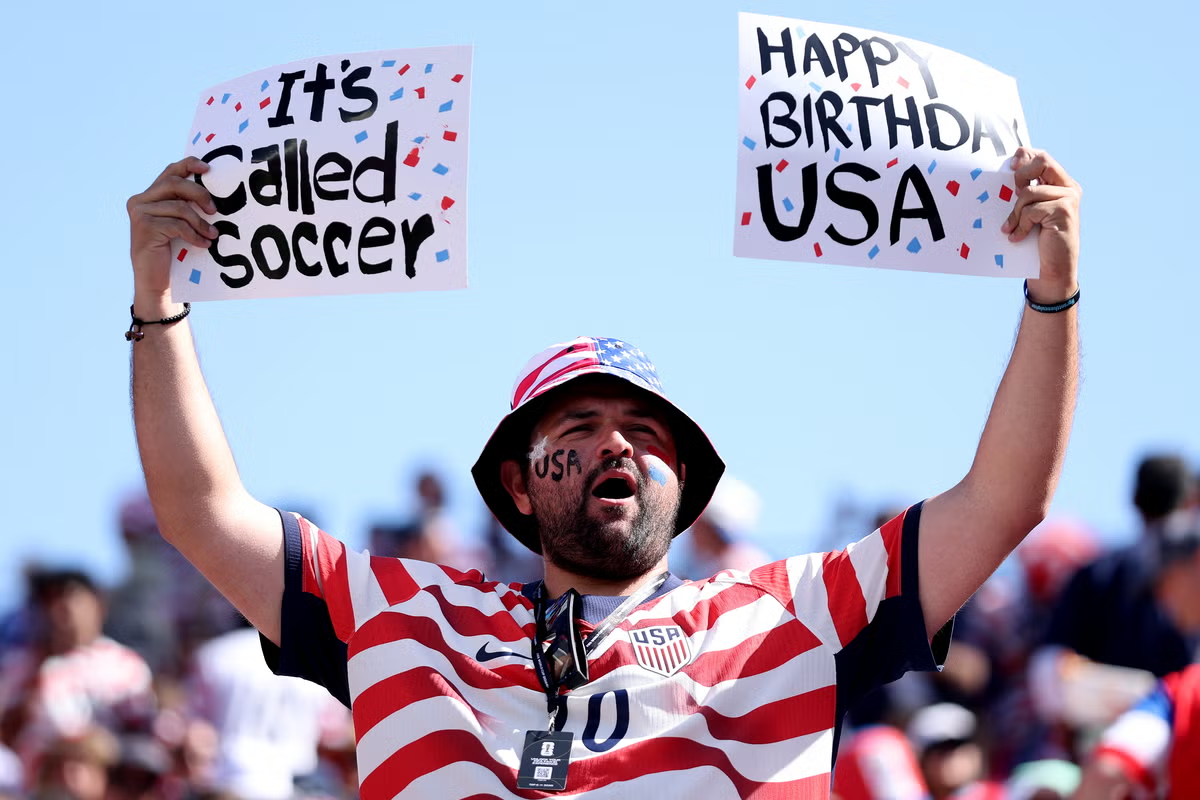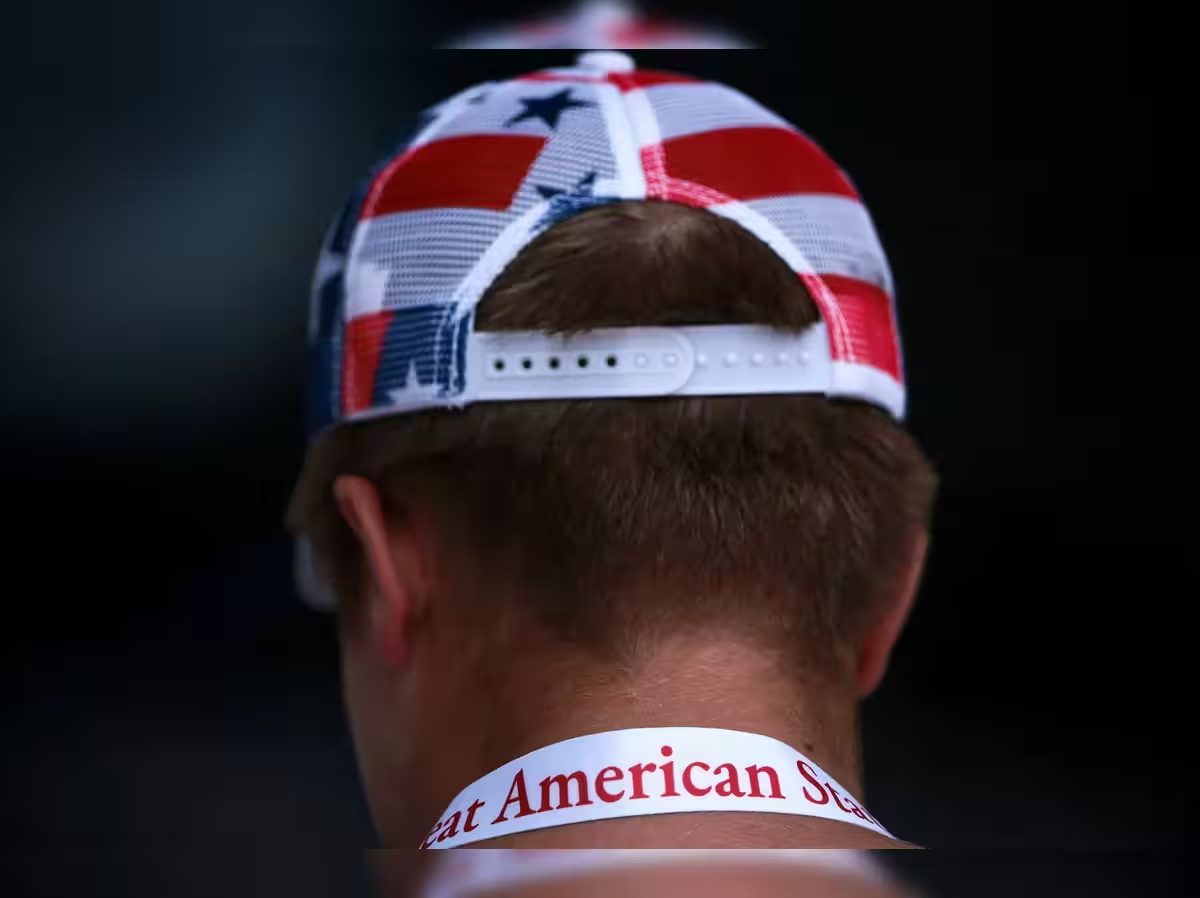
Since the start of the World Cup, the media has been filled with stories about foreign tourists’ delight at discovering everyday American institutions, from Buc-ee’s and 24‑hour big‑box stores to Waffle House, country music—and, yes, ranch dressing. They came for the soccer, but ended up rating late‑night diner meals and filming supermarket aisles. It has been entertaining to watch the world discover America—and, in the process, to see our own country through someone else’s eyes.
The World Cup has shown how American influence is often built: spontaneously, beyond negotiating rooms, through unfiltered encounters with our institutions and people. Ranch dressing may be a punchline, but it also stands for something serious. It is quintessentially American, easily accessible, and doesn’t need a global marketing campaign. People simply try it and find themselves asking why they can’t get this condiment back home. The same is true for much of what visitors have seen during the World Cup, from small kindnesses by strangers to familiar songs in unfamiliar places. These are soft‑power assets hiding in plain sight.
Yet America’s formal diplomacy was built for a different world. Like most countries, the U.S. still relies heavily on treaties hammered out over months and staged interactions between senior officials. Our country has created an entire multilateral architecture to facilitate such diplomacy, from the United Nations to the International Monetary Fund to the World Bank. This system has long been the primary way that America advances its interests abroad.