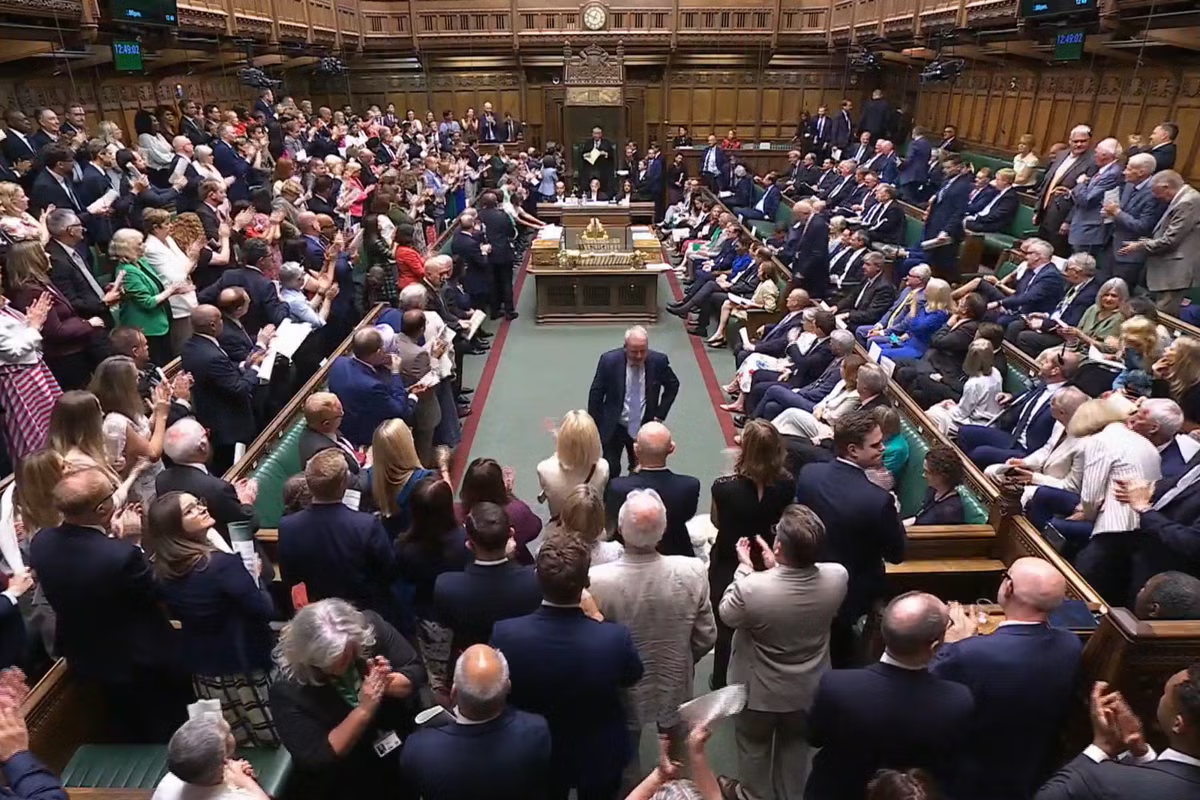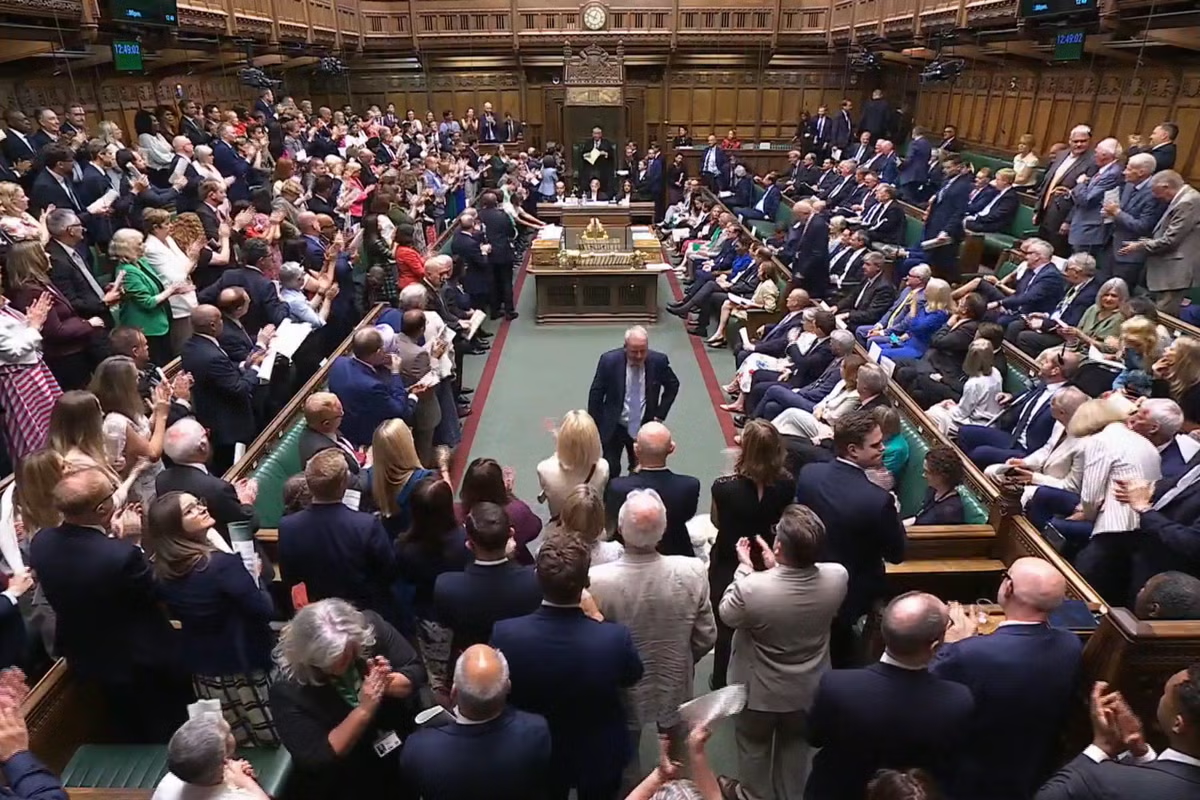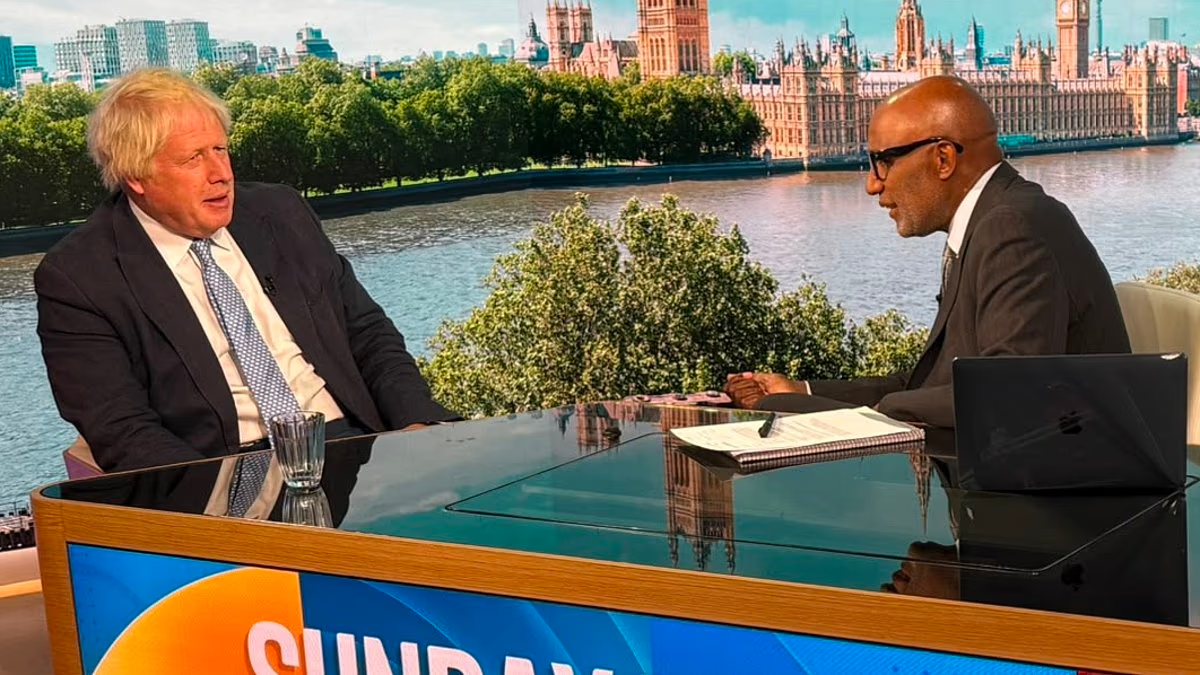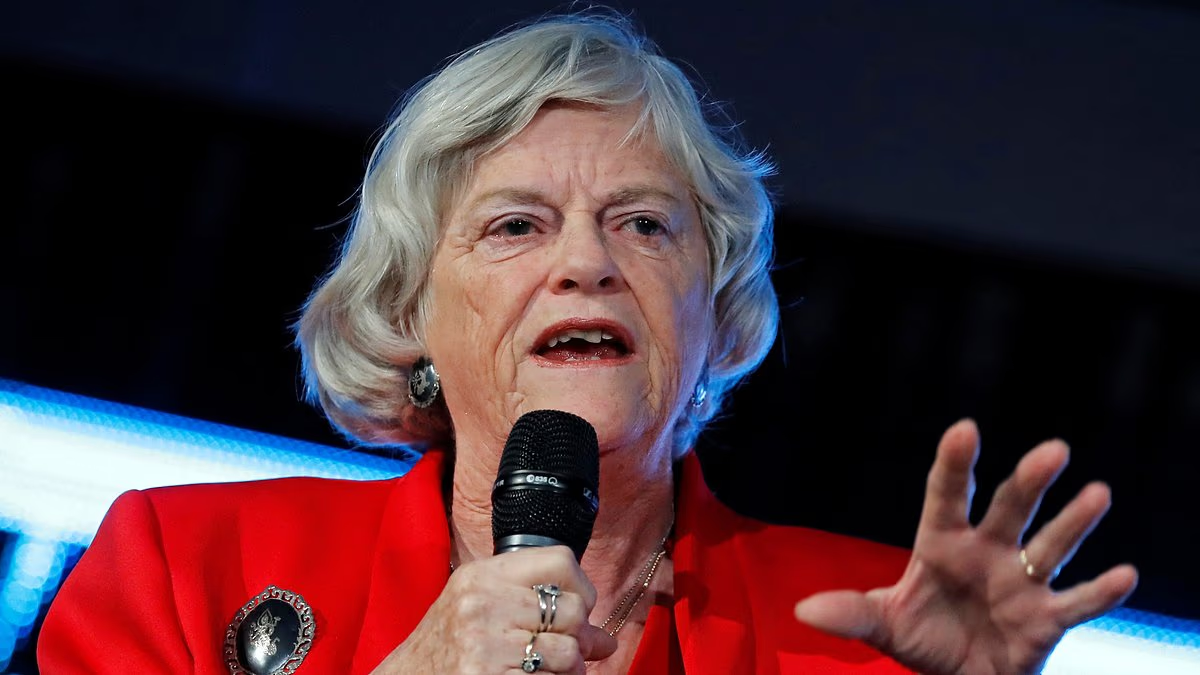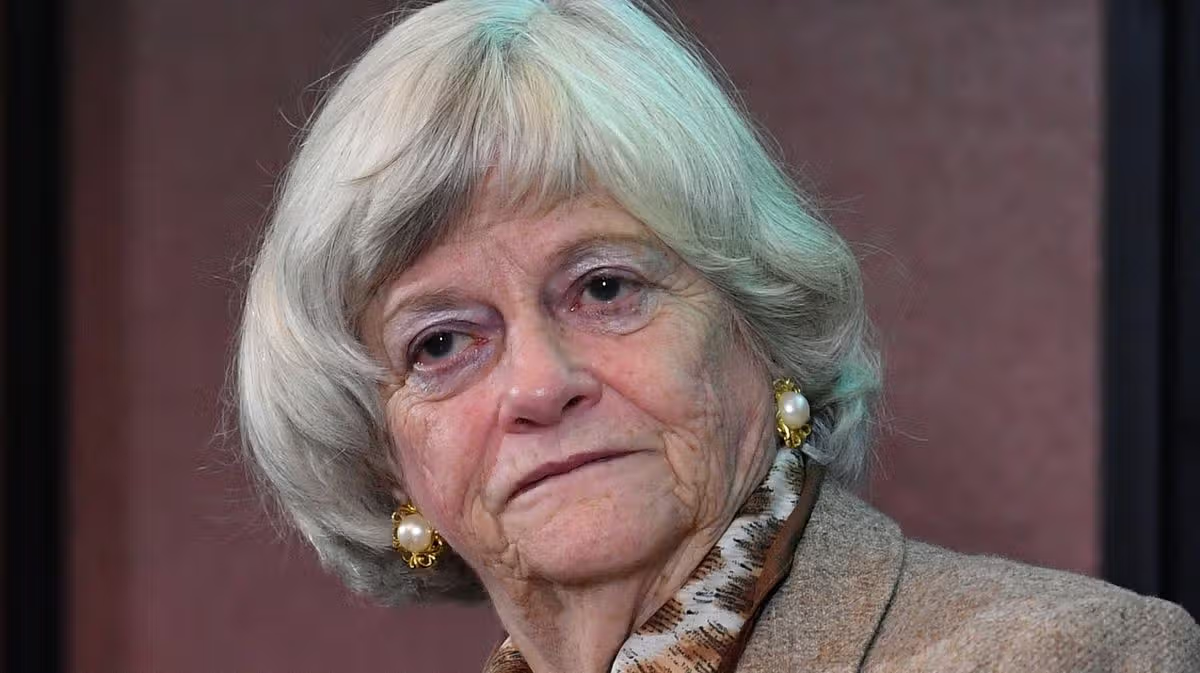
The National Protective Security Authority (NPSA) has advised public figures to consider setting up a safe room and smoke machine intruder deterrents in their properties12:46, 19 Jul 2026Updated 14:18, 19 Jul 2026Security service MI5 urged MPs to build bulletproof safe rooms at home and to deter would-be home invaders months before Ann Widdecombe's death.The National Protective Security Authority (NPSA), an arm of the UK's domestic counter-intelligence and security agency, advised public figures to set up a "safer area" where they can take shelter in the event they are targeted by "hostile actors". Figures, including MPs, councillors and foreign dissidents, should either create a dedicated shelter space, or find a spot in an existing room that could provide additional security, the NPSA said.On top of being a secure, bulletproof location, the guidance states that anyone at risk of targeting should also consider installing fog machines as a deterrence mechanism.Safe rooms, also known as panic rooms, are dedicated hiding spaces that are typically installed in concealed or tucked away parts of the home. They are meant to be inaccessible to would-be intruders, and provide enough physical protection to prevent forced entry.High-end versions may include features like bulletproof glass, security walling, steel panels, security cameras and even an emergency phone for occupants to call emergency services. While some homes will come with the rooms included, firms can add them to properties, or upgrade existing rooms with high-security specifications.Multiple companies offer safe room installation services in the UK, with costs starting in the mid four-figure range, around £6,000, for fortified standalone features like fitted vault doors.Standard rates for a small panic room of standard size - around 2x4 metres - fitted with security walls and a door can range from £25,000 to £80,000. The price can double or quadruple depending on the features added, with high-spec safe rooms equipped with ballistic doors, backup power and independent air filtration going for well over £250,000.On top of the fog machines - devices that convert water-based liquids into a thick, obscuring vapour - the NPSA advises potential public targets to install other measures to deter intruders, including timed lights to create the illusion that the property is inhabited when its occupants are away.The NPSA advice states that public figures should install other measures to deter intruders, including timed lights to create the illusion that the property is inhabited when its occupants are away.It goes on to recommend they should also try to reduce the number of potential hiding places in and around their property by trimming back hedges and other foliage. The guidance was published by the NPSA three months before the death of Ms Widdecombe, the former Conservative MP turned Reform spokeswoman.Ms Widdecombe, 78, was a controversial public figure who served as an MEP for the Brexit Party after leaving the Tories until switching to Reform UK. She also starred in Strictly Come Dancing and Celebrity Big Brother.She was found dead at her secluded home in Haytor Vale, Devon, on July 8, after a "targeted attack", counter terror police leading the investigation said last week.Joshua Kerry, a 28-year-old white British man from Rotherham, South Yorkshire, was arrested on suspicion of her murder on Saturday, July 11. He was rearrested on Monday, July 13 on suspicion of commission, preparation or instigation of acts of terrorism. He has not been charged.Ms Widdecombe's death has sparked new conversations about MP security, with incoming Prime Minister Andy Burnham saying a review of existing arrangements is necessary. He said: "It's easy to blame social media, but it feels like it's having some impact in just building that kind of toxicity that's around the political debate."He added: "It's obviously appalling what happened to Ann. I knew Ann over many years in the House - we got along and everybody got along, but it feels like something has changed."Security arrangements for MPs are handled by the Parliament Security Department (PSD), which provides physical, operational, personnel and MPs security for both the House of Lords and Commons. Every MP receives an arrangement tailored to them, accounting for the risks they may face.Duties of the PSD, on top of providing in-person close protection, for which the department took charge following the 2021 murder of Tory MP Sir David Amess, includes setting up CCTV at MPs' homes and offices. The total cost of these arrangements has hit an estimated more than £20 million a year, the Times reports.Article continues belowThe House of Commons assumed responsibility for security funding in 2023, according to the Independent Parliamentary Standards Authority (IPSA), with security assistance funding claimed by MPs totalling £3.88 million between 2022/2023. During 2021/2022, MPs claimed £4.38 million of funding.
MI5 advises MPs to build safe rooms at home with bulletproof walls
The National Protective Security Authority (NPSA) has advised public figures to consider setting up a safe room and smoke machine intruder deterrents in their properties
772 words~4 min read