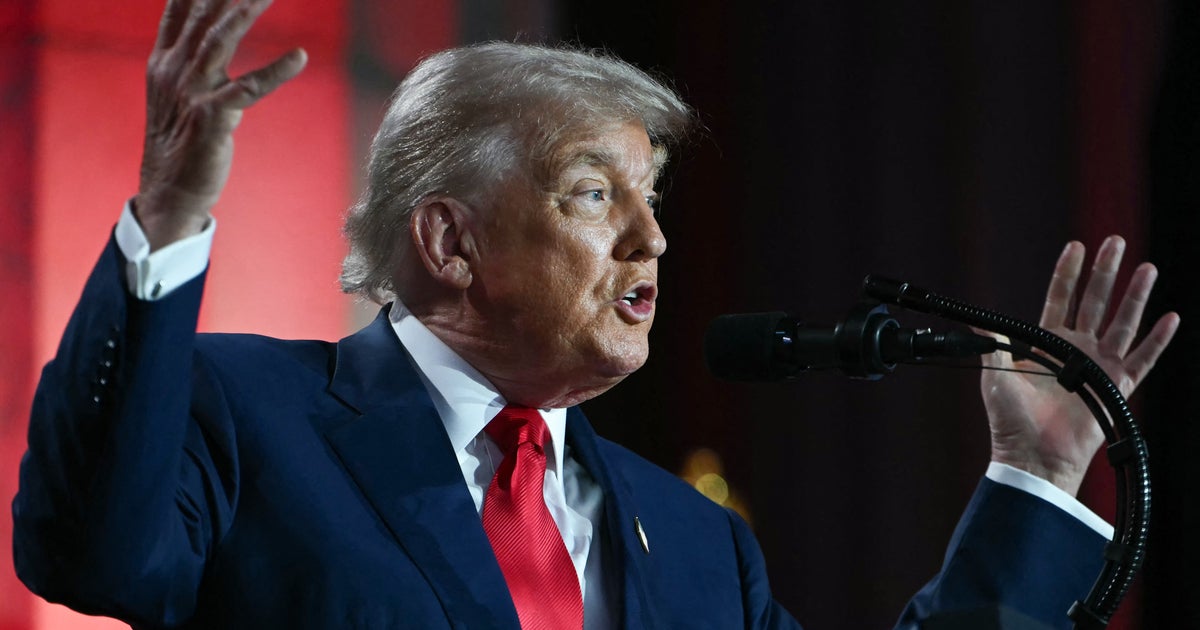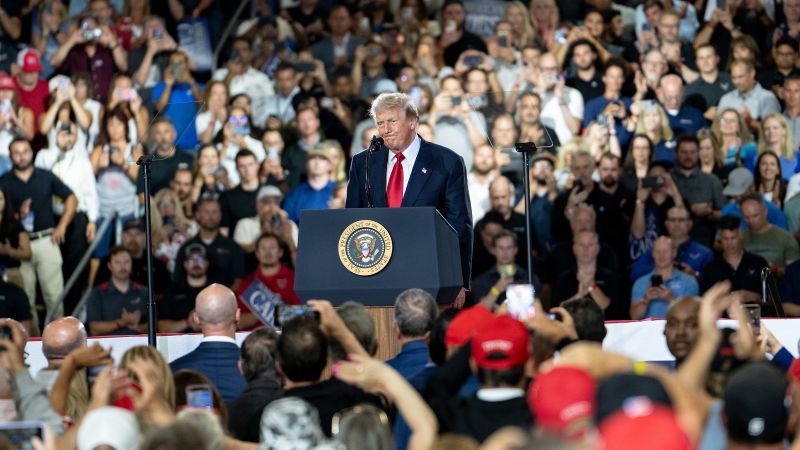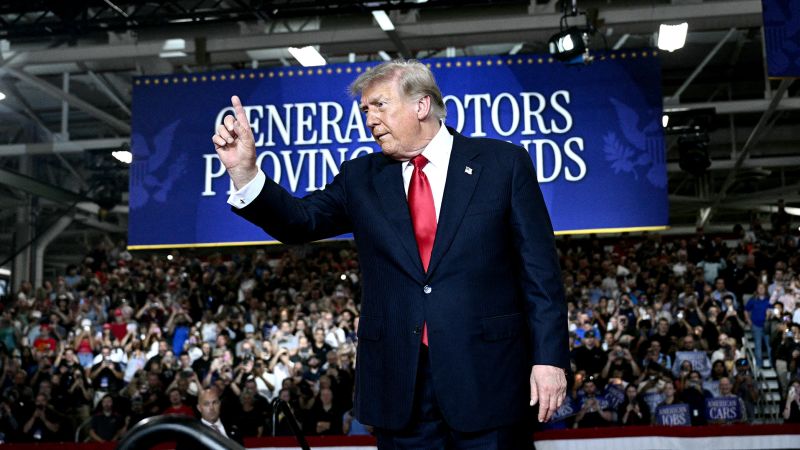
The brightest warning light for Democrats in this year’s election is the consistent finding in early national and state polls that they are not winning nearly as large a share of voters who disapprove of President Donald Trump’s performance as they did during his first term. Paradoxically, that dynamic also could represent a major danger for Republicans if it proves unsustainable through November.
Views about the incumbent president’s performance have become arguably the most powerful factor shaping modern midterm elections. But Democrats are struggling to convert pervasive disapproval of Trump’s second term into sufficient support for their House and Senate candidates.
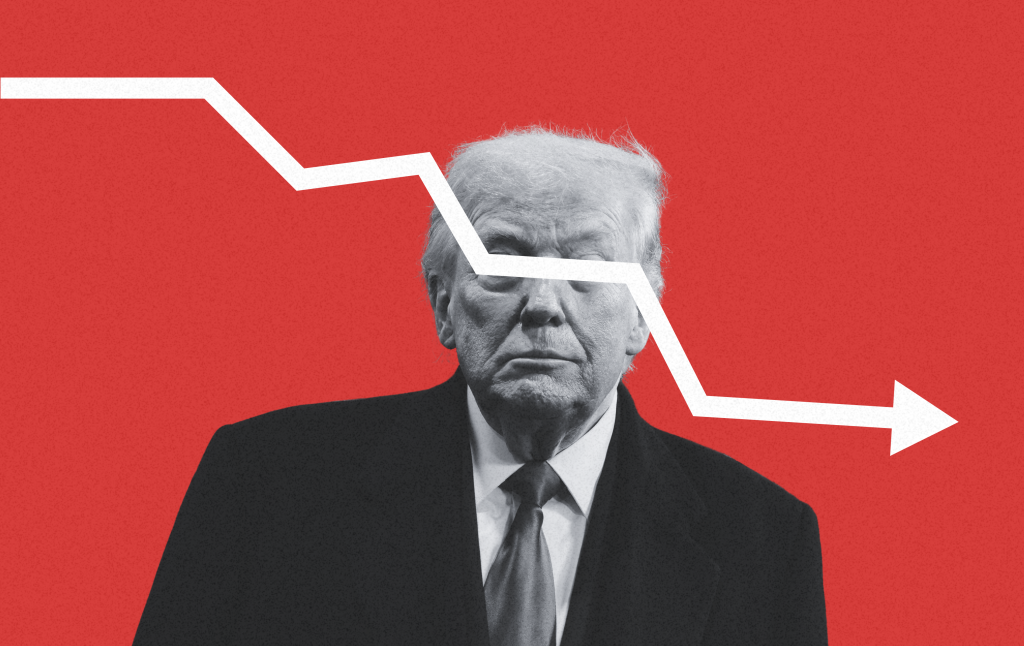
The result is what might be called the 2026 approval gap. From one direction, Trump’s job approval rating has plummeted below the level that triggered midterm wave elections against other contemporary presidents, including Bill Clinton in 1994, George W. Bush in 2006, Barack Obama in 2010 and Trump himself in 2018. And yet most surveys do not show Democrats establishing a clear or consistent advantage in the key races that will decide control of the House and Senate.
Evan Roth Smith, a Democratic pollster allied with the party’s centrist wing, notes that in 2018, the share of voters who disapproved of Trump’s performance was about 10 points larger than the share who approved. Today, Smith points out, Trump’s net approval rating is about 20 points negative — twice as bad — and yet the Democratic lead in generic ballot tests for the 2026 House election is considerably smaller than the party’s actual advantage of about 8.5 points in the 2018 national House popular vote.