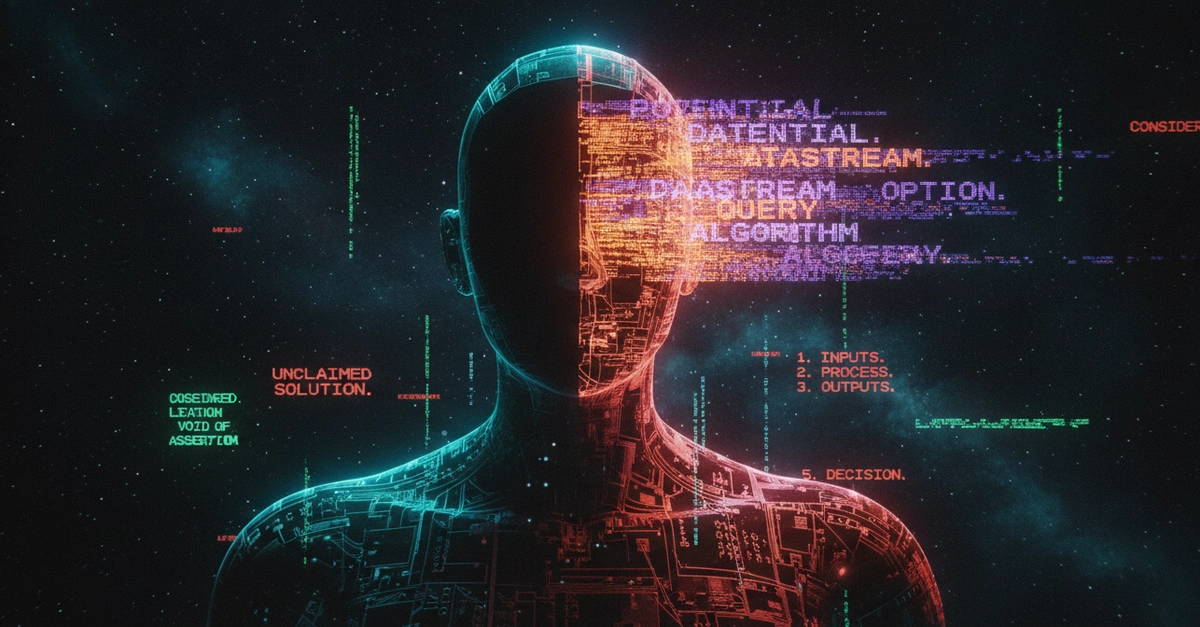
There is a particular kind of silence that settles over a room when somebody who works inside a frontier artificial intelligence laboratory is asked, off the record, how worried they actually are. It is not the silence of someone searching for an answer. It is the silence of someone deciding how much of the answer they are allowed to give. Over the past eighteen months, that silence has grown noticeably longer. The reason is not difficult to identify. The systems being built behind the security badges of San Francisco, London and Hangzhou are no longer merely larger versions of what came before. They are beginning, in measurable and reproducible ways, to participate in their own improvement. The question that once belonged to science fiction, namely whether a machine could meaningfully bootstrap its own intelligence, has quietly become an engineering problem with a budget line.
The word for what comes next, if anything comes next, is singularity. It is a term most people have heard, fewer can define, and almost nobody outside the field has been given an honest account of. Polling data from the Pew Research Center, the Reuters Institute and the Tony Blair Institute for Global Change consistently shows that public understanding of artificial intelligence has not kept pace with the systems themselves. People know the chatbots. They know the image generators. They have heard, vaguely, that something called AGI is supposed to arrive at some point. What they have not been told, in plain language, is that the laboratories building these systems have begun publishing papers in which the models help design their successors, and that some of the most senior researchers in the field now treat a recursive self-improvement loop not as a hypothetical but as a near-term operational risk.