About 10 years ago, I was quite sympathetic — empathetic, even — to the Black Lives Matter movement in its early days. That sympathy ran so deep that the first book I ever published, A Single Life, was a 2020 novel about a black Jewish protagonist, a character built to sit at the intersection of two forms of hatred and to explore what it meant to confront both racism and antisemitism in one body, one life.But somewhere along the way, I had a rather rude awakening. As antisemitism was resurging around the world and then landed on our own shores here in America, I began to notice a pattern that I could not ignore: Many of the same progressives who had marched and posted and organized on behalf of black victims were falling silent — conspicuously, uncomfortably silent — when Jews were once again becoming the victims of hate.This wasn’t a reaction to any single event. It predated Oct. 7, 2023. And then Oct. 7 happened, and by Oct. 8, that silence had, in far too many progressive quarters, curdled further into open hostility. How, I kept asking myself, could the same people summon such fierce empathy for one persecuted minority and so little for another? It was especially troubling when one considered that the people who were not on the receiving end of the social justice warriors’ empathy were the people who had, historically (if we’re going to insist on keeping score), been persecuted at least as severely as the people who were on the receiving end of the wokeists’ empathy.
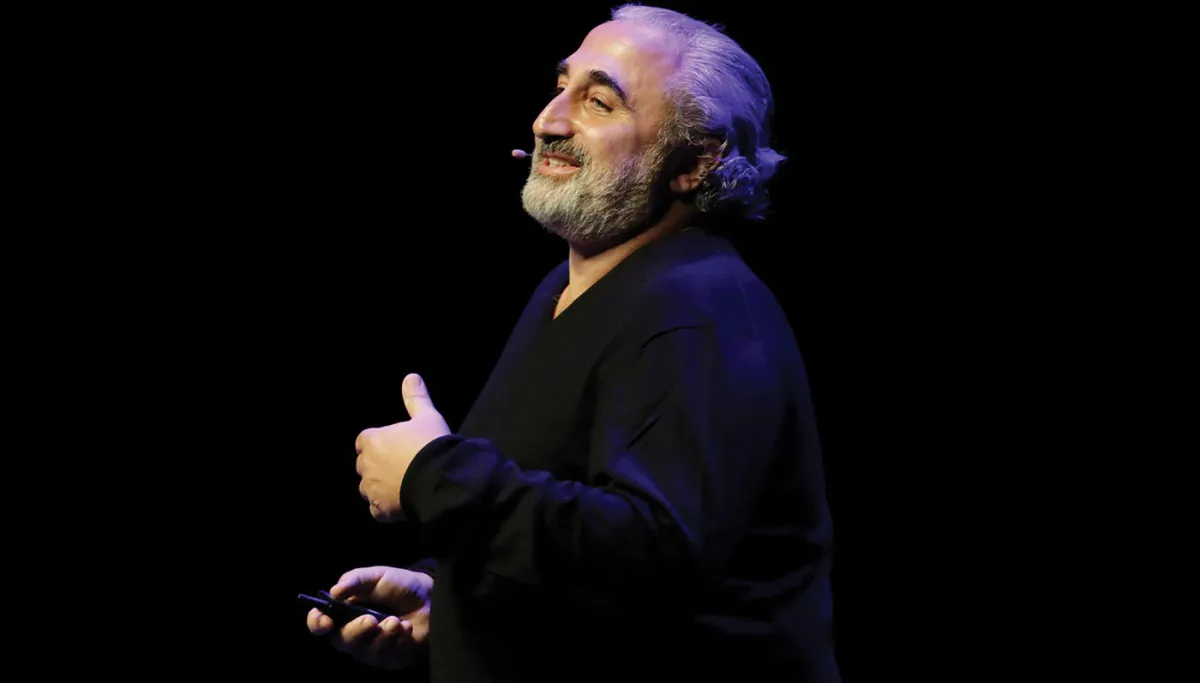
The Doctor who diagnosed the West: Gad Saad's theory of civilizational suicide
That vocabulary is the product of the mind of Dr. Gad Saad, and it's the subject of his essential new book: Suicidal Empathy: Dying to Be Kind.
2,539 words~12 min read