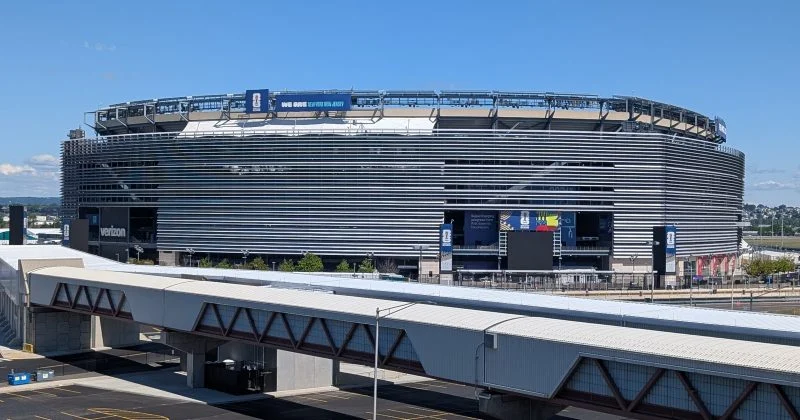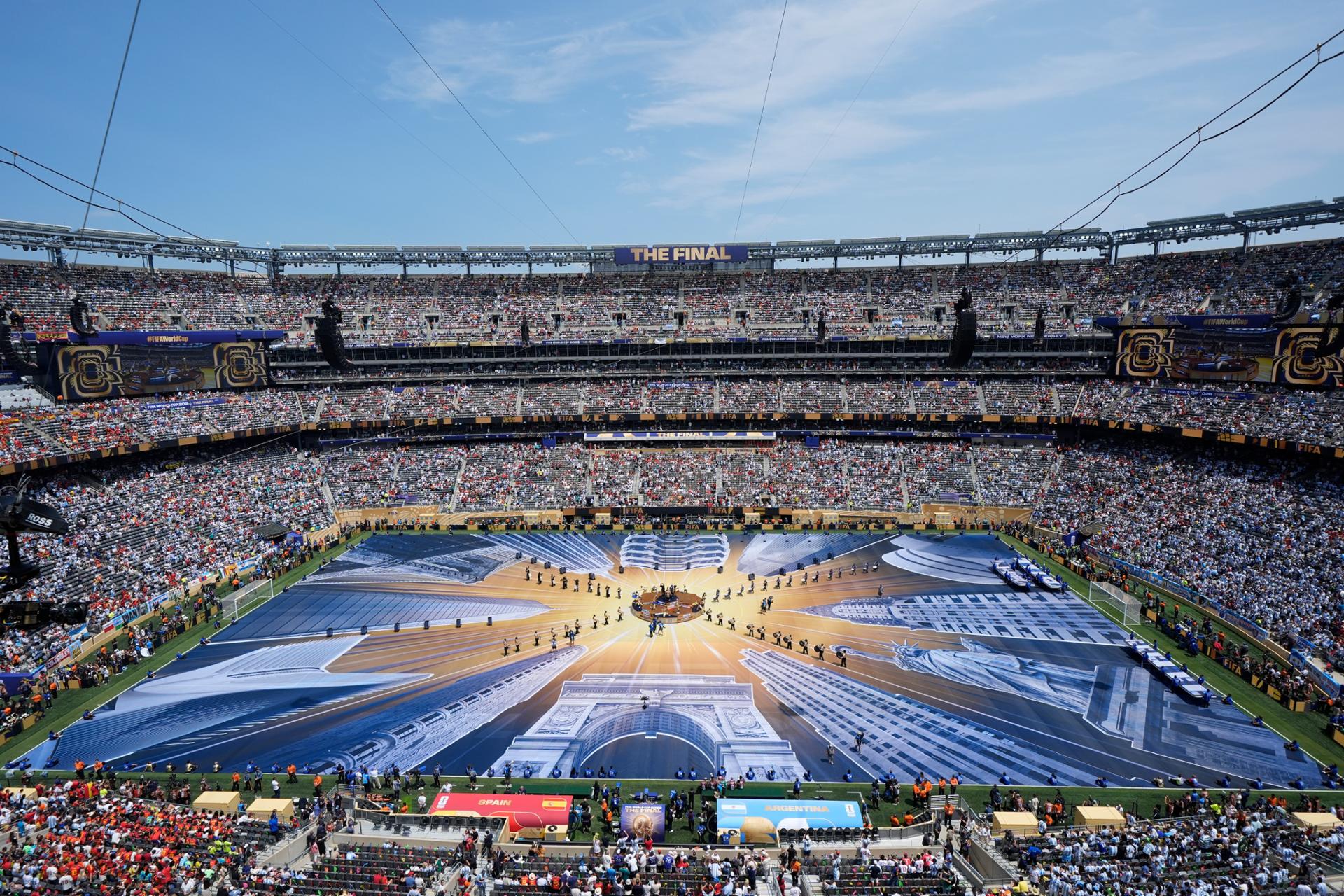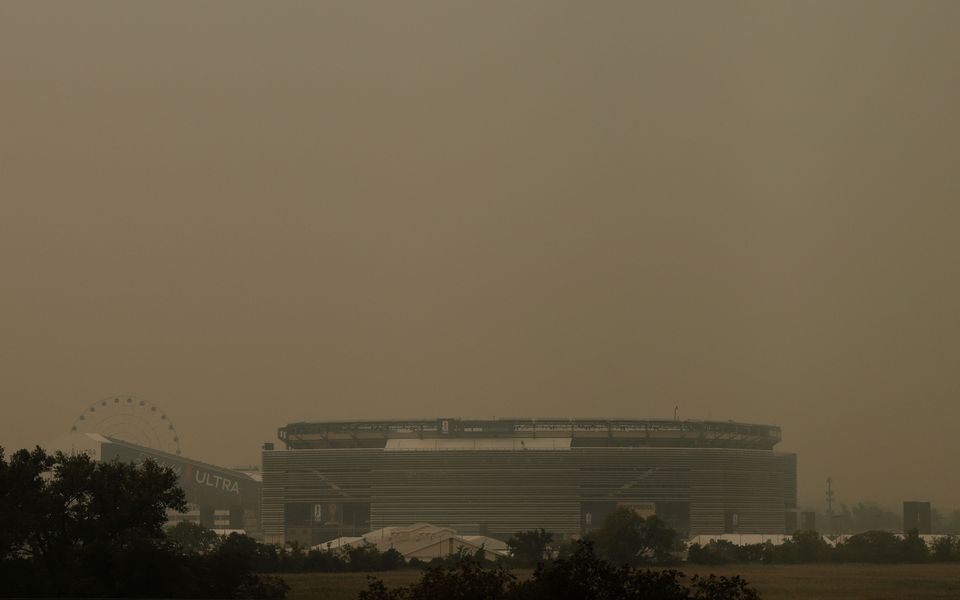
A view of the MetLife Stadium in East Rutherford, New Jersey, on July 18, 2026, surrounded by smoke due to the wildfires in Canada. The stadium will host the 2026 World Cup final between Argentina and Spain on Sunday. [Brian Snyder/Reuters]
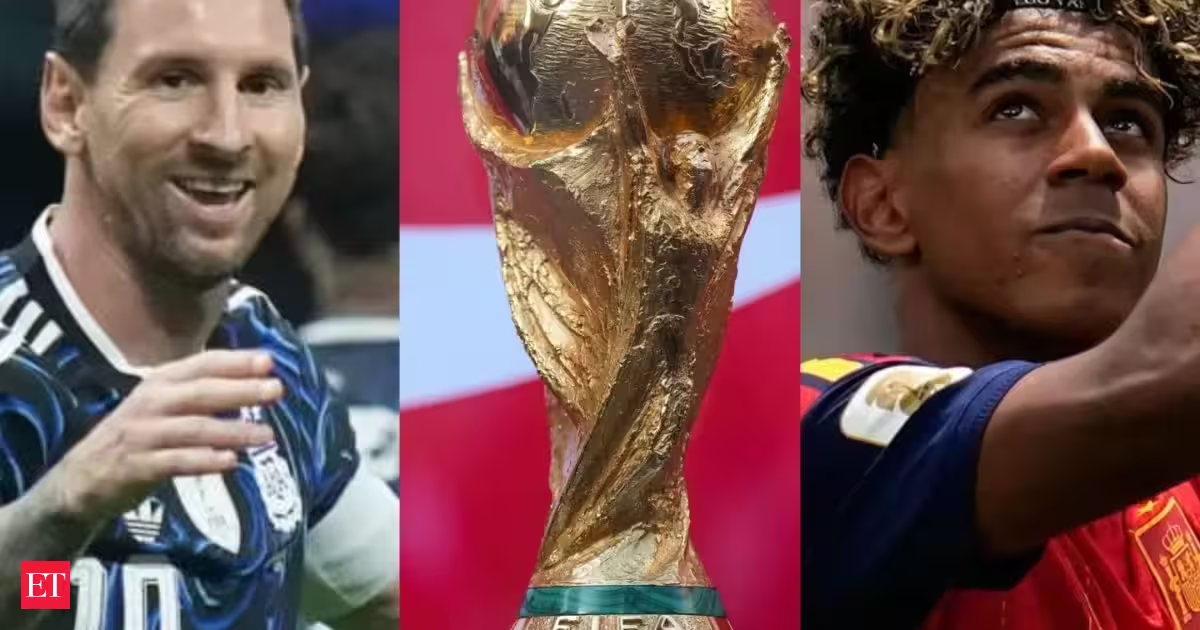
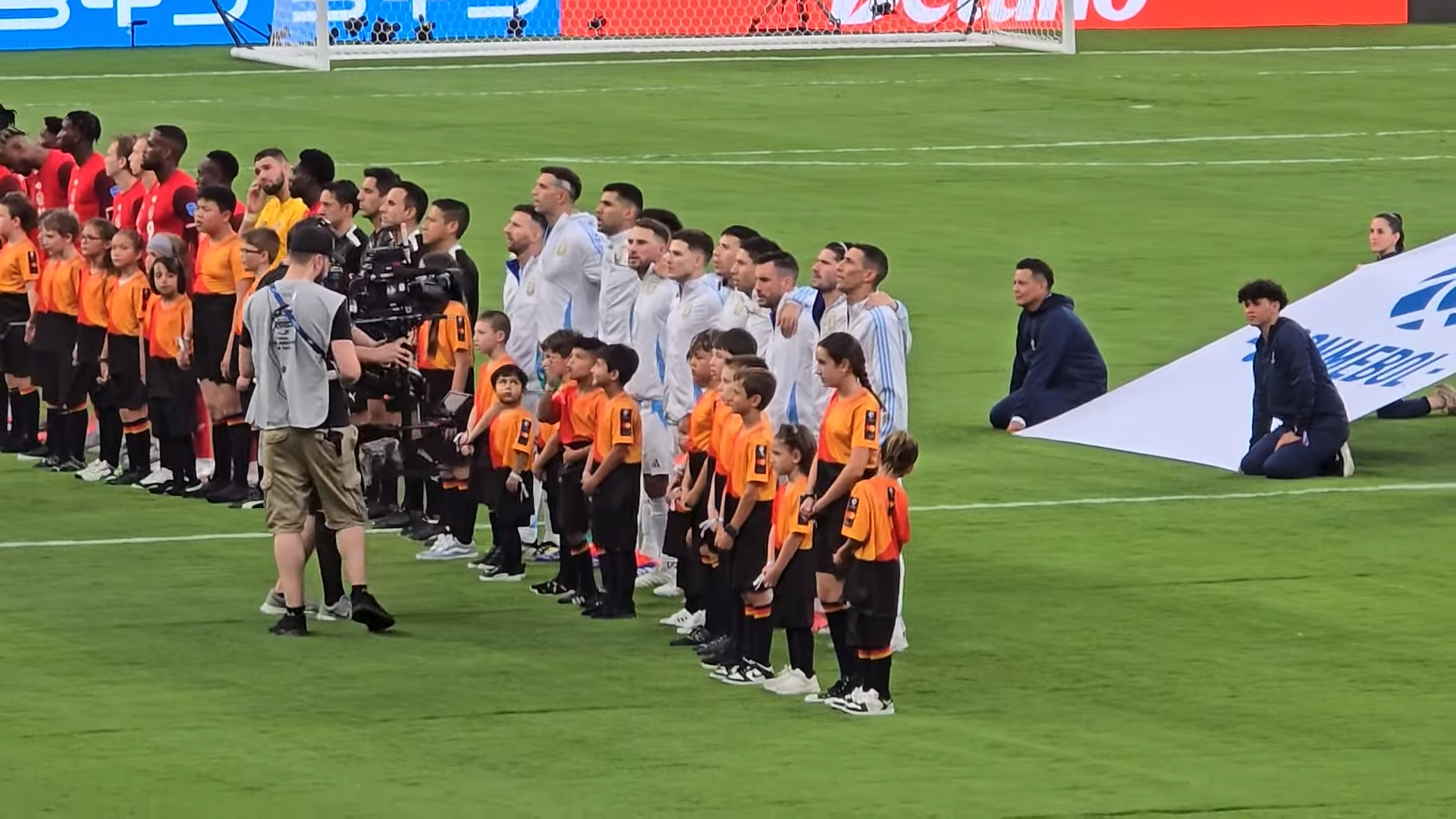
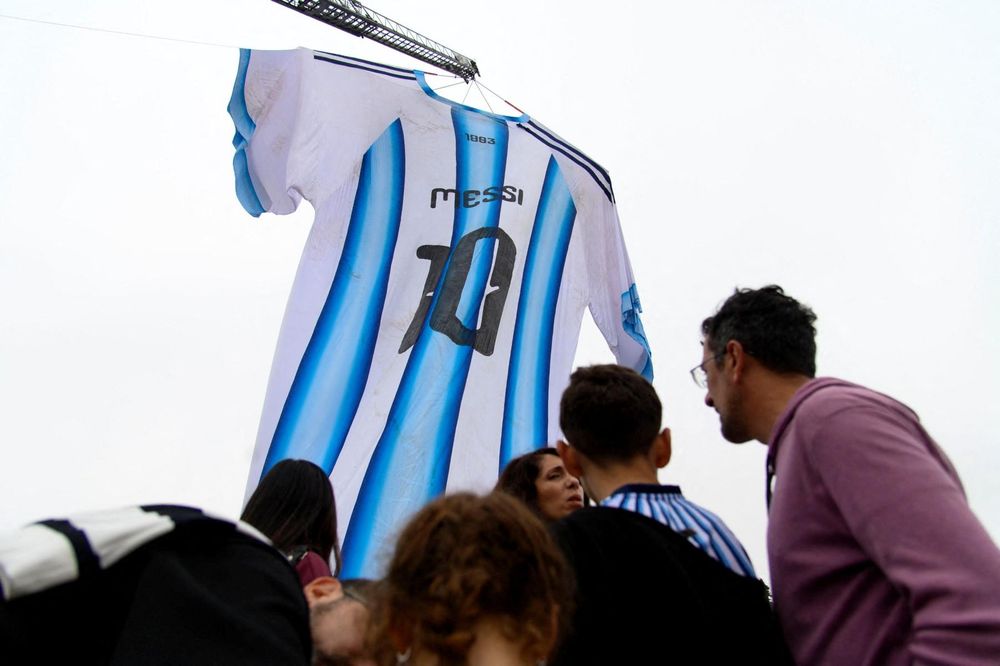
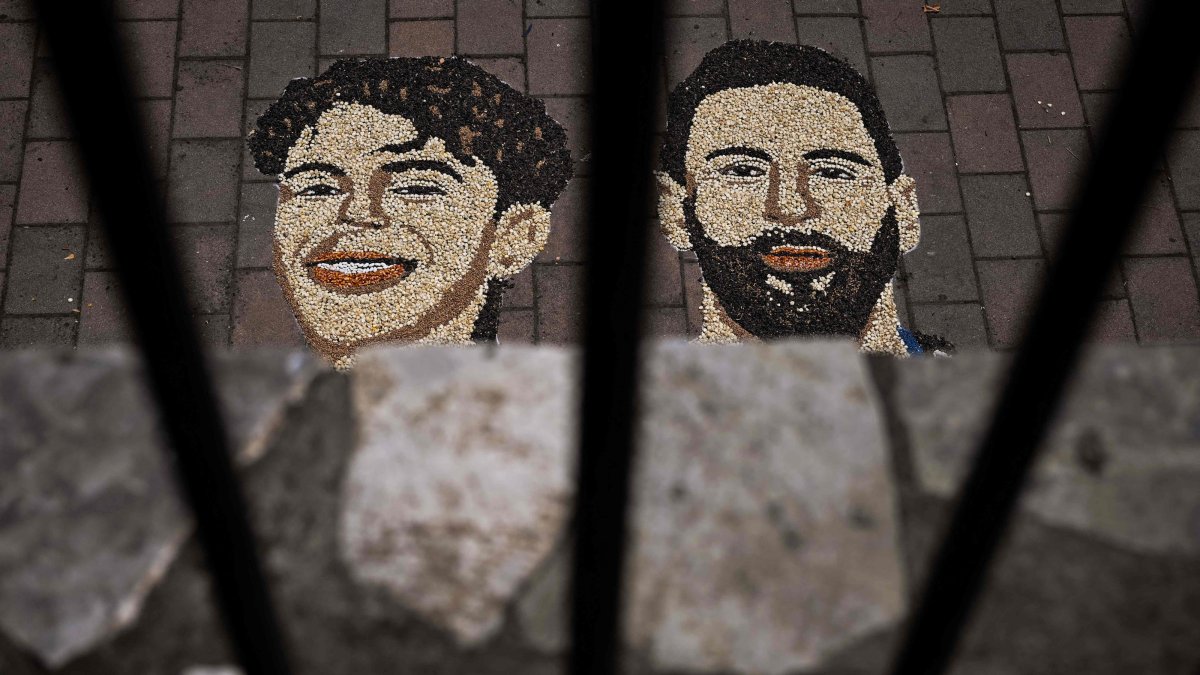
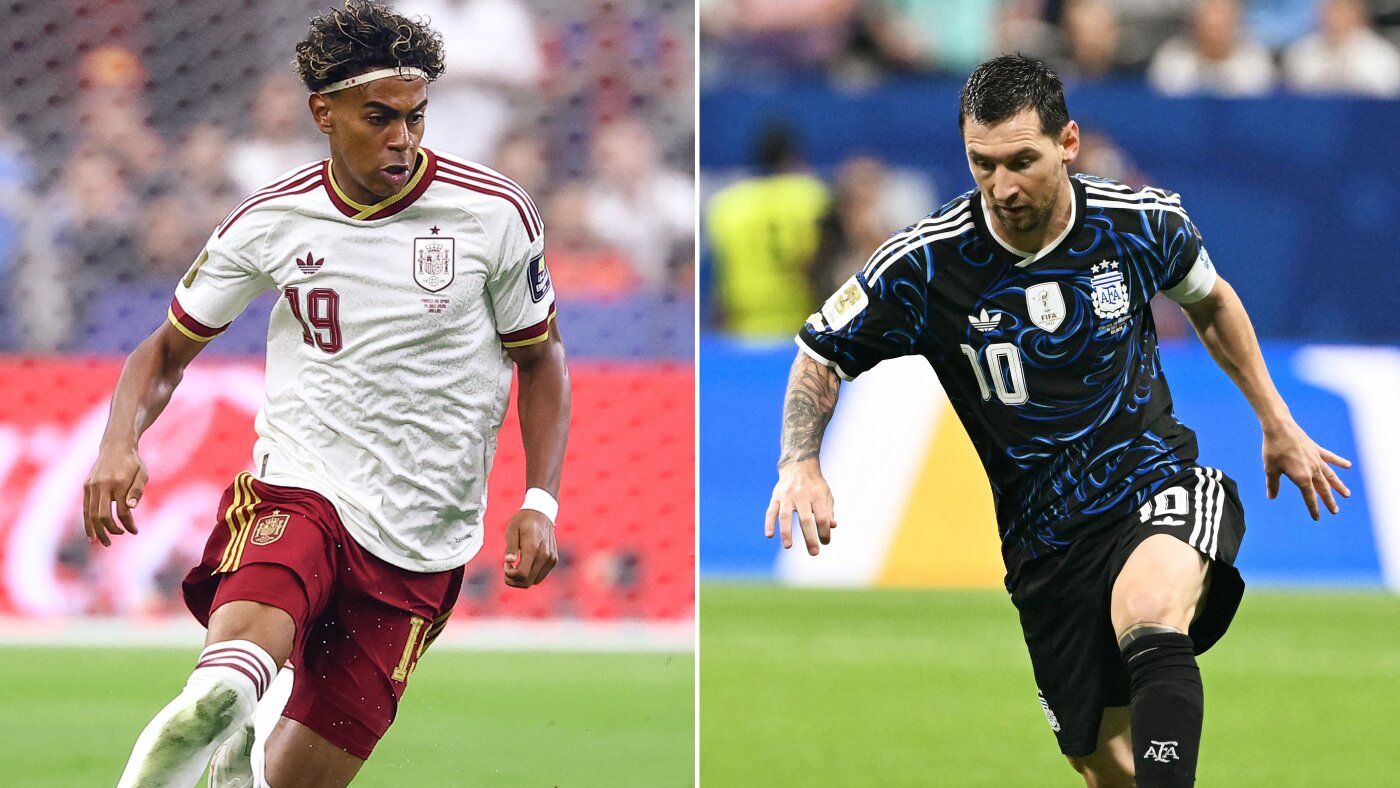
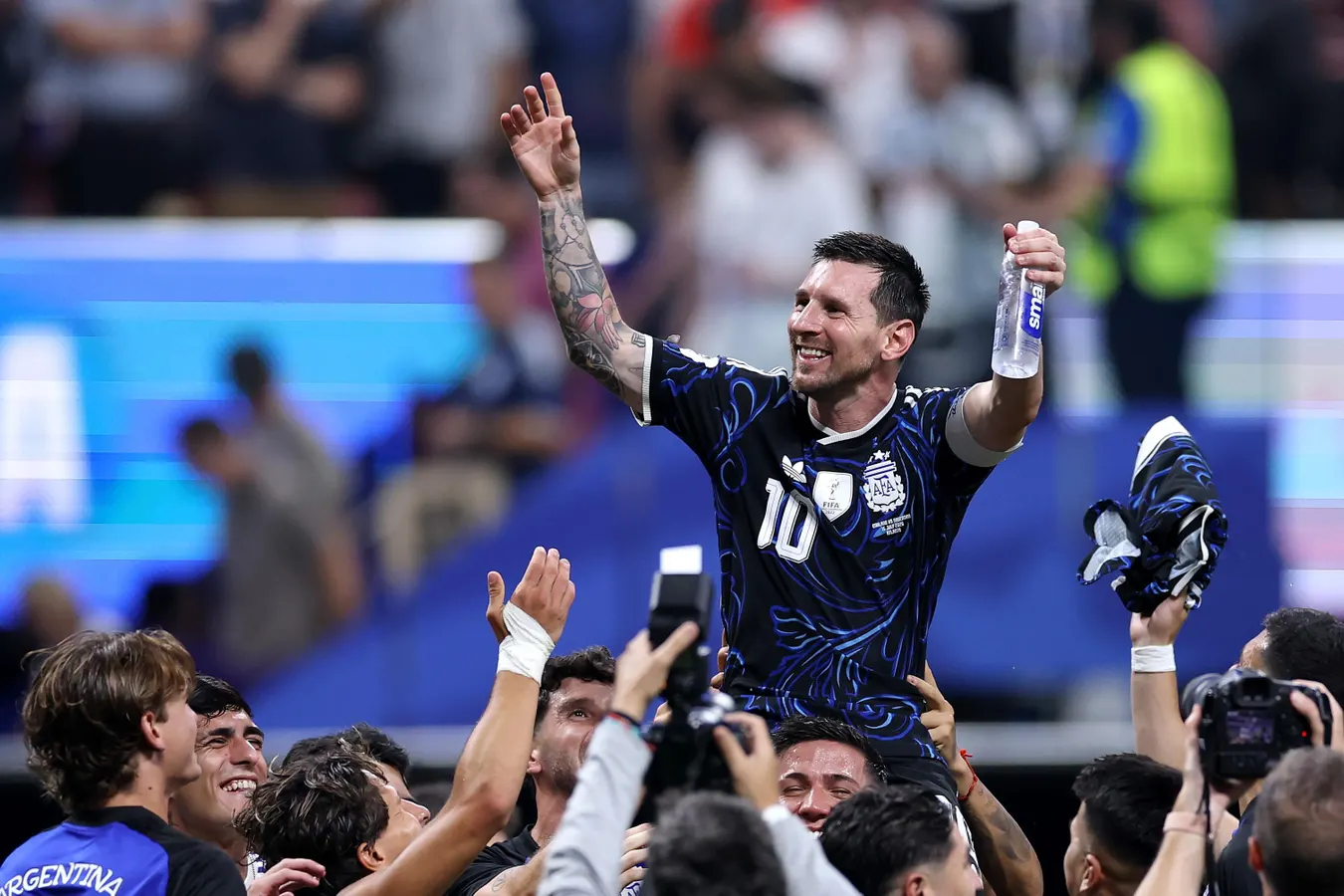
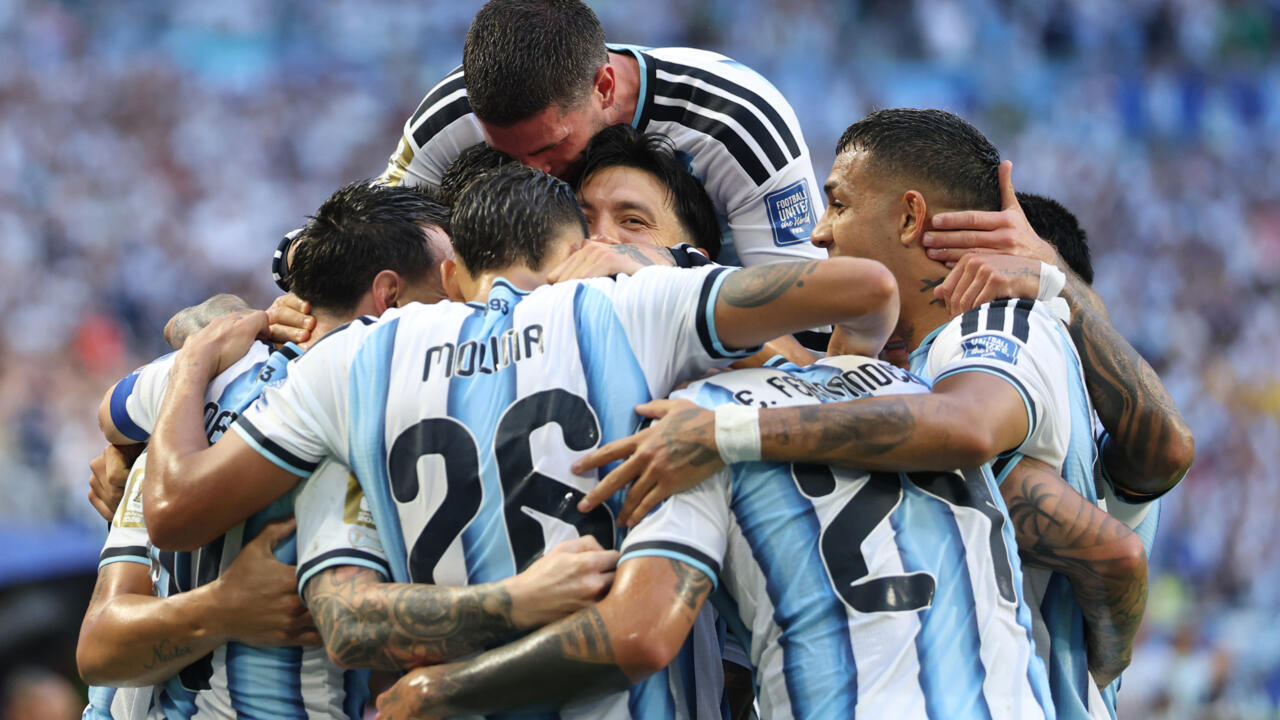
The World Cup ends tonight, Sunday, with the final between Lionel Messi’s Argentina and Luis de la Fuente’s Spain, on one side the player who is perhaps the greatest the world has seen, on the other the coach of a team that dominates the field with perfect technique, control of the game, patience and clear-headed execution of its plans. On one side, the art and inspiration of a genius who leads his teammates to exceed their limitations, on the other, the collective power of a team of excellent players who have strength and experience.
From this aspect alone, having seen how both teams reached the final, the championship game will be especially interesting. But the whole tournament has been gripping, with all that happened on the playing fields but also beyond the stadiums and in the 48 countries whose teams took part.
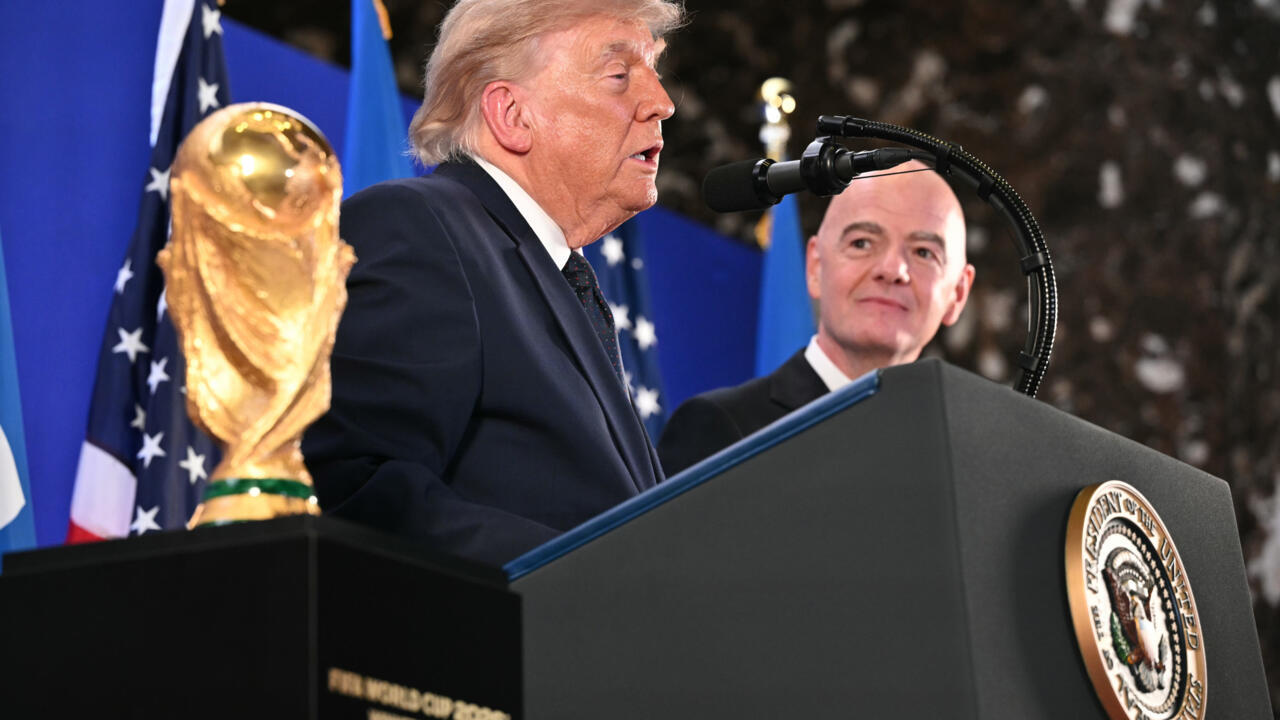
The tight embrace between the head of the international federation and Donald Trump, the US president’s intervention on behalf of the US team, the accusations that referees helped some teams and sank others, are among the many issues that much has been written about. And much more will be written, because, even though no one was surprised, never has it been so clear that various interests exploit the passions aroused by soccer.