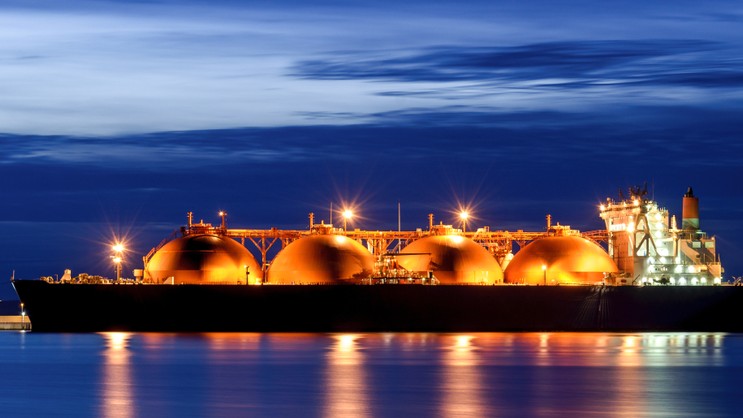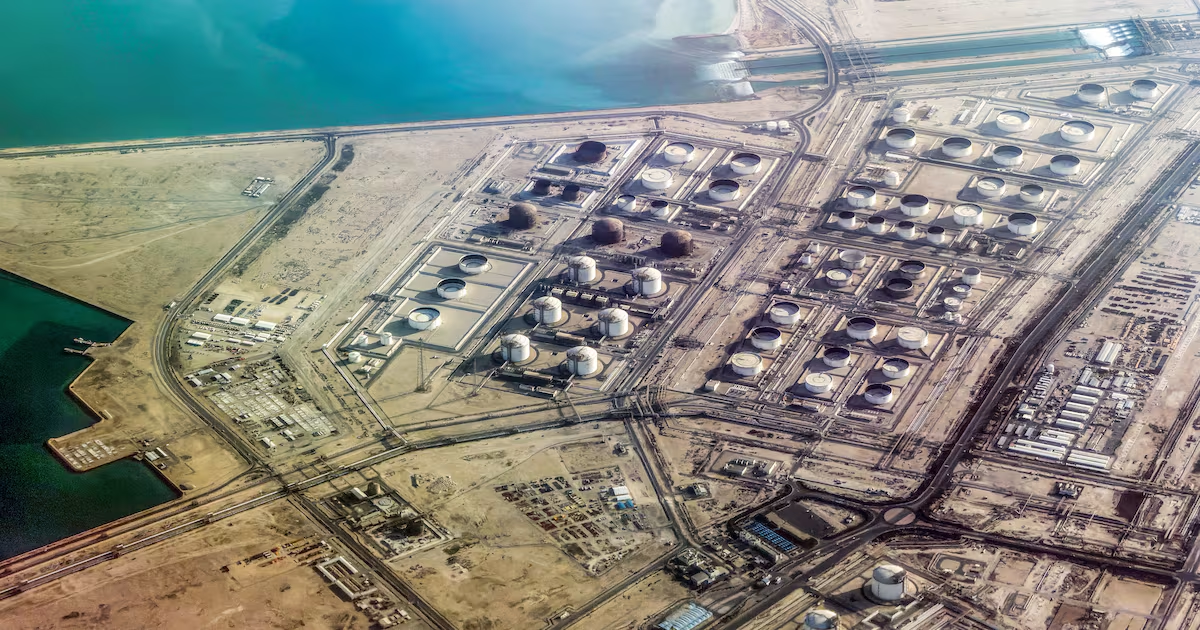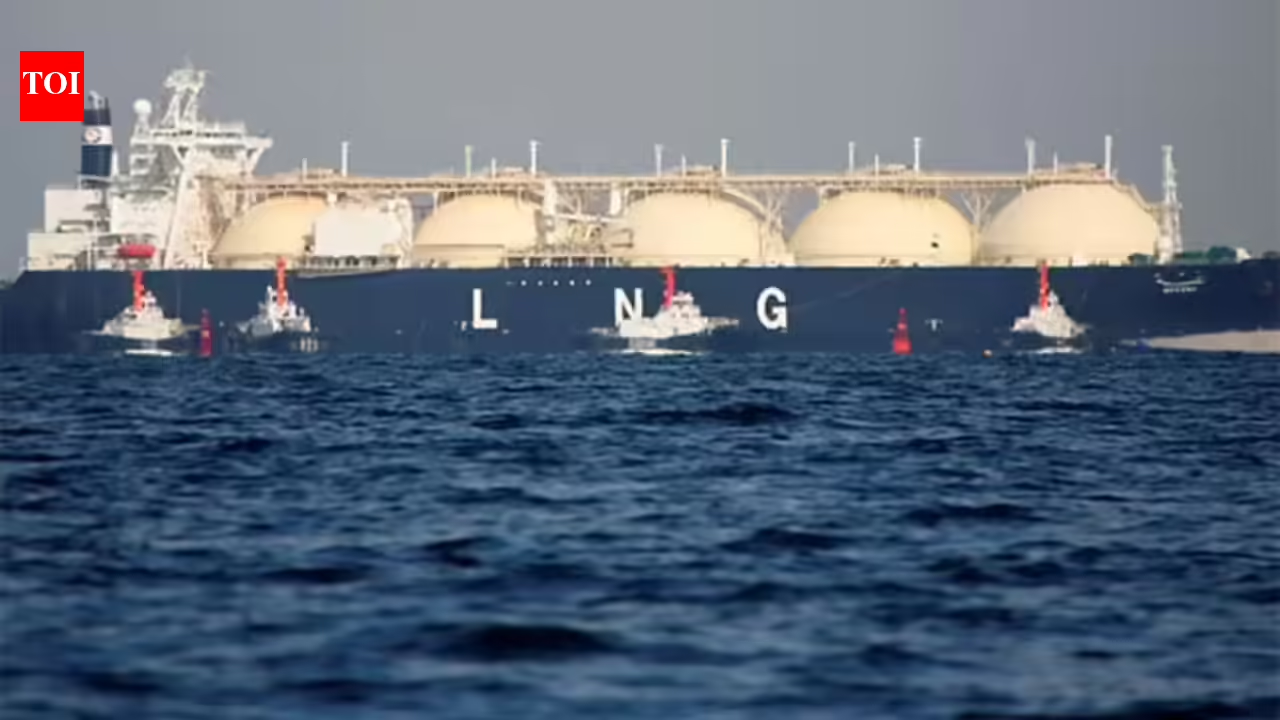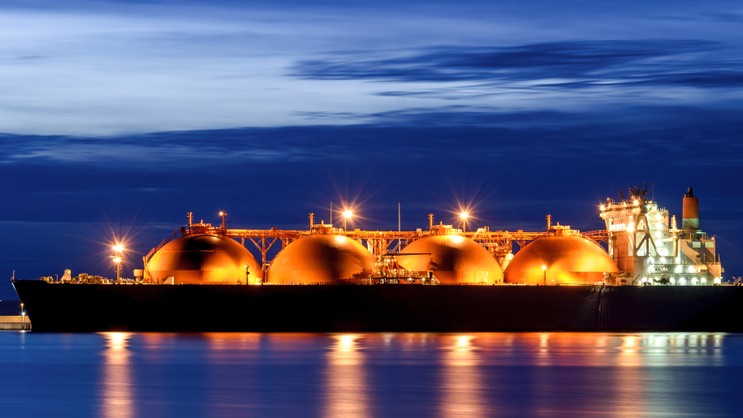
Laden liquified natural gas (LNG) transits from the Persian Gulf dropped sharply over the past week after the attack on a QatarEnergy vessel, a leading agency said in a new analysis, suggesting that exports are facing renewed shipping constraints even though regional loadings remain resilient.
Renewed escalation in the U.S.-Iran conflict is sharply reducing LNG exports from the Persian Gulf, reversing the brief recovery that followed the June 17 agreement intended to facilitate commercial transit through the Strait of Hormuz, according to new analysis from S&P Global Energy.
Vessel tracking data from S&P Global Energy shows that the combined 10-day moving average of laden LNG transits through the strait fell from roughly 0.8 cargoes per day in late June to just 0.2 cargoes per day by July 15, it said.
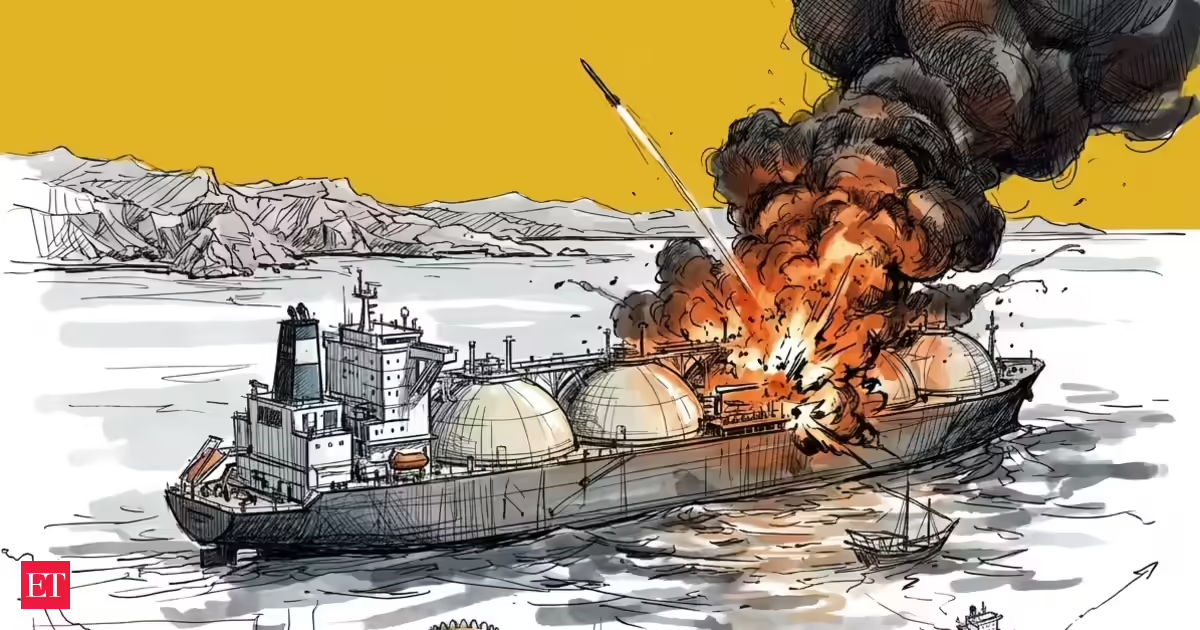
Only one LNG cargo is known to have exited the Persian Gulf in the past week, reflecting mounting caution among shipowners after the July 7 attack on QatarEnergy LNG’s Al Rekayyat, the first direct strike on an LNG vessel since the conflict began, the S&P Global Energy said.
“LNG traffic through the Strait of Hormuz has fallen back to levels last seen in early June, well before the June agreement created a temporary window for renewed movement,” said Mehrun Etebari, an analyst at S&P Global Energy.